
The Ultimate Biodiversity of the Madagascar Paradise
15 min read
Introduction to Madagascar
Madagascar, an island country located in the Indian Ocean, is renowned for its extraordinary biodiversity and unique ecosystems. Separated from the African mainland by the Mozambique Channel, Madagascar is the fourth largest island in the world, spanning approximately 587,041 square kilometers. Its geographical isolation has led to the evolution of species that are found nowhere else on Earth, making it a significant area for both conservation efforts and ecological study.
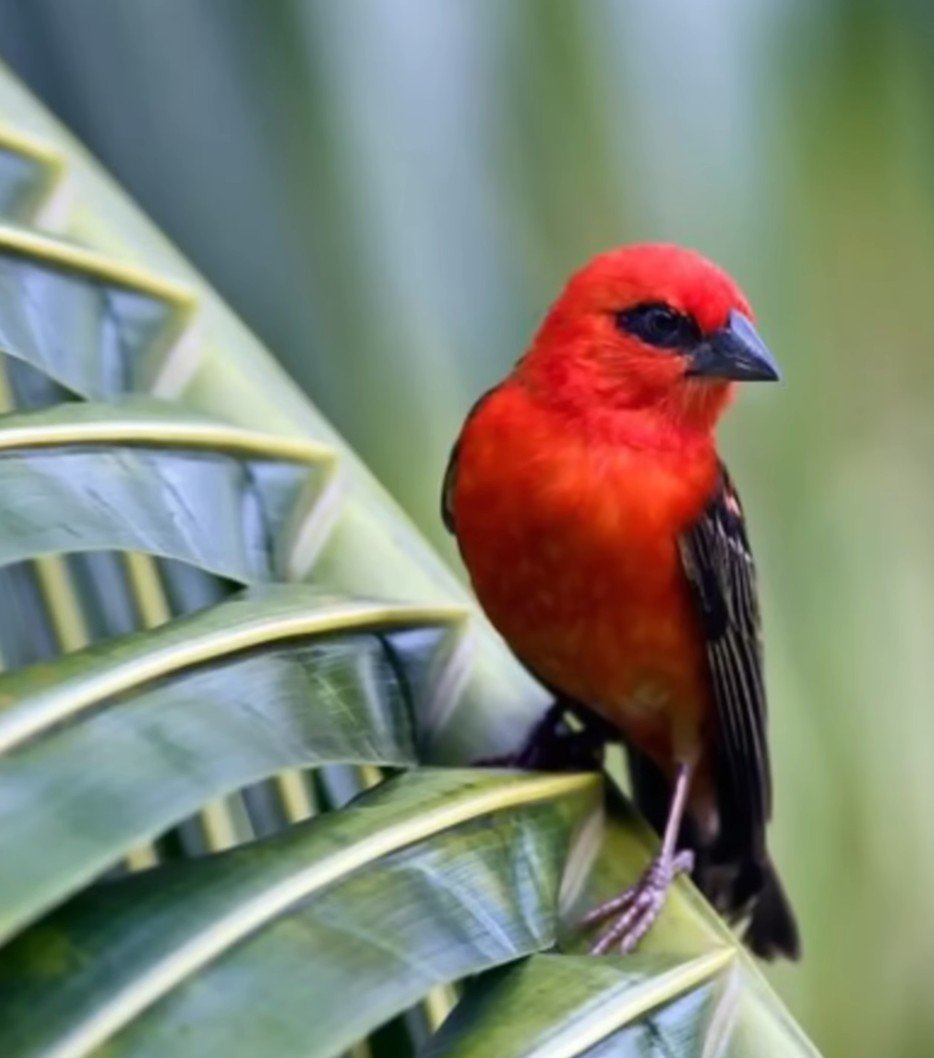
The country boasts a diverse range of habitats, including rainforests, deserts, and coral reefs, supporting an array of flora and fauna. Approximately 90% of the wildlife is endemic, which means that these species cannot be found in any other part of the world. Notable residents of Madagascar include the lemur, chameleons, and the fossa, a carnivorous mammal that has gained popularity due to its unique appearance and predatory behaviors. The island’s diverse ecosystems also provide homes to thousands of plant species, many of which are used by local communities for traditional medicine and food.
Natural beauty is not the only allure of Madagascar; the island is rich in cultural heritage, influenced by the merging of African, Asian, and European traditions. This vibrant culture is reflected in the local cuisine, music, and customs, drawing visitors into a unique experience that extends beyond its wildlife. For travelers seeking adventure and exploration, Madagascar serves as the perfect destination, with opportunities to hike through lush national parks, relax on pristine beaches, and immerse oneself in the captivating local culture. In summary, Madagascar stands out as a travel destination for those who appreciate biodiversity and the wonder of nature, beckoning tourists to explore its many treasures.
Best Time to Visit Madagascar
Choosing the optimal time to visit Madagascar is essential for travelers seeking the best experience on this unique island. Madagascar’s climate is characterized by a tropical climate in its coastal regions and varying weather patterns inland, making it important to consider the nuances of each season. The island primarily experiences two seasons: the wet season and the dry season, with the wet season typically occurring from November to April and the dry season from May to October.
The dry season, particularly from June to September, is generally regarded as the best time to visit Madagascar. During these months, visitors can expect pleasant temperatures and significantly lower humidity levels, which create perfect conditions for exploring the island’s diverse landscapes and national parks. Wildlife is also more active during this period, making it easier for travelers to spot unique species such as lemurs and various reptiles.
In contrast, the rainy season features frequent downpours and can lead to some accessibility issues in certain areas. However, this season has its advantages; from December to February, many migratory birds arrive, attracting birdwatchers. Additionally, the vibrant flora that blossoms during the rains enhances the island’s natural beauty. It is worth noting that the Christmas and New Year holidays are peak tourist seasons, resulting in increased prices and crowded attractions.
Some festivals may also impact travel plans. For instance, the annual Famadihana, or “turning of the bones,” is celebrated in various regions, usually occurring between June and September and offers travelers a glimpse into local culture. Ultimately, the best time to visit Madagascar depends on personal preferences, with consideration given to climate, wildlife activity, and local events.
Iconic Locations for Stunning Photography
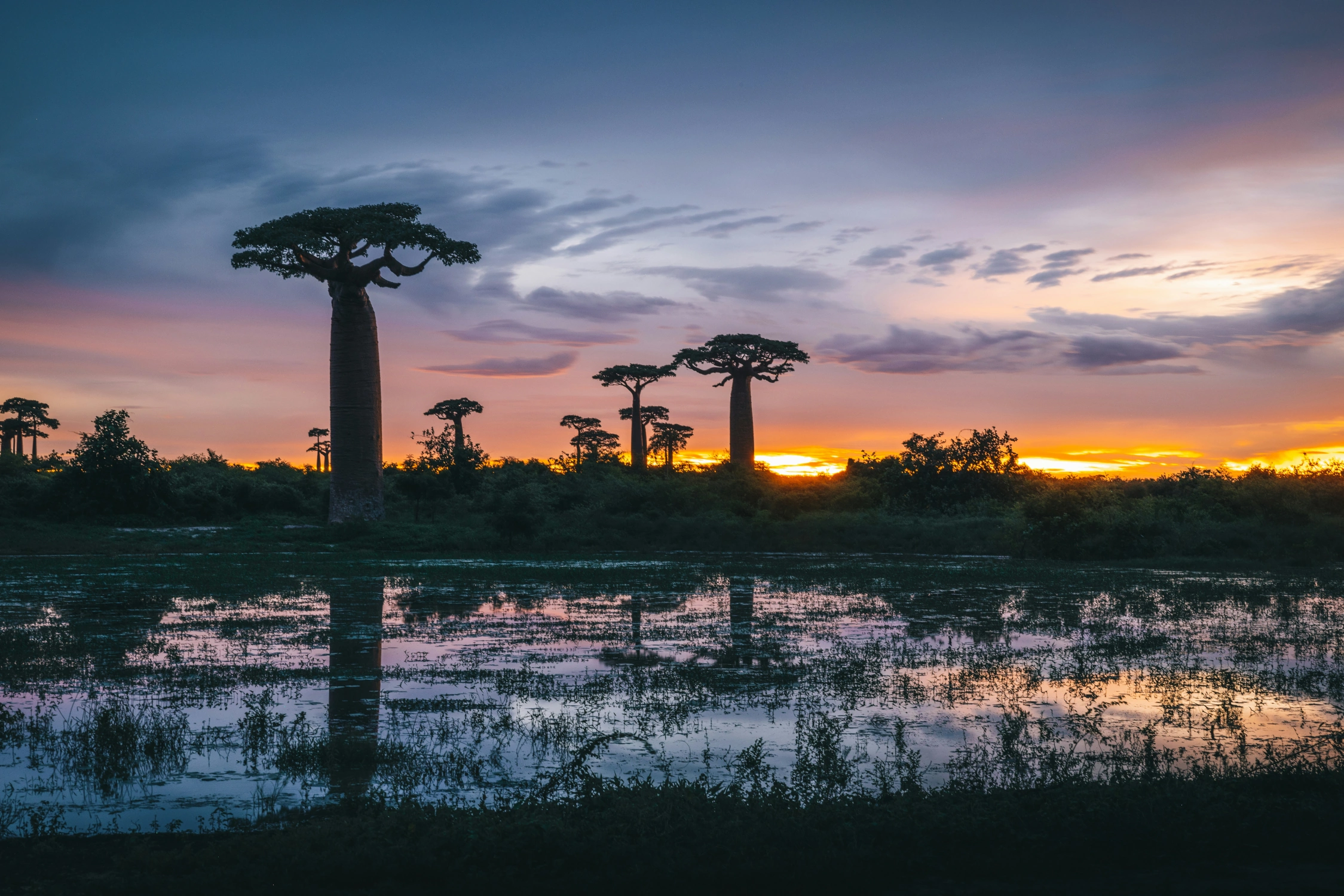
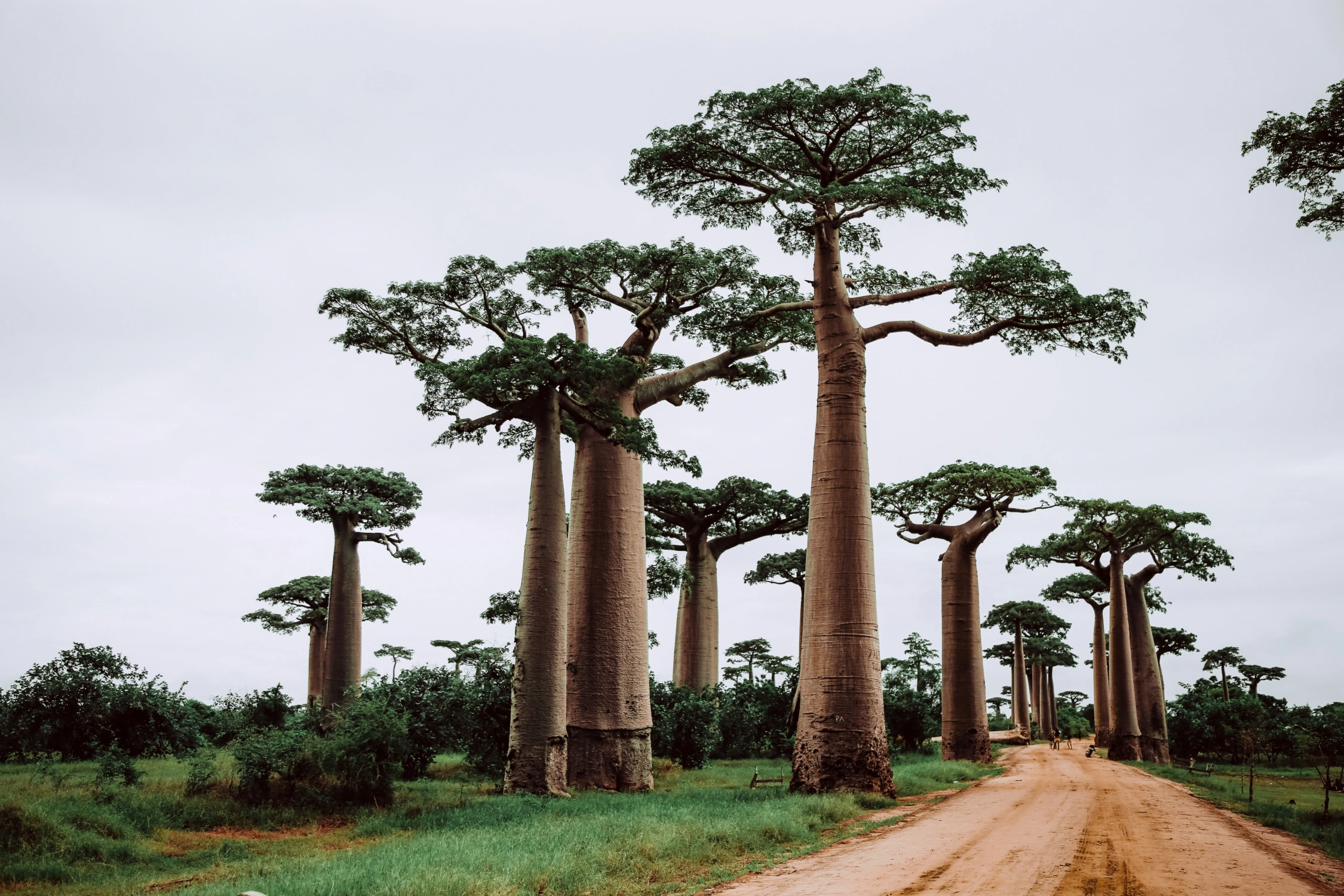
Madagascar is a treasure trove of breathtaking landscapes and unique natural features that provide countless opportunities for stunning photography. Among the most iconic locations is the Avenue of the Baobabs, situated near Morondava. This mesmerizing avenue, lined with towering baobab trees, creates a surreal atmosphere, especially during sunrise or sunset when the golden light casts enchanting shadows. Photographers are encouraged to arrive early to capture the soft morning light, which illuminates the trees while reducing harsh contrasts.
Baoba Tree at Morondava city
In addition to the Avenue of the Baobabs, the Tsingy de Bemaraha National Park is a must-visit for those looking to capture dramatic yet distinct geological formations. The park is famous for its sharp limestone pinnacles, known as ‘tsingy,’ which present a monochromatic contrast against the lush surroundings. The best photography is achieved during the dry season when the paths are more accessible, and the bright midday sun enables clearer images of the impressive landscape.
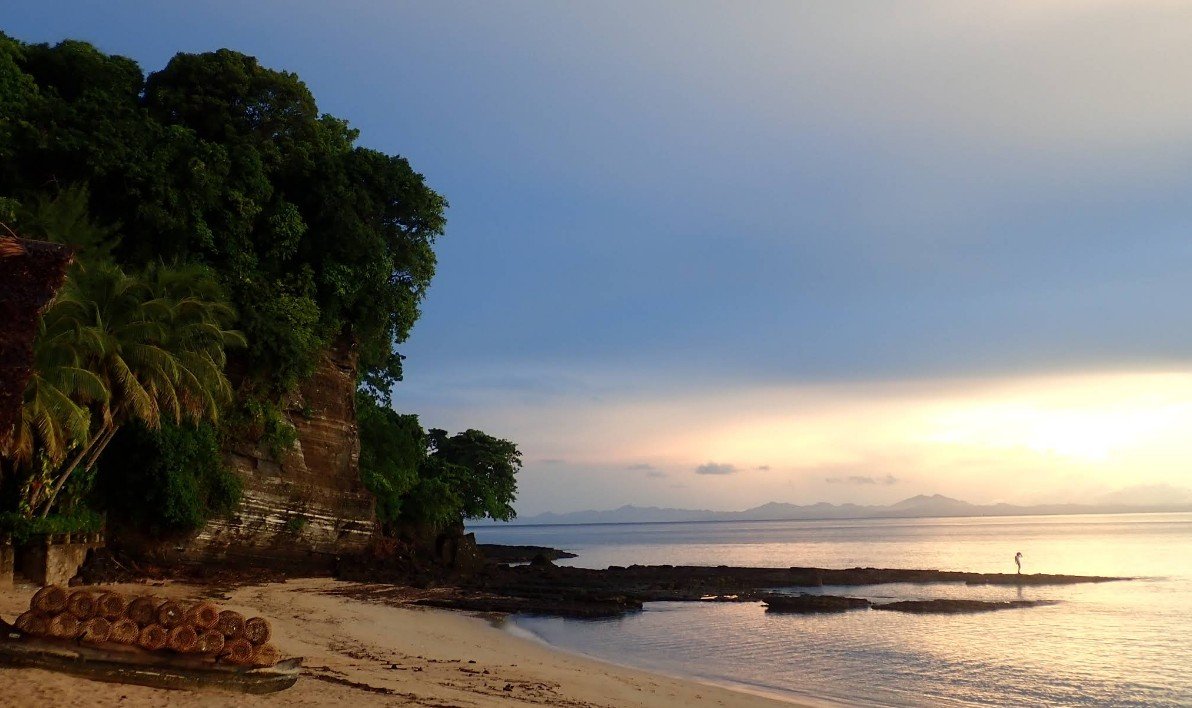
The vibrant flora of Madagascar also enhances the beauty of its locations. For instance, the rainforests of Andasibe-Mantadia National Park are rich with diverse plant species, including the exotic orchid. Photographers seeking to capture the vivid colors and intricate details should consider using macro photography techniques. Additionally, the seemingly endless beaches, like those found in Nosy Be, offer striking sunset photography opportunities with their clear waters and sandy shores serving as ideal backdrops.
In conclusion, Madagascar’s iconic locations present unparalleled opportunities for photography enthusiasts. By optimizing the lighting and timing of visits to these natural wonders, travelers can captivate their audiences with extraordinary images that reflect the island’s striking beauty and unique ecosystems.
Discovering Madagascar’s Unique Flora
Madagascar is renowned for its extraordinary plant life, characterized by a stunning array of species that are not found anywhere else in the world. This ecological haven is home to approximately 12,000 plant species, of which about 80% are endemic, meaning they are native to the island and cannot be found in other parts of the globe. Among the standout features of Madagascar’s flora are the iconic baobab trees, often referred to as the “upside-down trees” due to their peculiar shape. These magnificent trees can reach heights of up to 30 meters and have traditional significance in local cultures.
Beyond the baobab trees, Madagascar’s unique environment nurtures a vast range of plant species, such as the exquisite Madagascan orchid, the ruffled lemur tree (Didierea madagascariensis), and diverse palm varieties, including the endemic Toutle palm. Traveling through Madagascar’s lush landscapes, one can encounter these botanical wonders, which thrive in various ecosystems from lush rainforests to dry deserts and spiny forests. Each habitat supports distinct flora, showcasing the island’s biodiversity.
For travelers keen on immersing themselves in Madagascar’s floral diversity, several outstanding botanical gardens and nature reserves present ideal opportunities. The Tsimbazaza Zoo and Botanical Garden in Antananarivo offer a glimpse into the island’s indigenous plants as well as its unique wildlife. Another must-visit site is the Andasibe-Mantadia National Park, where visitors can trek through lush rainforests to discover rare species in their natural habitat. The sprawling Avenue of the Baobabs uniquely showcases these giant trees, providing breathtaking landscapes perfect for photography enthusiasts.
Madagascar’s exceptional plant life invites exploration and appreciation, making the island a vital destination for nature lovers and botanical enthusiasts alike. The diverse flora not only contributes to the island’s beauty but also plays a crucial role in its ecological health, underscoring the need for sustainable tourism practices to preserve this irreplaceable treasure for future generations.
Encountering Unique Animal Species
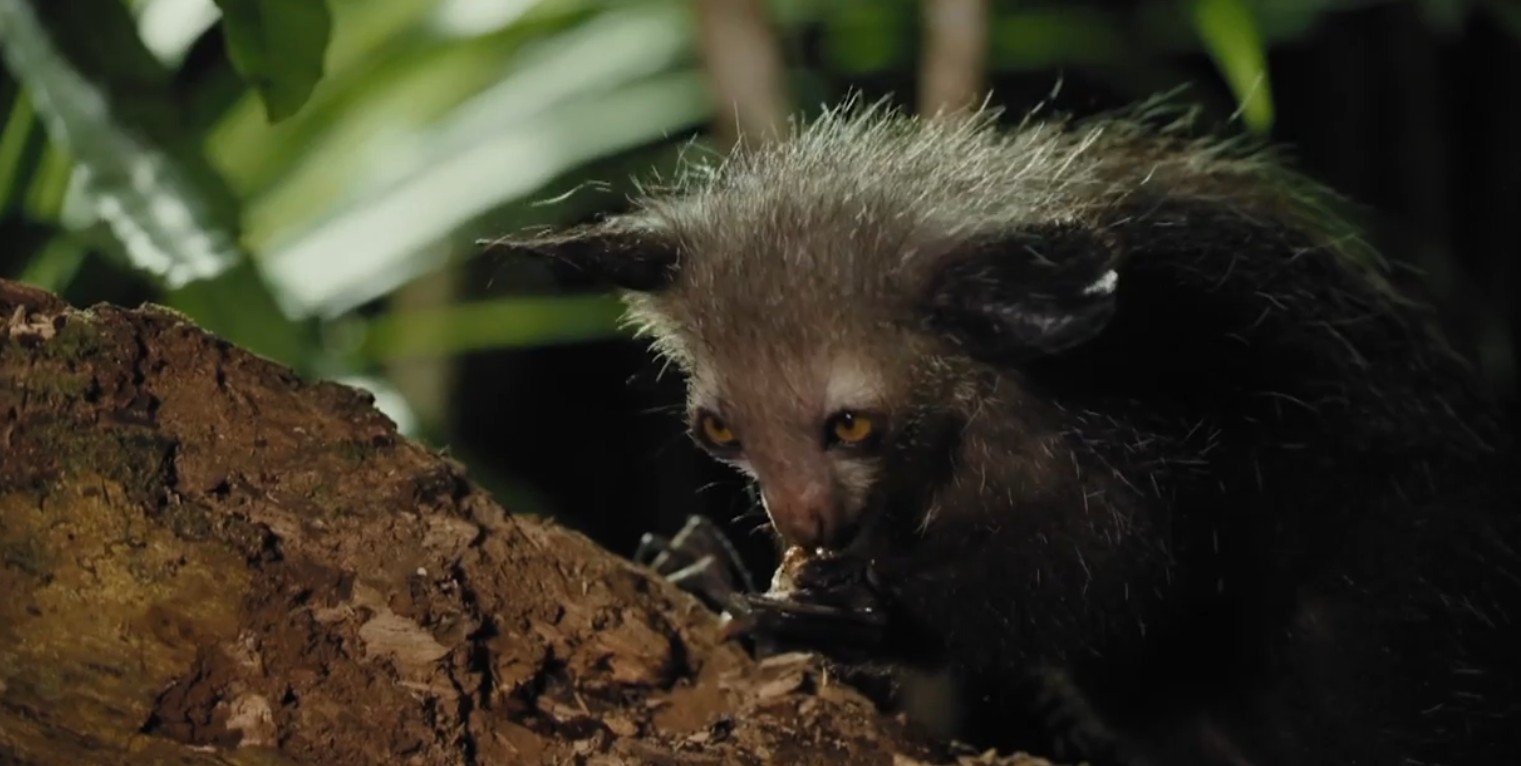
Madagascar, often described as a living laboratory of biodiversity, is renowned for its unique animal species that are found nowhere else on Earth. This island nation hosts an array of wildlife, with notable examples being its endemic lemurs, colorful chameleons, and various rare birds. With over 100 species of lemurs alone, including the well-known ring-tailed lemur and the critically endangered aye-aye, Madagascar is a haven for wildlife enthusiasts. These primates are not only a significant part of the ecosystem but also play a vital role in attracting tourism, which contributes to conservation efforts.
Here are several families of lemurs:
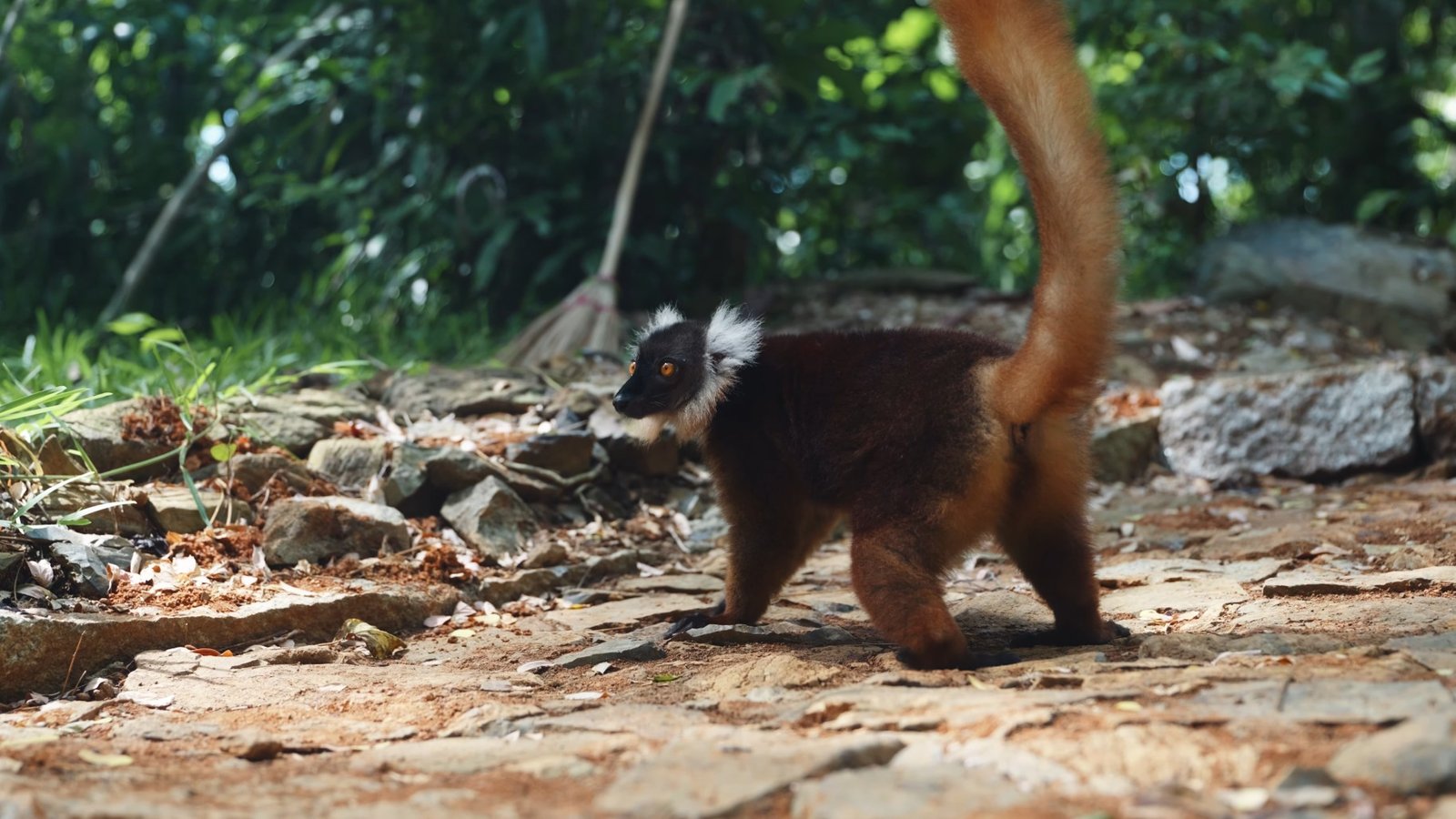
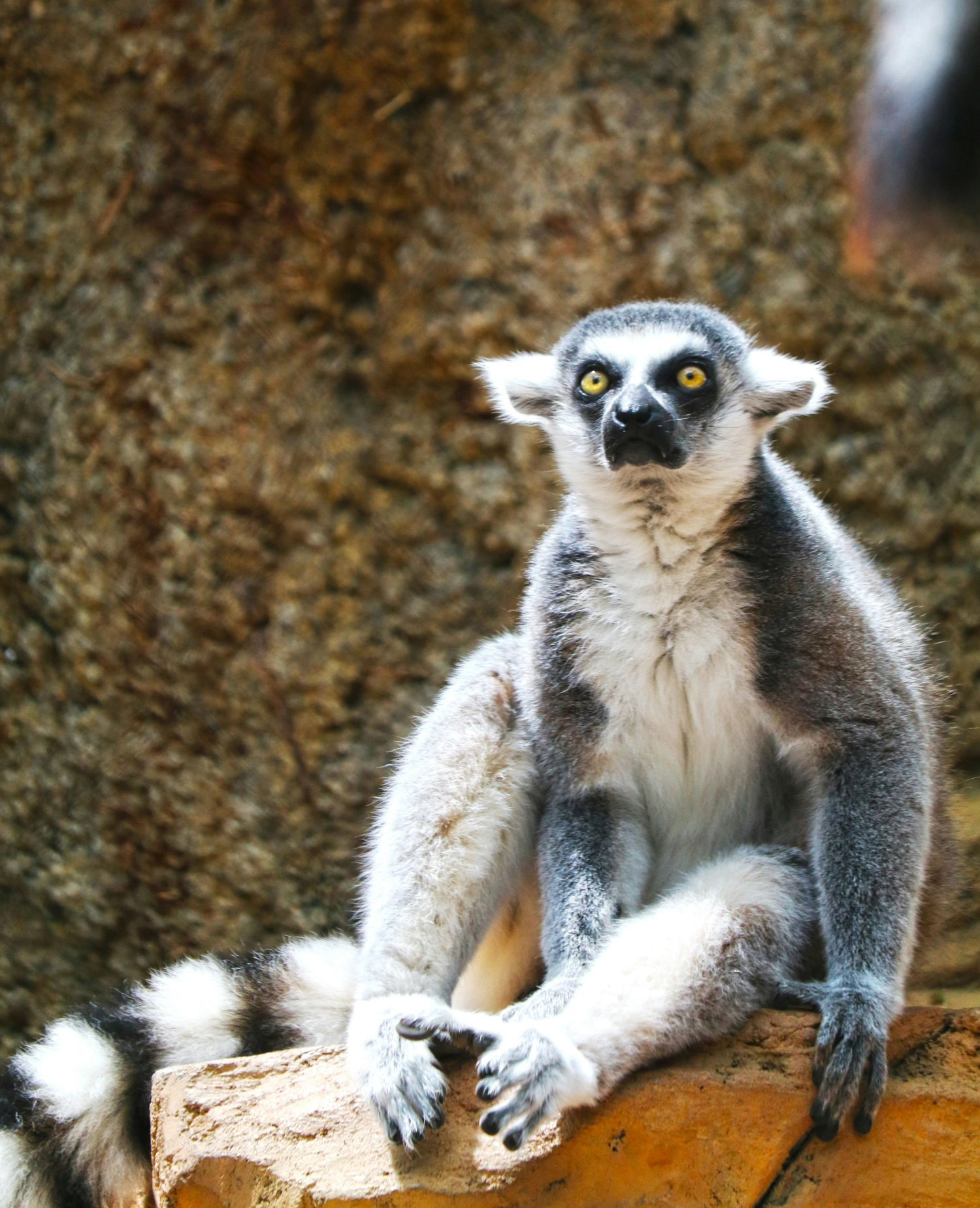
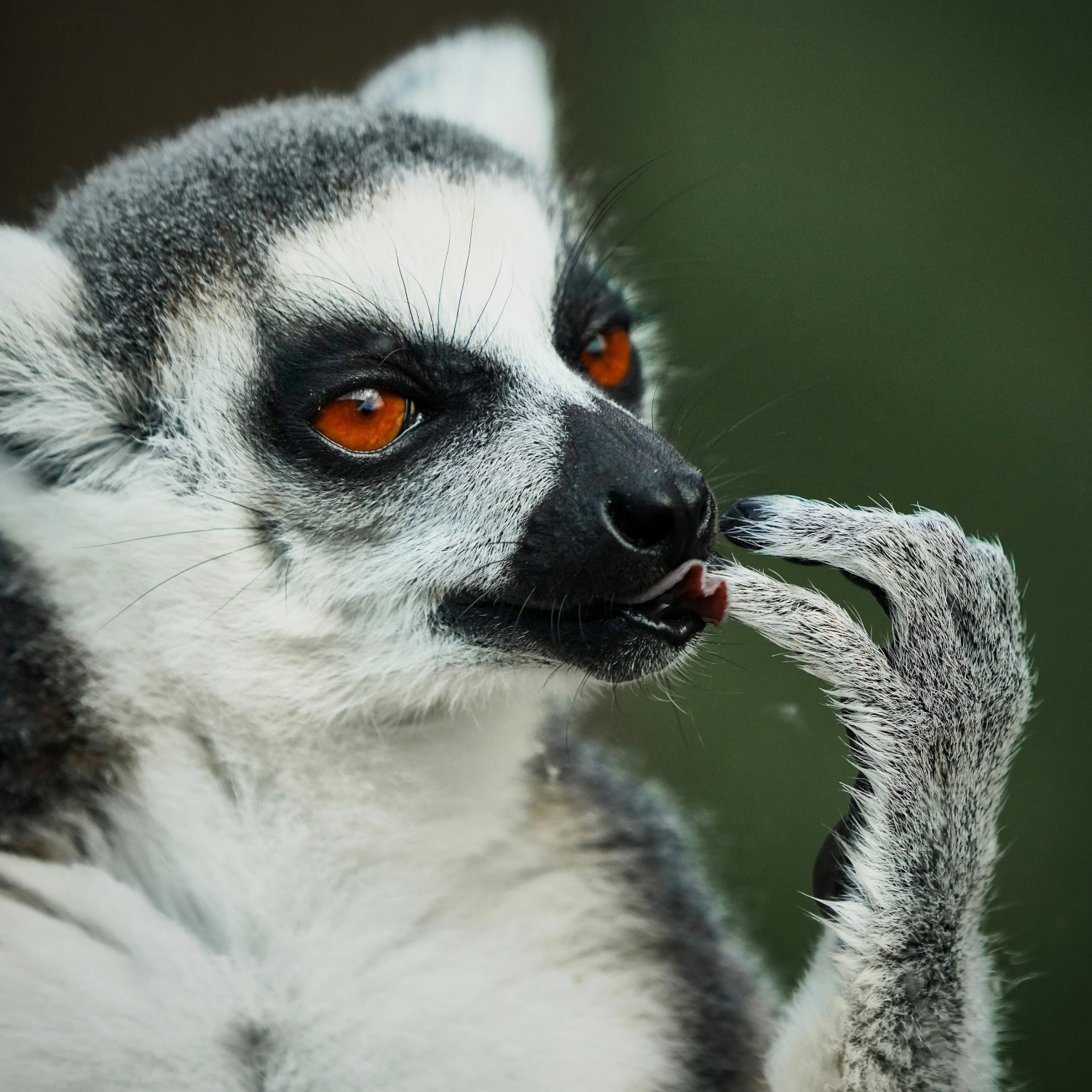
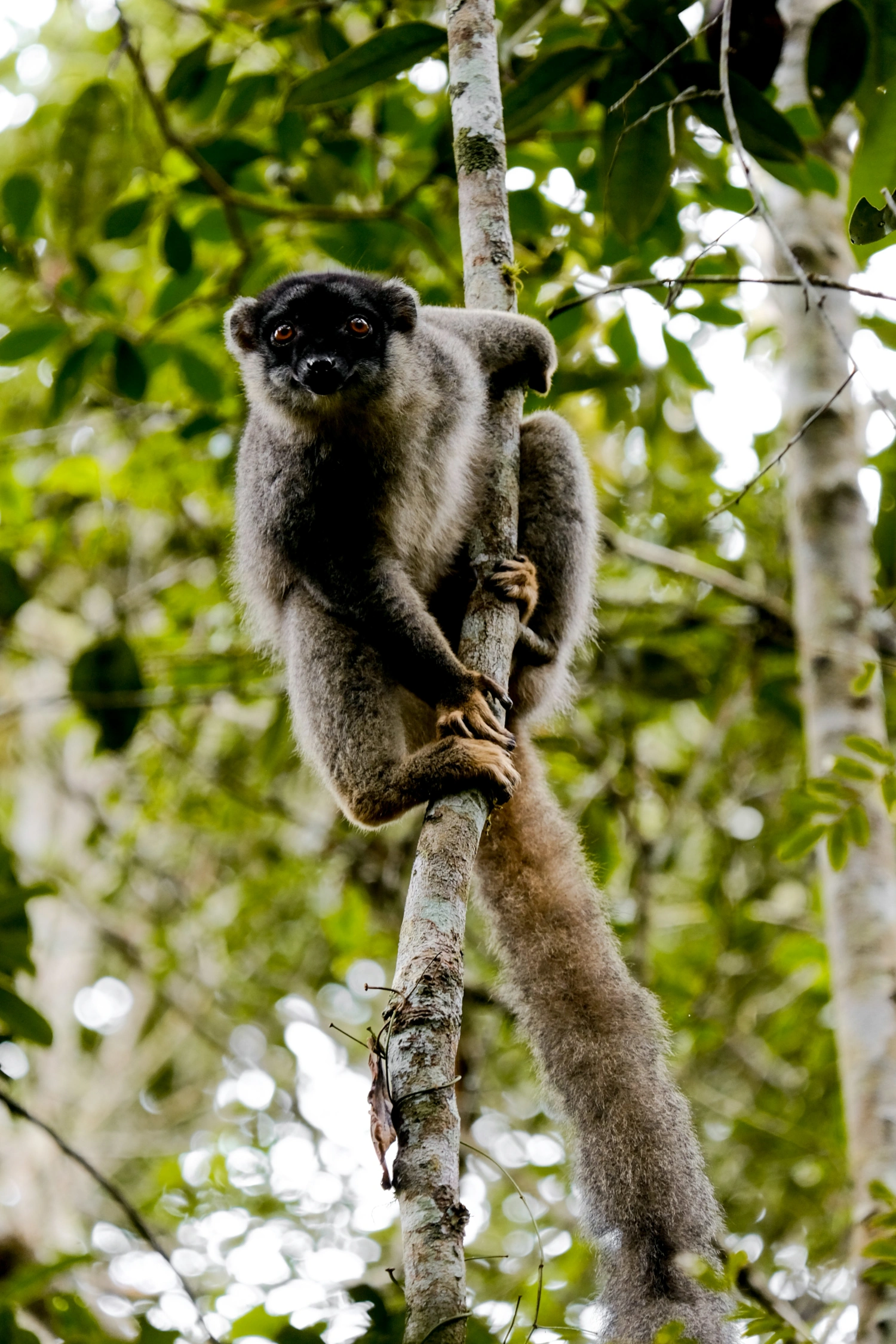
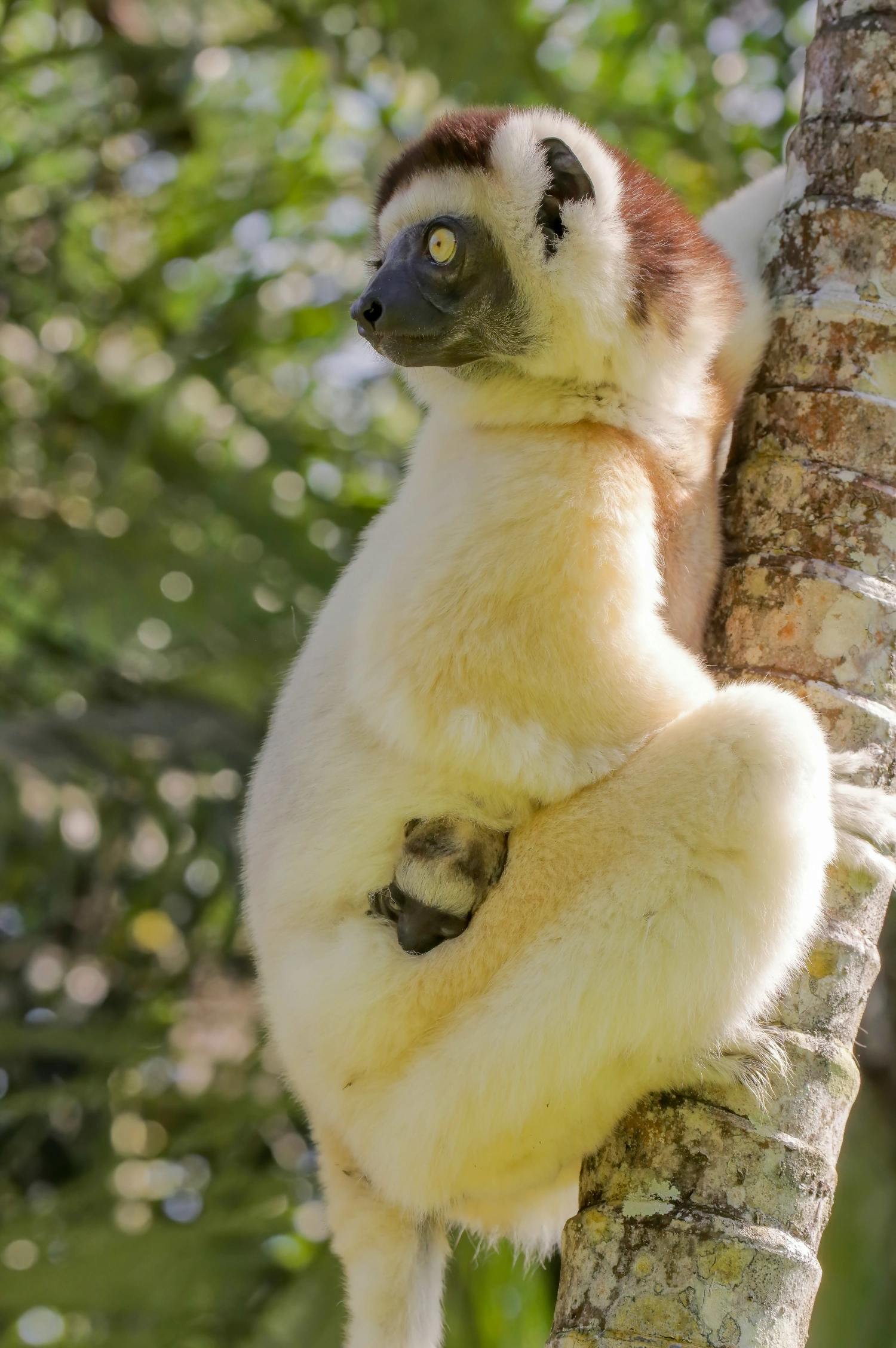
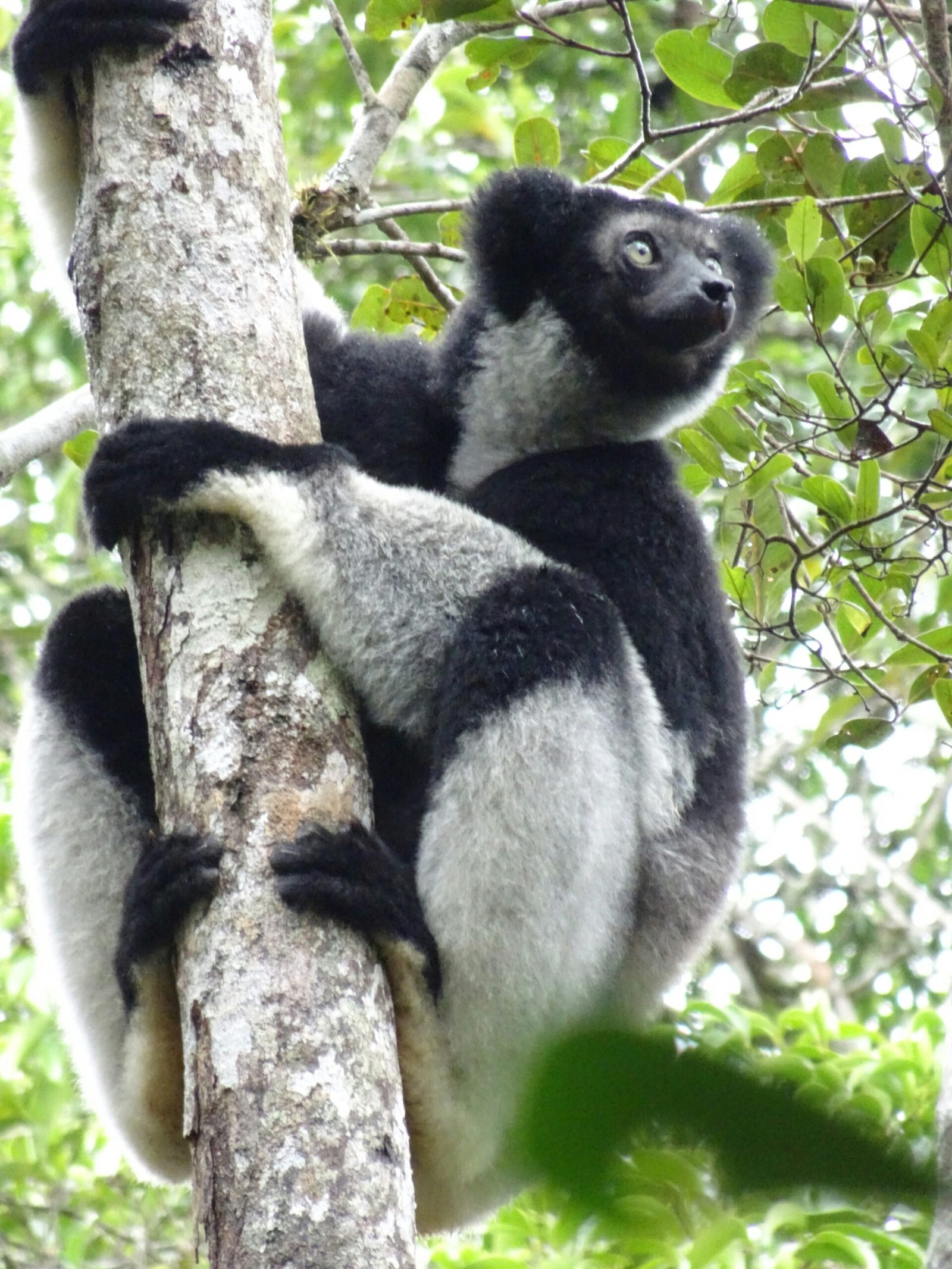
Madagascar’s diverse ecosystems, ranging from rainforests to dry deciduous forests and spiny forests, provide distinctive habitats for different species. For instance, the rainforests of Andasibe-Mantadia National Park are famous for their populations of Indri lemurs and unique bird species like the Madagascar blue pigeon. On the other hand, the spiny forests of the south are home to the fascinating fossa, a cat-like carnivore that primarily preys on lemurs but also other small animals in trees and on the ground, using stealth, agility, and powerful bites to overpower its prey. This remarkable biodiversity is not only essential for ecological balance but also offers visitors exceptional opportunities for wildlife watching.
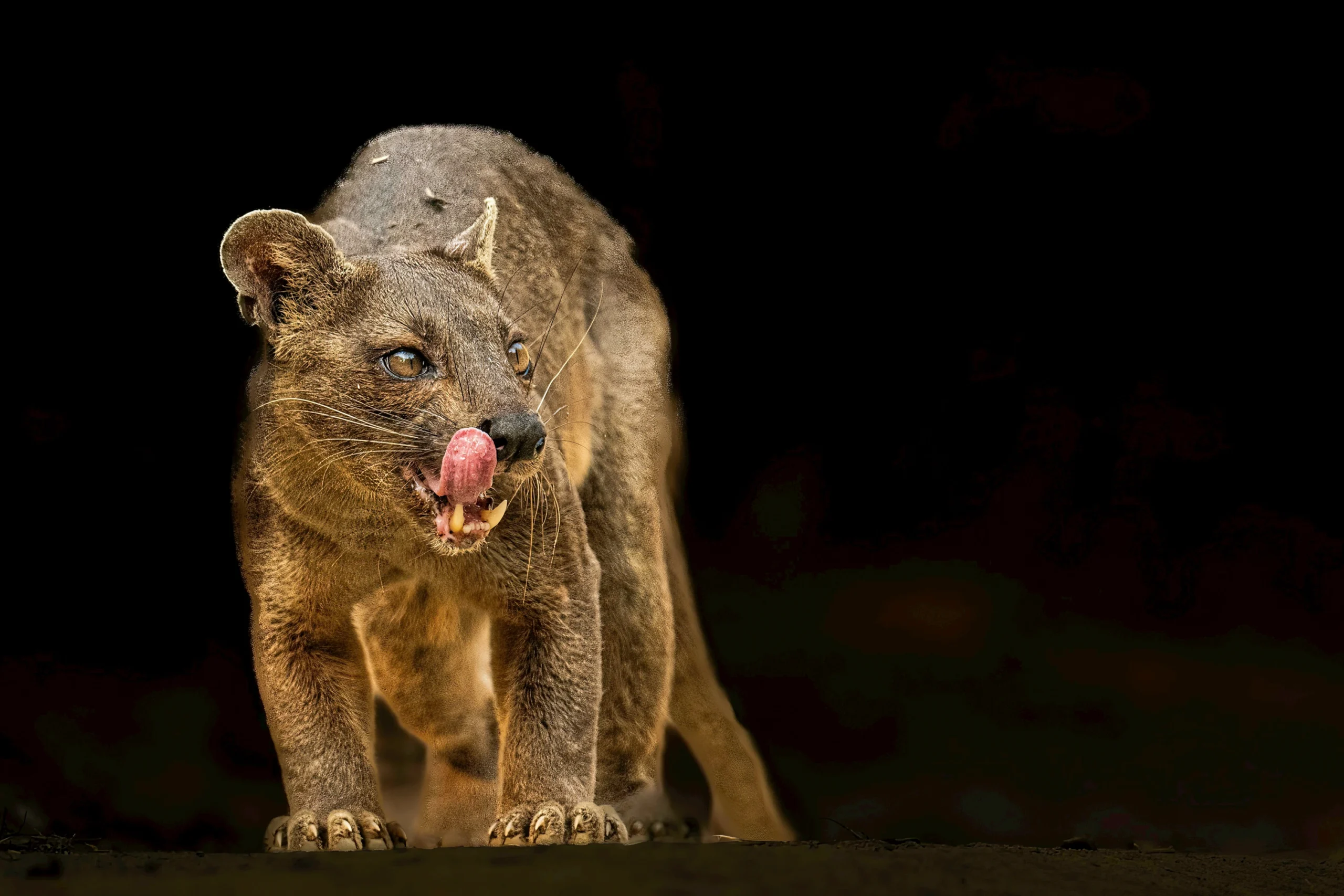
Responsible interaction with wildlife is paramount to the preservation of Madagascar’s fauna. Sustainable tourism practices are encouraged, allowing travelers to experience the island’s biodiversity while minimizing their ecological footprint. Several national parks and reserves, such as Ranomafana National Park and Isalo National Park, provide guided tours aimed at educating visitors about conservation. These experiences not only enhance the understanding of the unique animal species but also foster a sense of responsibility towards protecting these fragile ecosystems. Engaging in such sustainable tourism practices ensures that future generations can continue to experience the wonders of Madagascar’s exceptional wildlife.
The Fascinating World of Chameleons and its spectacular chromatic metamorphosis
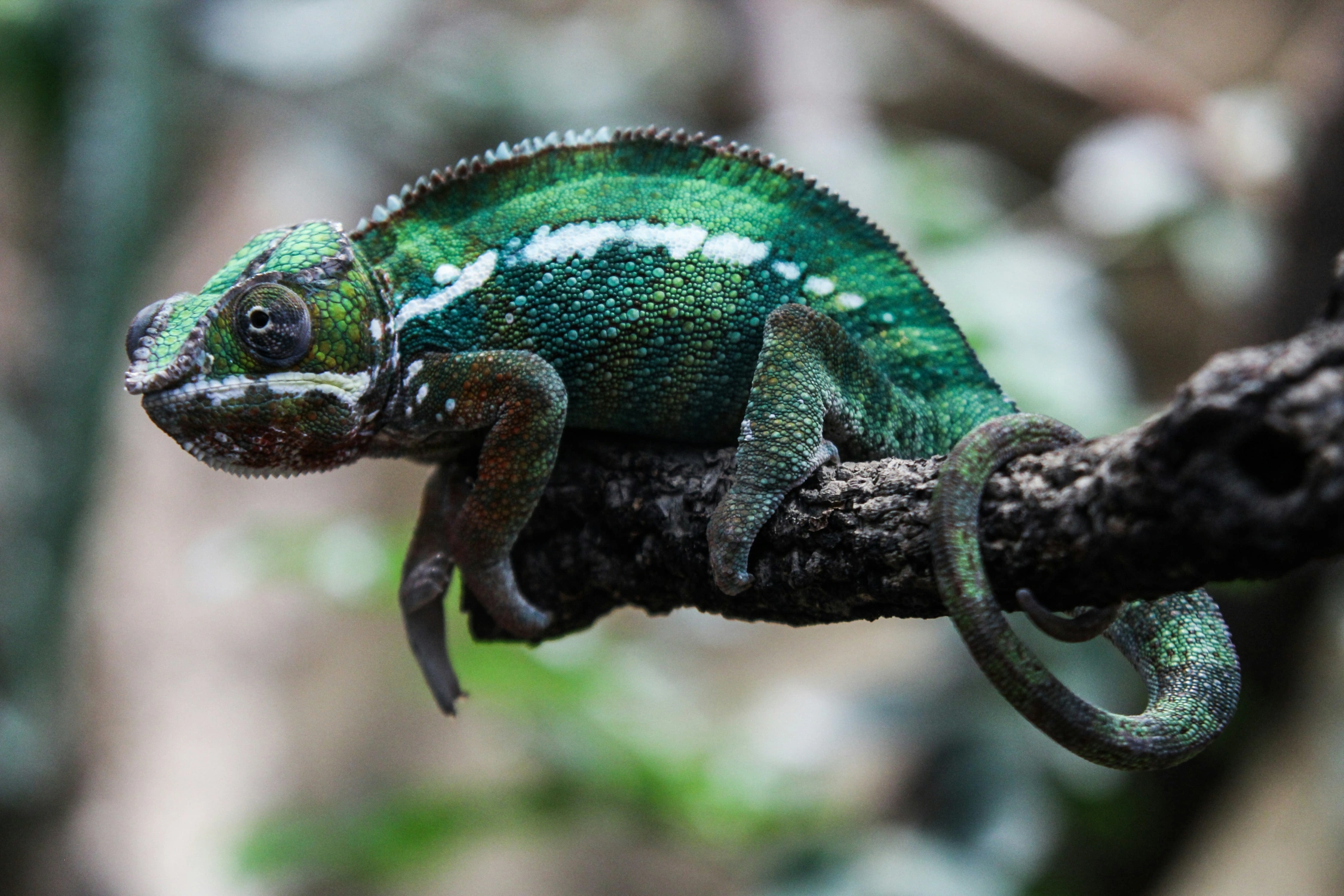
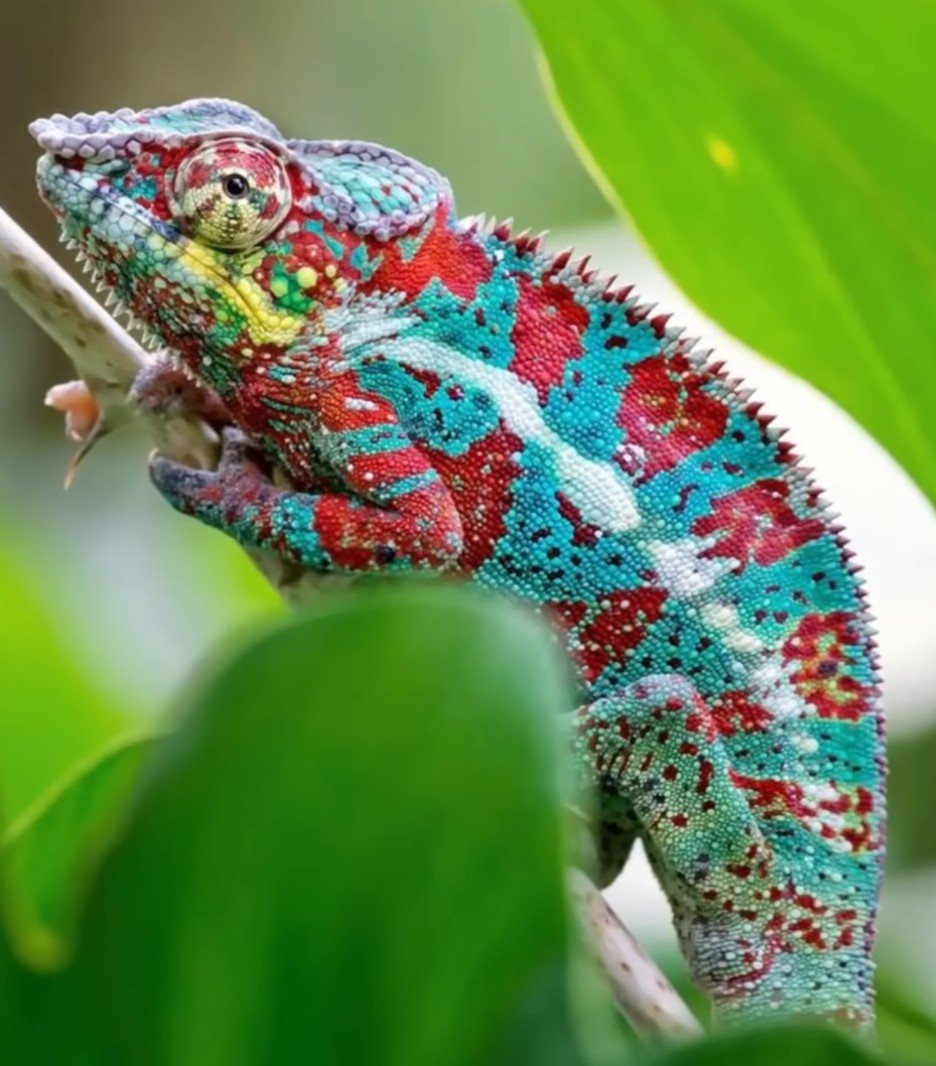
Madagascar is renowned for its rich biodiversity, with chameleons being one of the most captivating groups of reptiles found in this unique ecosystem. The island is home to nearly two-thirds of the world’s chameleon species, many of which are endemic, showcasing a remarkable variety of colors, sizes, and behaviors. These fascinating creatures are adapted to thrive in various habitats, from lush rainforests to arid deserts, reflecting the island’s ecological diversity. In Madagascar, there are three families of chameleons, each comprising several species: Brookesia, Calumma, and Furcifer.
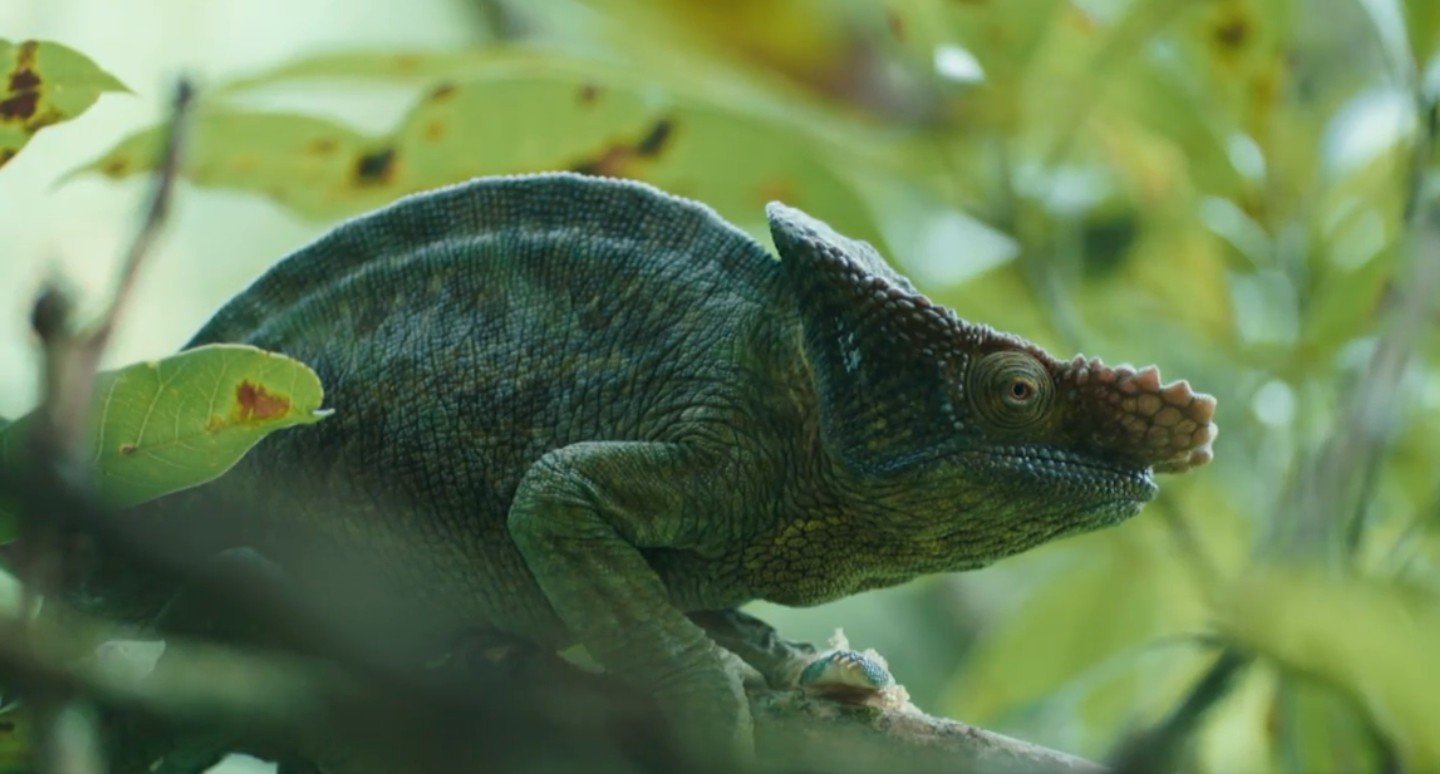
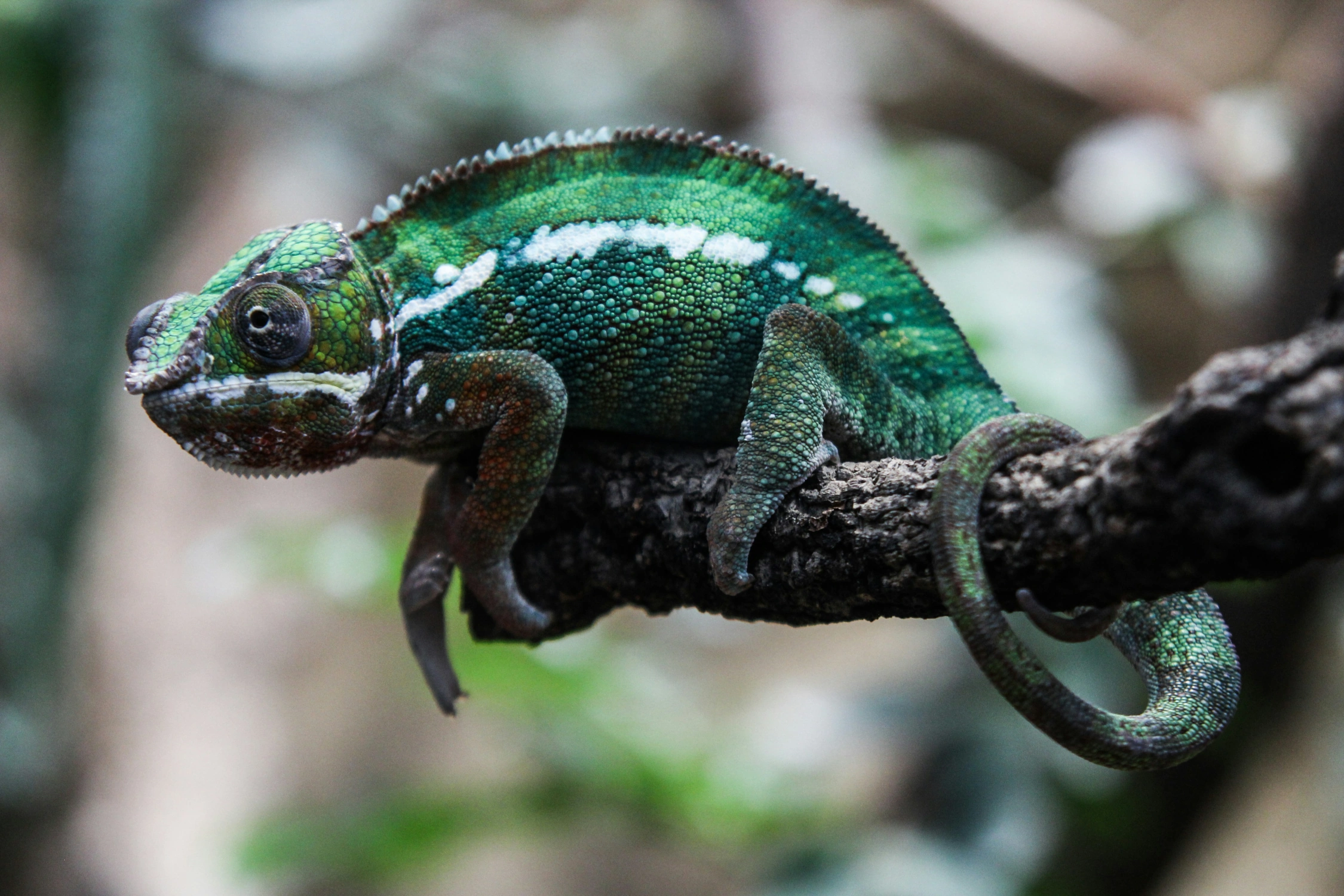
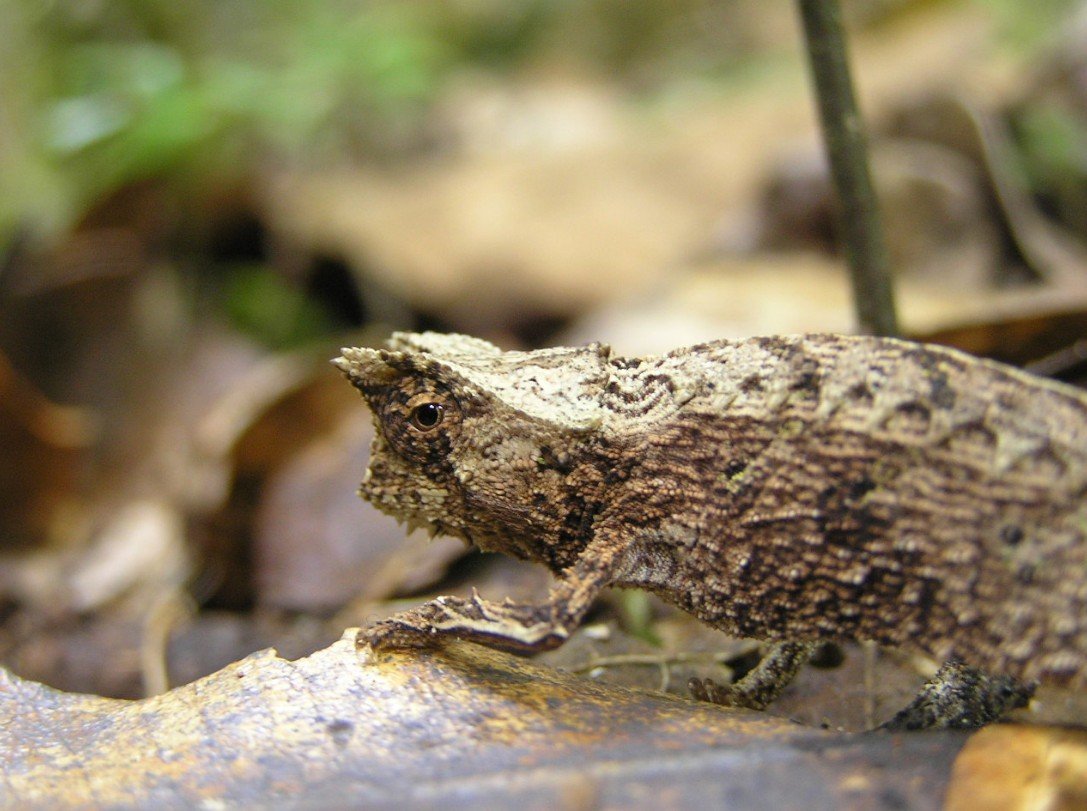
Chameleons are particularly interesting due to their distinctive color-changing ability, which they use for emotion communication between them, camouflage, and temperature regulation. While many people associate chameleons primarily with their color transformation, it is important to note that these reptiles possess other unique features. Their incredible visual acuity with a field of vision of 340 degrees which allows them to see in multiple directions simultaneously and spot their prey more easily, along with their prehensile tails and zygodactylous feet, are adaptations that enable them to navigate their environments efficiently while hunting for insects and avoiding predators.
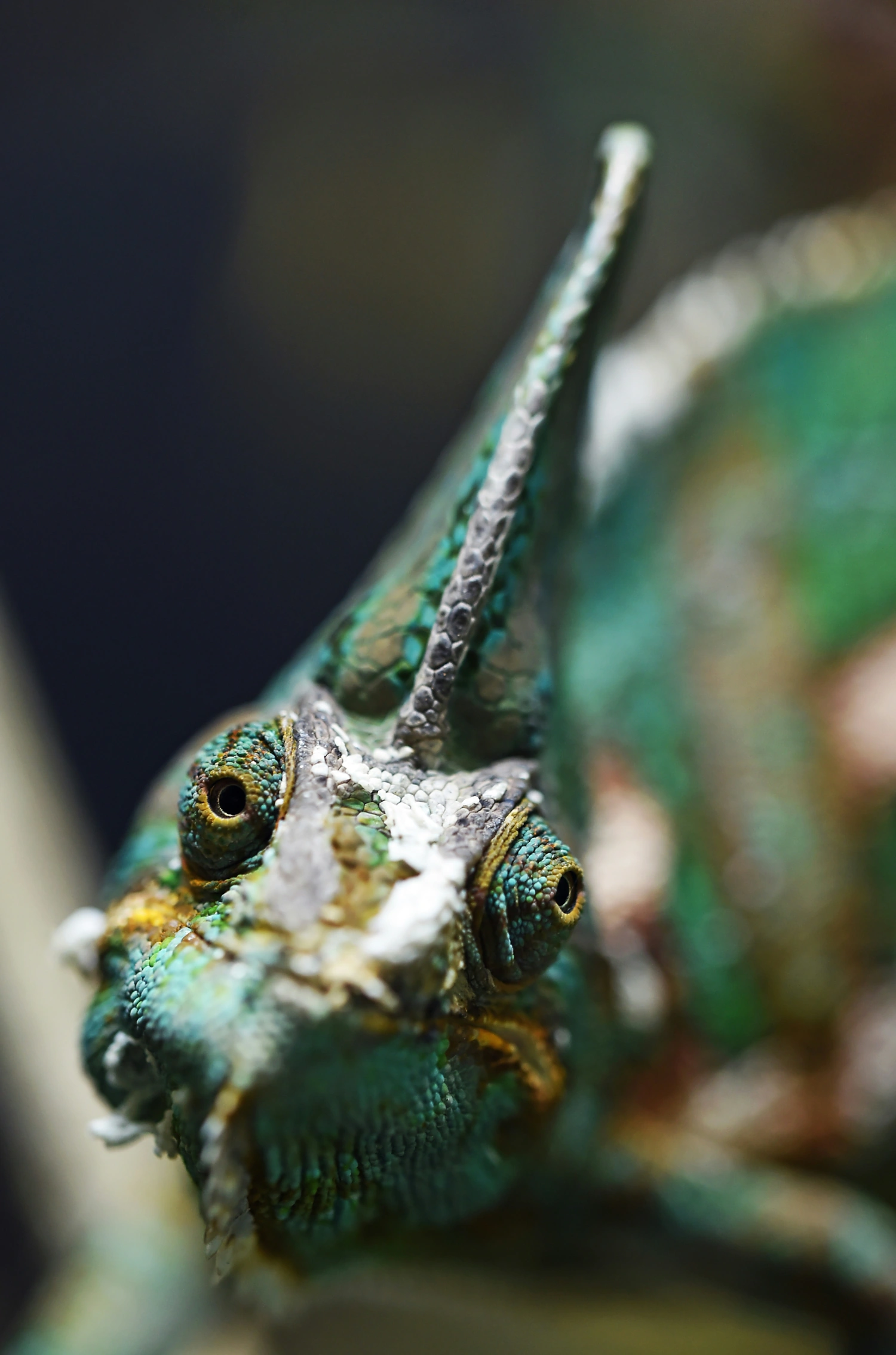
Their eyes converge only when they are ready to capture their prey, favoring three-dimensional vision that allows them to judge distances.
Its tongue is projected by an accelerator muscle that contracts before releasing like a spring toward its prey, and another muscle acts to retract it. A sticky sucker at the tip of its tongue allows it to stun and catch prey weighing more than a third of its own weight. The power of its jaws would be five times greater than that of a Tyrannosaurus if it were the same size as the dinosaur.
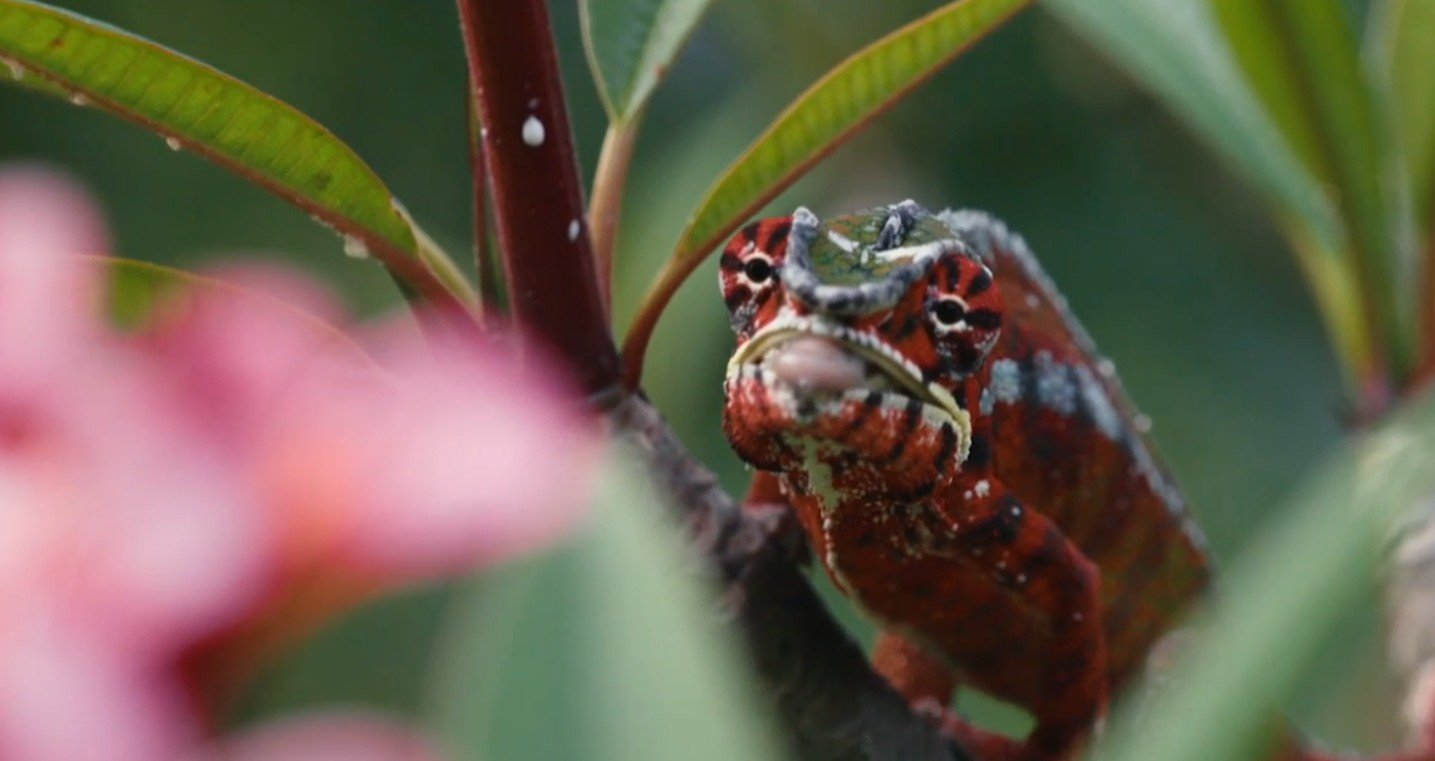
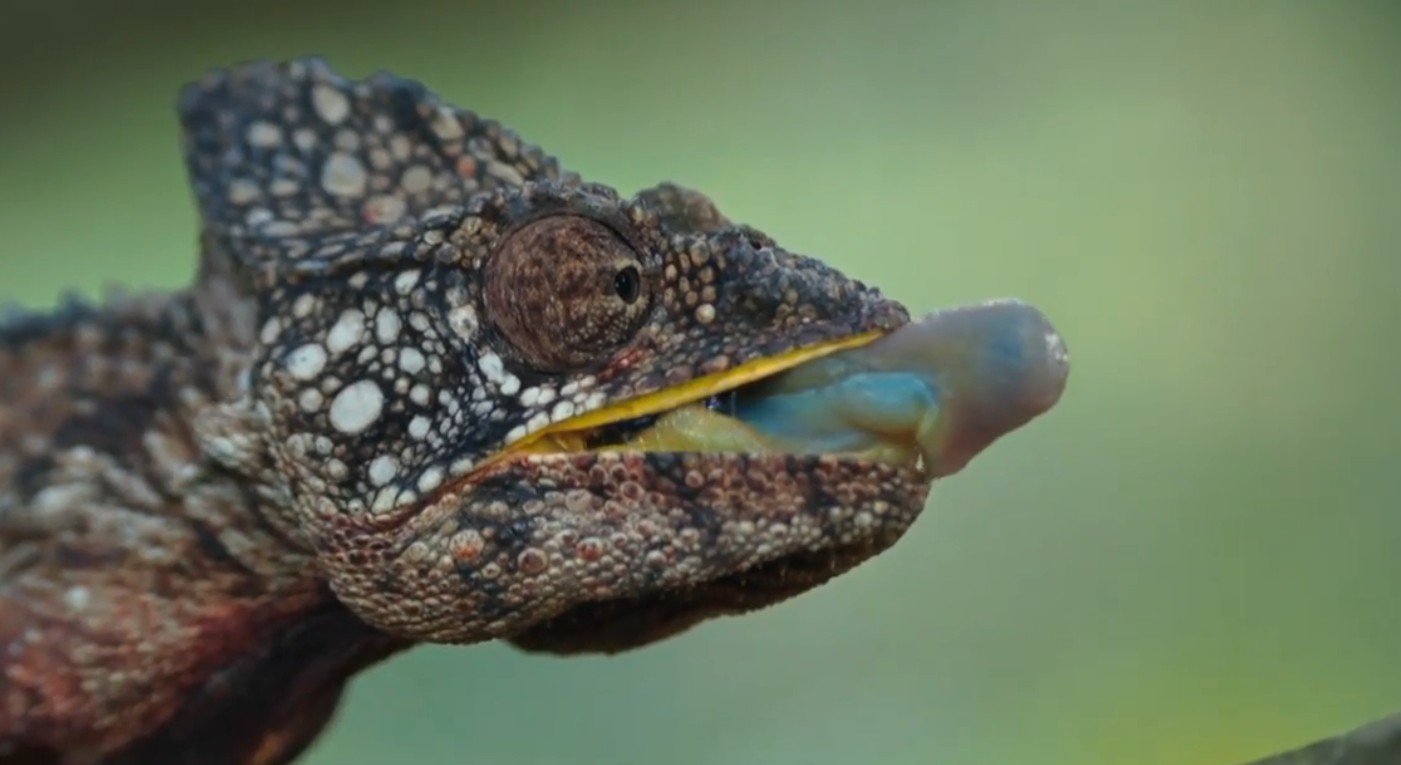
Its tongue, which measures up to two and a half times its body length, is unmatched in the animal world. The chameleon can shoot out its tongue at a speed of 100 km/h in one hundredth of a second. No prey can escape the chameleon’s hunting tool.
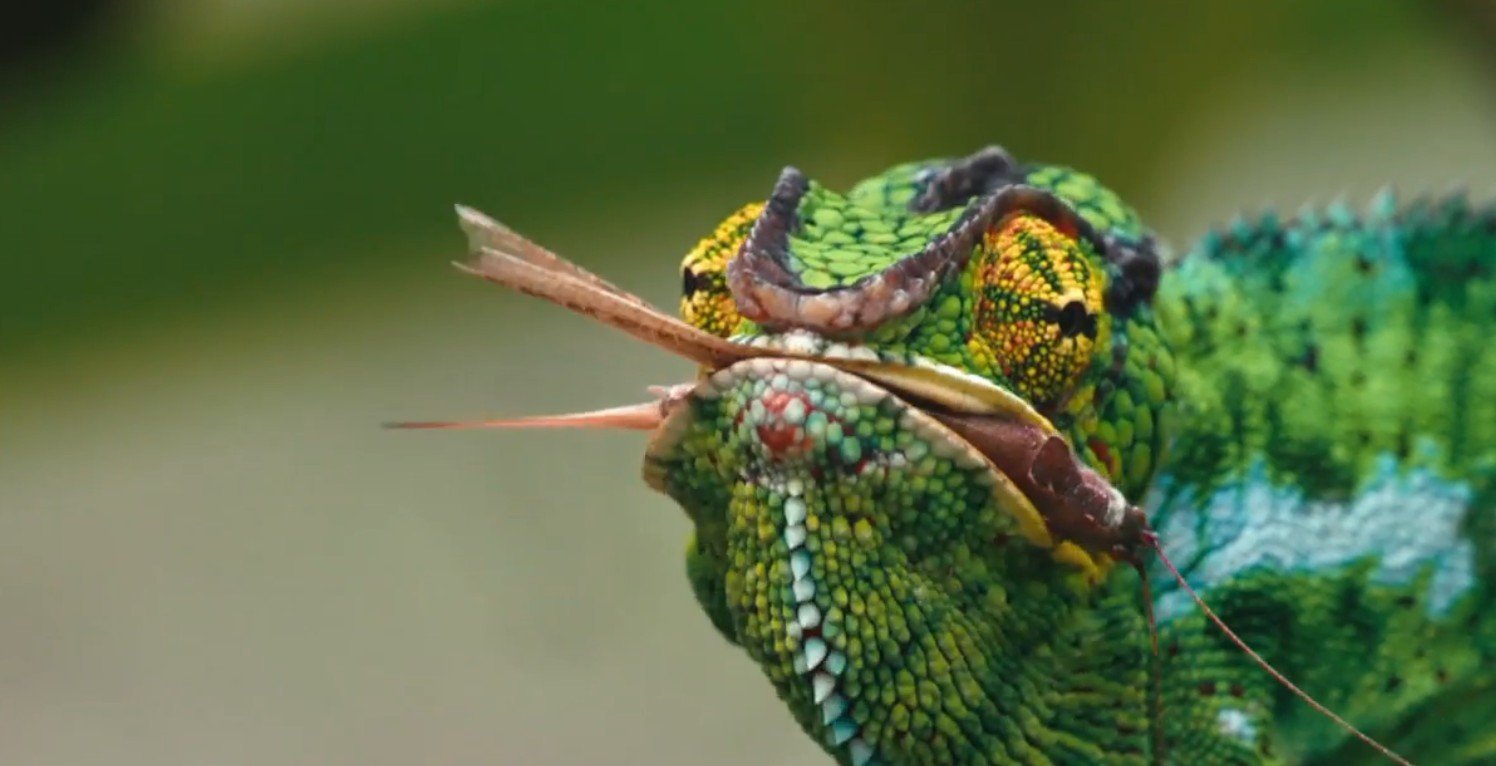
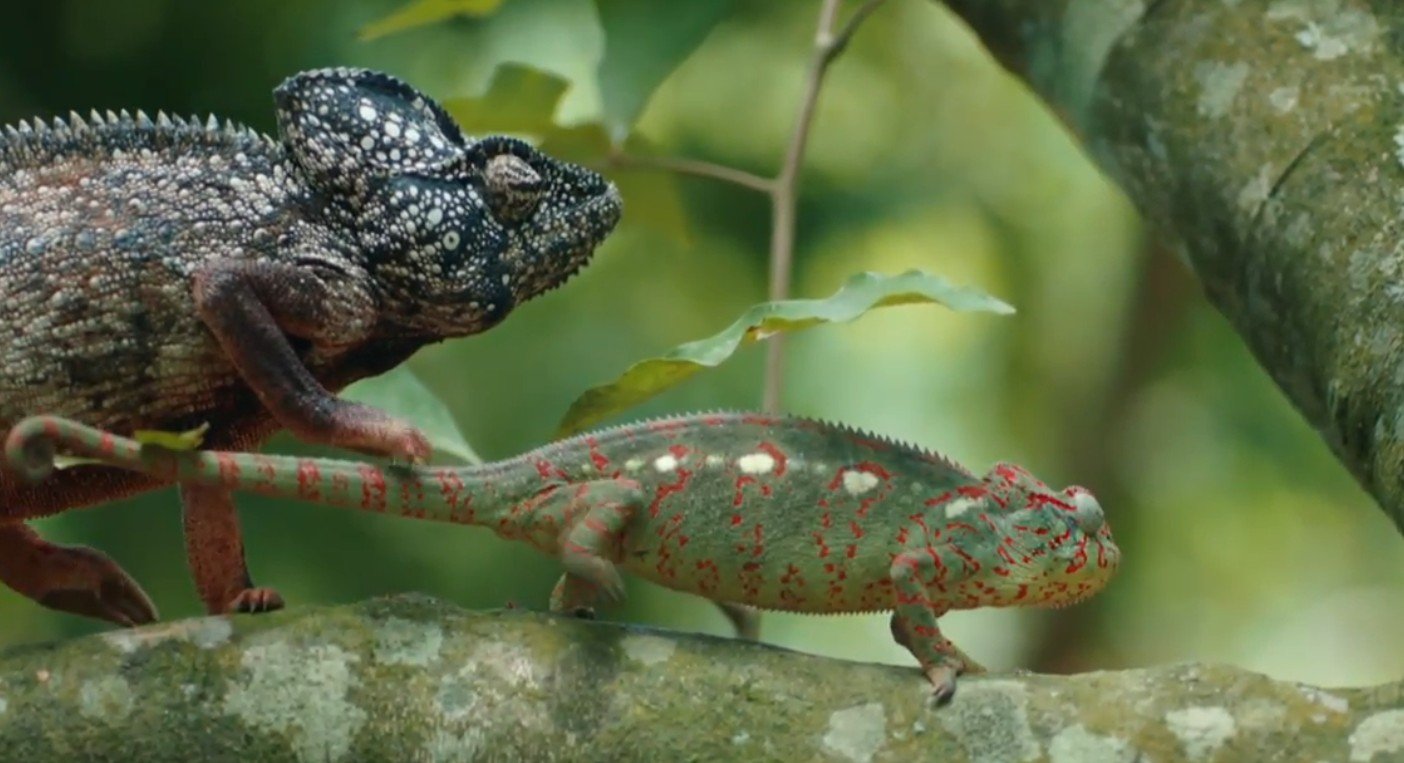
What sets chameleons apart is obviously their ability to change color at will, a phenomenon known as homochromia. This metamorphosis allows them to express their moods in order to communicate their emotions to each other that is often the case during the breeding season, while also enabling them to regulate their body temperature, rather than camouflaging themselves as is commonly believed.
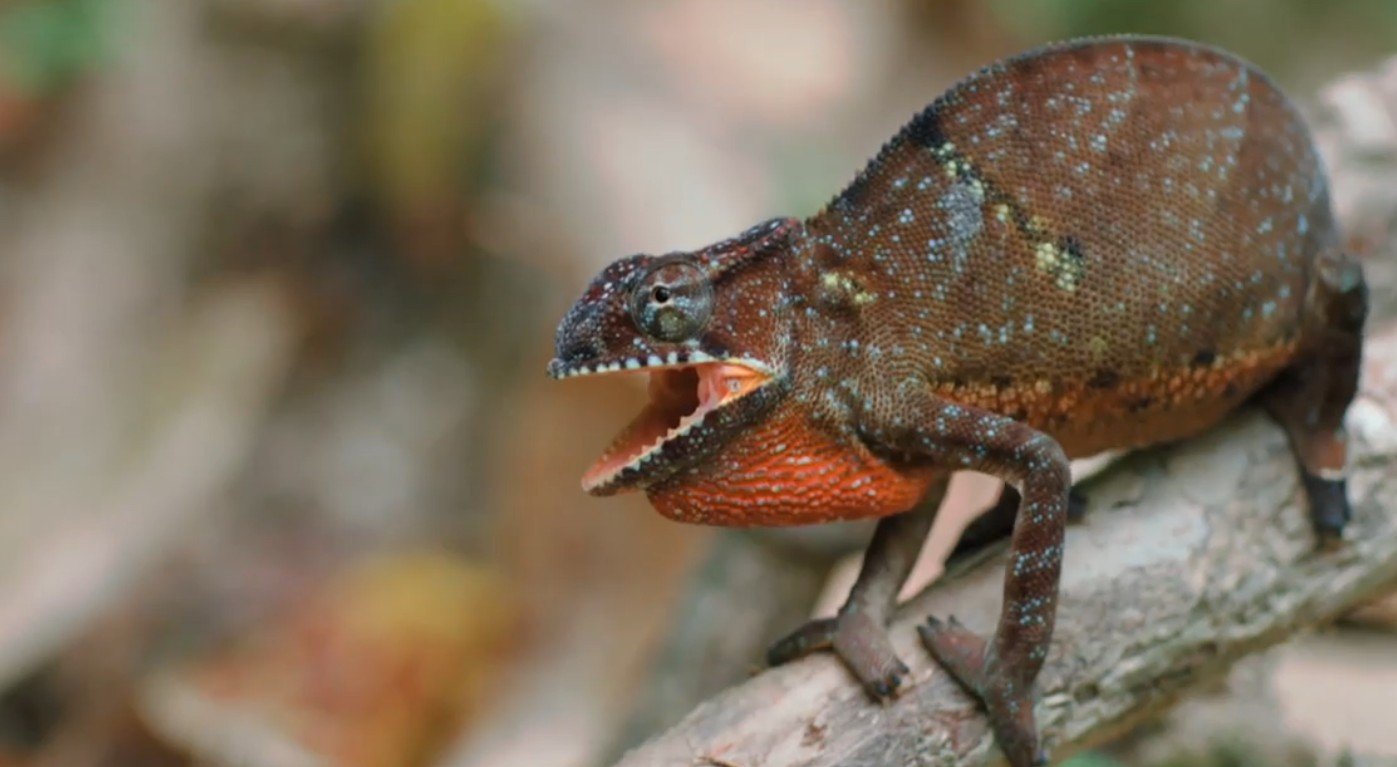
During clashes between males, stress and excitement can cause changes in the distribution of pigment cells in their epidermis, creating instant color changes. The body flattens and the throat triples in volume, putting on its combat gear. After mating, the female regains her colors, which continue to intensify to signal that she is pregnant. However, a pregnant female may fiercely attack a male who attempts to mate with her anyway, as this could disrupt the development of her embryos. Most chameleons are oviparous and will therefore seek out their burrows to lay their eggs.
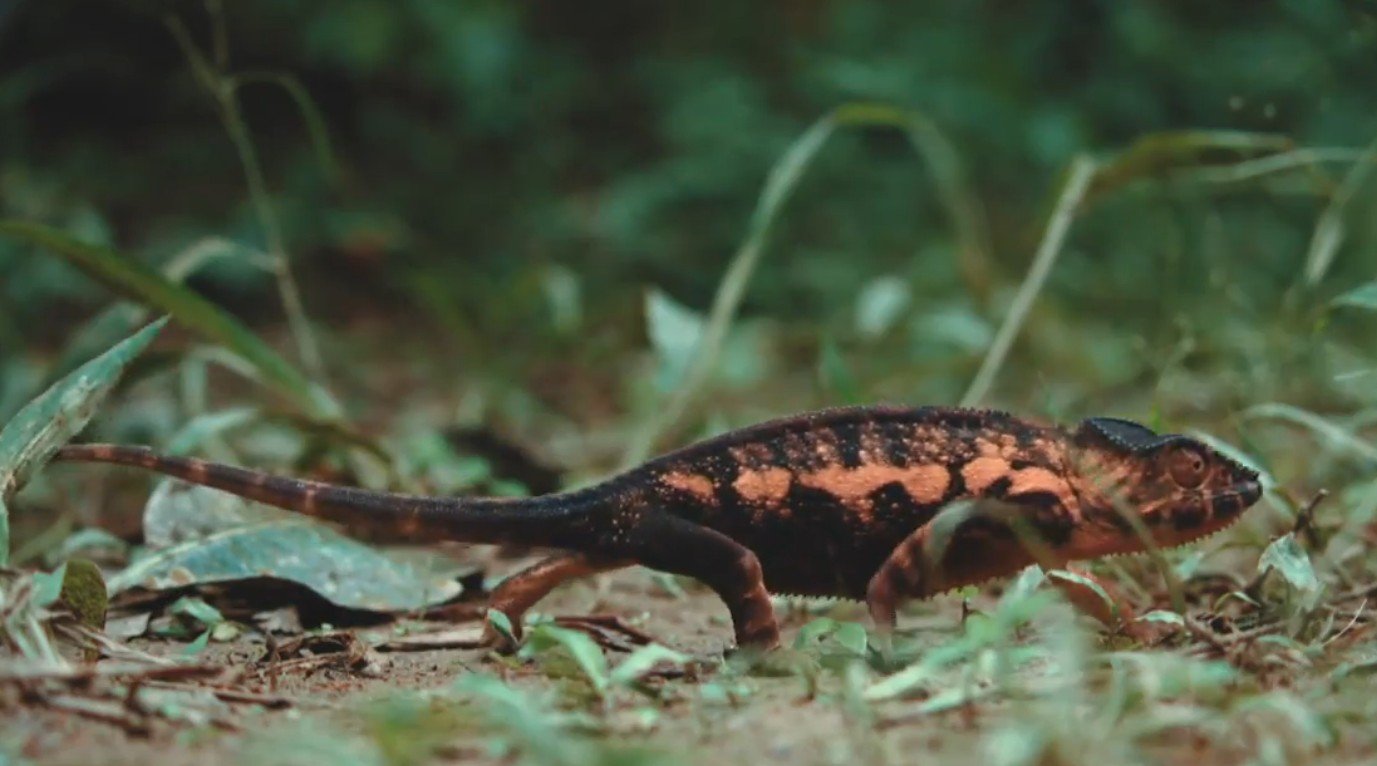
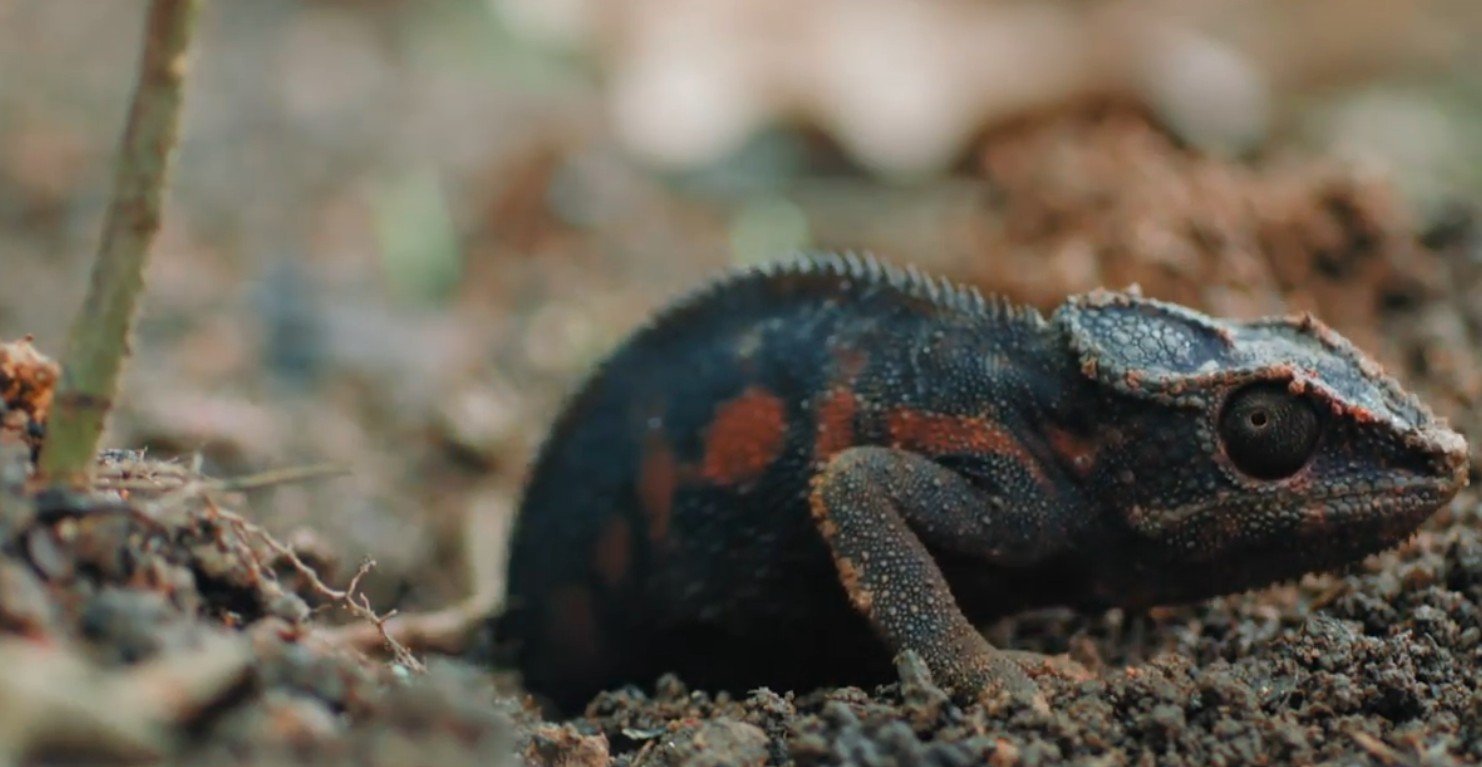
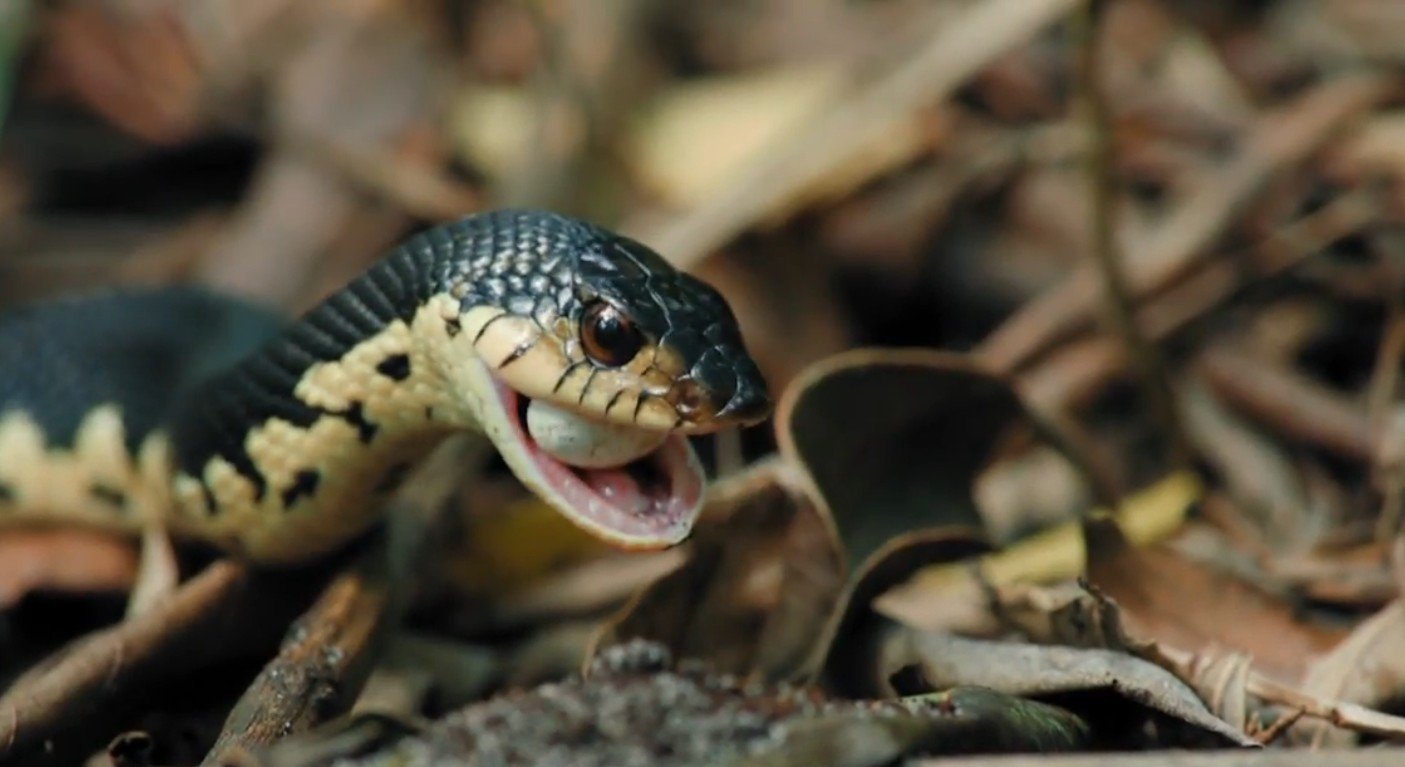
In Madagascar, snakes like the Malagasy Giant Hognose Snake (Leioheterodon madagascariensis) and Pseudoxyrhopus ambreensis, along with certain birds (ground rollers, raptors) and even ants, prey on chameleon eggs, often burrowing to find buried clutches and slit them open to eat the yolk, making underground nests vulnerable to these opportunistic predators.
When exploring Madagascar, there are several notable parks and reserves that offer excellent opportunities for observing these remarkable reptiles in their natural habitats. For instance, Andasibe-Mantadia National Park is a popular destination for chameleon enthusiasts. Here, visitors can spot various species, including the large Parson’s chameleon and the smaller Nose-horned chameleon. Additionally, the Amber Mountain National Park is known for its lush forests and vibrant wildlife, where the exquisite behavior of chameleons can be observed first-hand. Chameleons can climb to altitudes of up to 4,000 meters.
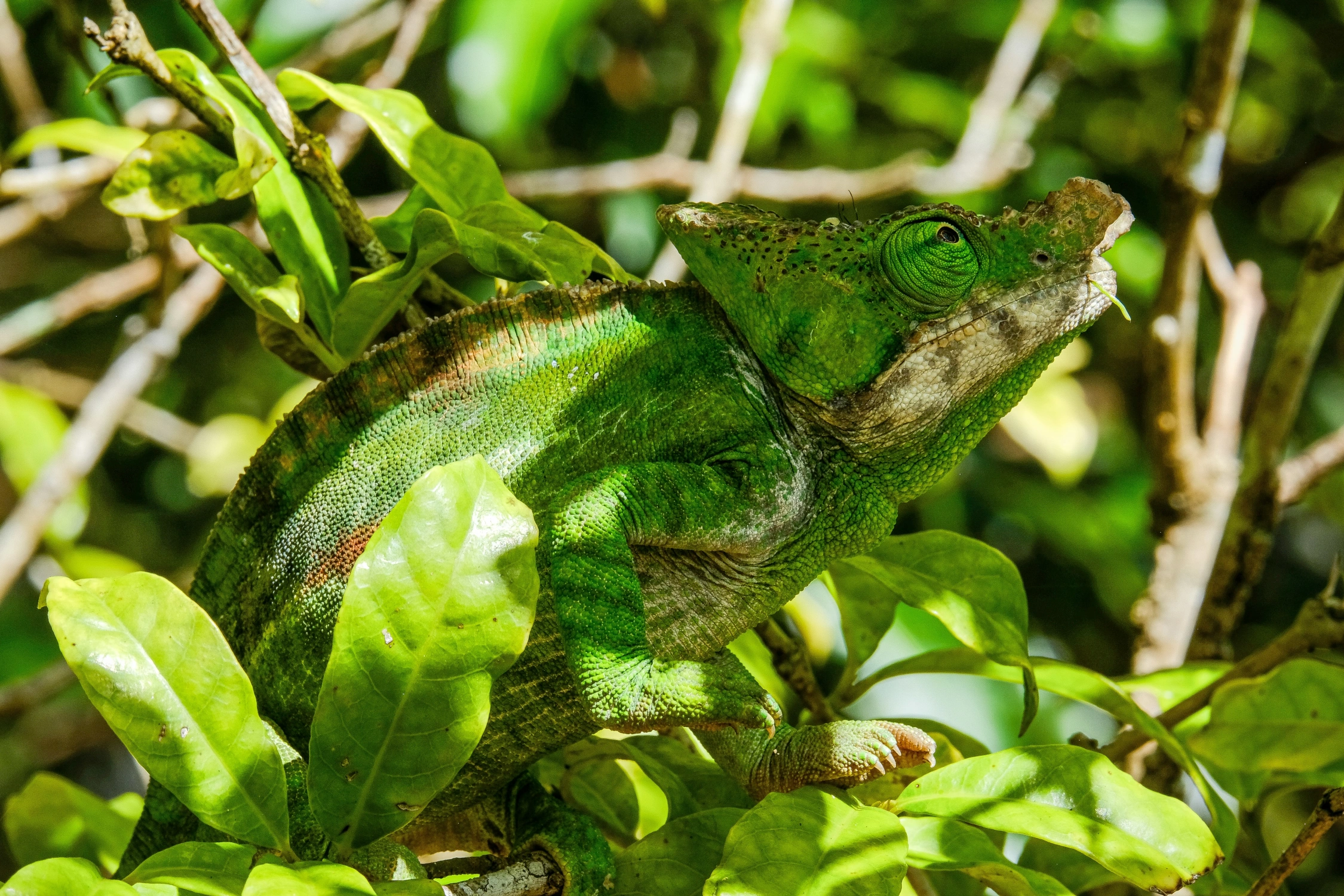
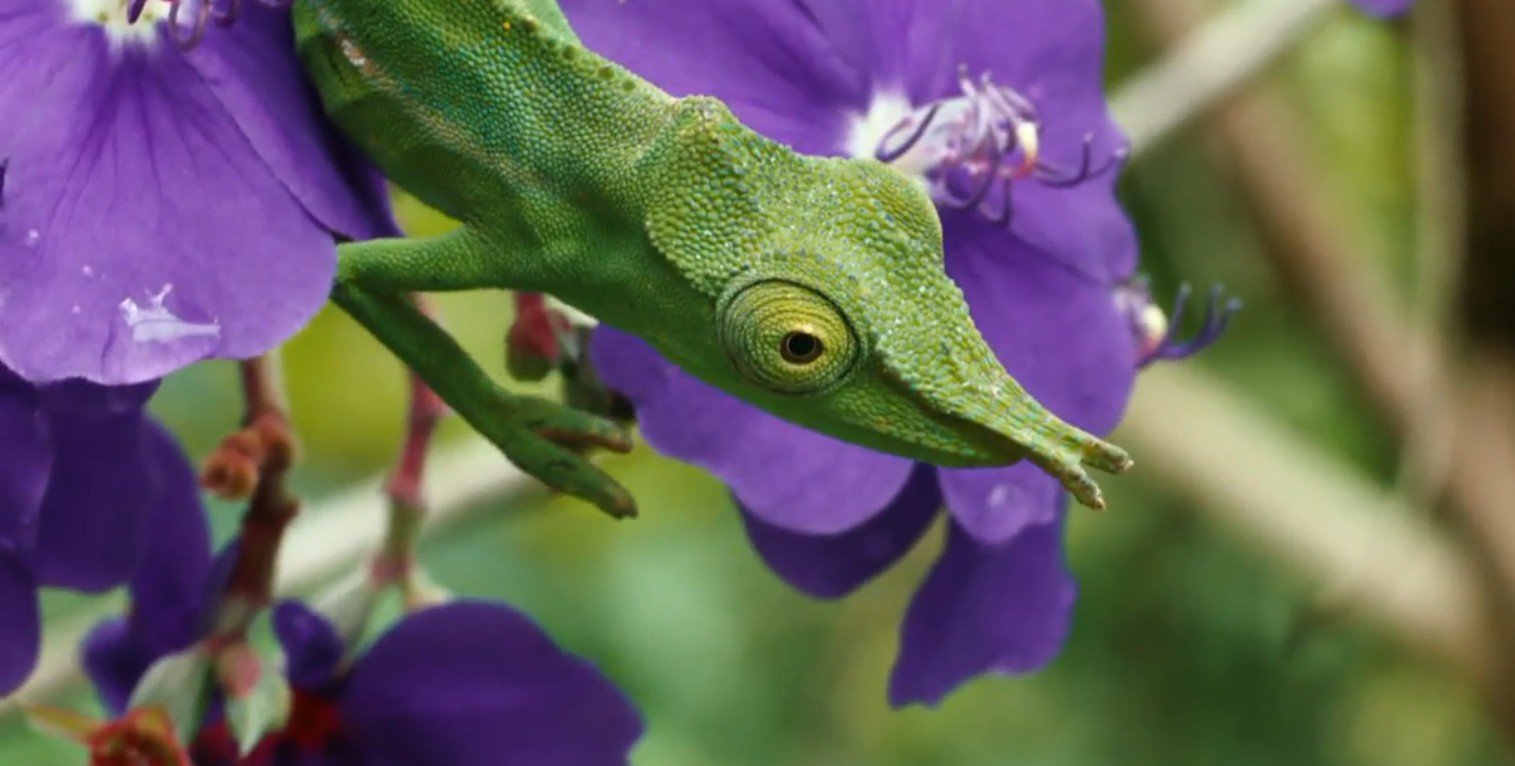
Other essential locations include the Ankarafantsika National Park and the Kirindy Forest, both of which provide unique ecosystems that are home to several chameleon species. Observing these extraordinary creatures in the wild not only offers a glimpse into their lives but also highlights the importance of conservation efforts to protect their habitats from environmental threats.
Top Activities to Experience in Madagascar
Madagascar is a unique destination that offers an array of activities catering to both adventure seekers and relaxation enthusiasts. For nature lovers, hiking in the numerous national parks is a must. Andasibe-Mantadia National Park, for instance, is famous for its diverse wildlife, including the indri lemur, and boasts beautiful, lush landscapes. Hikers can enjoy well-maintained trails while immersing themselves in the island’s stunning biodiversity, a hallmark of Madagascar’s environment.
Another exhilarating activity is exploring the Tsingy de Bemaraha National Park, a UNESCO World Heritage site. Known for its dramatic limestone formations, the park offers thrilling treks and opportunities for climbing and trekking. The iconic “Tsingy” formations create a surreal landscape that challenges climbers and rewards them with breathtaking views from the heights. Such adventures provide an unforgettable experience while appreciating the island’s distinct geologic features.
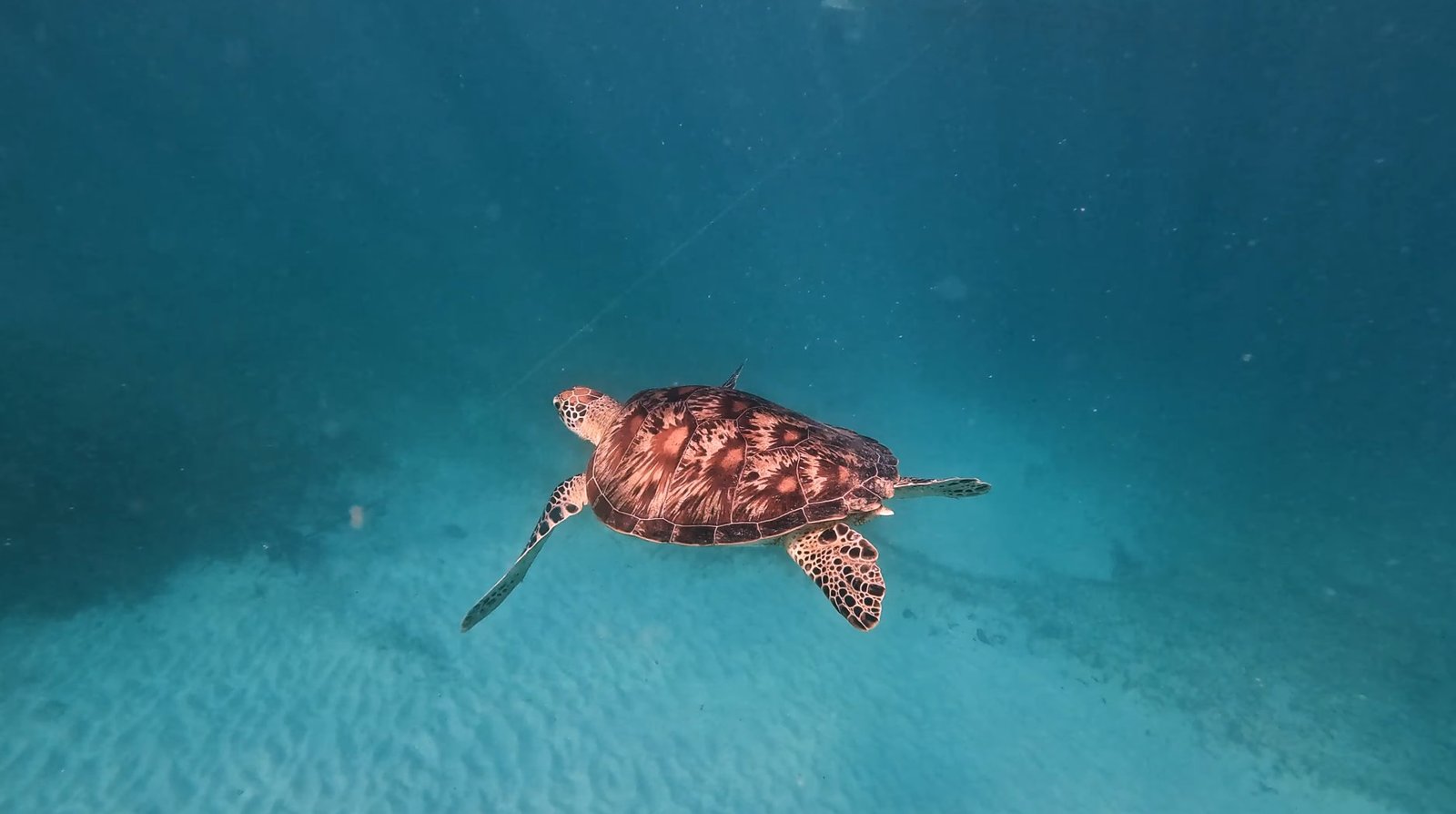
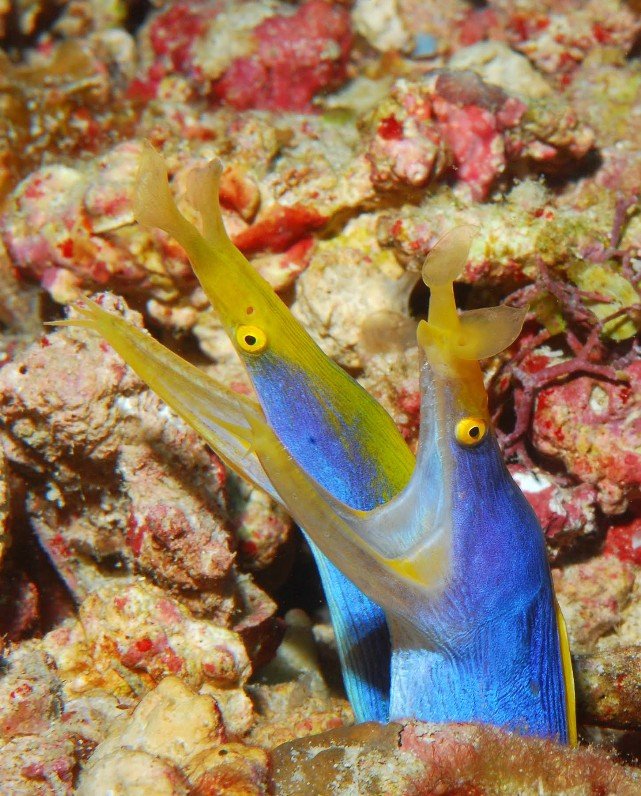
For those who prefer a more leisurely pace, Nosy Be Parc and Reserve that regroup several islands like Komba, Tanikely and the biggest one Nosy Be with the pristine beaches promise relaxation. These idyllic coastal spots are perfect for sunbathing, swimming, and indulging in the slow-paced island life. Visitors can partake in snorkeling or diving to explore vibrant coral reefs teeming with rich marine life like sea turtle. The calm waters make these locations ideal for families wanting to enjoy a stress-free vacation.
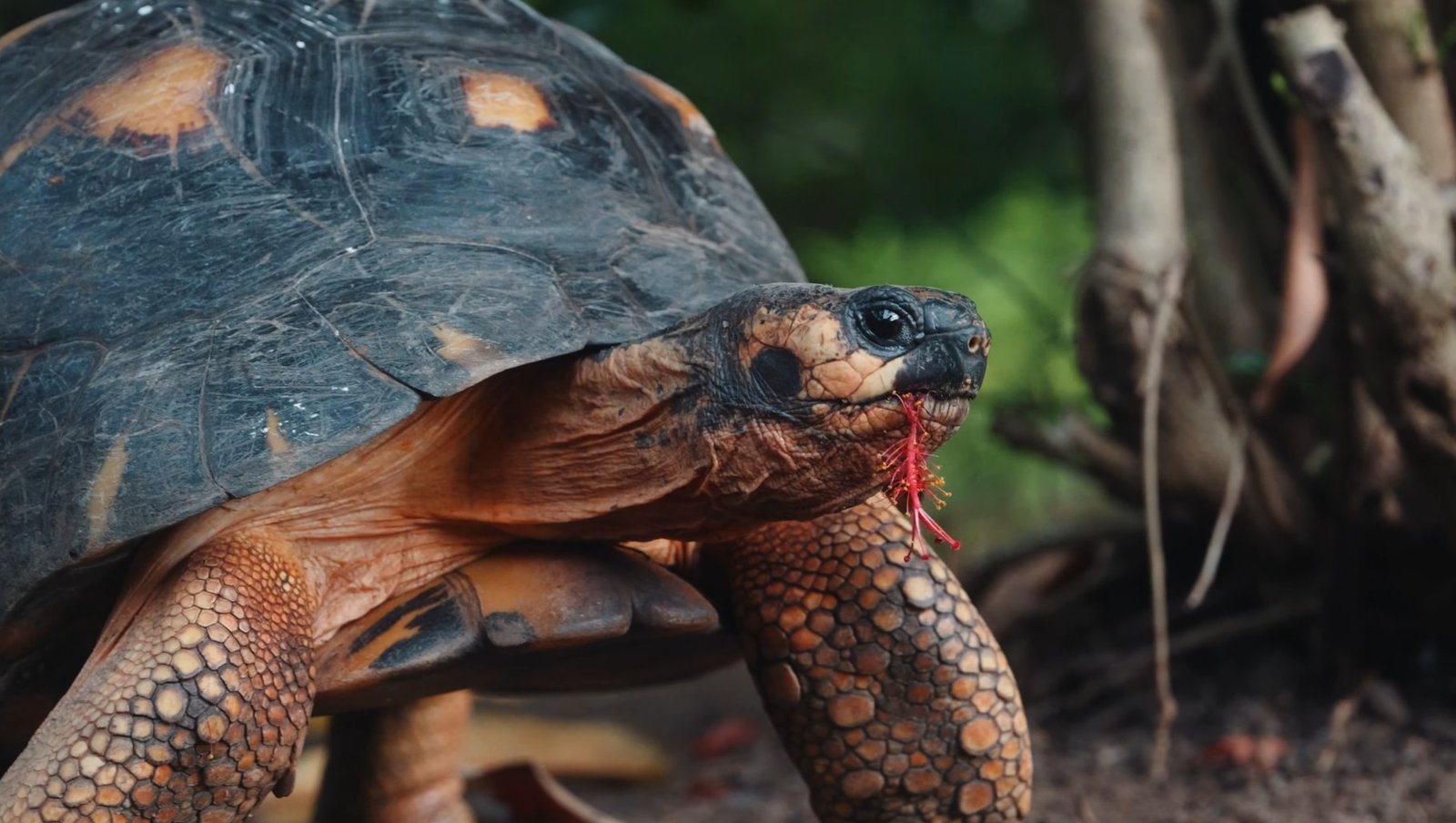
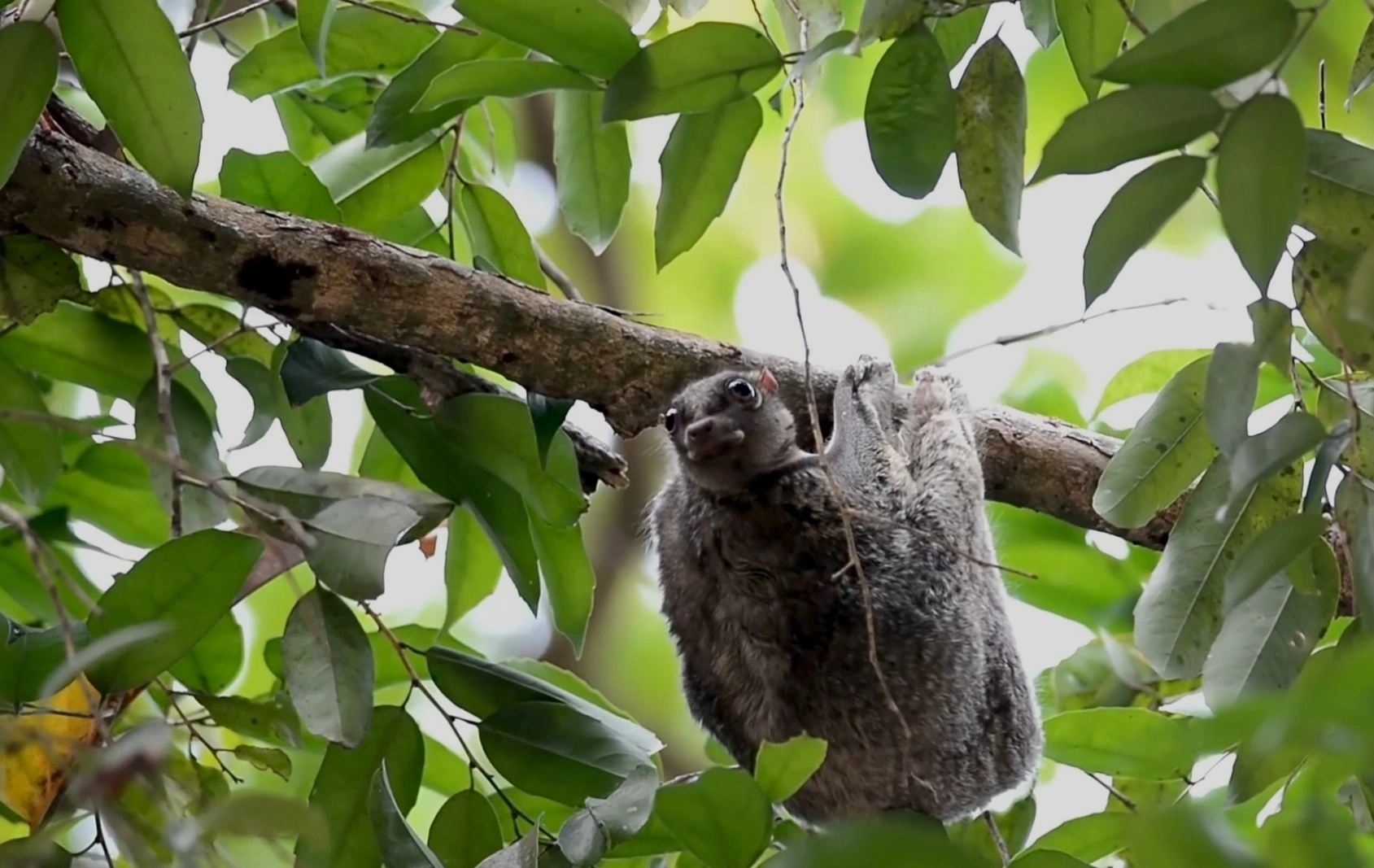
In addition, the island is home to the Lokobe Special Nature Reserve, where tourists are supervised in order to protect and preserve this natural area. Numerous species of lemurs, birds, and lizards are essential to maintaining the ecological balance of this reserve. Park management requires visitors to be accompanied by a local guide, which guarantees them an enriching educational experience and allows them to observe wildlife up close in its natural habitat, while minimizing human impact on the ecological system.
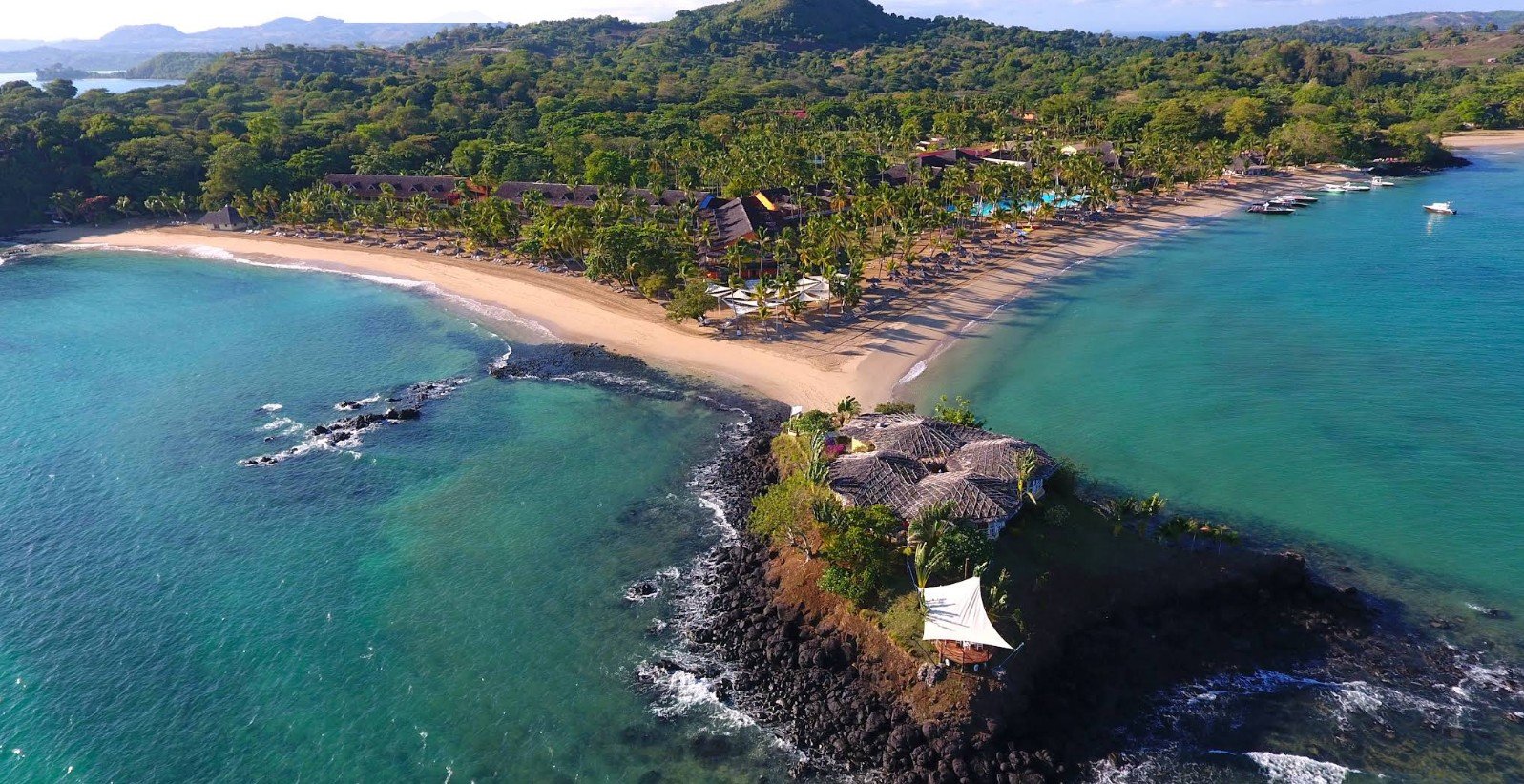
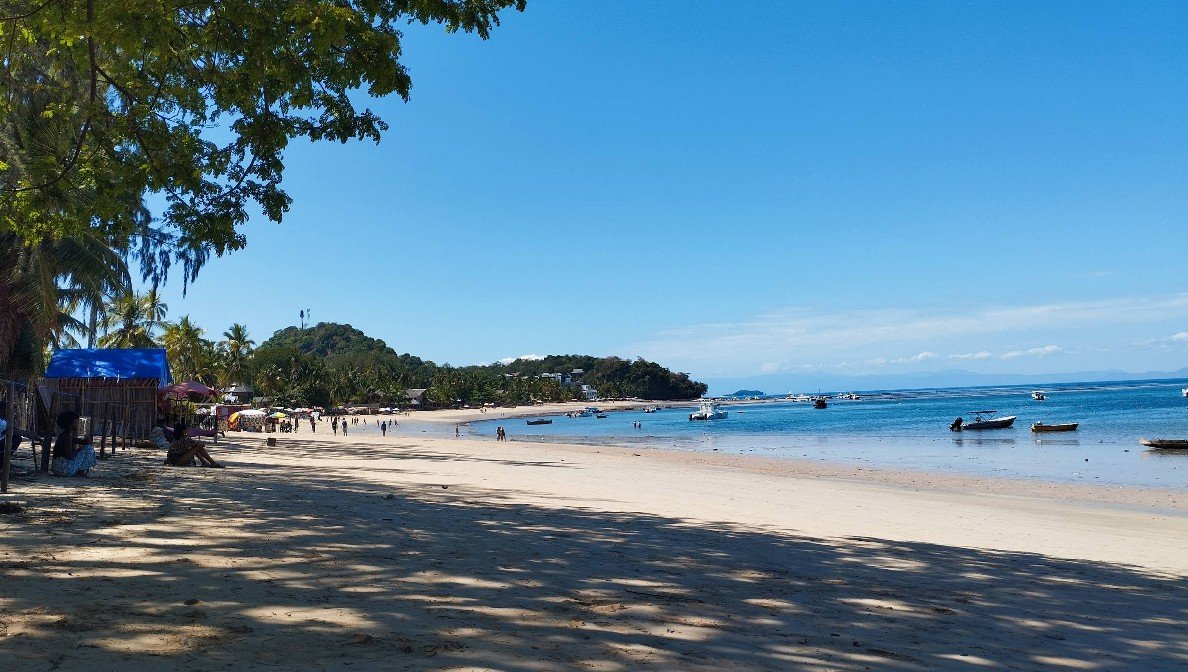
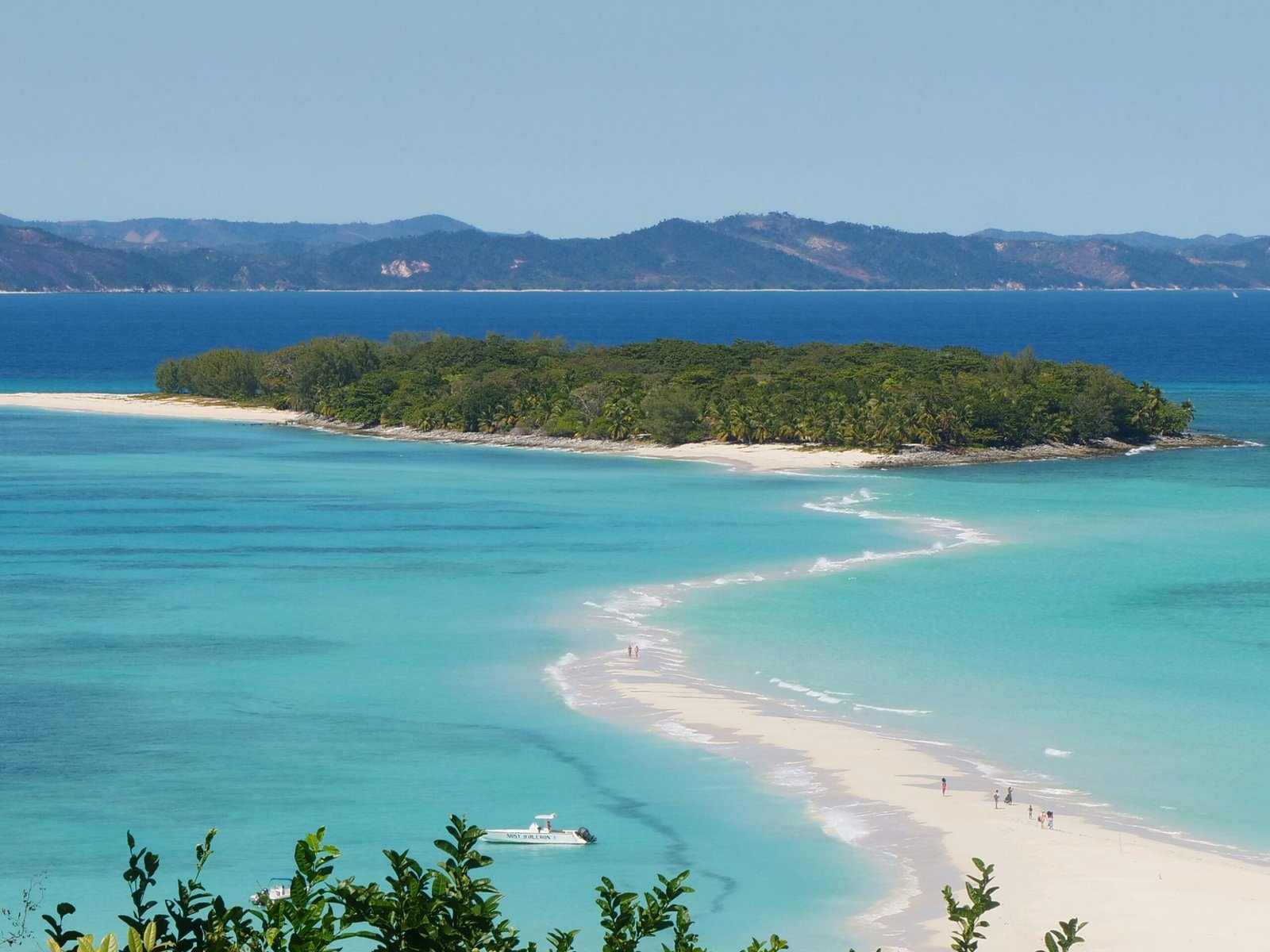
Additionally, cultural immersion can enhance the travel experience. Engaging in local cooking classes or visiting traditional markets provides valuable insights into Malagasy culture. Travelers can sample unique dishes featuring local ingredients, giving them a taste of the island’s culinary richness. With options ranging from adventurous outings to relaxing beach days, Madagascar presents a diverse spectrum of activities that cater to all types of travelers, promising an unforgettable journey through this enchanting paradise.
Lokobe Reserve
Cultural Insights and Local Experiences
Madagascar is renowned for its rich cultural heritage, a vibrant tapestry woven from diverse influences, both indigenous and colonial. Engaging with the local culture is essential for any traveler wishing to understand the Malagasy way of life. A respectful approach to tourism not only enhances personal experiences but also contributes positively to local communities. Understanding the customs and traditions of Madagascar is the first step towards meaningful interaction.
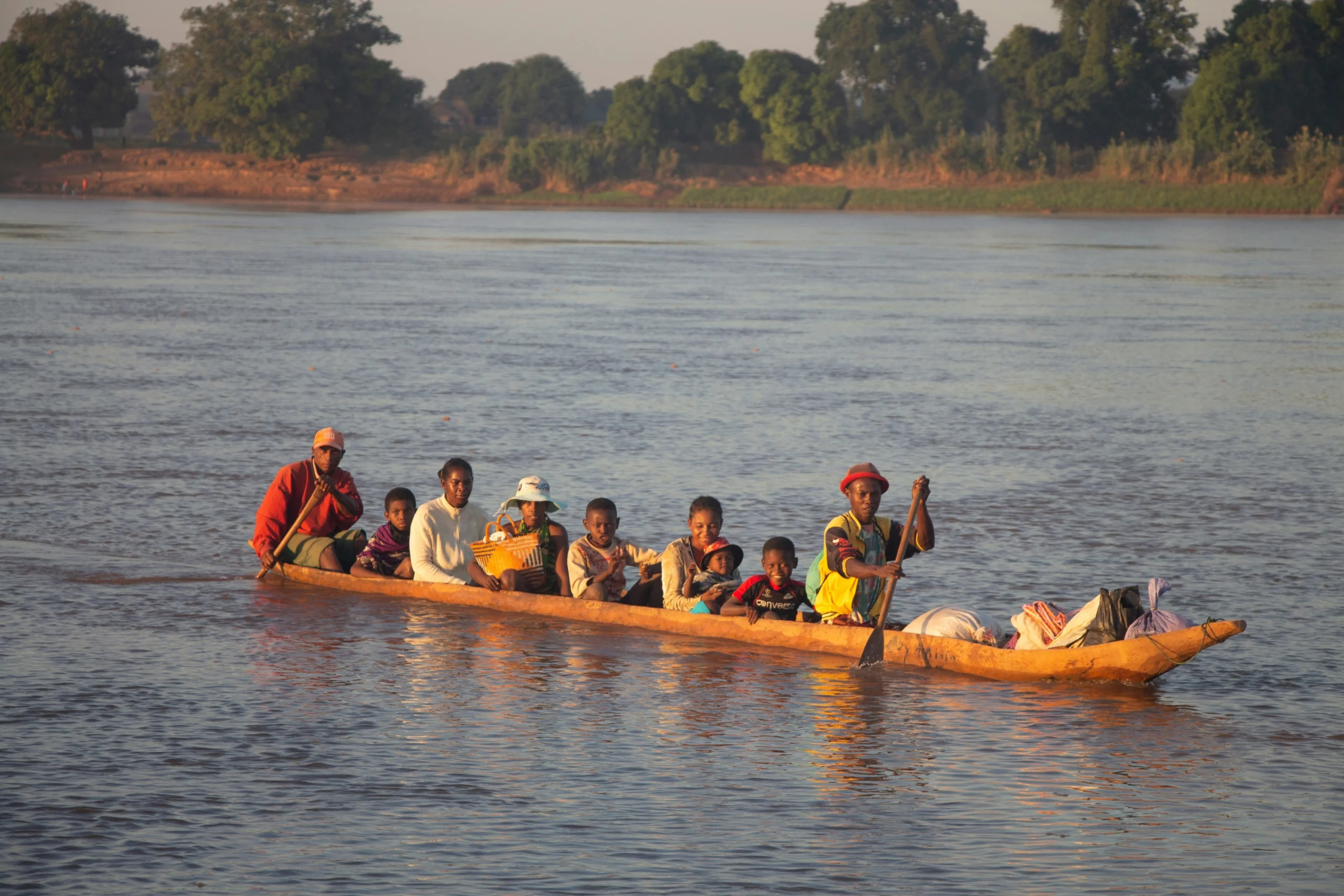
The Malagasy people are known for their warm hospitality. Visitors are often welcomed into family homes, where they can experience traditional meals featuring rice, zebu, and an array of local vegetables. Food offers a window into cultural practices, as many dishes are steeped in history and prepared with love. Participating in communal dining or learning how to cook traditional meals can create unforgettable memories and foster bonds with the locals.
Art and craft in Madagascar are another avenue through which one can engage with the local culture. From intricate wood carvings to vibrant textiles, the artistry reflects various regional influences and traditional beliefs. Visiting local markets provides an opportunity not only to purchase souvenirs but also to meet artisans passionate about their craft. It is advisable to ask questions and seek insights about the cultural significance of these art forms, thus ensuring a deeper appreciation of their work.
Additionally, participating in local festivals or ceremonies is a profound way to immerse oneself in Malagasy traditions. Events like the ‘Famadihana’, or turning of the bones, highlight the deep-seated reverence for ancestors in Malagasy society. Travelers are encouraged to observe respectfully and, where appropriate, engage in the celebrations. By embracing these cultural experiences, visitors to Madagascar can enjoy a richer, more authentic journey, fostering mutual respect and understanding between cultures.
Conclusion and Travel Tips
In summary, Madagascar is a unique island nation that boasts an extraordinary array of biodiversity, cultures, and landscapes. From the towering baobab trees and lush national parks to the pristine beaches and vibrant local markets, every corner of this paradise offers travelers a new experience. As we have discussed, planning a trip to Madagascar requires consideration of various aspects, including health precautions and transportation options.
When visiting Madagascar, it is essential to prioritize health and safety. Travelers should consult with a healthcare professional before their journey to discuss any necessary vaccinations or preventive medications, particularly for diseases such as malaria. Additionally, carrying a basic first aid kit and practicing safe food and water consumption can help minimize health risks during your travels.
Local transportation in Madagascar can be a bit of a challenge due to the condition of the roads and the limited public transport system. It is advisable to hire a local guide who can provide insights into navigating the terrain. Options for transportation include renting a 4×4 vehicle for those who prefer flexibility or utilizing taxi-brousse, which are shared minibuses that serve as the primary means of long-distance travel. Understanding these options will facilitate smoother movement across various regions and attractions.
Lastly, immersing yourself in the local culture is fundamental to a fulfilling experience. Learning a few basic phrases in Malagasy can go a long way in building rapport with the locals. Also, consider participating in community-led tours that support sustainable tourism initiatives, contributing to the preservation of this breathtaking island while engaging with its rich heritage.
By keeping these essential travel tips in mind, visitors to Madagascar can effectively enhance their journey and ensure a memorable experience in this captivating destination.