How Biodiversity Enhances Quality of Life in Urban Areas
Read time:

In the heart of New York Harbor, something remarkable is happening beneath the surface of the water. Billions of tiny creatures are working around the clock to clear a path for marine life to return to waters that were, just decades ago, considered biologically dead. On the rooftops of Singapore, layers of soil and vegetation are turning concrete jungles into thriving ecosystems. In London and San Francisco, green corridors are stitching fragmented habitats back together, thread by thread.
These are not isolated experiments. They represent a fundamental shift in how we think about cities—and how cities think about nature. Urban biodiversity is no longer a fringe concept discussed only by ecologists in academic journals. It is rapidly becoming a cornerstone of modern urban planning, public health strategy, and environmental stewardship.
For the millions of people living in large cities around the world, the connection between nature and quality of life is more than philosophical. It is measurable. It is urgent. And it is achievable.
This article explores the critical role biodiversity plays in urban environments, examines successful initiatives from New York to Singapore, and provides actionable insights for cities, communities, and individuals who want to bring nature back into the places where most people live, work, and raise their families.
The Urgent Need for Urban Biodiversity
Cities are home to more than 55% of the world’s population, a figure that continues to climb. As urban footprints expand, natural habitats are compressed, fragmented, or eliminated entirely. The consequences extend far beyond the loss of wildlife. When cities strip away nature, they also strip away the essential ecosystem services that sustain human life—clean air, water filtration, temperature regulation, and mental well-being.
The urgency is real. Air pollution alone contributes to approximately 7 million deaths globally each year, according to the World Health Organization. Urban heat islands, created by dense concentrations of concrete and asphalt, can make cities several degrees warmer than surrounding rural areas, driving up energy consumption and heat-related illness. The loss of green spaces has been linked to increased rates of anxiety, depression, and cardiovascular disease among city dwellers.
But the tide is turning. City planners, environmental scientists, and community advocates are discovering that integrating nature into urban environments is not a luxury—it is a necessity. The strategies being implemented today range from massive infrastructure projects to simple, citizen-driven initiatives. Together, they are redefining what a city can be.
Oysters: Nature’s Water Purifiers in Urban Waters
Few creatures on Earth offer as much ecological value per square inch as the humble oyster. These bivalve mollusks are, essentially, living water filtration systems. A single adult oyster can filter up to 50 gallons of water per day, removing excess nutrients, sediment, and pollutants from the water column through its filter-feeding activity.
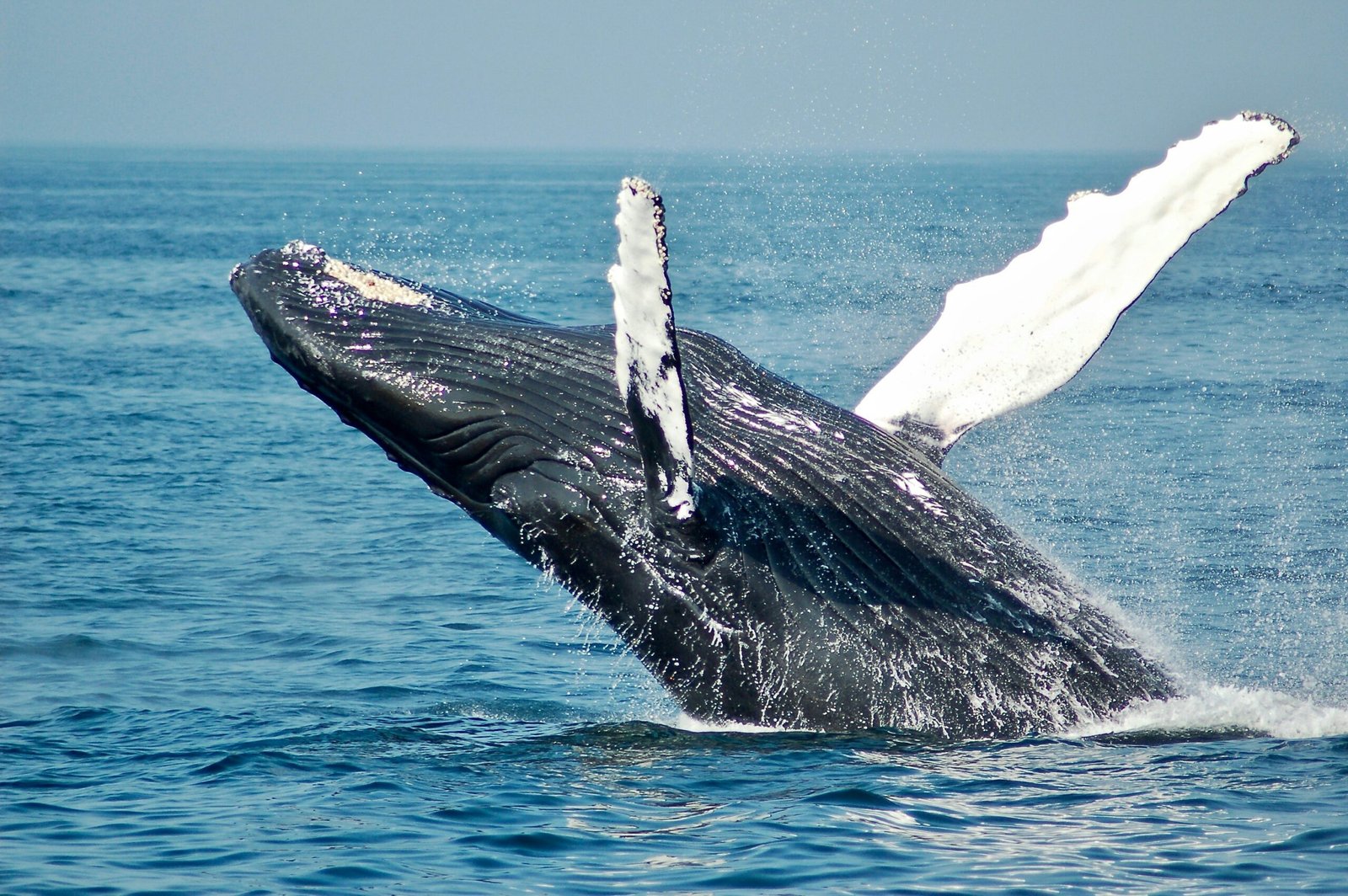
This process does more than just clear the water. When oyster populations thrive, they create the conditions for entire food webs to rebuild themselves. Clearer water allows sunlight to reach submerged aquatic vegetation, which provides habitat and nutrition for fish, crustaceans, and shorebirds. The return of these species, in turn, attracts apex predators. In New York Harbor, as oyster populations have increased through restoration efforts, the resurgence of marine species—including whales and dolphins—has been documented by researchers, a remarkable testament to the cascading benefits of restoring a single keystone species.
The Billion Oyster Project in New York
One of the most ambitious urban biodiversity initiatives in the world is the Billion Oyster Project in New York Harbor. Launched in 2014, this collaborative effort aims to restore one billion live oysters to the harbor by 2035, while simultaneously rebuilding the oyster reef habitats that serve as critical infrastructure for the entire marine ecosystem.
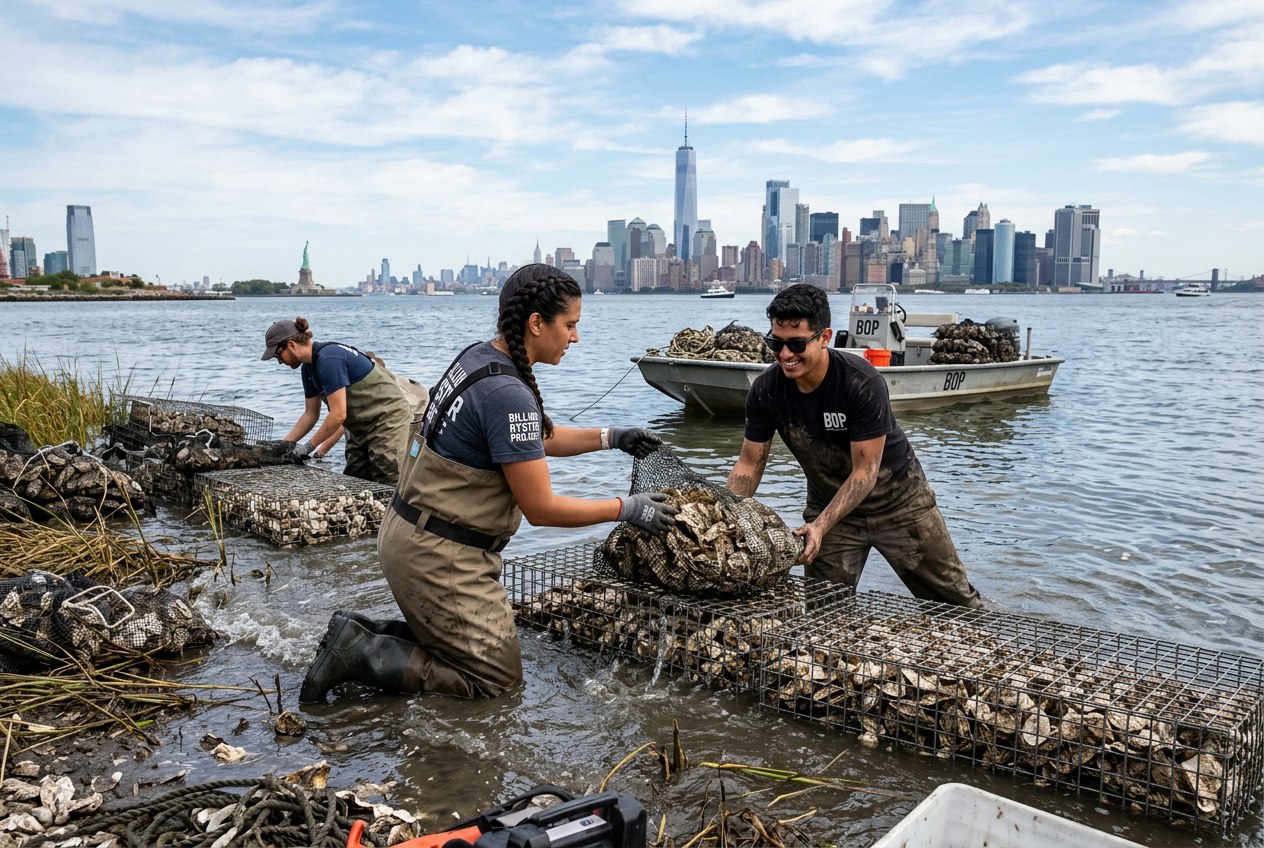
The project is remarkable not only for its scale but for its integration of ecological restoration with community engagement. Volunteers across the city participate in growing oyster spat, monitoring water quality, and installing reef structures. Schools incorporate oyster restoration into STEM curricula, giving the next generation of New Yorkers a hands-on connection to their local marine environment.
The benefits extend well beyond biology. Oyster reefs act as natural storm barriers, absorbing wave energy and reducing coastal erosion—a critical advantage for a city as vulnerable to climate-related flooding as New York. The project’s success demonstrates that environmental restoration and urban resilience can, and should, go hand in hand.
How Oysters Filter Water
Understanding the mechanics of oyster filtration makes it easy to see why these creatures are so valuable to urban waters. Oysters draw water in through their gills, where tiny hair-like structures called cilia trap suspended particles, including algae, bacteria, and excess nitrogen and phosphorus. The oyster consumes some of this material and excretes the rest as pseudofeces, which settles on the seafloor and is incorporated into the sediment.
This process addresses one of the most pervasive problems in urban coastal waters: nutrient pollution. When excess nitrogen and phosphorus from stormwater runoff and wastewater enter waterways, they fuel algal blooms that deplete oxygen and create dead zones. Oysters naturally counteract this eutrophication process, keeping water clear and oxygen-rich.
The habitat creation aspect is equally significant. Oysters do not live in isolation. They form dense reef structures that provide substrate, shelter, and breeding grounds for hundreds of other species. A single reef can support hundreds of different organisms, from worms and snails to fish and crabs. In this way, one species becomes the foundation for an entire community—a concept ecologists call a “foundation species.”
Vegetation on Buildings: A Breath of Fresh Air
For cities where horizontal space is at a premium, the vertical dimension offers extraordinary opportunities. The integration of vegetation into urban architecture—most notably through green roofs—has emerged as one of the most effective strategies for enhancing biodiversity and improving quality of life in densely populated areas.
A green roof is more than a garden planted on top of a building. It is a carefully engineered system, typically consisting of a waterproofing layer, a drainage layer, a growing medium (soil), and a carefully selected assembly of drought-tolerant plants. When deployed across a city at scale, green roofs deliver a remarkable range of benefits.
They reduce the urban heat island effect by absorbing sunlight rather than reflecting it back as radiant heat. They improve air quality by capturing particulate matter and producing oxygen. They manage stormwater by absorbing rainfall that would otherwise overwhelm drainage systems and carry pollutants into waterways. And, crucially, they create habitat.
Singapore’s Green Revolution
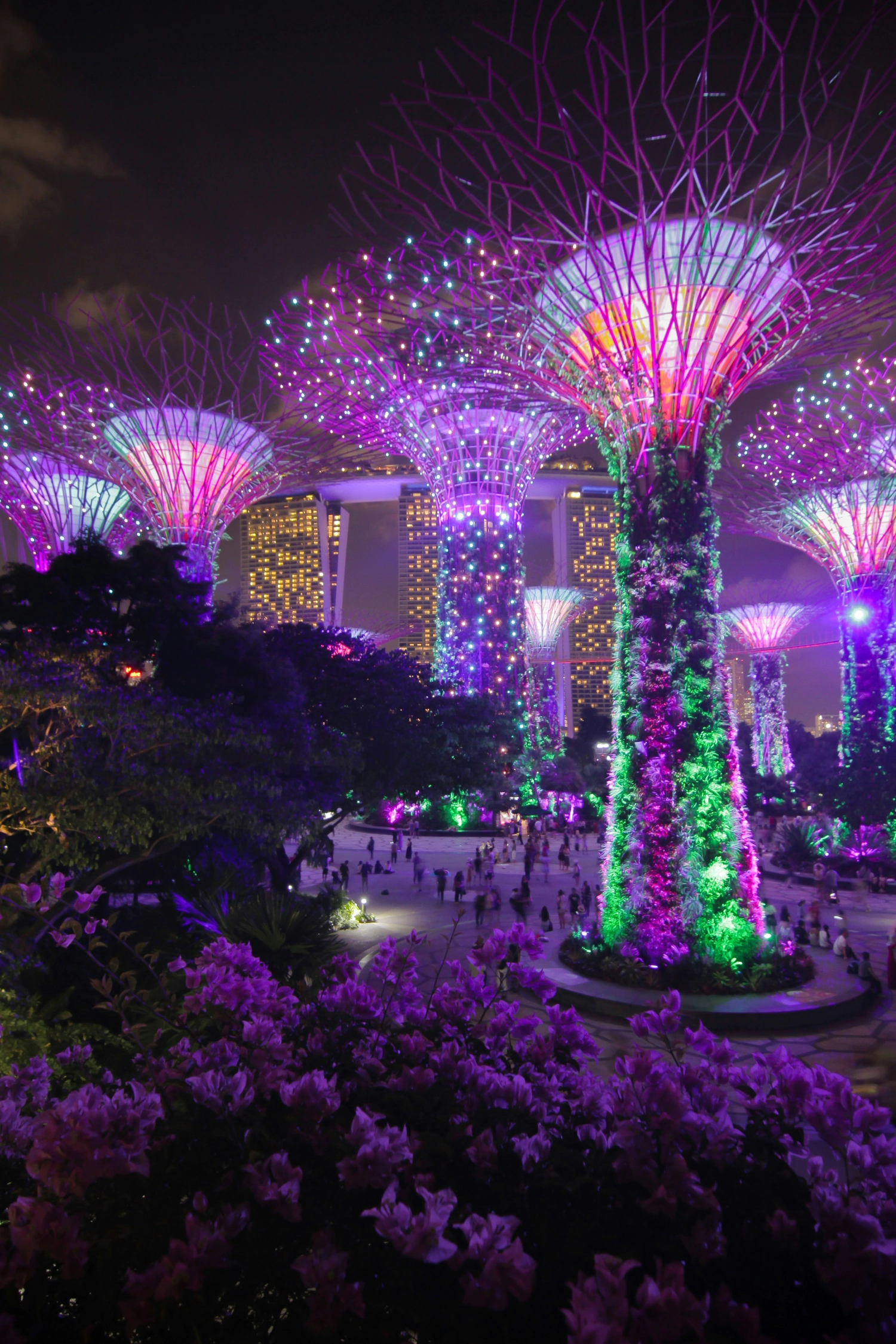
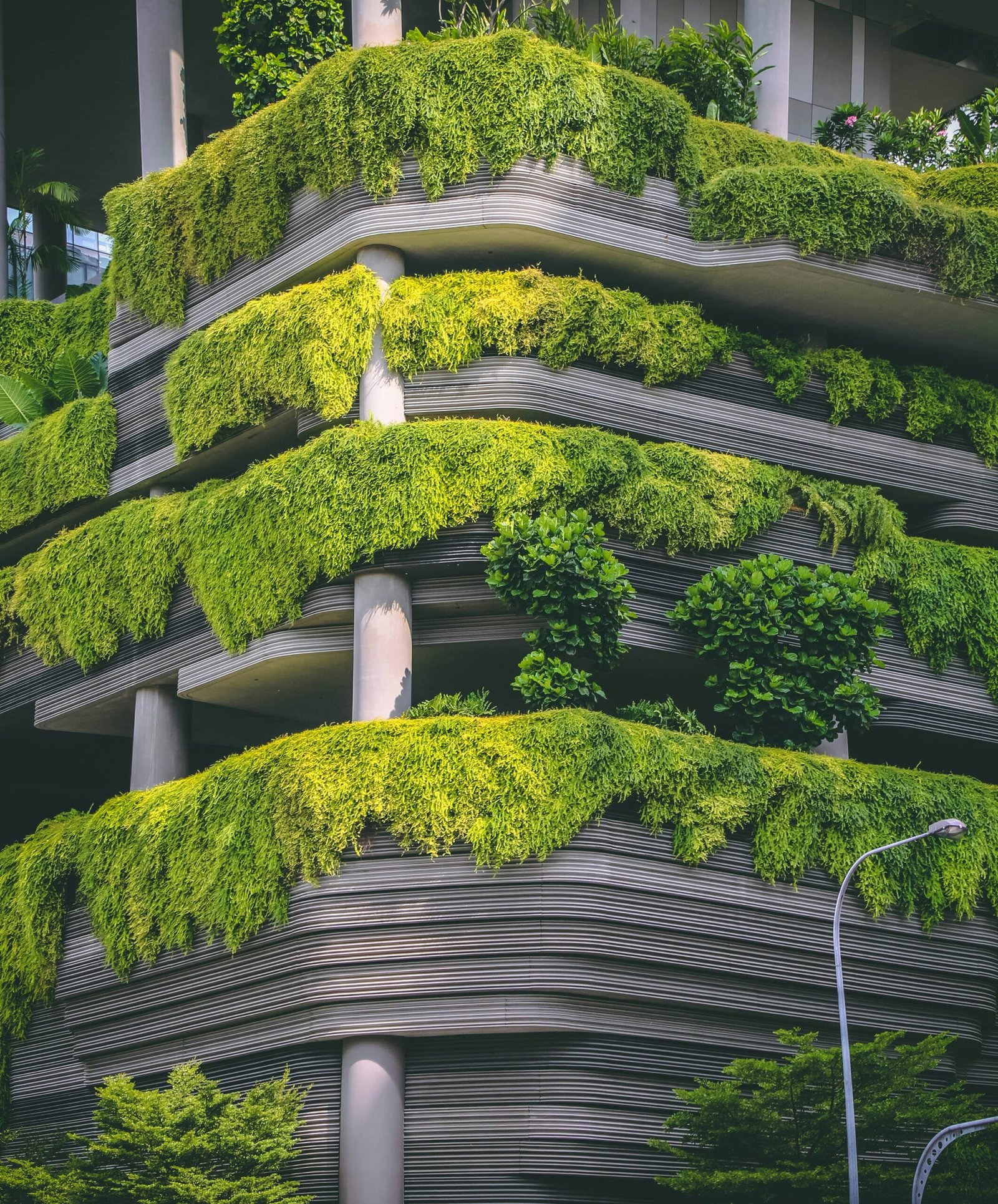
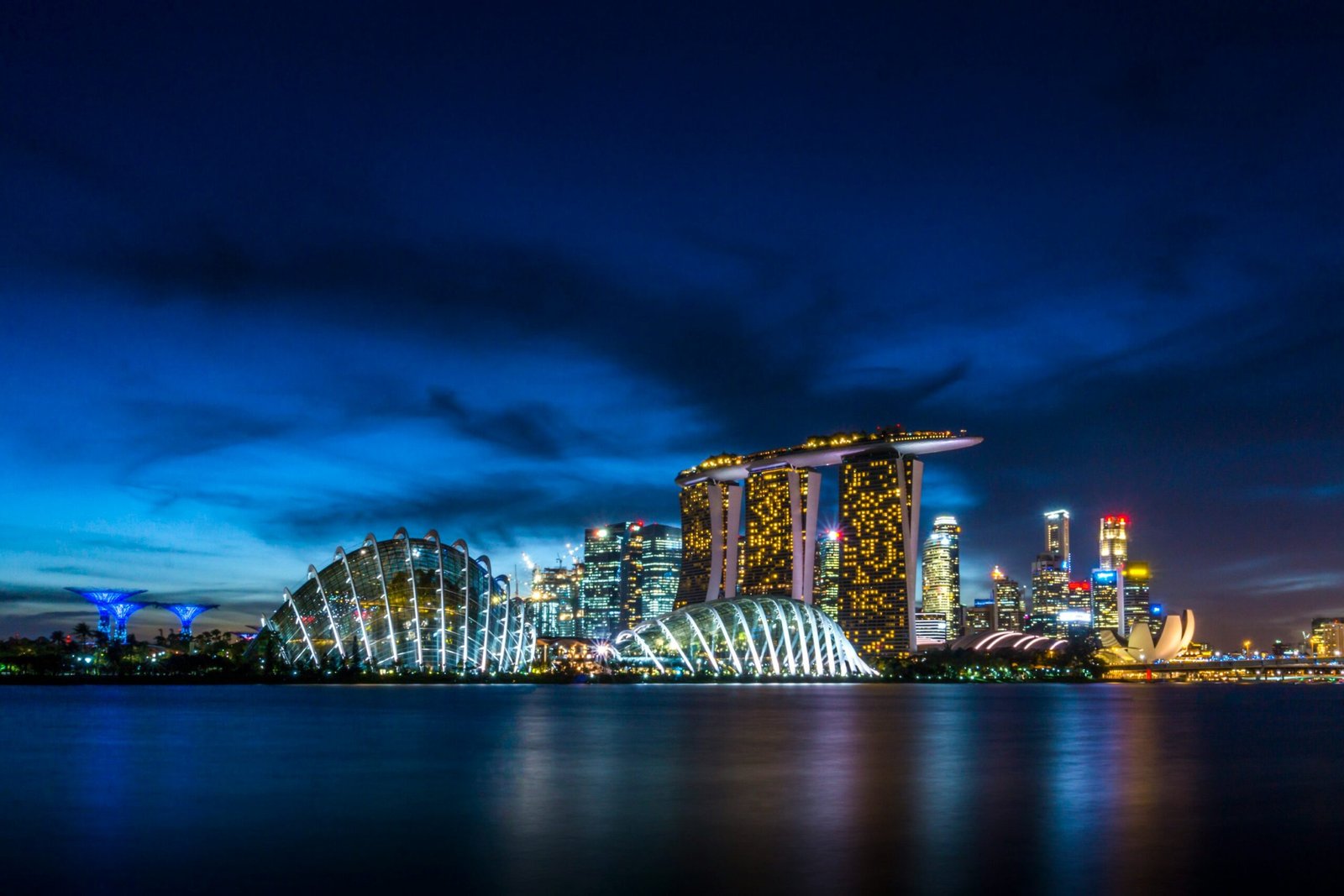
No city illustrates the transformative potential of green roofs and vertical vegetation quite like Singapore. The city-state has adopted a ambitious approach to urban greening, with a stated goal of covering nearly half of its total land area with green space. This goes far beyond traditional parks—it includes green roofs, vertical gardens, skyrise greenery, and the incorporation of native vegetation into every level of the urban fabric.
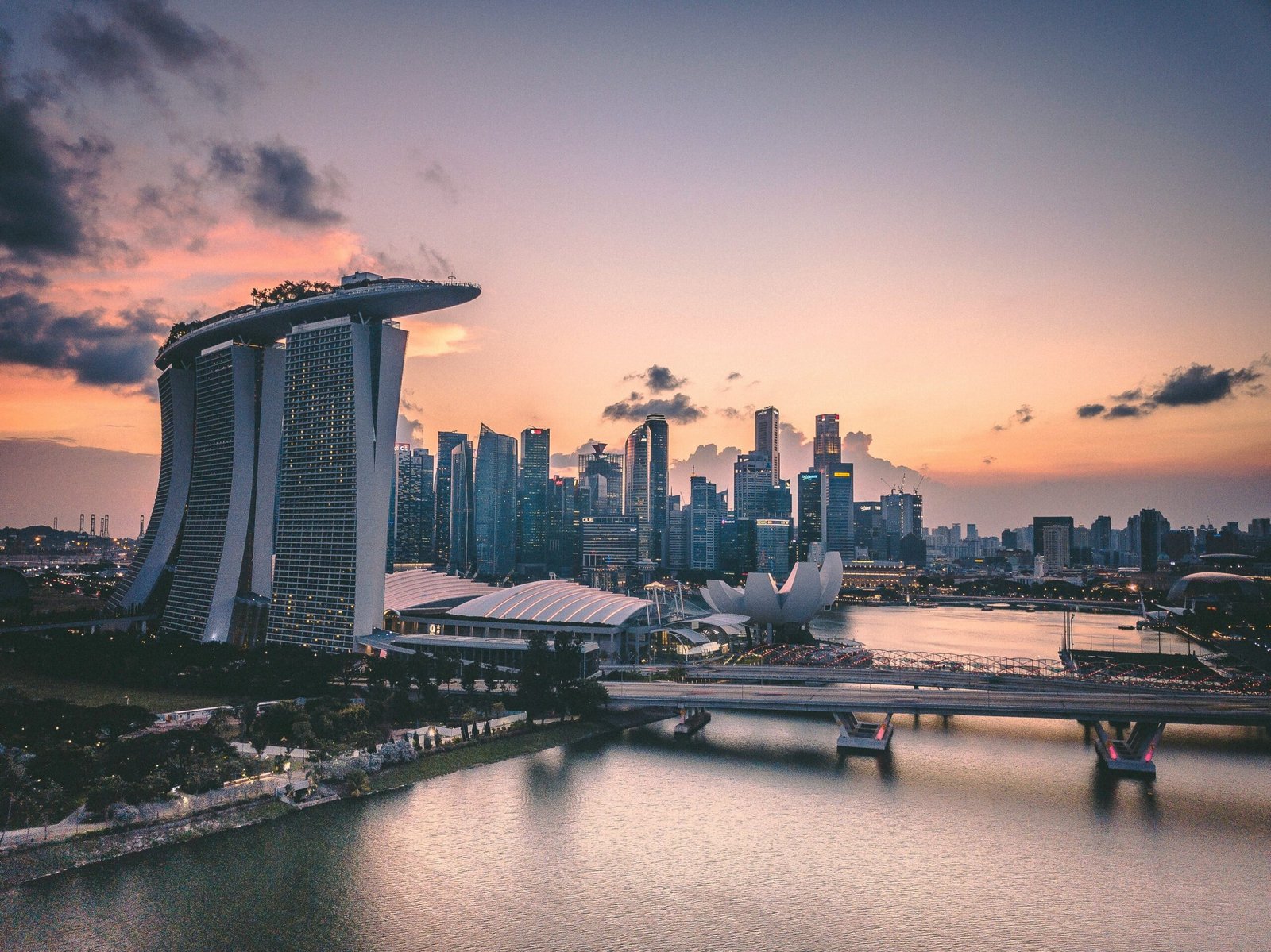
The results are tangible. Singapore has recorded measurable improvements in air quality, significant reductions in urban temperatures, and notable increases in bird and butterfly populations in areas where green infrastructure has been implemented. The city’s approach demonstrates that urban biodiversity is not merely about preserving existing natural areas—it is about actively designing nature into the built environment.
For cities considering their own green roof initiatives, the lessons from Singapore are clear: integration is key. Green roofs work best when they are connected to ground-level green spaces, when they incorporate native plant species, and when policies incentivize their adoption across both public and private buildings.
Revegetation Initiatives: Bringing Nature Indoors
The reintroduction of vegetation into urban environments is not limited to rooftops and facades. An equally important movement is bringing nature inside, through the principles of biophilic design.
Biophilic design is an approach to architecture and interior planning that seeks to integrate natural elements—plants, natural light, water features, organic materials—into the built environment. Research has consistently shown that the presence of indoor plants improves cognitive function, reduces stress, and enhances overall well-being. In office environments, plants have been linked to increased productivity and decreased absenteeism.
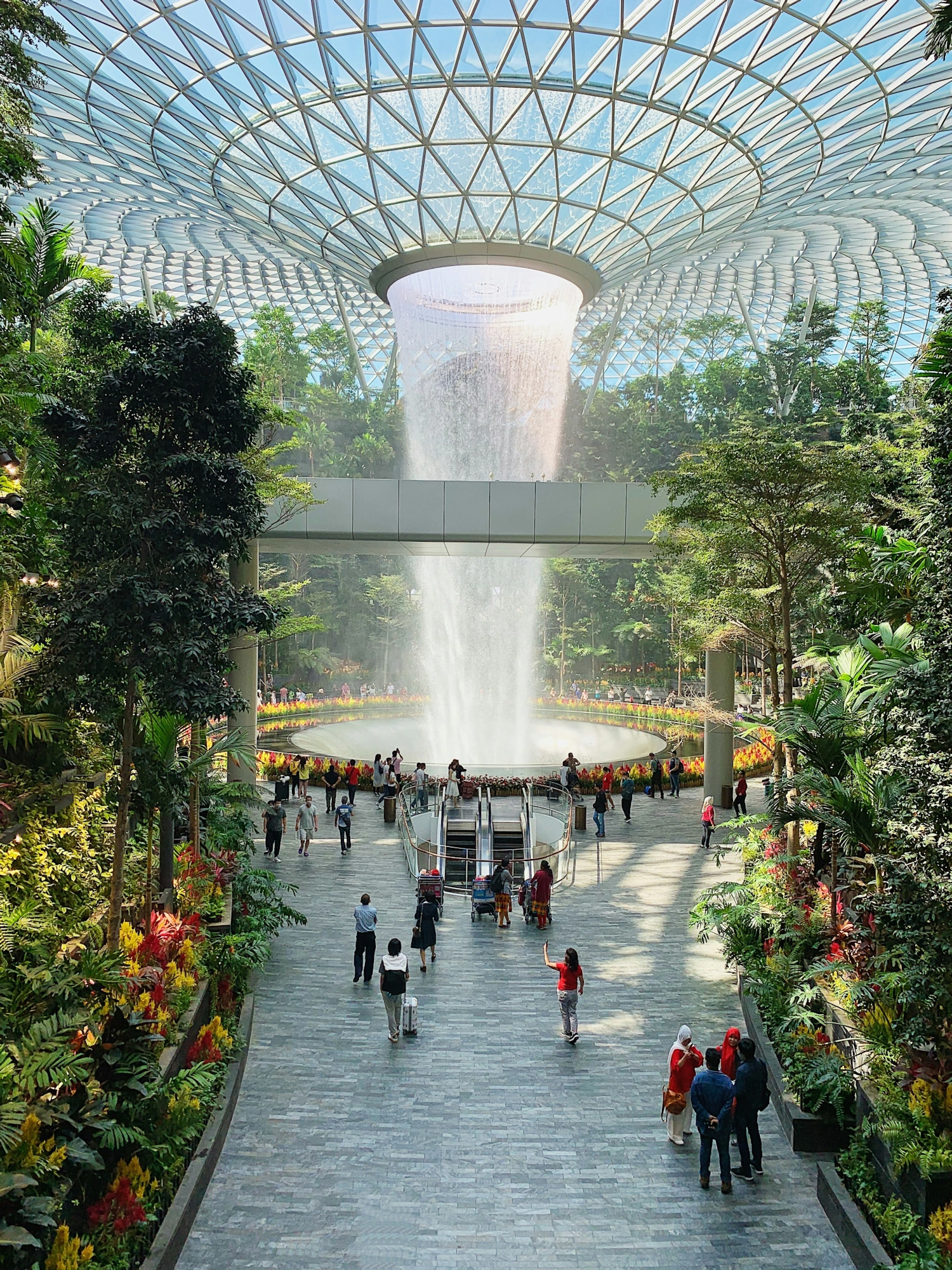
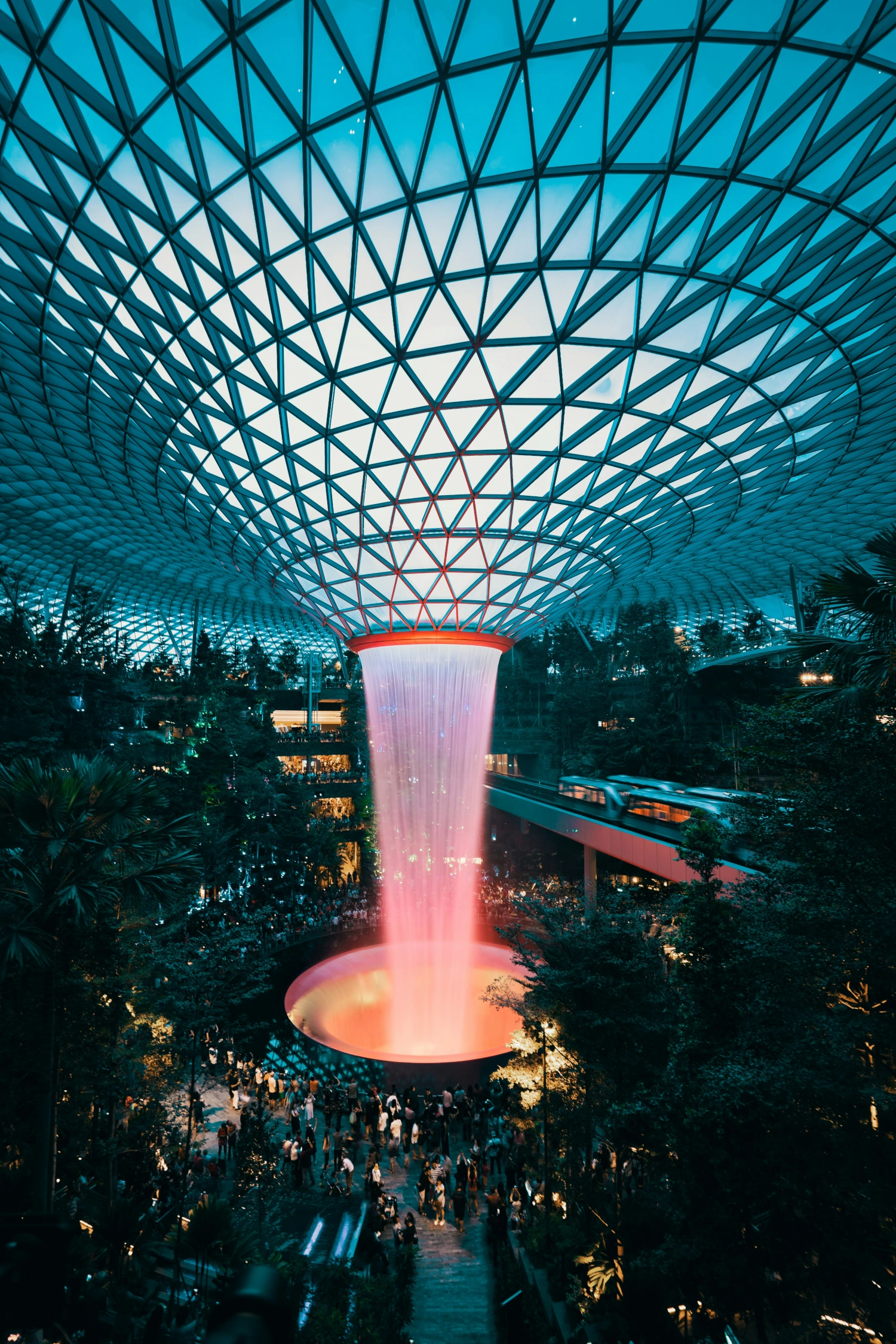
From a biodiversity perspective, indoor vegetation initiatives matter because they normalize the presence of nature in daily life. When people experience plants as integral to their workspaces, schools, and homes, they develop a deeper connection to the natural world—a connection that often translates into broader environmental awareness and engagement.
Cities can support this movement by incorporating biophilic design standards into public buildings, providing incentives for private developers to include interior landscaping, and supporting community programs that help residents bring plants into their living spaces.
Innovative Urban Planning: Designing for Nature
The most successful urban biodiversity initiatives share a common characteristic: they are designed with connectivity in mind. Isolated pockets of green, while valuable, cannot support the diverse ecological networks that sustainable urban ecosystems require. This is where urban green corridors come into play.
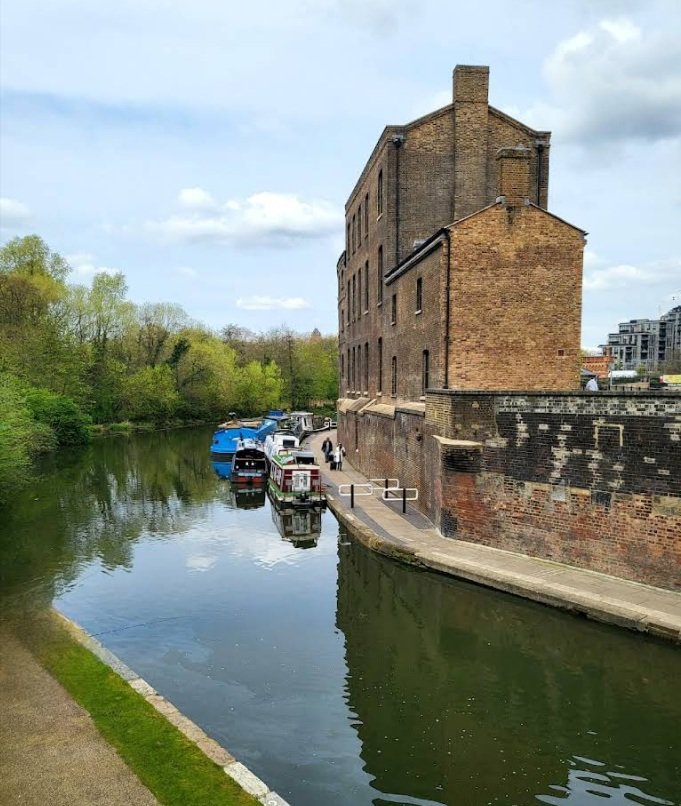
Green corridors are strips of natural or semi-natural vegetation that link isolated green spaces, allowing wildlife to move, forage, and migrate through the urban landscape. They can take the form of linear parks, street trees planted in continuous rows, restored riverbanks, or vegetated rail corridors. By connecting fragmented habitats, green corridors increase biodiversity, improve ecosystem resilience, and enhance the quality of life for human residents.
London has been a pioneer in green corridor planning, with initiatives like the London Greenways project creating off-road routes for cycling and walking that also serve as wildlife corridors. The city has documented significant increases in biodiversity along these corridors, with species ranging from hedgehogs to rare insects recolonizing areas that had been barren for decades.
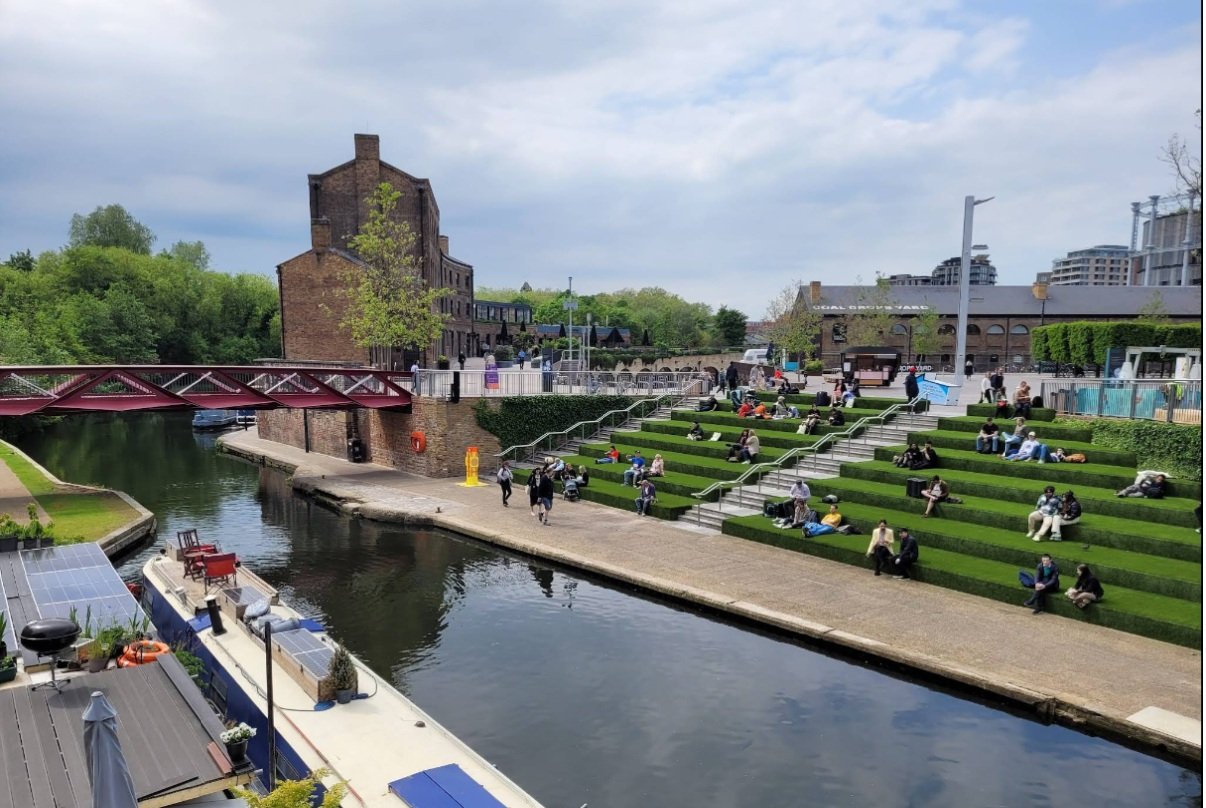
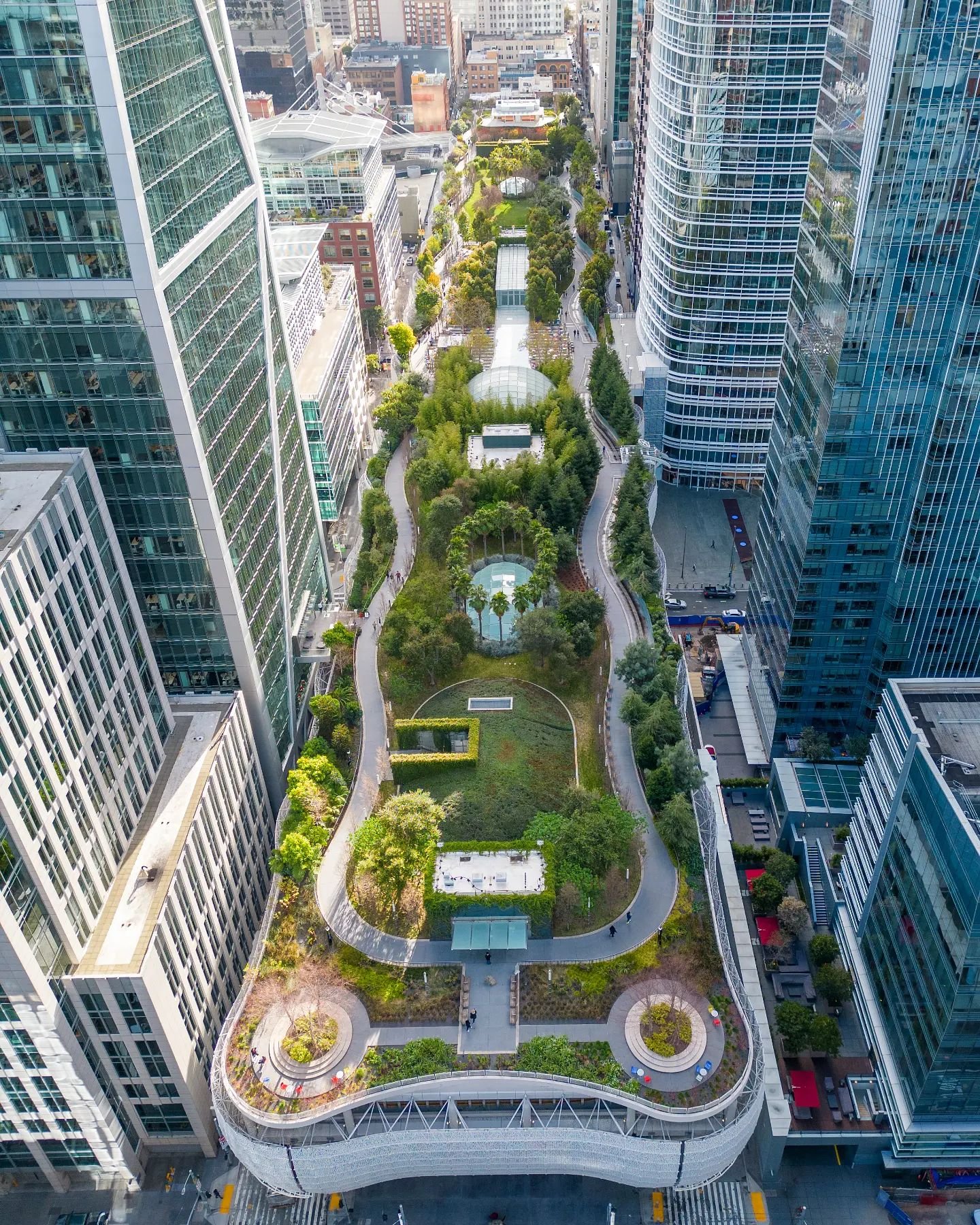
San Francisco offers another compelling model. The city’s Green Corridor initiative connects parks, community gardens, and natural areas through a network of street trees, landscaped medians, and pedestrian-friendly green streets. The approach has been particularly effective in neighborhoods where traditional park access is limited, ensuring that the benefits of urban nature are distributed equitably across the city.
Community Involvement: Engaging Citizens with Nature
No urban biodiversity initiative can succeed without the active participation of the people who live in the city. Community-driven programs—ranging from neighborhood gardening projects to citizen science monitoring—have proven to be among the most powerful tools for restoring urban ecosystems.
In San Francisco, volunteers have played a critical role in shoreline restoration efforts. Community members participate in planting native dune vegetation, removing invasive species, and monitoring the success of restored habitats. These programs not only accelerate ecological recovery but also foster a sense of ownership and pride among participants.
The benefits of community engagement extend beyond the ecological. Numerous studies have documented the mental and physical health benefits of gardening and outdoor nature activities. Community gardening programs in urban areas have been shown to increase social cohesion, improve nutrition, and reduce crime rates in surrounding neighborhoods.
For cities looking to scale community involvement, the key is accessibility. Programs should be free or low-cost, located in areas with demonstrated need, and designed to accommodate people of all ages and abilities. Multilingual outreach and partnership with trusted community organizations are essential for reaching diverse populations.
Education and Awareness: Connecting Urban Dwellers with Nature
Knowledge is the foundation of action. Educational initiatives that teach urban residents about the ecological significance of their local environments can create lasting behavioral change and build public support for biodiversity initiatives.
In schools, curriculum-integrated environmental education exposes young students to the wonders of urban ecosystems. Field trips to restored habitats, classroom composting programs, and schoolyard biodiversity surveys all help children develop a personal connection to nature. Research consistently shows that children who spend time in nature are more likely to become environmentally conscious adults.
Digital platforms and social media campaigns also play a growing role in disseminating knowledge about urban biodiversity. Hashtag campaigns, interactive maps of urban green spaces, and citizen science apps that allow residents to report species sightings all contribute to a growing culture of environmental awareness. Cities can amplify these efforts by partnering with influencers, supporting nature-focused content creators, and maintaining accessible, up-to-date digital resources about local biodiversity.
Technology: Smart Solutions for Biodiversity Monitoring
As urban biodiversity initiatives expand, so too does the need for sophisticated monitoring tools. The integration of technology into biodiversity monitoring is transforming how cities understand, protect, and enhance their natural environments.
Sensor networks deployed across urban areas can measure air quality, soil moisture, temperature, humidity, noise levels, and even pollinator activity in real time. This data provides urban planners with the information they need to make evidence-based decisions about where to invest in green infrastructure and how to allocate conservation resources.
AI-powered platforms, like those developed by Gorilla Technology and similar innovators, are enabling cities to process vast amounts of environmental data quickly and effectively. These systems can identify patterns—such as pollution hotspots, habitat fragmentation, or species decline—that might otherwise go unnoticed. In Thailand, AI-powered smart grid systems are being integrated with environmental monitoring to optimize energy use while protecting natural habitats.
For cities, the message is clear: technology is not a replacement for nature, but it is an invaluable ally. Smart monitoring systems can track the success of biodiversity initiatives, identify emerging threats, and ensure that urban ecosystems are managed with the same level of sophistication as the built environment around them.
A Vision for Biodiverse Cities
The collective impact of the strategies explored throughout this article—from oyster reef restoration in New York to green roofs in Singapore, from urban green corridors in London to community-based habitat restoration in San Francisco—demonstrates that the path toward biodiverse cities is not only possible but already underway.
A city alive with biodiversity is a city that promotes healthier lifestyles, stronger community bonds, and greater resilience to environmental challenges. It is a city where children grow up understanding that nature is not something separate from urban life but an integral part of it.
The vision of a biodiverse city is one where humans and nature coexist harmoniously, where the food we eat, the water we drink, and the air we breathe are all enriched by the presence of healthy, functioning ecosystems. It is a vision that demands action—not just from governments and institutions, but from every individual who calls a city home.
Whether you are a city planner, a community organizer, a business owner, or simply a resident who wants to make a difference, there are meaningful ways to contribute. Support local green initiatives. Volunteer for habitat restoration projects. Advocate for policies that prioritize biodiversity in urban planning. Plant a tree. Grow a garden. Educate yourself and others about the incredible ecological wealth that exists, even in the most densely populated urban environments.
The future of our cities—and of the natural world that sustains them—depends on the choices we make today. Let us all play our part in fostering biodiversity within our urban spaces and contribute to a sustainable, thriving future for generations to come.
Frequently Asked Questions About Urban Biodiversity
Why is urban biodiversity important for city residents?
Urban biodiversity provides essential ecosystem services that directly improve quality of life for city dwellers. These include air and water purification, temperature regulation through the reduction of urban heat islands, stormwater management, and mental health benefits from access to green spaces. Research has consistently shown that exposure to nature in urban environments reduces stress, improves cognitive function, and promotes physical activity.
What is the Billion Oyster Project and why does it matter?
The Billion Oyster Project is a New York City initiative to restore one billion oysters to New York Harbor by 2035. Oysters filter water, create reef habitats for other marine species, and provide natural coastal protection against storms. The project also engages thousands of volunteers, making it one of the largest community-driven biodiversity restoration efforts in the world.
How do green roofs contribute to urban biodiversity?
Green roofs for cities create new habitats for insects, birds, and plants in environments that would otherwise be covered in concrete. They also reduce urban temperatures, improve air quality, absorb stormwater, and provide green spaces for building occupants and nearby residents. When implemented across many buildings, green roofs can form interconnected habitat networks that support broader biodiversity.
What are urban green corridors and why are they important?
Urban green corridors are linear green spaces that connect isolated natural areas within cities, allowing wildlife to move between habitats. They are critical for maintaining biodiversity in urban environments because they prevent habitat fragmentation, enable species migration, and support larger and more resilient populations of plants and animals.
How do oysters filter water?
Oysters filter water by drawing it through their bodies and trapping particles—including algae, bacteria, and excess nutrients—in their gills. A single oyster can filter up to 50 gallons of water per day. This process clears turbid water, reduces nutrient pollution that causes algal blooms, and creates the conditions for other marine species to thrive.
What can individuals do to support urban biodiversity?
Individuals can make a significant impact by planting native species in their gardens or on balconies, participating in local habitat restoration volunteer programs, supporting community gardens, advocating for green infrastructure in local planning decisions, reducing pesticide and fertilizer use, and educating friends and family about the importance of urban nature.
How is technology being used to monitor urban biodiversity?
Cities are increasingly deploying sensor networks and AI-powered platforms to monitor environmental conditions in real time. These technologies track air quality, soil health, water conditions, and wildlife populations, providing data that informs urban planning and conservation strategies. Smart monitoring enables cities to respond quickly to environmental threats and measure the effectiveness of biodiversity initiatives.