
10 deadliest insects of the world

8 min read
Insects, despite their diminutive size, are often overlooked as potent agents of harm. They inhabit nearly every environment on Earth, making them integral components of ecosystems. However, certain species have developed traits that enable them to pose significant threats to human health and welfare. These deadly insects can be categorized primarily by their capacity to deliver venom, transmit diseases, or exhibit aggressive behavior that results in harm.
One of the most notable impacts that insects have on human health is their role as vectors for a variety of infectious diseases. Mosquitoes, for example, are infamous for being carriers of deadly illnesses such as malaria and dengue fever. Their bites facilitate the transmission of pathogens which can have devastating effects on populations, particularly in regions where healthcare resources are limited. The existence of these vectors exemplifies how insects, while small, can be agents of large-scale public health crises.
Moreover, some insects are equipped with formidable venom that can inflict severe injuries or even fatalities. The infamous bullet ant, known for its extremely painful sting, is a prime example of how certain insects have adapted to defend themselves aggressively. Such characteristics not only affect human interactions with these creatures but also influence local ecosystems.
Understanding the significance of these deadly insects is essential, as their existence underscores the complex interplay between humans and the natural world. Through a careful examination of their behaviors, habitats, and impact on health, we can appreciate the role these insects play as silent killers while acknowledging the broader implications for biodiversity and ecological stability.
10. Blister Beetles
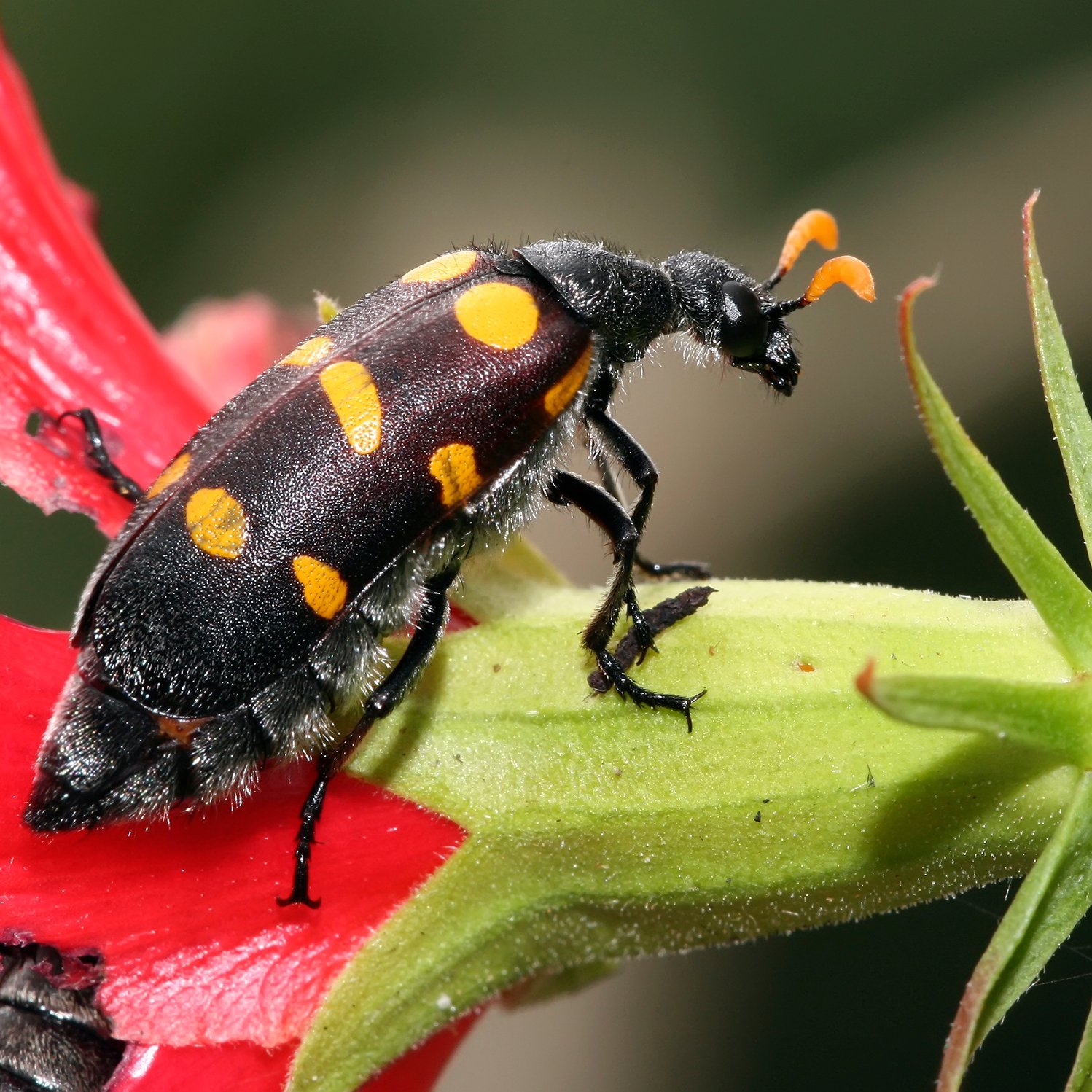
Kicking off our list of deadliest insects, in 10th place, is the blister beetle. This has the potential to be deadly to humans, but in reality, is not, as you would have to eat quite a few of them.
What they are more likely to kill are horses, as they can get mixed up into the hay or alfalfa they eat.
Blister beetles secrete a toxin (and defensive agent) called cantharidin, which causes skin blistering in humans. It has however been used in the past as a folk medicine, thought to be effective against warts and even rabies, but most commonly as an aphrodisiac.
In the past, it has been a major ingredient in “love potions”. This was a risky business, however, as the toxin can still kill in high enough quantities. In the 1950s a man was imprisoned for the deaths of two women whom he had given cantharidin-laced candies to in order to seduce them.
9. Locust (Locusta migratoria)
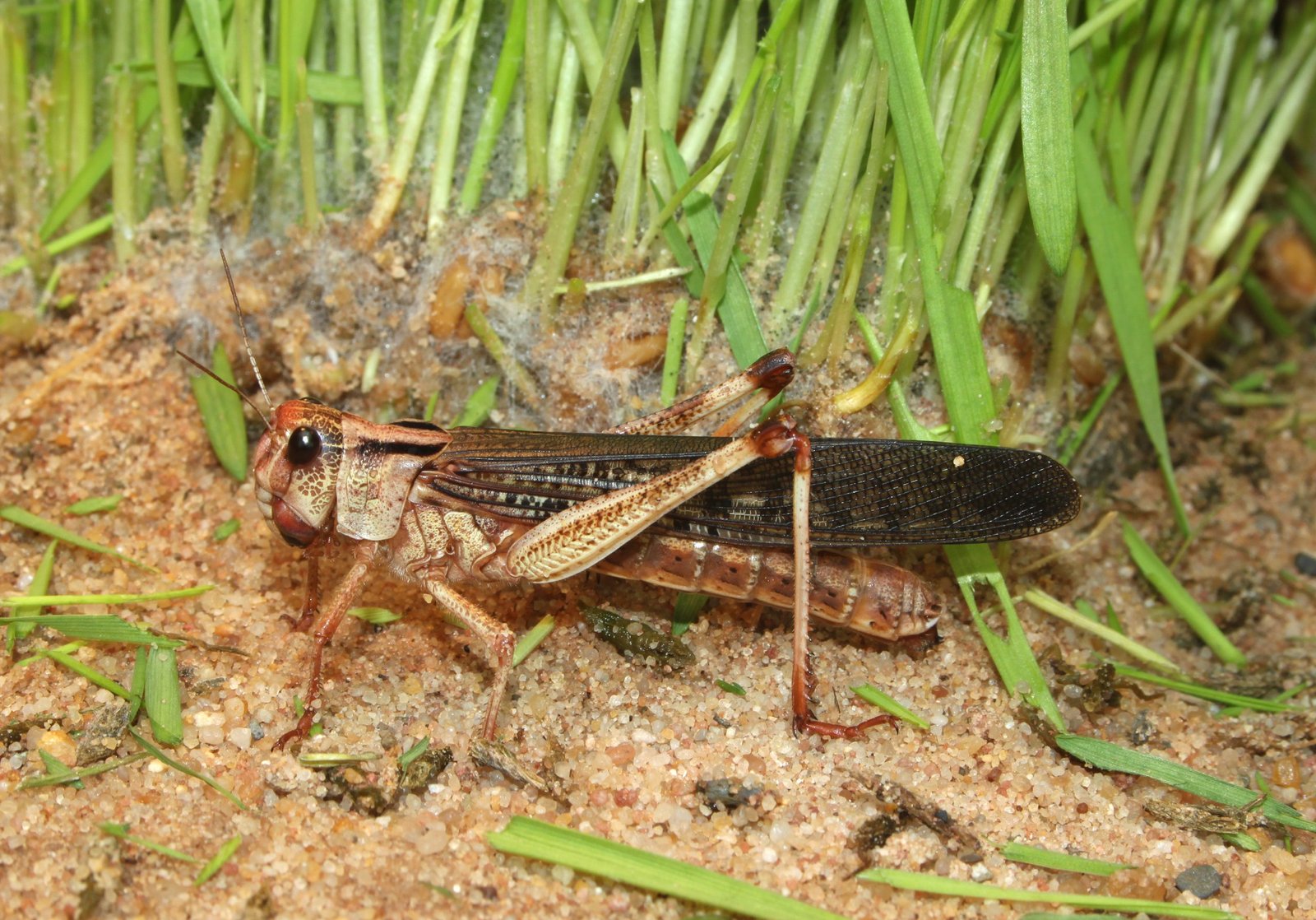
Locusts are not typically considered “deadly” in the sense of directly killing humans through venom or disease transmission, but their effects certainly can be. These swarming phases, which turn the normally solitary insect into a mass of millions, are triggered by a dry spell followed by rapid rainfall and vegetation growth.
The drought forces them together onto the remaining areas of vegetation and the rainfall and subsequent abundance of food allows them to breed rapidly – creating a perfect storm. The major agricultural damage such swarms can cause can lead to famine and consequently many human fatalities.
8. Assassin caterpillar (Lonomia obliqua)
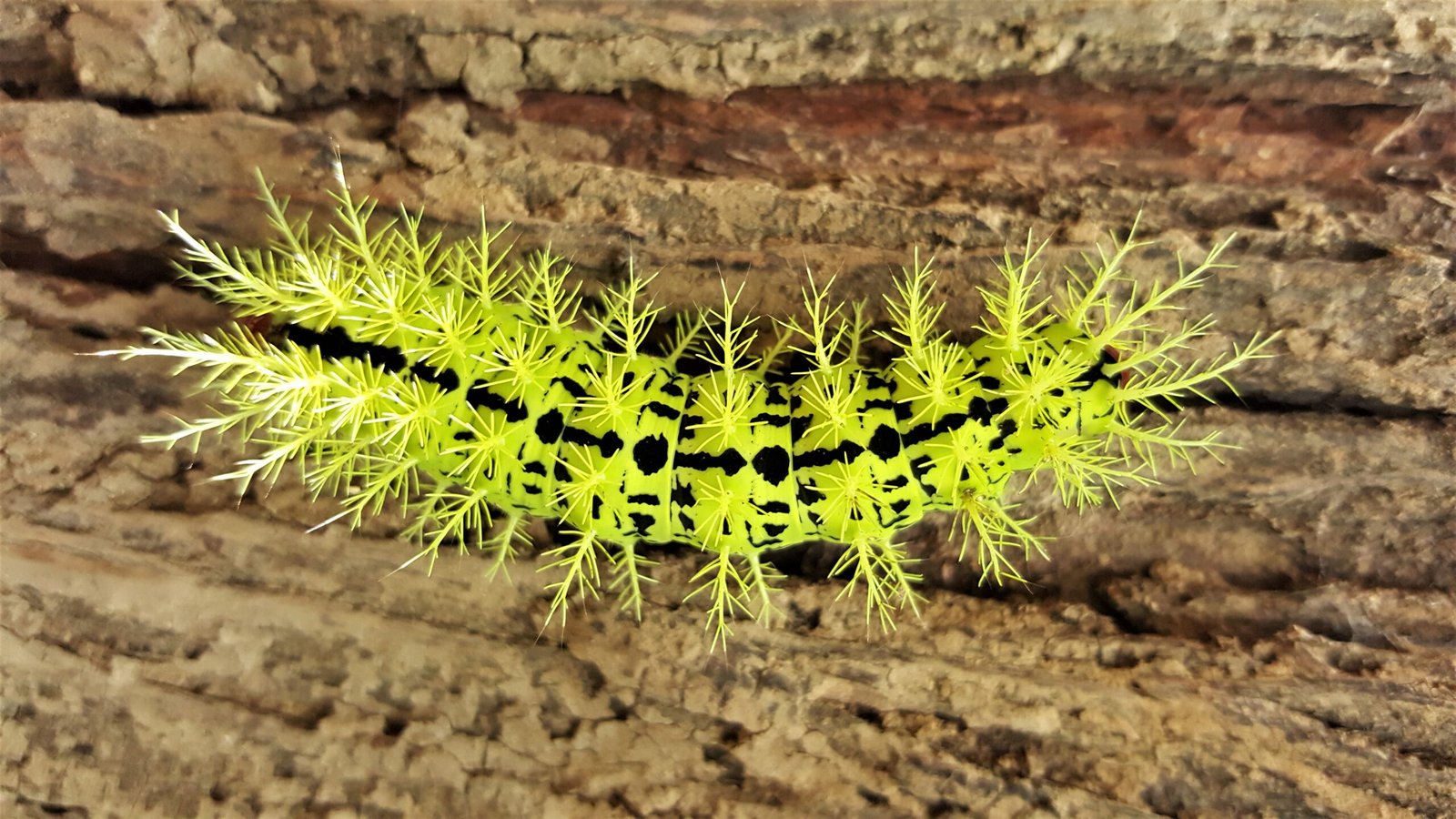
In eighth place is the fabulously named Assassin caterpillar. Although its name perhaps overstates the kill count of this caterpillar, it is responsible for a number of fatalities. The larva stage of the giant silkworm moth, this caterpillar is known as the world’s deadliest.
Its toxicity comes from its venom-injecting bristles that function as a defence mechanism against predators. The venom is stored in a sac at the base of each hollow bristle and when a bristle punctures the skin of a victim the venom flows through. The toxins have anti-coagulant properties, disrupting blood’s ability to clot properly. Symptoms include a burning sensation, vomiting, kidney failure, internal bleeding, and in rare cases, death.
7. Fire ants (Solenopsis genus)
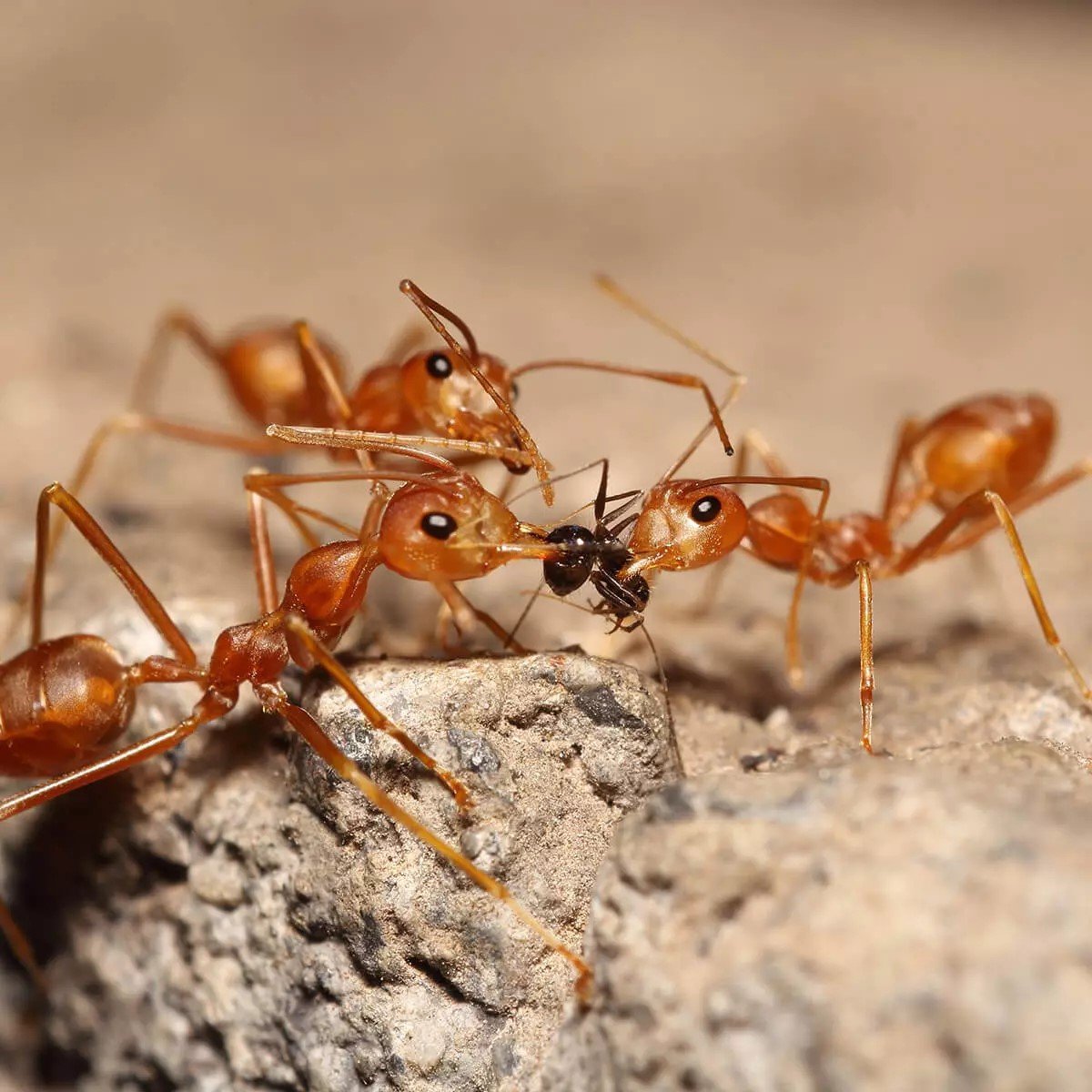
Although generally not fatal, Fire ants (genus Solenopsis) are considered one of the most dangerous insects in the world due to their aggressive behavior and painful venomous stings. Their venom, in particular, identifies a small number of proteins that can cause allergic reactions (anaphylaxis) in some individuals that can affects their nervous systems. This may explain why some fire ant sting victims report hallucinations and similar symptoms, particularly after multiple stings.
6. Bees and wasps
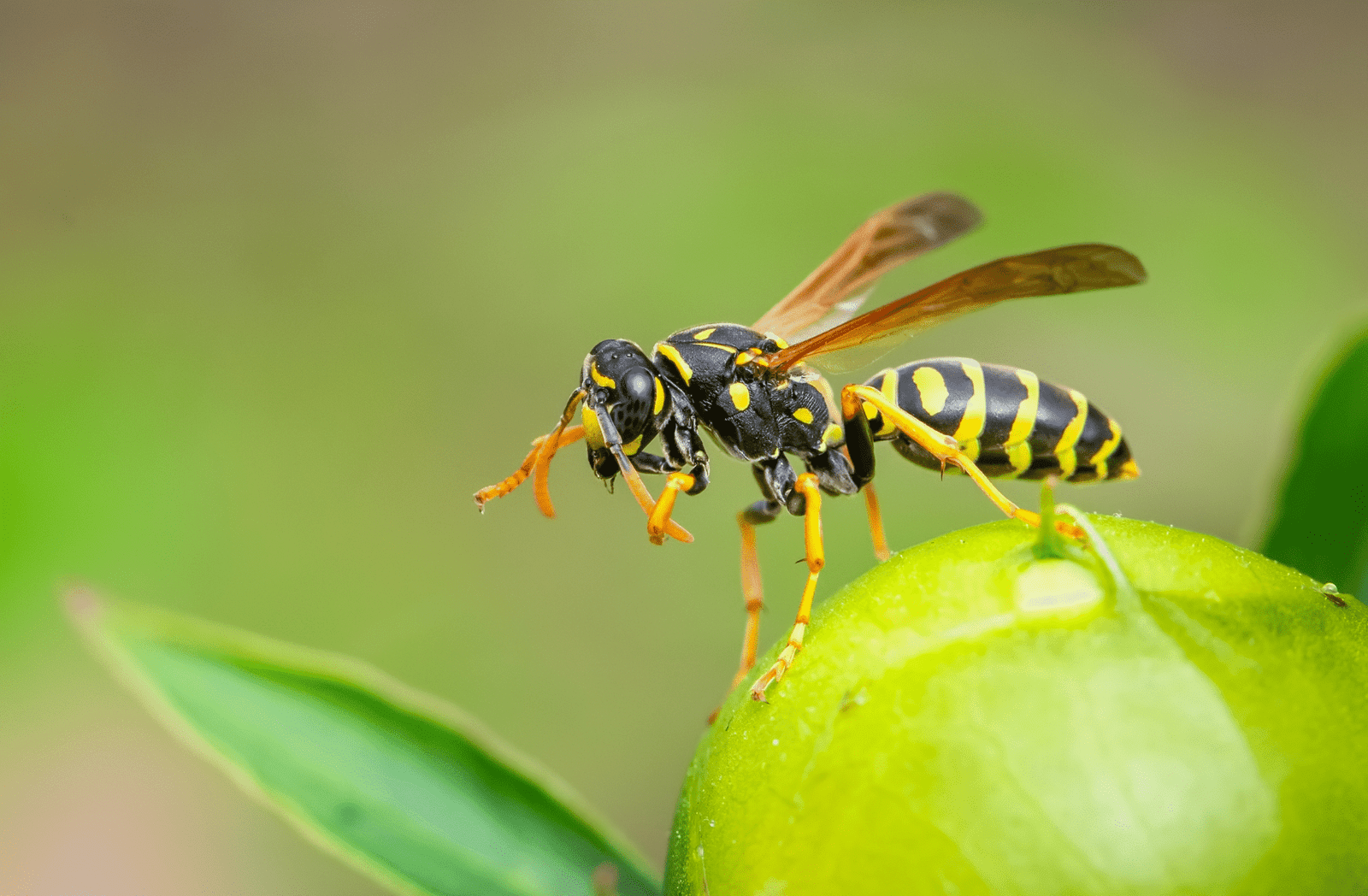
Outside of disease carriers, there are actually very few insects that are dangerous, venomous or poisonous enough to be fatal to humans. One group of deadly insects that are responsible for numerous fatalities however is Hymenoptera – the order that includes bees, wasps, and ants. If you are unlucky enough to be one of the small percentage of people that have have an anaphylactic allergic reaction, bee stings can in rare cases be fatal.
- Honeybees typically die after stinging because their stinger is barbed, causing it to become lodged in the skin of the victim, usually a mammal. When the bee tries to pull away, the stinger and parts of its abdomen, including digestive and reproductive organs, are ripped out, leading to death. This is a consequence of the bee’s anatomy and is not a deliberate act of self-sacrifice.
- Bees always have at least a few branched, called plumose, hairs somewhere on their bodies. These trap pollen grains and aid the females in carrying their pollen loads back to the nest. Wasps don’t have branched hairs. Here below a Wasp:

Every year in the UK there around ten reported deaths from wasp or bee sting reactions.
5. Asian giant hornet (Vespa mandarinia)

The Asian giant hornet is the world’s largest hornet and is known for its powerful sting and venom, which can cause severe pain, swelling and allergic reactions leading to death. While not actively hunting humans, they can be aggressive and attack when disturbed, especially near their nests.

The Asian giant hornet is native to East Asia and Japan, where they cause an average of 30-50 deaths per year. In China, they were responsible for 42 deaths in a single province during a population surge in 2013.
4. Kissing bugs (Triatominae subfamily)
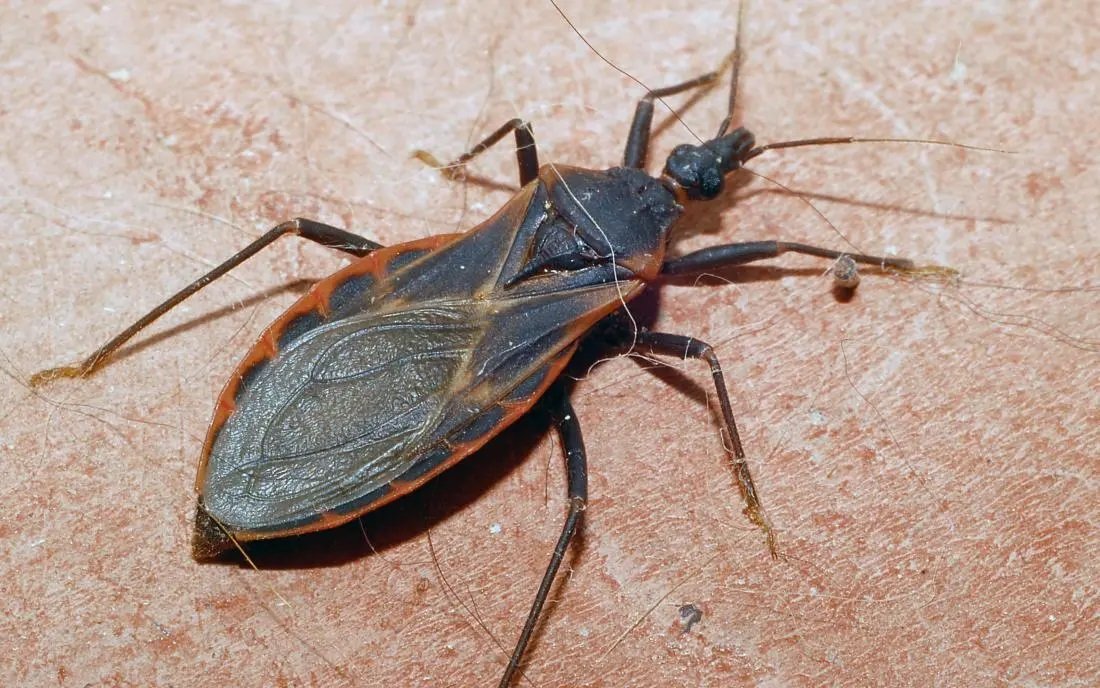
In fourth place is the kissing bugs members of the Triatominae subfamily of insects. This Kissing bugs can transmit the parasite that causes Chagas disease, a potentially fatal illness.
While the bite itself is not usually dangerous, kissing bugs defecate after feeding, and the parasite can enter the body through the bite wound, eyes, or other mucous membranes if the feces are rubbed in. Chagas disease can lead to serious heart and digestive issues, and in some cases, it can be fatal.
3. Fleas (Siphonaptera genus)
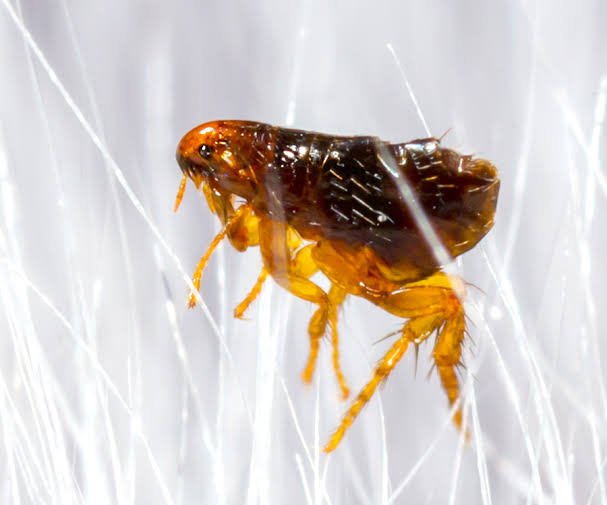
Fleas are small, wingless insects known for their ability to jump long distances relative to their size. While they are primarily known as pests that cause itchy bites on humans and animals, some flea species can transmit deadly diseases. The most infamous example is the bubonic plague, which decimated populations in the past.
Caused by the bacterium Yersinia pestis, the bubonic plague is the most well-known disease spread by fleas. Historically, it was responsible for the Black Death, which wiped out a significant portion of Europe’s population. While treatable with antibiotics today, it remains a public health concern.
Allergic Reactions:
- Some individuals are allergic to flea saliva, which can lead to more severe skin reactions, including intense itching, inflammation, and secondary infections from scratching.
Flea Allergy Dermatitis:
- Pets can also develop severe allergic reactions to flea bites, leading to excessive scratching, hair loss, and skin damage.
Flea Biology and Infestations:
- Fleas have a four-stage life cycle: egg, larva, pupa, and adult.
- Adult fleas live on their hosts (animals or humans), while the immature stages (eggs, larvae, and pupae) develop in the environment.
- Fleas reproduce rapidly, and infestations can quickly get out of control if not addressed promptly.
- Flea infestations are more common in warm, humid environments.
Fleas jump using a combination of stored energy in a rubbery protein called resilin and a lever-like mechanism in their legs, enabling them to launch themselves up to 200 times their body length. The process involves compressing resilin to store energy, then releasing it to extend the legs and propel the flea forward and upward.
2. Tsetse fly (Glossina genus)
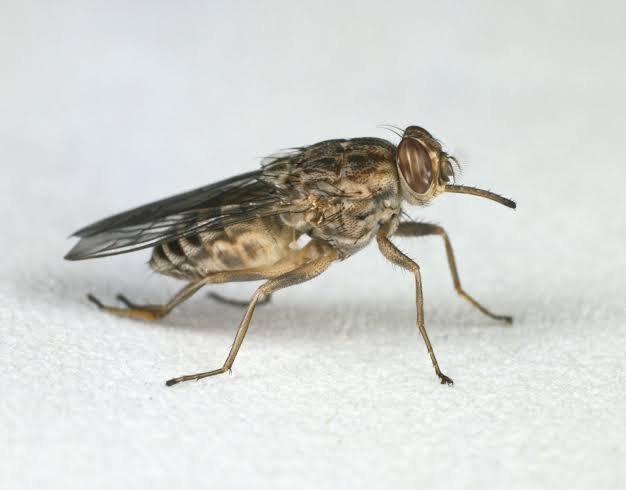
In second place is the tsetse fly, its main killer is its ability to transmit African trypanosomiasis, also known as sleeping sickness, a parasitic disease that can be fatal if left untreated. Although not all tsetse flies carry the disease, and only a small percentage are usually infected, the bites of those that do can be very dangerous.
Tsetse flies transmit the disease through their bites, as they feed on blood. The parasite, Trypanosoma brucei, enters the bloodstream of the host (human or animal). In humans, the disease progresses in stages, beginning with fever, headache and fatigue, and can lead to neurological symptoms such as confusion and sleep disturbances if left untreated. Eventually, it can lead to death.
Efforts to control the tsetse fly and reduce the spread of sleeping sickness involve various strategies, including trapping, insecticide application, and genetic research.
1. Mosquito (Anopheles genus)

The deadliest insect in the world goes to the mosquito with its ability to transmit diseases that cause significant mortality and morbidity worldwide. Mosquitoes are vectors for a wide range of pathogens, including viruses, parasites, and bacteria, leading to illnesses like malaria, dengue fever, yellow fever, Zika virus, and West Nile virus.
Mosquito-borne diseases result in hundreds of thousands of deaths annually. Malaria, in particular, is a major killer, with millions of cases and hundreds of thousands of deaths each year, especially among children in Africa.
Mosquitoes are found worldwide, and climate change is contributing to the expansion of their geographic range, potentially bringing diseases to new areas.
Beyond mortality, mosquito-borne diseases can cause long-term disability and chronic health problems. Lymphatic filariasis, for example, can lead to debilitating swelling and disfigurement.
In essence, the mosquito’s ability to spread such a wide range of dangerous diseases makes it the deadliest animal on Earth