How Insects Can Save Our Planet: The Tiny Creatures Making a Massive Difference
Read time:

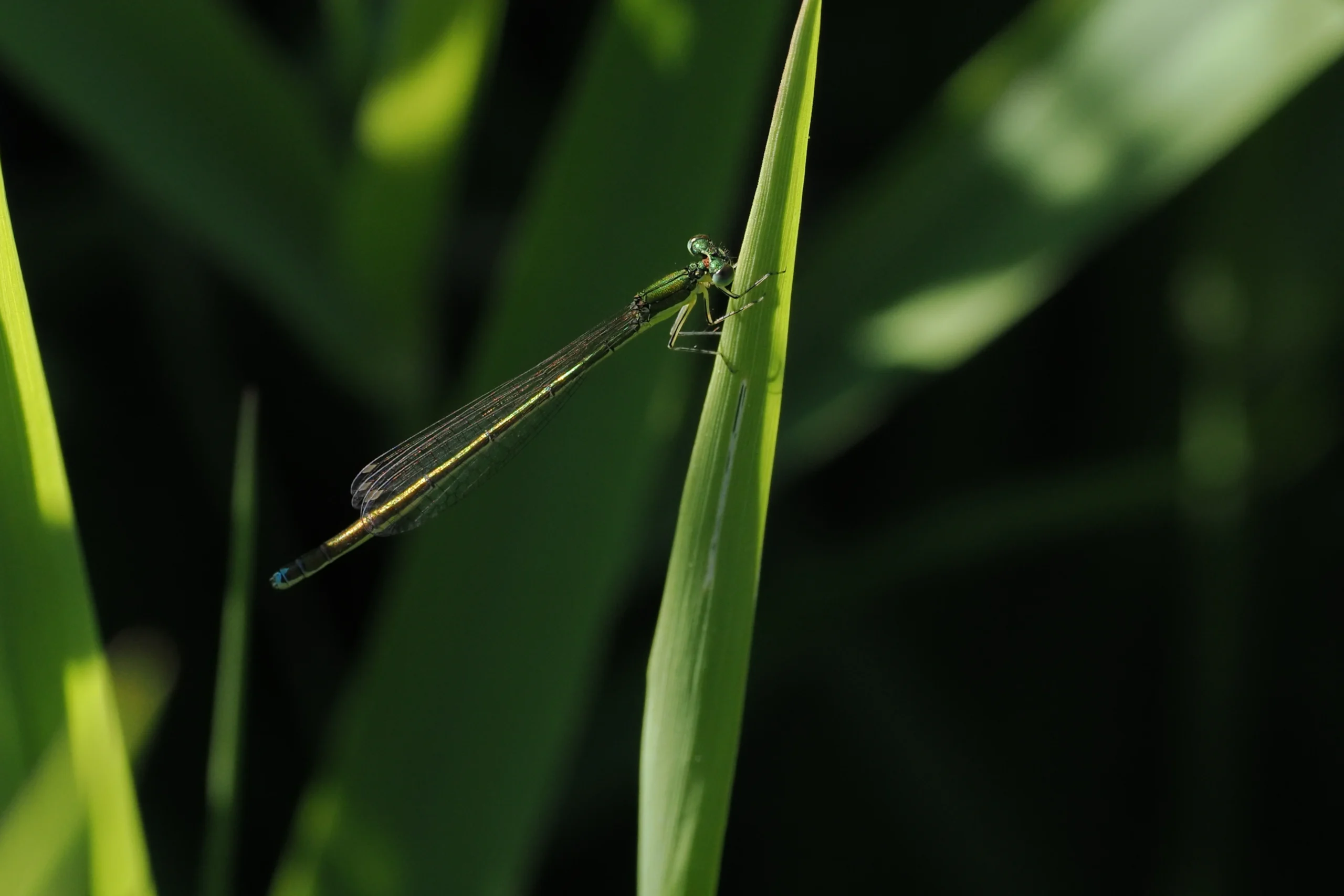
Look closely at a dragonfly hovering over a pond, its iridescent wings catching the morning light, and you might see the future of our planet dancing in miniature. These ancient insects—some of the oldest creatures to have ever taken to the skies—carry secrets that could help humanity navigate the environmental challenges ahead. While we’ve spent decades debating climate solutions and sustainable practices, one answer has been buzzing beneath our feet all along: insects.
The blue-tailed damselfly, the common dragonfly, and their countless cousins represent far more than backyard beauty. They are architects of ecosystems, engineers of decomposition, and surprisingly, potential saviours of a world struggling under the weight of unsustainable food systems. From the pollinators in our gardens to the decomposers enriching our soil, insects perform services worth trillions of dollars annually—services we cannot afford to lose.
The Unsung Heroes: How Insects Sustain Our World
Every second, somewhere on Earth, an insect is working. Whether it’s breaking down a fallen leaf, pollinating a flower that will become your morning coffee, or silently keeping pest populations in check, these small creatures form the backbone of virtually every terrestrial ecosystem. Their importance cannot be overstated—they are the connective tissue that holds nature together.
Biodiversity and the Insect Foundation
The word “biodiversity” gets thrown around frequently in environmental discussions, but what does it truly mean? At its core, biodiversity refers to the variety of life in a particular habitat or ecosystem—and insects are its most abundant inhabitants. With over one million described species (and millions more yet to be discovered), insects represent more than 60% of all known terrestrial animal species.
This remarkable diversity isn’t merely academic. Each species plays a unique role in the complex web of life, creating resilience against disease, climate shifts, and other disruptions. When we protect insects, we protect the very foundation upon which countless other species—including humans—depend.
Consider the humble dragonfly. Beyond its aerial acrobatics, this insect serves as a natural pest control expert, consuming hundreds of mosquitoes and other disease-carrying insects daily. A single dragonfly can eat its body weight in prey every hour, making it one of the most efficient predators in the insect world. Their appetite for mosquitoes and agricultural pests means fewer chemicals needed in our fields and fewer diseases spreading through communities.
Bio-indicators: Insects as Nature’s Early Warning System
Scientists have long recognized certain insects as bio-indicators of ecosystem health. These creatures react rapidly to environmental changes, serving as living monitors of ecological conditions. The presence or absence of particular species can tell us volumes about the health of an environment.
Dragonflies and damselflies, for instance, require clean water to breed. Their larvae develop exclusively in unpolluted aquatic environments, making them excellent indicators of water quality. When these insects disappear from an area, it often signals that something has gone wrong in the ecosystem—perhaps pollution, habitat destruction, or climate disruption.
This system (early warning system) works both ways. Healthy, diverse insect populations typically indicate thriving ecosystems, while declining numbers can predict environmental problems before they become catastrophic. By paying attention to our insect populations, we gain valuable insights into the overall health of our planet.
The pollination Powerhouses: Why Bees Aren’t the Only Heroes
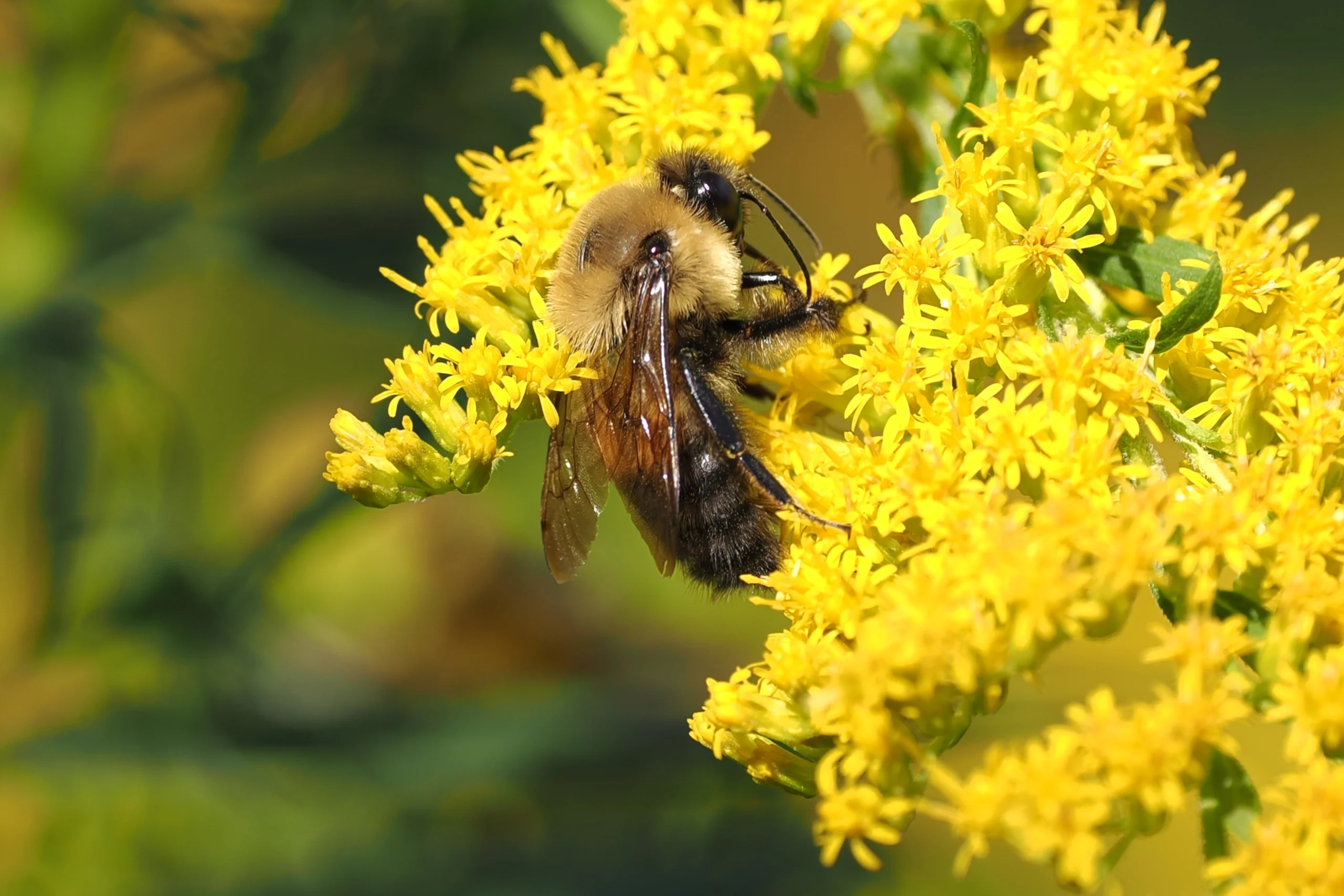
When most people think of pollination, honeybees immediately come to mind. While bees are indeed crucial—responsible for pollinating roughly one-third of the food we eat—focusing solely on bees ignores a vast network of other pollinators doing essential work.
Butterflies, moths, beetles, flies, and even some ants contribute significantly to pollination. Insects collectively pollinate approximately 80% of all flowering plants, including countless crops that feed billions of people. Without these tiny workers, our agricultural systems would collapse entirely.
The economic value of insect pollination is staggering. Studies estimate that insects pollinate crops worth hundreds of billions of dollars annually. From the apples in your lunchbox to the coffee beans starting your morning, insects are intimately involved in producing the foods we rely upon every day.
What’s more remarkable is the efficiency of this system. Insects have co-evolved with plants over millions of years, developing perfectly synchronized relationships. The shape of a flower’s petals, its color, its scent—all have evolved to attract specific pollinators. This intricate dance between insects and plants represents one of nature’s most elegant solutions to reproduction and survival.
The Foundation of the Food Chain
Ask any ornithologist, herpetologist, ichthyologist, or wildlife biologist what concerns them most about declining insect populations, and you’ll hear a consistent theme: the foundation of the food chain is crumbling beneath our feet.
Insects are a primary food source for a remarkable variety of wildlife. Songbirds feed their hatchlings almost exclusively on insects during breeding season. Frogs and toads consume vast quantities of insects throughout their lives. Fish—particularly trout and bass—rely heavily on aquatic insect larvae. Even bats, those misunderstood nocturnal hunters, consume enormous numbers of insects each night, including many agricultural pests.
The mathematics of this relationship are stark and concerning. When insect populations decline, the wildlife that depends on them follows suit. Studies have documented dramatic drops in bird populations worldwide, with habitat loss and reduced insect availability cited as primary causes. In some regions, certain bird species have declined by over 50% in recent decades—a trajectory that cannot continue without profound ecological consequences.
This interconnectedness extends beyond what meets the eye. The insects that feed our wildlife also contribute to nutrient cycling, soil health, and plant diversity. Their decline creates cascading effects throughout ecosystems, effects we’re only beginning to understand.
Insects and the Circular Economy
Beyond their ecological importance, insects offer remarkable potential for addressing some of humanity’s most pressing challenges—particularly those related to waste, food production, and sustainable resources. This is where insects truly shine as agents of environmental restoration.
Converting Food Waste into Value
The world produces approximately 1.3 billion tonnes of food waste annually—roughly one-third of all food grown for human consumption. This waste represents not only moral failing in a world where hunger persists but also an enormous environmental burden as decomposing organic matter releases methane, a potent greenhouse gas.
Here’s where insects offer an elegant solution. Certain species, particularly black soldier fly larvae, can consume virtually any organic matter—from restaurant leftovers to agricultural waste—transforming what would otherwise be garbage into valuable protein and biomass. These remarkable creatures can convert up to 25% of their food intake into body mass, making them extraordinarily efficient at turning waste into value.
Industrial insect farming operations are now scaling this natural process. Companies around the world are cultivating insects specifically to process organic waste, creating circular systems where nothing goes to waste. The larvae eventually become protein-rich animal feed or even human food, completing the loop.
From Farm to Fork: Insects as Food and Feed
The concept of eating insects might seem unusual to Western audiences, but approximately two billion people worldwide regularly consume insects as part of their diets. From roasted crickets in Thailand to mealworm tacos in Mexico, entomophagy—the practice of eating insects—has sustained human societies for millennia.
From an environmental perspective, insects represent an extraordinarily efficient source of protein. Consider the numbers: to produce just one kilogram of protein, a cow generates approximately 2,850 grams of greenhouse gases. The same amount of cricket-based protein produces merely 1 gram of greenhouse gases—a differential that becomes enormous when scaled to global food production.
Water usage tells a similar story. Producing one kilogram of beef protein requires approximately 22,000 litres of water. The same amount of cricket protein requires only about 1 litre. This efficiency means insect farming could dramatically reduce the environmental footprint of food production while still feeding a growing global population.
Beyond direct human consumption, insects also offer tremendous potential as animal feed. Fishmeal, currently used extensively in aquaculture, requires massive amounts of wild-caught fish. Insect protein could replace much of this demand, reducing overfishing pressure while creating sustainable aquaculture systems.
Frass: The Gift That Keeps on Giving
Even insect waste proves valuable. “Frass”—the polite term for insect excrement—makes an exceptional organic fertilizer. Rich in nitrogen, phosphorus, and potassium, frass can replace synthetic fertilizers that damage ecosystems and require enormous energy to produce.
Studies have shown that crops grown with insect frass demonstrate improved growth, disease resistance, and nutritional content compared to those grown with conventional fertilizers. This represents another way insects contribute to sustainable agriculture while closing nutrient loops in our food systems.
Revolutionary Biomaterials
Perhaps most surprisingly, insects are inspiring entirely new categories of sustainable materials. Researchers are studying insect exoskeletons—composed primarily of chitin—to develop biodegradable plastics, water-resistant coatings, and even medical bandages that promote healing.
Silk, produced by silkworm larvae, has been used for thousands of years and continues to inspire new applications. Beyond traditional textiles, scientists are exploring silk-based materials for drug delivery, tissue engineering, and biodegradable packaging. This ancient material, refined by evolution over millions of years, offers properties synthetic materials cannot match.
Beeswax, too, finds new applications beyond traditional candle-making. Its water-resistant properties and natural antimicrobial characteristics make it valuable for cosmetics, food preservation, and even as a sustainable alternative to petroleum-based products.
The Environmental Math: Why Insects Matter
Our current food systems are fundamentally unsustainable. Food production accounts for approximately 60% of global biodiversity loss and contributes significantly to climate change, overfishing, and water scarcity. The way we produce meat, in particular, places enormous strain on planetary resources.
Consider land use: approximately 50% of the Earth’s habitable land—about 51 million square kilometres—currently supports agriculture. Of this, more than 70% is dedicated to livestock production, whether for direct meat consumption or growing feed crops. This represents an astonishing allocation of planetary real estate, much of it driving deforestation as forests are cleared for pasture or feed crop cultivation.
Insects offer a genuine alternative. They require a fraction of the land, produce minimal greenhouse gases, and can be raised on waste materials that would otherwise contribute to pollution. Transitioning even a portion of global protein production toward insect-based sources could free up millions of square kilometres of land for forest regeneration, biodiversity restoration, or other ecosystem services.
The mathematics are compelling. If we replaced just 10% of current meat consumption with insect protein, the environmental benefits would be substantial. Reduced land pressure would allow ecosystems to recover. Lower greenhouse gas emissions would help address climate change. Decreased water usage would preserve freshwater resources for other essential purposes.
Frequently Asked Questions
Are insects safe to eat?
Yes, when properly raised and prepared, insects are safe and nutritious. Like any food, they must be sourced from clean environments and prepared appropriately. Many cultures have consumed insects safely for millennia, and modern food safety standards ensure commercial insect products meet strict requirements.
What do insects taste like?
Taste varies by species. Crickets are often described as nutty or slightly earthy. Mealworms taste somewhat like roasted almonds. Hornworms are reportedly bland. The cooking method and seasonings significantly influence final flavor, just as with any other ingredient.
Can insect farming really help the environment?
Absolutely. Insect farming produces dramatically lower greenhouse gas emissions, requires far less water and land, and can process organic waste that would otherwise contribute to pollution. While not a complete solution to environmental challenges, insect agriculture represents a meaningful part of a sustainable food future.
Are insects going to replace traditional livestock?
Probably not entirely, but they will likely become an increasingly important protein source. Consumer acceptance varies by culture, and many people will continue preferring traditional meat. However, insect protein will almost certainly become more common in animal feed, processed foods, and eventually direct human consumption.
How can I support insect populations?
Several actions make a difference: planting native flowers that support pollinators, reducing pesticide use, creating habitats like insect hotels or undisturbed garden areas, supporting sustainable agriculture, and reducing food waste. Even small changes in individual gardens collectively create meaningful habitat for struggling insect populations.
Conclusion: A Call to Embrace the Insect Revolution
The dragonfly doesn’t know it’s saving the planet. The decomposer beetle, busily breaking down fallen leaves in your garden, has no awareness that it’s contributing to soil health essential for growing food. The busy pollinator visiting your flowers simply follows ancient instincts, unaware of the crop yields it ensures.
Yet we—aware, thoughtful, capable of choice—can recognize what these tiny creatures do for us and choose to protect and harness their capabilities. The insects have been doing their part for hundreds of millions of years. Now it’s our turn.
Whether through supporting sustainable insect farming, reducing our consumption of resource-intensive meats, or simply creating welcoming habitats for wild insects, each of us can contribute to a future where insects help solve the environmental challenges we face. The smallest creatures on Earth may indeed hold the biggest keys to our planetary survival.
The next time you see a dragonfly hovering over a pond or watch a line of ants diligently working across your sidewalk, pause for a moment. You’re witnessing nature’s most effective problem-solvers at work—creatures that might just help us find our way to a more sustainable future.
Start today: plant a pollinator garden, reduce your food waste, or simply learn more about the insects in your neighbourhood. Every action matters when we’re working with nature rather than against it.