
Heat Pump vs Furnace: Which Is Really Cheaper to Run in 2026
Read time:

Picture this: It’s January, the wind is howling outside, and your heating bill just arrived. Your jaw drops. Again? You’re not alone—millions of homeowners face the same sticker shock every winter. But here’s the kicker: the type of heating system you use could be the difference between a cozy, budget-friendly winter and a financial deep freeze.
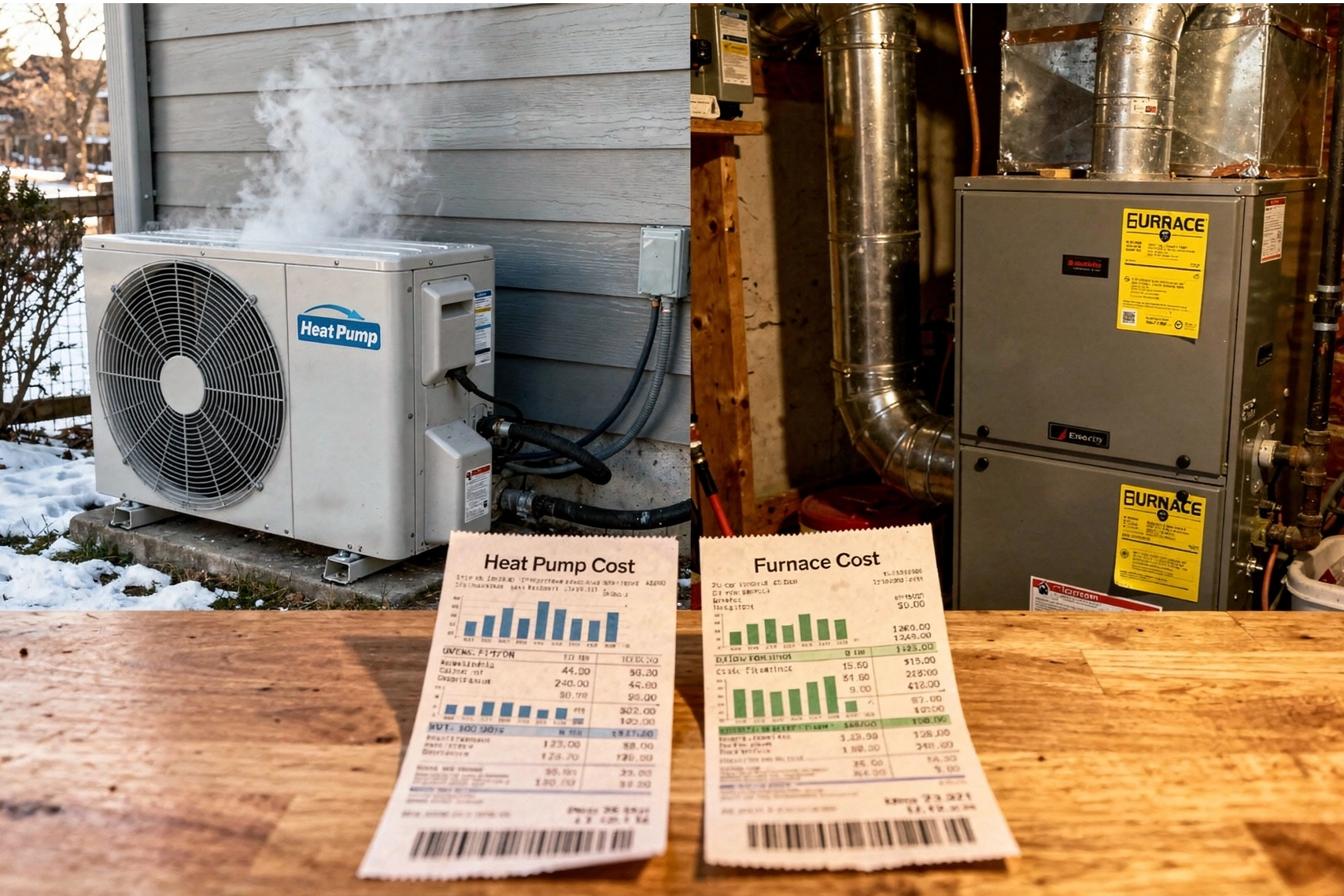
So, which is cheaper to run—a heat pump or a furnace? The answer isn’t as simple as flipping a switch. It depends on where you live, how efficient your system is, and even the cost of electricity vs. gas in your area. In this guide, we’ll break down the real costs, efficiency ratings, and long-term savings of both systems so you can make the smartest choice for your home—and your wallet.
How Heat Pumps and Furnaces Work: The Basics
Before we crunch the numbers, let’s get one thing straight: heat pumps and furnaces don’t work the same way. Understanding the difference is key to figuring out which one will save you money.
What Is a Heat Pump?
A heat pump is like a two-way air conditioner. In the summer, it pulls heat out of your home to cool it down. In the winter, it reverses the process, extracting heat from the outdoor air (yes, even when it’s cold!) and pumping it inside. There are two main types:
- Air-source heat pumps: The most common type, which transfers heat between your home and the outside air.
- Ground-source (geothermal) heat pumps: These use the stable temperature of the ground to heat and cool your home. They’re more efficient but also more expensive to install.
What Is a Furnace?
A furnace is a more traditional heating system that burns fuel (natural gas, oil, or propane) to generate heat. It then blows that heat through ducts to warm your home. Furnaces come in different efficiency levels, measured by their Annual Fuel Utilization Efficiency (AFUE) rating. The higher the AFUE, the more efficient the furnace.
So, which one is cheaper to run? Let’s dive into the numbers.
The Cost Breakdown: Heat Pump vs Furnace Running Costs
When comparing heat pump running costs to furnace running costs, you need to consider three main factors:
- Energy source costs (electricity vs. gas/oil).
- System efficiency.
- Climate and regional differences.
1. Energy Source Costs: Electricity vs. Gas
The cost of electricity vs. natural gas (or other fuels) varies wildly depending on where you live. Here’s a quick snapshot of average costs in the U.S. (as of 2024):
- Electricity: ~$0.16 per kilowatt-hour (kWh) (national average).
- Natural gas: ~$1.50 per therm (national average).
- Propane: ~$2.50 per gallon.
- Heating oil: ~$4.00 per gallon.
At first glance, natural gas looks cheaper than electricity. But here’s the catch: heat pumps are far more efficient than furnaces. A high-efficiency heat pump can deliver 300% or more efficiency, meaning it produces 3 units of heat for every 1 unit of electricity it consumes. A furnace, even a high-efficiency one, maxes out at around 98% efficiency.
2. System Efficiency: HSPF vs AFUE
Efficiency ratings are where the rubber meets the road. Here’s how they compare:
- Heat Pump Efficiency (HSPF): The Heating Seasonal Performance Factor (HSPF) measures a heat pump’s efficiency. The higher the HSPF, the more efficient the system. Modern heat pumps have HSPF ratings between 8 and 13. For every 1 point increase in HSPF, you can expect about a 10% reduction in electricity use.
- Furnace Efficiency (AFUE): The Annual Fuel Utilization Efficiency (AFUE) measures how much fuel a furnace converts into usable heat. A furnace with an AFUE of 95% converts 95% of its fuel into heat, while the remaining 5% is lost through exhaust or other inefficiencies. High-efficiency furnaces have AFUE ratings of 90% or higher.
Let’s put this into perspective. A heat pump with an HSPF of 10 will use about 30% less energy than a furnace with an AFUE of 95% to produce the same amount of heat. That’s a huge difference in running costs.
3. Climate Matters: Where You Live Changes Everything
Here’s where things get interesting. Heat pumps are incredibly efficient in moderate climates, where temperatures rarely dip below freezing. But in cold climates, their efficiency drops as the outdoor temperature falls. That’s because there’s less heat in the air for the pump to extract.
Furnaces, on the other hand, maintain their efficiency regardless of outdoor temperatures. So, if you live in a place like Minnesota or Maine, a furnace might be the cheaper option. But if you’re in Georgia or California, a heat pump could save you a bundle.
To give you a better idea, here’s a quick comparison of heat pump vs furnace cost per month in different climates:
| Climate | Heat Pump (Monthly Cost) | Furnace (Monthly Cost) |
|---|---|---|
| Mild (e.g., California, Georgia) | $50–$100 | $80–$150 |
| Moderate (e.g., Virginia, North Carolina) | $80–$130 | $100–$180 |
| Cold (e.g., Minnesota, New York) | $150–$250 | $120–$200 |
As you can see, heat pumps shine in milder climates, while furnaces have the edge in colder regions. But there’s more to the story—let’s talk about upfront costs.
Upfront Costs: Installation and Equipment
Running costs aren’t the only thing to consider. The upfront cost of installing a heat pump vs furnace can vary significantly. Here’s what you need to know:
Heat Pump Installation Costs
The cost of installing a heat pump depends on the type and size of the system. Here’s a rough breakdown:
- Air-source heat pump: $3,500–$7,500 (including installation).
- Ductless mini-split heat pump: $2,000–$5,000 per zone.
- Geothermal heat pump: $10,000–$30,000 (including installation).
Heat pumps are generally more expensive to install than furnaces, especially if you’re retrofitting a home that doesn’t already have ductwork. However, they can also serve as air conditioners in the summer, which can offset some of the cost.
Furnace Installation Costs
Furnaces are typically cheaper to install, but costs vary based on fuel type and efficiency:
- Natural gas furnace: $2,500–$6,000 (including installation).
- Oil furnace: $3,000–$7,000 (including installation).
- Propane furnace: $3,000–$6,500 (including installation).
If your home already has ductwork, installing a furnace is usually straightforward and affordable. But if you need to add ducts, costs can skyrocket.
Which Is Cheaper to Install?
On average, furnaces are cheaper to install than heat pumps. However, heat pumps offer year-round comfort (heating and cooling), which can make them a better long-term investment. Plus, many states offer rebates and tax credits for installing energy-efficient heat pumps, which can help offset the upfront cost.
Long-Term Savings: Which System Pays Off Over Time?
When deciding between a heat pump vs furnace, it’s important to think beyond the upfront costs. Let’s look at the long-term savings potential of each system.
Heat Pump Savings
Heat pumps are the clear winner when it comes to long-term savings, especially in moderate climates. Here’s why:
- Lower running costs: As we saw earlier, heat pumps are more efficient than furnaces, which means lower monthly energy bills.
- Dual functionality: Heat pumps provide both heating and cooling, eliminating the need for a separate air conditioner.
- Rebates and incentives: Many states and utility companies offer rebates for installing energy-efficient heat pumps. For example, the Inflation Reduction Act offers tax credits of up to $2,000 for heat pump installations.
- Longer lifespan: Heat pumps typically last 15–20 years, while furnaces last 15–25 years. However, heat pumps require less maintenance, which can save you money over time.
Furnace Savings
Furnaces have their own advantages, particularly in cold climates:
- Lower upfront cost: Furnaces are generally cheaper to install than heat pumps.
- Consistent performance: Furnaces maintain their efficiency even in sub-zero temperatures, while heat pumps may struggle.
- Lower repair costs: Furnaces are simpler systems, which means repairs are often cheaper and less frequent.
Which System Saves You More Money?
To determine which system is cheaper in the long run, let’s look at a hypothetical 10-year cost comparison for a 2,000-square-foot home in a moderate climate:
| Cost Factor | Heat Pump | Furnace |
|---|---|---|
| Installation Cost | $6,000 | $4,000 |
| Annual Energy Cost | $800 | $1,200 |
| Maintenance Cost (10 years) | $1,000 | $1,500 |
| Total 10-Year Cost | $15,000 | $17,500 |
In this scenario, the heat pump saves you $2,500 over 10 years. But remember, this is just an example. Your actual savings will depend on your climate, energy costs, and system efficiency.
Environmental Impact: Which System Is Greener?
If you’re eco-conscious, you’ll want to consider the environmental impact of your heating system. Here’s how heat pumps and furnaces stack up:
Heat Pumps: The Eco-Friendly Choice
Heat pumps are one of the most environmentally friendly heating options available. Here’s why:
- No direct emissions: Heat pumps run on electricity, so they don’t produce any on-site emissions. If your electricity comes from renewable sources (like solar or wind), your heat pump can be nearly carbon-neutral.
- High efficiency: Because heat pumps transfer heat rather than generate it, they use far less energy than furnaces.
- Reduced fossil fuel dependence: By using electricity instead of gas or oil, heat pumps help reduce reliance on fossil fuels.
Furnaces: The Carbon Footprint
Furnaces, especially those that run on natural gas or oil, have a larger carbon footprint:
- Direct emissions: Burning natural gas or oil releases carbon dioxide (CO2) and other greenhouse gases into the atmosphere.
- Lower efficiency: Even high-efficiency furnaces lose some energy through exhaust, which contributes to their environmental impact.
- Fossil fuel dependence: Furnaces rely on finite resources like natural gas and oil, which are subject to price volatility and geopolitical risks.
If you’re looking to reduce your carbon footprint, a heat pump is the clear winner. But if you’re in a cold climate and need a reliable heating source, a high-efficiency furnace is still a better option than an older, less efficient model.
Which System Is Right for You? A Quick Decision Guide
Still not sure whether a heat pump or furnace is the right choice for your home? Here’s a quick decision guide to help you weigh the pros and cons:
Choose a Heat Pump If:
- You live in a moderate or mild climate (e.g., the southern or coastal U.S.).
- You want a single system for heating and cooling.
- You’re looking for long-term energy savings and lower monthly bills.
- You want to reduce your carbon footprint.
- You qualify for rebates or tax credits for energy-efficient upgrades.
Choose a Furnace If:
- You live in a cold climate (e.g., the northern U.S. or Canada).
- You already have ductwork in your home.
- You want a lower upfront cost.
- You prefer a simple, reliable system with lower repair costs.
- Natural gas is cheap and readily available in your area.
FAQs: Heat Pump vs Furnace
1. Are heat pumps cheaper to run than furnaces?
In most cases, yes—especially in moderate climates. Heat pumps are more efficient than furnaces, which means they use less energy to produce the same amount of heat. However, in very cold climates, a furnace may be cheaper to run.
2. How much can I save with a heat pump vs a furnace?
Savings vary depending on your climate, energy costs, and system efficiency. On average, homeowners in moderate climates can save 20–50% on heating costs with a heat pump compared to a furnace. In cold climates, the savings may be minimal or even negative.
3. Do heat pumps work in cold weather?
Yes, but their efficiency drops as temperatures fall. Modern cold-climate heat pumps can operate efficiently in temperatures as low as -15°F (-26°C). However, in extremely cold climates, a furnace may be a better option.
4. How long do heat pumps and furnaces last?
Heat pumps typically last 15–20 years, while furnaces last 15–25 years. However, heat pumps require less maintenance, which can extend their lifespan.
5. Can I replace my furnace with a heat pump?
Yes, but it may require additional work. If your home doesn’t have ductwork, you’ll need to install a ductless mini-split heat pump or add ducts. You’ll also need to ensure your electrical system can handle the increased load.
6. Are there any rebates for installing a heat pump?
Yes! Many states and utility companies offer rebates for installing energy-efficient heat pumps. The Inflation Reduction Act also provides tax credits of up to $2,000 for heat pump installations. Check with your local utility company or a qualified HVAC contractor to see what incentives are available in your area.
Final Verdict: Which Is Cheaper to Run?
So, which is cheaper to run—a heat pump or a furnace? The answer depends on where you live, your energy costs, and your long-term goals. Here’s the bottom line:
- Heat pumps are cheaper to run in moderate climates, where they can save you 20–50% on heating costs compared to a furnace. They’re also more environmentally friendly and offer year-round comfort.
- Furnaces are cheaper to run in cold climates, where heat pumps struggle to maintain efficiency. They’re also simpler and cheaper to install, making them a good option for homeowners on a budget.
If you’re still on the fence, consider a hybrid system—a heat pump paired with a furnace. This setup uses the heat pump for mild weather and switches to the furnace when temperatures drop, giving you the best of both worlds.
Ready to Make the Switch? Here’s What to Do Next
If you’re ready to upgrade your heating system, here’s how to get started:
- Assess your climate: Determine whether a heat pump or furnace is better suited to your region.
- Get a home energy audit: A professional audit can identify inefficiencies in your home and recommend the best heating system for your needs.
- Compare quotes: Contact at least three HVAC contractors to compare installation costs and system options.
- Check for rebates: Look into federal, state, and local incentives for energy-efficient upgrades.
- Schedule an installation: Once you’ve chosen a system, schedule the installation with a reputable contractor.
Don’t let another winter pass with sky-high heating bills. Whether you choose a heat pump or a furnace, making the right choice now can save you thousands of dollars in the long run. So, what are you waiting for? Start exploring your options today and take the first step toward a warmer, more cost-effective home.