The Sweet Science Behind Honey: Why Bees Make Nature’s Golden Nectar
Read time:

Imagine a single teaspoon of honey. It represents the lifelong efforts of approximately twelve worker bees—each one making dozens of trips, traveling the equivalent of three times around the globe, and sacrificing their lives in service to the colony. Honey is not merely a sweet treat we drizzle on toast; it’s a remarkable survival strategy that has allowed bees to thrive for over 100 million years. Understanding how and why bees make honey reveals one of nature’s most extraordinary engineering feats, and it explains why protecting these tiny pollinators is essential to human food security.
This article explores every stage of honey production, from the moment a bee leaves the hive searching for flower blossoms to the final sealing of honeycomb cells. You’ll discover the intricate processes that transform liquid nectar into golden honey, learn how much honey hives actually produce, and understand why preserving bee populations matters more than ever to global agriculture.
What Is Honey and Why Do Bees Make It?
Honey is essentially concentrated nectar—a sweet, energy-rich substance that flowers produce to attract pollinators. When bees collect nectar and return it to the hive, they transform it through a remarkable biochemical process that creates honey: a stable, long-lasting food source that can sustain the colony through winter months and periods when flowers are scarce.
Why do bees make honey? The answer lies in survival. Unlike humans who can run to the grocery store during tough times, honeybees rely entirely on what they’ve stored within their hive. A single colony may contain 20,000 to 80,000 bees, and during winter, they cannot venture out to forage. The honey they produce throughout warmer months becomes their sole source of carbohydrates, providing the energy needed to generate body heat and keep the hive alive through cold temperatures.
This explains why bees work so tirelessly during peak flowering season. A strong colony may consume 60 to 100 pounds of honey annually just to sustain itself. The honey serves as both food and climate control—bees fan their wings to evaporate excess moisture from nectar, and the metabolic heat generated by tens of thousands of bees creates a hive temperature of approximately 95°F (35°C), regardless of how cold it is outside.
The Journey of Nectar: How Bees Collect It
The honey-making process begins when worker bees—females that do not reproduce and comprise the majority of the hive’s population—venture out in search of nectar-rich flowers. These foragers use their excellent color vision and sense of smell to locate blossoms, remembering floral scents and remembering which flowers have already been visited.
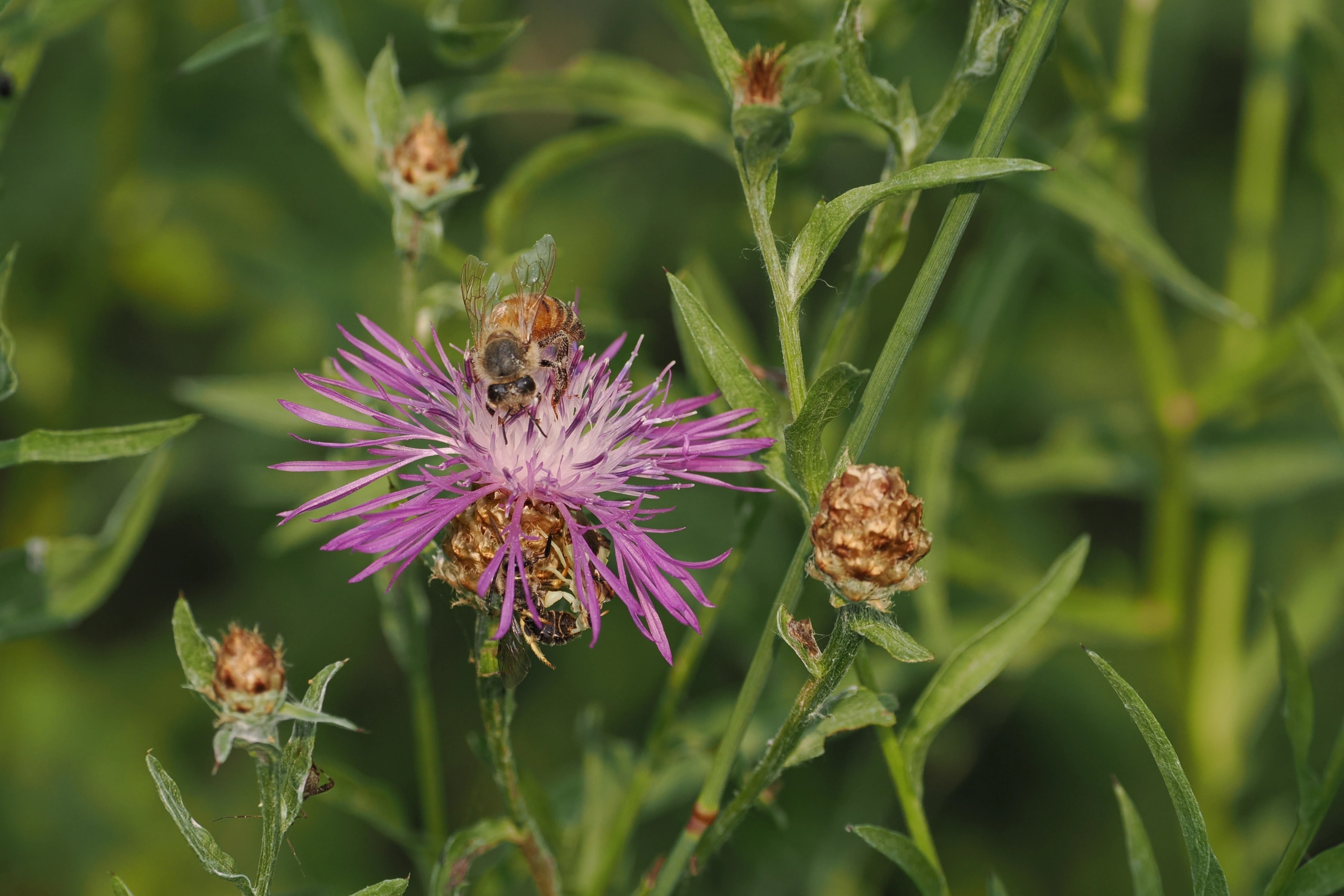
When a forager bee lands on a flower, she uses her long, tube-shaped tongue called a proboscis to sip the nectar from the flower’s nectaries. The nectar is primarily water (about 70-80%) along with varying amounts of sugars, including sucrose, fructose, and glucose. The sugar concentration depends on the flower type—some blooms produce sweeter nectar than others, which influences both the flavor and color of the final honey.
Forager bees have a special stomach called the honey crop or nectar crop, which is separate from their digestive stomach. This crop can hold up to 70 milligrams of nectar—about half the bee’s body weight. While carrying this load, the bee’s body works to add enzymes that begin breaking down complex sugars into simpler forms, starting the transformation process even before she returns to the hive.
A single forager may visit 50 to 100 flowers during one collecting trip, and she will make approximately 10 to 15 such trips per day. Each trip takes anywhere from 30 minutes to several hours, depending on how far flowers are from the hive. Bees communicate the location of fruitful foraging grounds to their nestmates through the famous “waggle dance”—a figure-eight pattern that conveys direction, distance, and quality of food sources.
How Do Bees Carry Nectar Back to the Hive?
The question of how bees carry nectar back to the hive is central to understanding honey production. The answer lies in their remarkable anatomy and social organization. As mentioned, forager bees store nectar in their honey crop—a specialized pouch connected to their esophagus but separate from their digestive system. This allows them to transport liquid nectar without digesting it.
When the honey crop is full, the forager bee returns to the hive. She may transfer the nectar directly to a house bee—an indoor worker—or she may deposit it into an empty honeycomb cell. The transfer process is remarkable: the forager regurgitates the nectar, and the receiving bee takes it into her own honey crop, adding more enzymes in the process. This passing of nectar from bee to bee is called trophallaxis, and it serves a crucial purpose beyond mere transport.
Each time nectar passes through a bee, it mixes with enzymes that transform its chemical composition. The primary enzyme, invertase, breaks down sucrose (a double sugar) into glucose and fructose (single sugars). Another enzyme, glucose oxidase, converts some glucose into gluconic acid, which gives honey its slight acidity and helps preserve it by inhibiting bacterial growth.
This repeated regurgitation and enzyme addition continues until the nectar has been sufficiently transformed. The bees then spread the partially processed nectar throughout the hive, placing small amounts into many cells rather than filling a few cells completely. This maximizes the surface area exposed to air, speeding evaporation.
What Happens to Nectar Inside the Hive?
What happens to nectar in the hive represents one of nature’s most sophisticated food processing operations. After foragers bring nectar back to the hive, house bees take over the job of transforming it into honey. This process involves several critical steps that can take anywhere from several days to several weeks, depending on environmental conditions.
First, the nectar is spread thin across honeycomb cells. Bees fan the honeycomb with their wings, creating air circulation that evaporates water from the nectar. This is crucial: raw nectar contains far too much water to preserve properly. Honey must contain less than 18.6% water to prevent fermentation and bacterial growth. Bees naturally reduce the water content to around 17-18%, sometimes even lower.
Throughout this process, house bees continuously add enzymes and move the nectar from cell to cell, gradually transforming it from a thin, sugary liquid into the thick, golden substance we recognize as honey. The repeated processing, combined with the fanning action, reduces water content while concentrating the sugars.
Once honey reaches the proper consistency, bees seal the filled cells with wax caps. This final sealing protects the honey from moisture and air, allowing it to remain edible for years—even decades in some cases. Archaeologists have found pots of honey in ancient Egyptian tombs that were still perfectly edible after thousands of years.
The Honeycomb: Nature’s Perfect Storage Solution
The honeycomb structure is itself an engineering marvel. Bees construct hexagonal cells from beeswax—a substance they produce from special glands on their abdomens. The hexagon is not arbitrary; it’s the most efficient shape for storing the maximum amount of material while using the minimum amount of wax. Mathematicians have proven that hexagons provide 25% more storage capacity than any other shape using the same materials.
Honeycomb structure and function serve multiple purposes within the hive. The cells store honey (the colony’s food reserve) and pollen (their protein source), and they also serve as nurseries for developing larvae. The hexagonal shape provides structural strength, allowing bees to build expansive comb sections that can support significant weight—honey is dense, and a fully capped honeycomb can weigh several pounds.
The wax itself is secreted by young worker bees between approximately 12 and 20 days old. These bees have specialized wax glands on the underside of their abdomens that produce flakes of wax when the bees are well-fed and the hive is warm. To create just one pound of beeswax, bees must consume approximately eight pounds of honey—a significant energy investment that explains why bees are such efficient architects.
The honeycomb’s design also facilitates the fanning process that evaporates water from nectar. The open cells allow air circulation, and bees strategically position themselves to maximize airflow throughout the hive. Some bees stand at the hive entrance, fanning rapidly to draw fresh air inside, while others work inside, circulating air across the honeycomb cells.
How Much Honey Does a Hive Produce?
Commercial beekeepers and researchers have studied how much honey a hive produces extensively, and the numbers can be surprising. A healthy, productive hive in optimal conditions may produce 60 to 100 pounds of surplus honey per year—honey that beekeepers can harvest without harming the colony, as bees typically produce more than they need for survival.
However, this figure varies dramatically based on numerous factors. Geographic location matters enormously: hives in regions with abundant, diverse flowering plants (such as California’s almond orchards or New Zealand’s manuka forests) may produce far more than the average. Weather conditions, colony health, and the presence of competing nectar sources all influence honey production.
In suboptimal conditions—a drought year, for example, or a region with limited floral diversity—a hive might produce only 20 to 30 pounds of surplus honey, or none at all. Some years, beekeepers must actually feed their colonies sugar water to prevent starvation because natural nectar sources were insufficient. This underscores how delicate the balance is between bees and their environment.
From a commercial perspective, the United States produces approximately 150 million pounds of honey annually, with China, Argentina, and Turkey being the world’s largest producers. Global honey production exceeds 1.8 million metric tons per year, representing a multi-billion dollar industry. Yet this economic value pales in comparison to the value bees provide through pollination services.
The Incredible Honey Output of a Single Bee
While hive-level production numbers are impressive, the contribution of individual bees is more modest yet still remarkable. How much honey does a bee make in its lifetime? The answer depends on the bee’s role and lifespan, but the numbers paint a fascinating picture.
A worker bee lives approximately six weeks during active foraging season (longer during winter months when bees remain in the hive). During her lifetime, a forager bee may produce about 1/12 teaspoon of honey—roughly 0.08 grams. This tiny amount represents her contributions from dozens of trips and thousands of flowers visited. A single teaspoon of honey (approximately 7 grams) requires the lifetime output of roughly 85 to 100 worker bees.
However, these individual contributions add up dramatically when multiplied across a colony. A strong hive might contain 40,000 to 60,000 worker bees during peak season, with perhaps 20,000 of them actively foraging. This army of collectors can produce remarkable quantities of honey relative to their size.
The efficiency of this system explains why bees have been so successful evolutionarily. While individual bees are small and relatively short-lived, their collective efforts create a superorganism capable of extraordinary achievements. The hive functions as a single entity, with each bee contributing to the whole—much like cells in a human body work together to sustain life.
Why Bees Matter: The Crucial Role of Pollinators in Agriculture
The true value of bees extends far beyond honey production. Importance of bees in agriculture cannot be overstated—these insects pollinate approximately one-third of the food we eat, contributing an estimated $15 billion to the United States agricultural economy alone and over $200 billion globally each year.
Most flowering food crops require pollination to produce fruit and seeds. Almonds, apples, blueberries, cherries, cucumbers, melons, pumpkins, squash, and sunflowers all depend heavily on bee pollination. Even crops that can be self-pollinated or wind-pollinated often produce significantly higher yields when bees visit. Studies show that strawberry yields increase by up to 30% when bees pollinate the flowers, and the strawberries themselves are larger, more uniform, and have better shelf life.
Bee pollination and the food chain are intimately connected. When bees visit flowers, they transfer pollen from male reproductive parts to female ones, enabling plants to produce fruits and seeds. These fruits and seeds feed not only humans but also countless other species—wild animals, birds, and insects that depend on them for sustenance. In this way, bees support entire ecosystems, not just agricultural systems.
The decline of bee populations therefore threatens food security at multiple levels. Colony Collapse Disorder (CCD), a phenomenon where worker bees mysteriously disappear from hives, has caused beekeepers to lose 30% to 40% of their colonies in some years. Pesticides, habitat loss, disease, parasites (particularly the varroa mite), and climate change all contribute to bee population declines worldwide.
Protecting Our Pollinators: What You Can Do
Understanding why preserving bees is crucial for food security leads naturally to the question of what individuals can do to help. The good news is that meaningful action is accessible to everyone, regardless of whether you live in a city apartment or on a rural farm.
Creating habitat is one of the most impactful steps you can take. Planting native flowers, herbs, and wildflowers provides bees with diverse, pesticide-free foraging sources. Even a small window box or container garden can help, but larger plantings are better. Avoid hybrid flowers, which often produce little or no nectar. Choose single-flowered varieties instead of double-flowered ones, and select plants that bloom at different times throughout the growing season to provide continuous food sources.
Reducing pesticide use is equally important. If you garden, opt for organic methods and avoid neonicotinoid insecticides, which have been linked to bee disorientation and mortality. Herbicides kill the dandelions, clover, and wildflowers that bees rely on, so consider tolerating some “weeds” in your lawn or garden.
Supporting local beekeepers by purchasing honey from them helps sustain beekeeping operations. Consider becoming a beekeeper yourself, or simply learn more about bees through local clubs and educational programs. Spreading awareness about the importance of pollinators amplify these efforts.
Finally, advocate for policies that protect pollinators at local, state, and national levels. Support legislation restricting harmful pesticides, funding for pollinator research, and conservation programs that preserve natural habitats.
Frequently Asked Questions About Bees and Honey
How long does it take bees to make honey?
The honey-making process typically takes two to three weeks from the time nectar is collected until it is properly cured and sealed in honeycomb cells. However, this timeline varies based on humidity, temperature, and how many bees are working on processing the nectar.
Do all bees make honey?
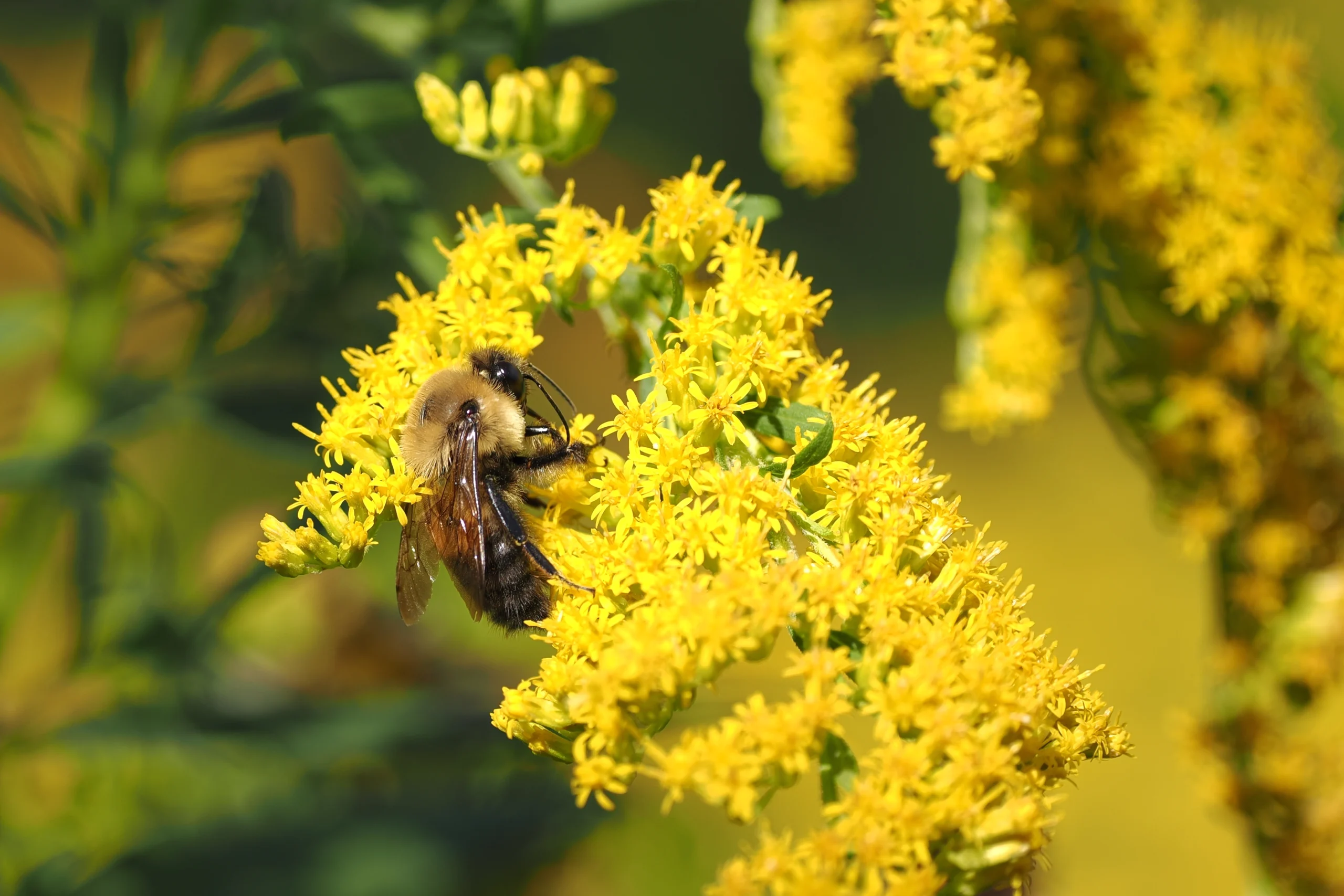
No. Honeybees (Apis mellifera and related species) are unique in their ability to produce surplus honey for storage. Other bee species, including bumblebees and solitary bees, produce small amounts of honey-like substances but not the quantities that allow them to survive winter as large colonies.
What determines honey’s color and flavor?
Honey’s characteristics depend primarily on the floral sources bees visit. Clover honey is typically light and mild, while buckwheat honey is dark and robust. Orange blossom honey carries citrus notes, and alfalfa honey has a delicate, sweet flavor. Color ranges from nearly colorless to deep amber, and darker honeys generally contain more antioxidants.
Can honey spoil?
Properly sealed honey essentially never spoils because its low moisture content and acidic pH create an inhospitable environment for bacteria and microorganisms. However, honey can ferment if it absorbs moisture from the air, which is why keeping it sealed is important.
Why do some people say local honey helps with allergies?
The theory is that consuming honey made from local pollen exposes you to small amounts of allergens, potentially building immunity. However, scientific evidence supporting this claim is limited, and the amount of pollen in honey is typically minimal compared to what’s needed for immunotherapy.
How do bees survive winter without nectar?
Bees remain in their hives throughout winter, forming a tight cluster to generate heat. They consume the honey they’ve stored and use their wing muscles to produce warmth, keeping the colony alive until spring when flowers bloom again. This is why removing too much honey from a hive can be fatal to the colony.
Honeybees have survived for millions of years by developing this remarkable system of cooperation, transformation, and storage. Their success offers lessons in sustainability, collective effort, and the delicate balance between species. Every jar of honey represents an ancient partnership between flowers and bees—a partnership that sustains ecosystems and human food supplies alike.
The next time you drizzle honey onto your morning tea or spread it on toast, pause for a moment to consider the extraordinary journey it represents: thousands of bees visiting millions of flowers, processing nectar through biochemical wizardry, and building hexagonal architecture that mathematicians still admire. Then consider what you can do to ensure these remarkable creatures continue their essential work for generations to come. Plant those flowers, support those beekeepers, and advocate for policies that protect pollinators—because when bees thrive, we all benefit.