
The Convergence of Autonomous Driving and Electric Vehicles: A New Era of Transportation
Read time:

Imagine a world where your car drives itself to recharge while you’re at work, where traffic jams are a distant memory, and where owning a vehicle feels as outdated as owning a telephone booth. This isn’t science fiction—it’s the rapidly unfolding reality of the convergence between autonomous driving technology and electric vehicles.
This powerful combination isn’t just about cooler rides or nifty gadgets. It’s fundamentally reshaping how we think about transportation, resource use, and our relationship with the planet. Whether you’re 45 or 75, this transformation will touch your life—perhaps sooner than you think.
Why This Convergence Matters to the Circular Economy
You’ve likely heard about the circular economy—the idea that we should keep resources in use for as long as possible, extracting maximum value before recycling. The convergence of autonomous driving technology and electric vehicles is a poster child for this philosophy.
Here’s how it works in practice. When an autonomous EV manages your driving, it does something remarkably clever: it optimizes everything. The system chooses the most efficient speed, selects routes that minimize wear and tear, and coordinates with other vehicles to maintain smooth traffic flow. This isn’t mere convenience—it’s mechanics with a conscience.
Consider your vehicle’s most expensive component: the battery. Traditional cars lose value the moment you drive them off the lot. But autonomous EVs powered by sophisticated monitoring systems can actively extend battery lifespan by avoiding deep discharge cycles, extreme temperatures, and rapid acceleration that accelerates degradation. We’re talking about potentially doubling battery life—and that means fewer batteries mining the earth.
Digital technologies including AI and the Internet of Things play crucial roles here. These systems create what engineers call a “digital thread”—complete visibility into every component’s condition. When it’s time to retire a vehicle, recyclers know exactly what’s inside. No more guessing games about battery chemistry or precious metal content. Everything stays traceable, and resources flow smoothly back into the manufacturing loop.
The Product-as-a-Service (PaaS) model takes this further. Instead of buying a car outright, you subscribe to transportation. Fleet owners maintain vehicles at optimal levels because their investment depends on longevity. You’re not stuck with a depreciating asset; you’re paying for reliable service. It’s a bit like streaming movies instead of buying a DVD collection—you get the value without the ownership headaches.
The Robotaxi Race: Who’s Leading the Pack?
The stakes in this race couldn’t be higher. We’re talking about a market that could transform urban transportation fundamentally. Major players are already deploying services, and the competition is intensifying weekly.
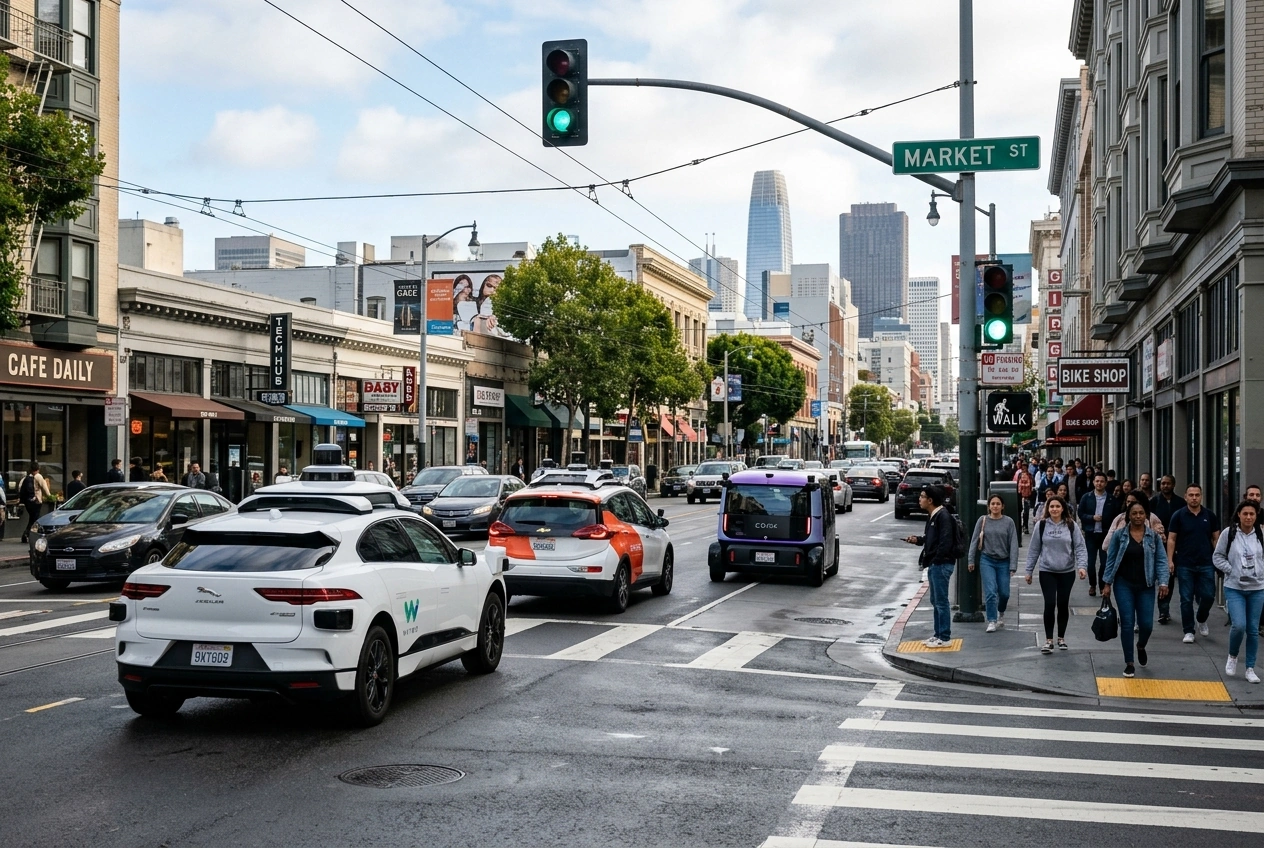
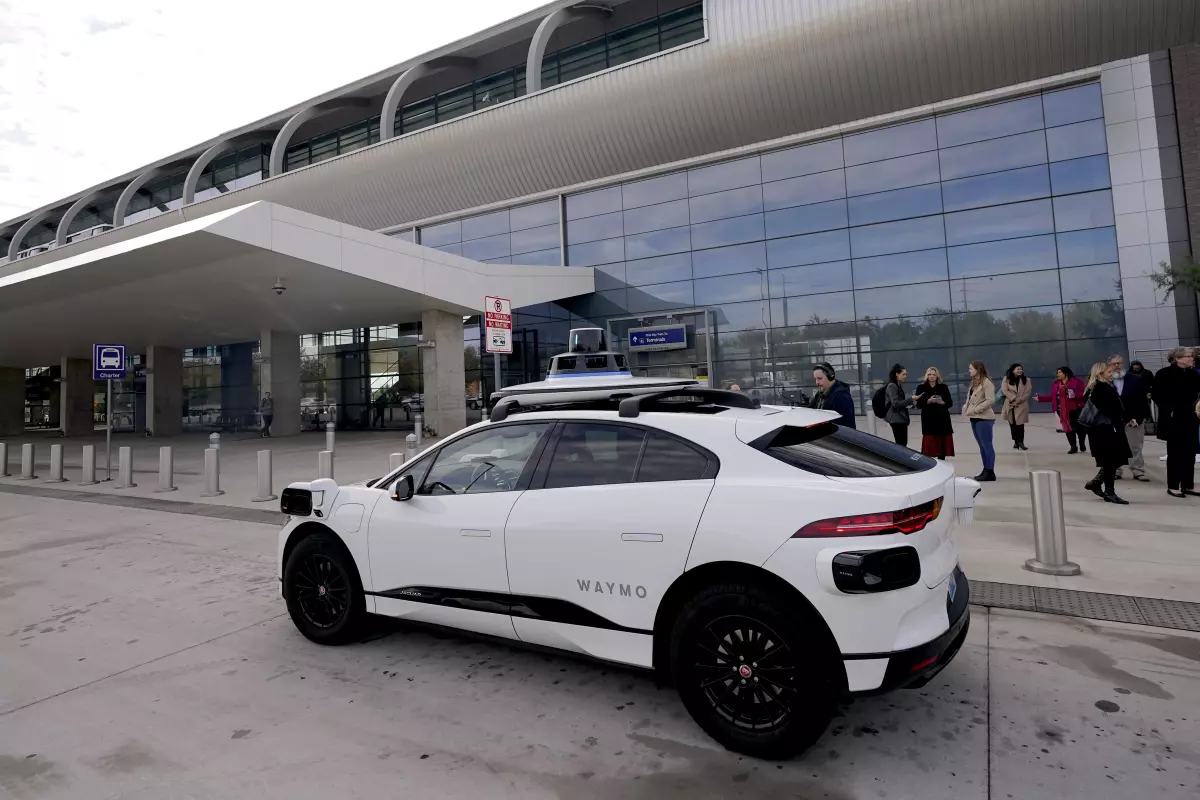
Waymo, owned by Alphabet (the parent company of Google), stands as the current leader. Their robotaxi service has been operating in Phoenix for five years and has expanded to Los Angeles, San Francisco, Austin, and Atlanta. Their sixth-generation sensor suite includes cameras, lidars, radars, and even microphones—essentially giving the vehicle eyes, ears, and a sense of spatial awareness humans take for granted.
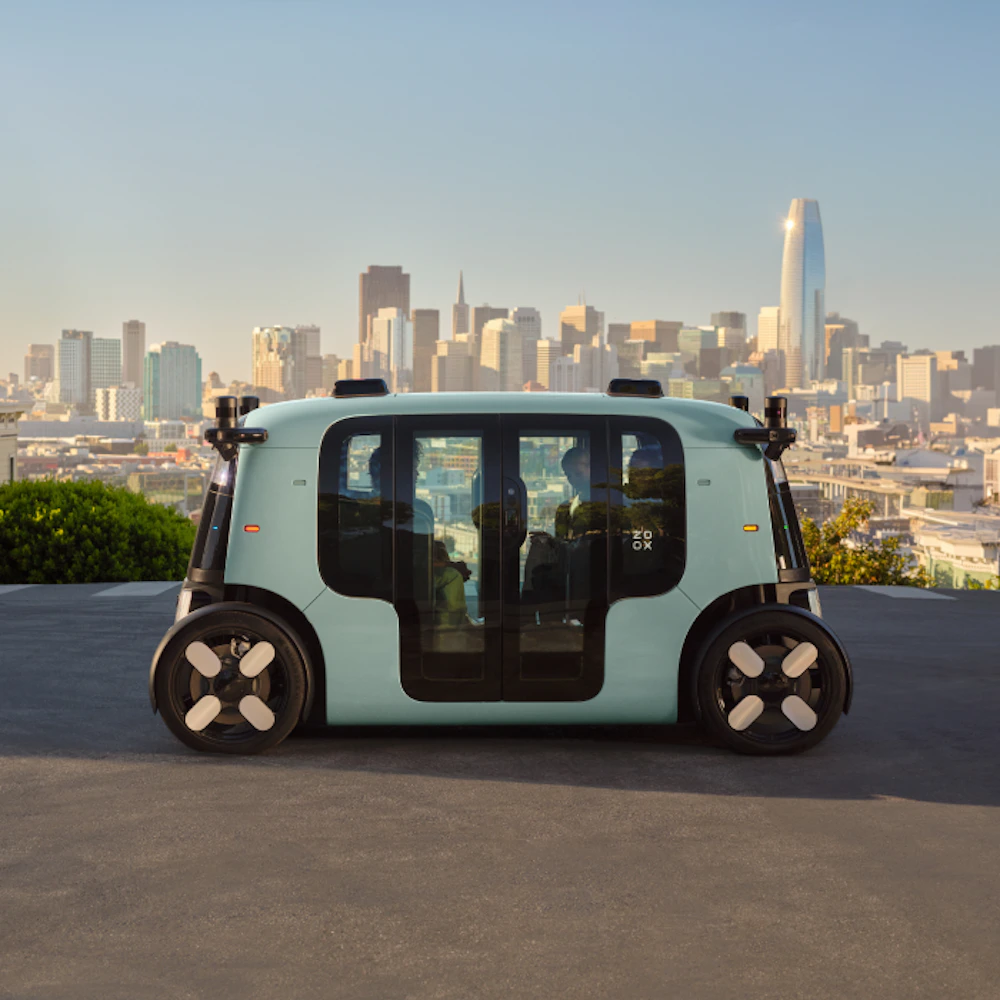
Then there’s Zoox, owned by Amazon. If Waymo is impressive, Zoox is positively futuristic. Their purpose-built vehicles feature laser lidars, radar units, cameras, thermal cameras for night vision, 360-degree coverage, and external microphones. These aren’t retrofitted cars—they’re robots designed from wheels up to be autonomous.
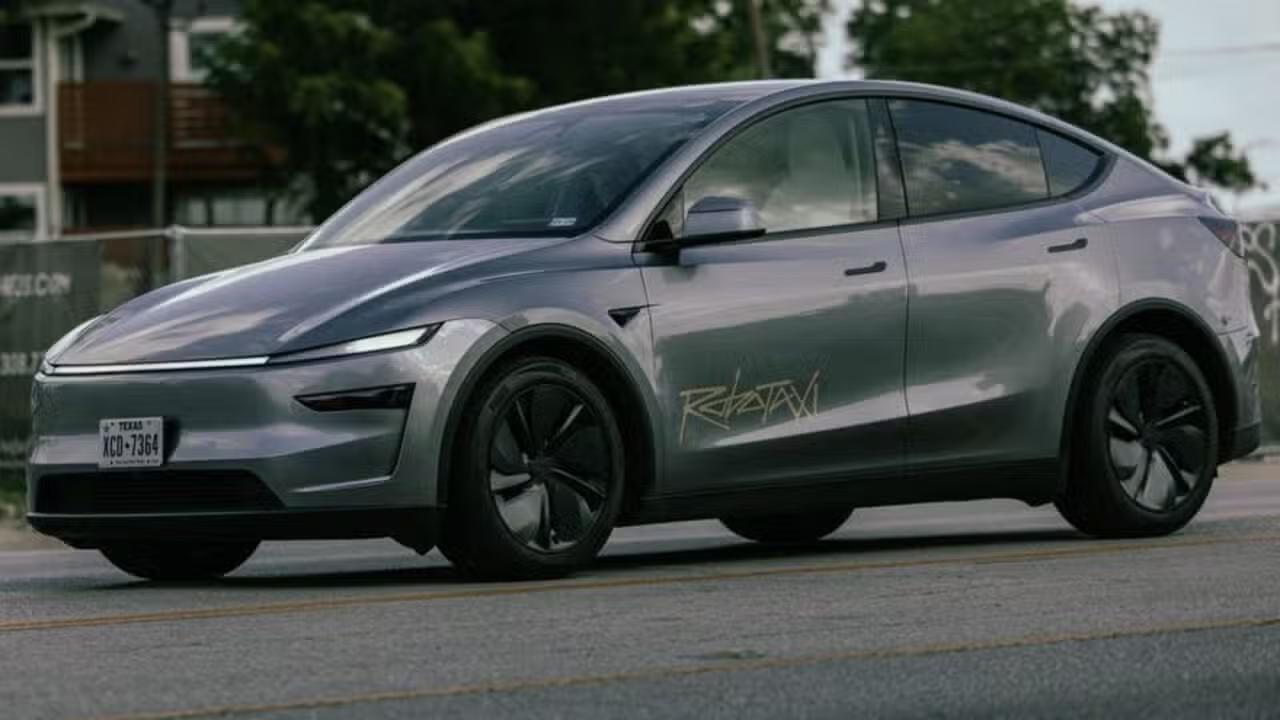
By contrast, Tesla’s approach is notably different—and controversial. Their autonomous driving system relies on just eight cameras and ultrasonic sensors, deliberately skipping the lidar technology that competitors consider essential. Whether Tesla’s camera-only approach achieves full autonomy remains one of the industry’s most heated debates.
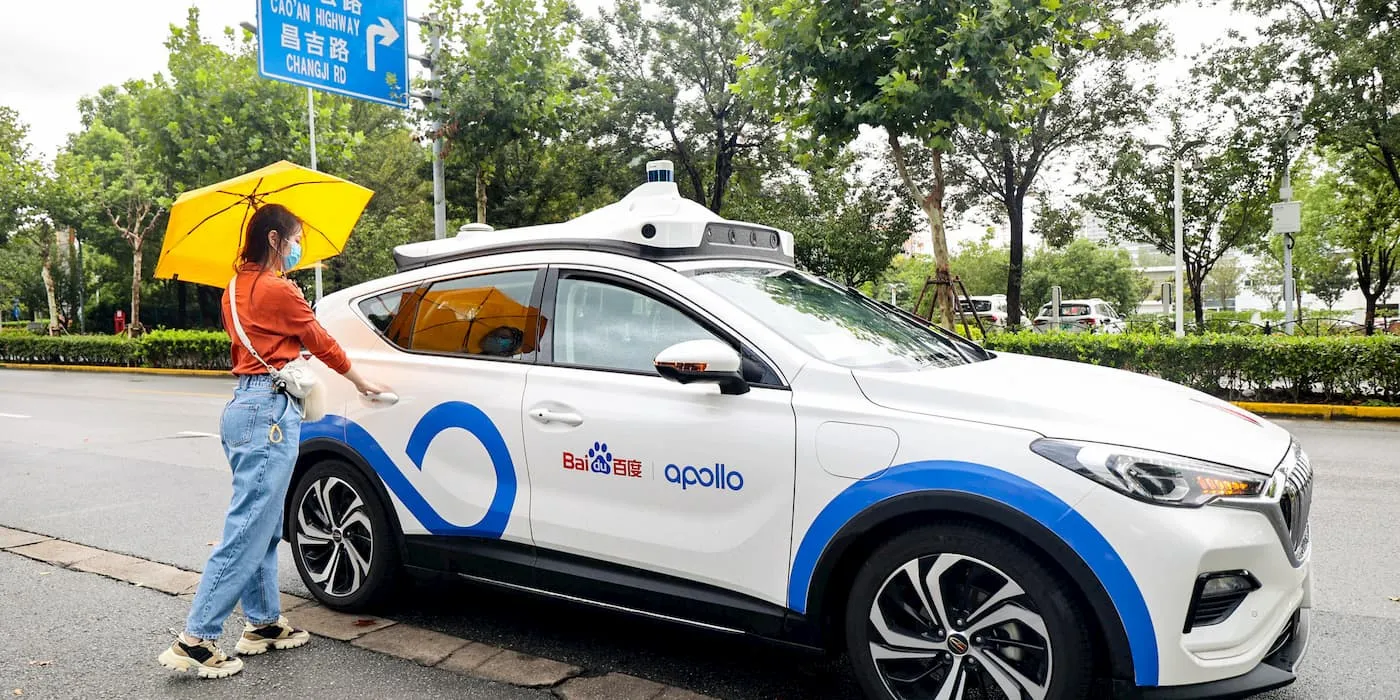
Chinese competitors are equally aggressive. Baidu, the Asian search giant, has been developing their Apollo platform since 2017 and began rolling out fully driverless services in Chongqing and Wuhan in 2022. Their Apollo Go robotaxi service operates in major Chinese cities and is expanding internationally through partnerships with Uber and Lyft. They’ve even partnered with CATL, the world’s largest battery manufacturer, to ensure reliable vehicle supply.
May Mobility brings something unique with their “Multi-Policy Decision Making” platform—they’re essentially giving their vehicles multiple personality options for handling different driving scenarios, making real-time decisions that keep passengers safe. Meanwhile, partnerships like WeRide and Grab are bringing autonomous vehicles to Southeast Asian markets, demonstrating this technology isn’t just for American suburbs.
Volkswagen is joining forces with Mobileye to launch their ID.Buzz with autonomous driving capability in 2026. Their Level 4 vehicle uses a comprehensive suite of 27 sensors—an impressive array that provides redundancy if any single system fails.
How Autonomous Driving Technology Actually Works
Let’s demystify what’s happening under the hood. Understanding the technology helps you see why it matters so much.
Most autonomous vehicle developers use a combination of sensing technologies:
- Lidar (Light Detection and Ranging) uses laser pulses to create detailed 3D maps of the environment. It works like sonar but with light, measuring how long it takes for laser beams to bounce back.
- Cameras provide visual recognition—identifying traffic signs, pedestrians, other vehicles, and road markings. They’re essential for reading the world humans have built.
- Radar uses radio waves to detect objects and their velocities. Unlike cameras, radar works in rain, fog, and darkness.
- Ultrasonic sensors handle close-range detection, like parking lot obstacles.
- Microphones (in advanced systems) detect emergency vehicle sirens and other audio cues.
The magic happens when these inputs combine. The vehicle’s AI processes a multidimensional view of the world, predicting what pedestrians, cyclists, and other drivers might do next. This matters enormously because the National Highway Traffic Safety Administration estimates that 94% of motor vehicle crashes are caused by human error—distraction, fatigue, impairment, or simple misjudgment.
Autonomous vehicles don’t get distracted, drowsy, or drunk. They don’t text while driving or eat breakfast behind the wheel. They’re always attentive, always focused. That’s not to say they’re perfect—they still face challenges in extreme weather and unusual situations—but the mathematics are compelling. Even partial autonomy could prevent millions of crashes annually.
Looking ahead, the integration of 5G networks will enable vehicles to communicate directly with each other (V2V) and with infrastructure (V2I). Imagine traffic lights that coordinate with approaching vehicles, or cars that automatically maintain perfect spacing in highway convoys. The network effect will be transformative.
The Environmental Impact: Less Pollution, More Efficiency
Here’s where things get really exciting for anyone concerned about the planet. The environmental benefits of this convergence aren’t incremental—they’re revolutionary.
First, consider vehicle numbers. Transport as a Service (TAAS) means fleets of autonomous EVs can serve many more people per vehicle. Where you today need one car per family member who can drive, future neighborhoods might function perfectly with a fraction of the vehicles. Fewer cars means less steel, less aluminum, less plastic—less everything.
Then there’s the efficiency angle. Autonomous vehicles optimize driving patterns for energy efficiency. Smooth acceleration, optimal speeds, and coordinated routes reduce energy consumption dramatically. Add smart charging that takes advantage of renewable energy availability, and you’ve got a transportation system that actually helps rather than harms the grid.
Some analysts project up to 90% decrease in CO2 emissions from transportation. That’s not a typo. We’re talking about nearly eliminating the carbon footprint of personal mobility—and doing so while reducing traffic congestion and noise pollution simultaneously.
For batteries, the circular economy benefits are substantial. When autonomous fleet operators manage vehicle lifecycles professionally, they can ensure batteries are retired at optimal health levels for second-life applications (energy storage for solar farms, for instance) before recycling. The traceability enabled by digital systems means no valuable materials slip through the cracks.
Transport as a Service: The Future of Mobility
Ready for the numbers? Tony Seba, a renowned Stanford analyst, estimates that robotaxi services could eventually cost as little as $0.10 per mile. That might sound absurdly low, but when you consider the absence of driver wages, optimized insurance, and efficient maintenance, the economics start making sense.
Picture this: a monthly subscription for unlimited transportation might cost around $100. Compare that to current car ownership costs—gas, insurance, maintenance, registration, parking tickets, depreciation. The average American household spends roughly $10,000 annually on transportation. Seba’s analysis suggests potential savings of $5,000 per year or more.
For older adults specifically, this transformation offers profound implications. The ability to summon a vehicle with voice command, without worrying about parking or nighttime visibility, represents genuine freedom. Medical appointments, grocery runs, visiting grandchildren—mobility becomes accessible in ways that car ownership sometimes isn’t.
The transition won’t happen overnight, but it’s accelerating. Waymo completes thousands of rides daily. Baidu’s Apollo Go operates across multiple Chinese cities. Uber has announced partnerships to integrate autonomous vehicles into their platform. The question isn’t whether this future arrives—it’s how quickly.
Frequently Asked Questions
Are autonomous vehicles safe enough for public roads?
Safety records are improving continuously. While early incidents received significant media attention, modern autonomous systems accumulate data from billions of miles of driving. Waymo’s safety statistics show their vehicles engage in fewer accidents per mile than human drivers—and when accidents do occur, they’re typically minor fender-benders. The key insight is that these systems eliminate 94% of crash causes attributed to human error.
What happens to my existing gasoline car?
The transition will take decades, not years. Your current vehicle remains perfectly functional. However, as autonomous EV services become available in your area, you might find that subscription-based transportation makes more financial sense than maintaining an aging vehicle. Many analysts expect a gradual shift rather than sudden disruption.
Can autonomous vehicles really reduce congestion?
They have significant potential to do so. By communicating with each other (V2V) and coordinating with infrastructure (V2I), autonomous vehicles can maintain optimal spacing, reduce phantom traffic jams, and route around congestion. Studies suggest that even 10% autonomous vehicle penetration could meaningfully improve traffic flow.
What about privacy and data security?
These are legitimate concerns. Autonomous vehicles generate enormous amounts of data, and companies must be transparent about what they collect and how they use it. Regulatory frameworks are still developing. The key is choosing services from reputable companies with clear privacy policies—and advocating for strong consumer protections.
Will autonomous vehicles put taxi and truck drivers out of work?
This is the most emotionally charged question. The honest answer is complex: some professional driving jobs will likely decrease over time, but new jobs will emerge in vehicle monitoring, fleet management, maintenance, and customer service. Historically, technological shifts create disruption but ultimately generate more value and jobs than they eliminate. The transition will require supportive policies, retraining programs, and patience.
The Road Ahead: Your Invitation to the Future
The convergence of autonomous driving technology and electric vehicles represents something genuinely historic—a convergence that promises to reduce pollution, lower costs, expand mobility, and fundamentally reshape how we think about transportation. It’s not a distant theoretical possibility; it’s deploying in cities right now.
Whether you’re intrigued by the technology, concerned about environmental impacts, or simply curious about what comes next, this is a transformation worth watching. The circular economy gains a powerful ally. Your future transportation options may look nothing like what you grew up with—and that’s worth celebrating.
Stay informed, ask questions, and don’t be afraid to experience these services when they arrive in your area. The future of transportation isn’t coming—it’s already here.