
Deadliest Insects in the World: Nature’s Silent Killers
Read time:

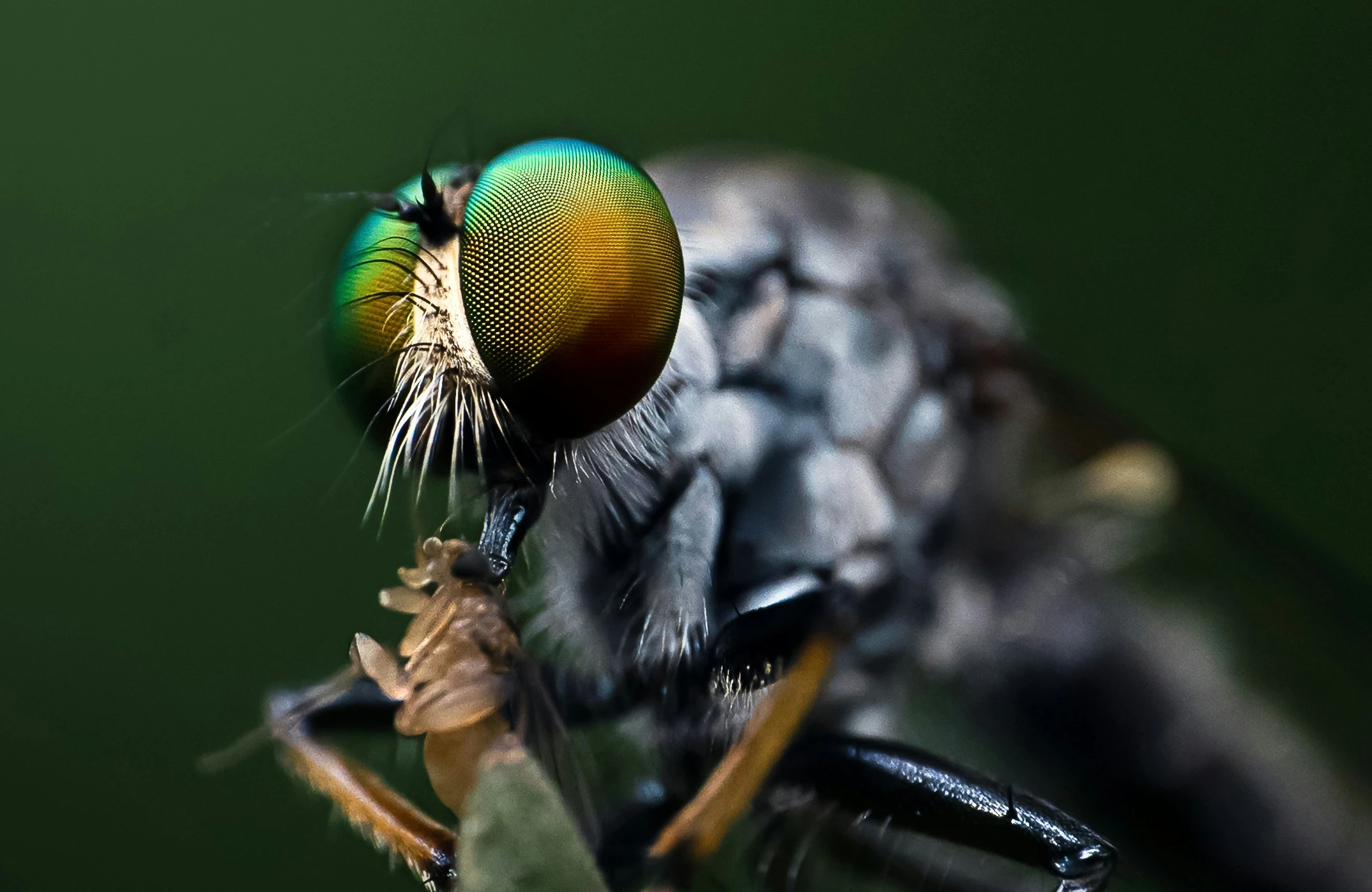
Insects, despite their diminutive size, are often overlooked as potent agents of harm. They inhabit nearly every environment on Earth, making them integral components of ecosystems. However, certain species have developed traits that enable them to pose significant threats to human health and welfare. These deadly insects can be categorized primarily by their capacity to deliver venom, transmit diseases, or exhibit aggressive behavior that results in harm.
One of the most notable impacts that insects have on human health is their role as vectors for a variety of infectious diseases. Mosquitoes, for example, are infamous for being carriers of deadly illnesses such as malaria and dengue fever. Their bites facilitate the transmission of pathogens which can have devastating effects on populations, particularly in regions where healthcare resources are limited. The existence of these vectors exemplifies how insects, while small, can be agents of large-scale public health crises.
Moreover, some insects are equipped with formidable venom that can inflict severe injuries or even fatalities. The infamous bullet ant, known for its extremely painful sting, is a prime example of how certain insects have adapted to defend themselves aggressively. Such characteristics not only affect human interactions with these creatures but also influence local ecosystems.
Understanding the significance of these deadly insects is essential, as their existence underscores the complex interplay between humans and the natural world. Through a careful examination of their behaviors, habitats, and impact on health, we can appreciate the role these insects play as silent killers while acknowledging the broader implications for biodiversity and ecological stability.
10 – Flea Siphonaptera Genus
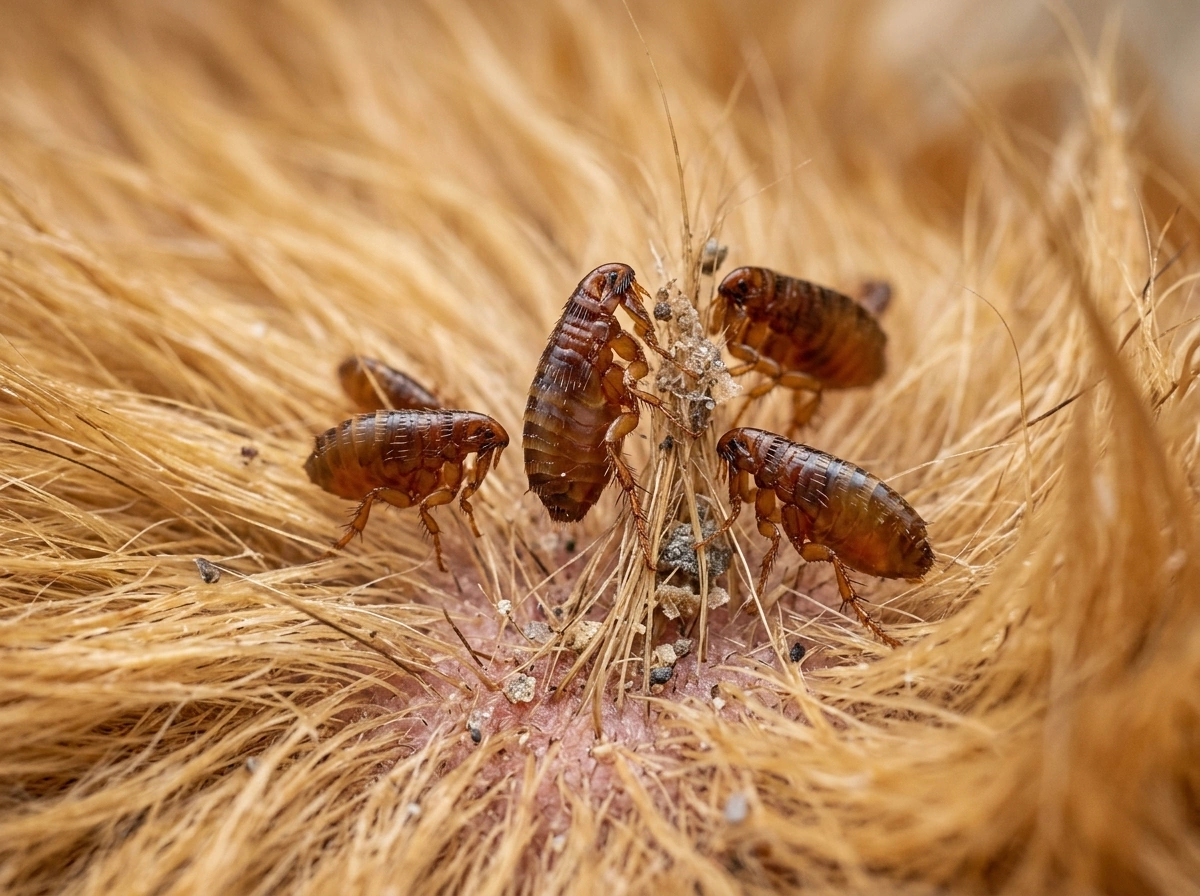
The Flea Siphonaptera, while often overlooked, is a tiny yet formidable insect. Commonly found in households and environments hosting pets, these minute pests play a significant role in the ecosystem and human health. Surprisingly, their impacts have placed them among the deadliest creatures on the planet. Learning about this small insect reveals a complex story of survival, infestation, and disease transmission.
A Leap in the Right Direction
Fleas are equipped with remarkable jumping abilities, capable of leaping up to 50 times their body length. This extraordinary skill makes them especially challenging to control and eradicate from environments where they infest. Their powerful hind legs not only assist in swift movement but also play a vital role in their survival as they navigate from host to host to feed.
The Life Cycle of Fleas
Fleas undergo a remarkable transformation through their four distinct life stages: egg, larva, pupa, and imago (adult). This process is called holometabolism, a complete metamorphosis that allows them to achieve a higher degree of specialization at each life stage. The lifecycle begins with the female flea laying eggs in a suitable environment, often in the fur of their host or the carpeting of a house.
Unveiling the Threat
Fleas are notorious for their ability to leap and latch onto their hosts. This tiny insect, despite its size, is a powerful transmitter of various diseases. The most infamous connection is to the bubonic plague, which decimated populations through their bites. Moreover, flea-induced ailments such as murine typhus and allergy dermatitis also pose substantial health risks.
Preventative Measures Against Fleas
Awareness is key when it comes to managing flea populations. Regular treatments for pets and consistent cleaning of living spaces can significantly reduce infestations. Homeowners should focus on preventing these Siphonaptera invaders by vacuuming regularly and utilizing appropriate flea control products. Taking these measures not only protects pets but also maintains a healthy home environment, significantly lowering the risk of flea-related diseases.
9 – Blister Beetles
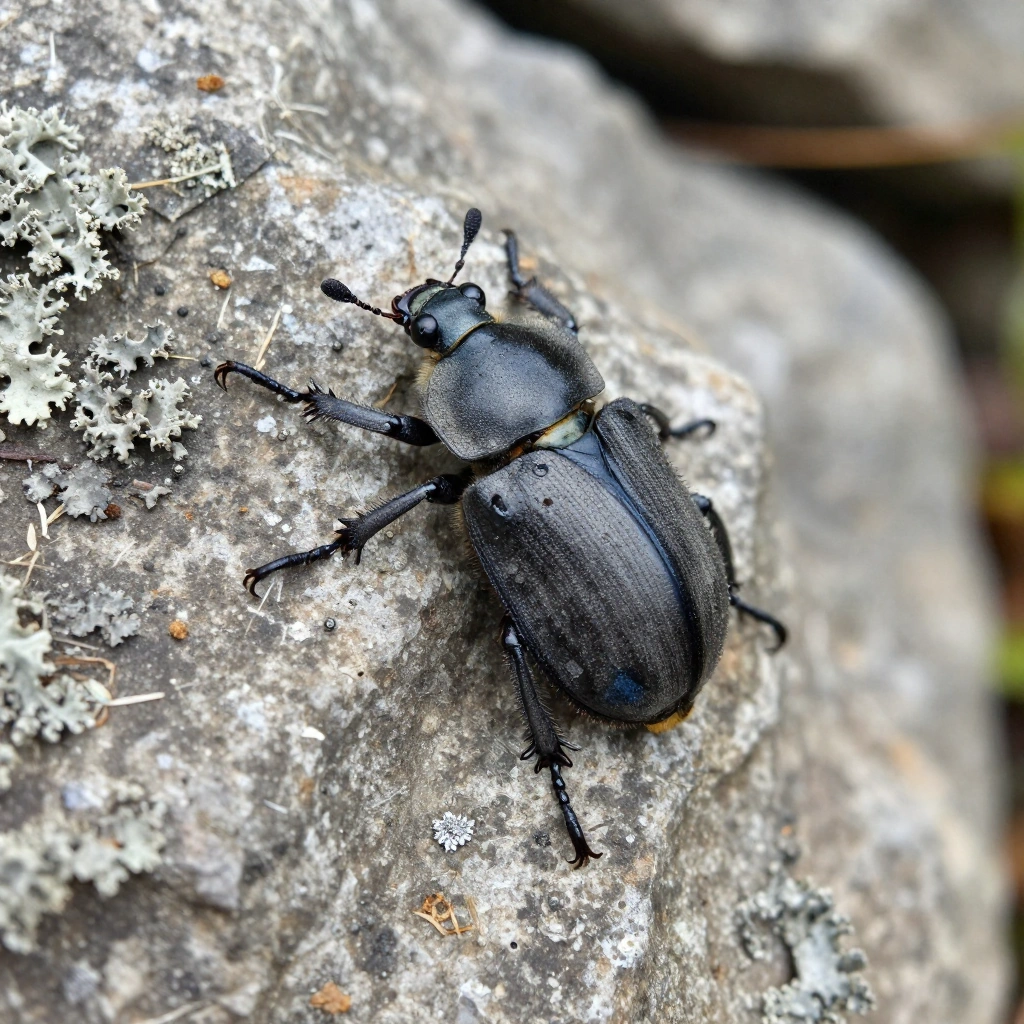
Blister beetles are intriguing insects that belong to the family Meloidae.
There are four primary types of blister beetles that you should be aware of:
- Black Blister Beetle: With a sleek, dark appearance, the black blister beetle is often mistaken for other beetle species but is one of the more toxic
- Margined Blister Beetle: Characterized by a distinctive margin on their elytra, these beetles are prevalent in grassy areas and can be harmful to livestock when ingested.
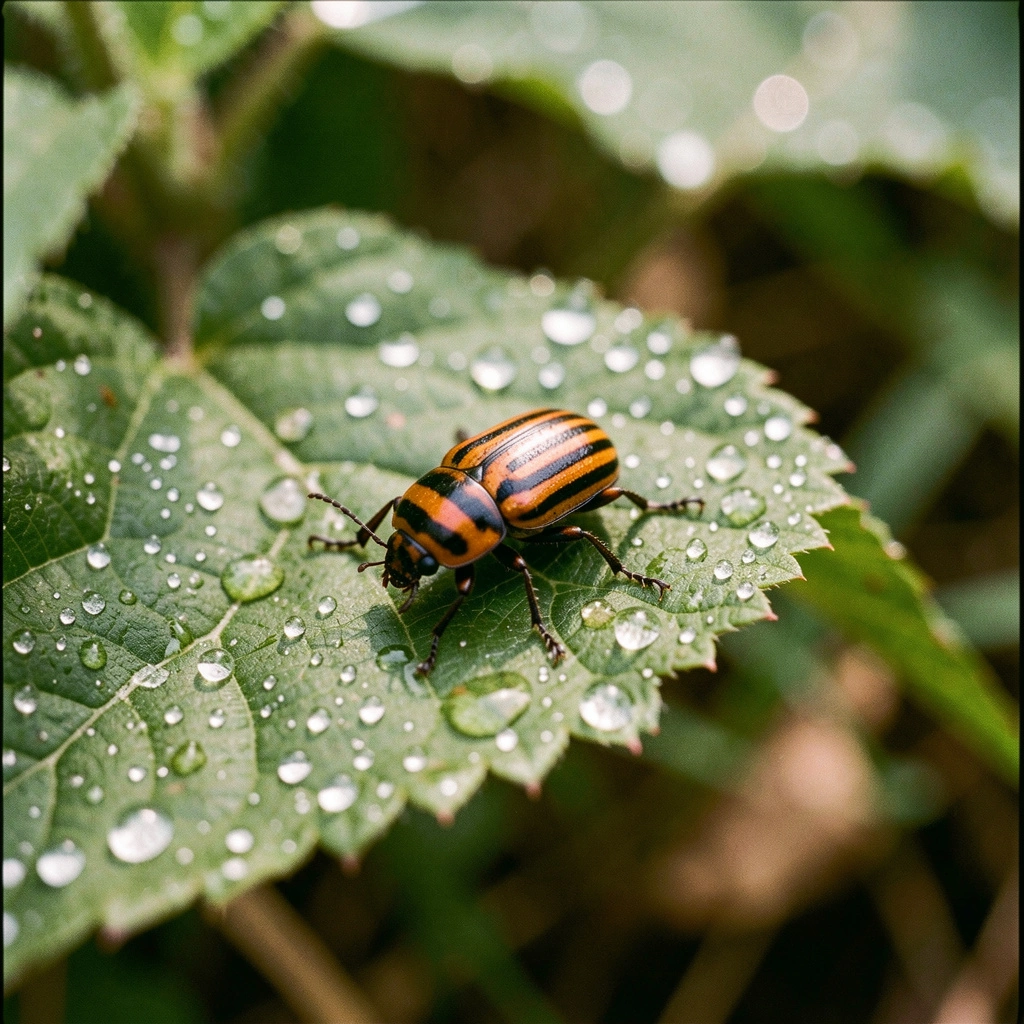
- Striped Blister Beetle: Recognized by their yellow and black striped bodies, these beetles are commonly found in fields and gardens.
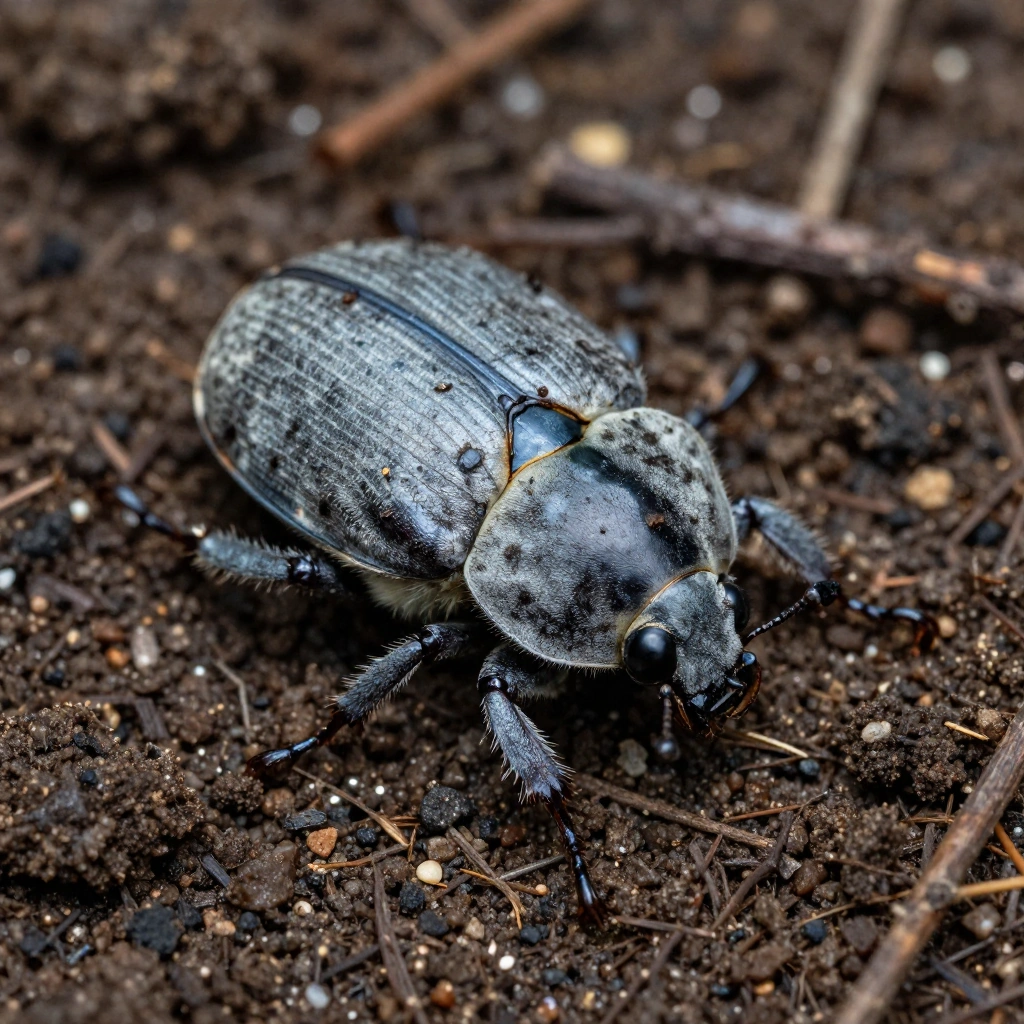
- Ashgray Blister Beetle: This species is grayish in color and less commonly encountered, yet still poses a risk due to its toxic secretions.
Dangerous Nature of Blister Beetles
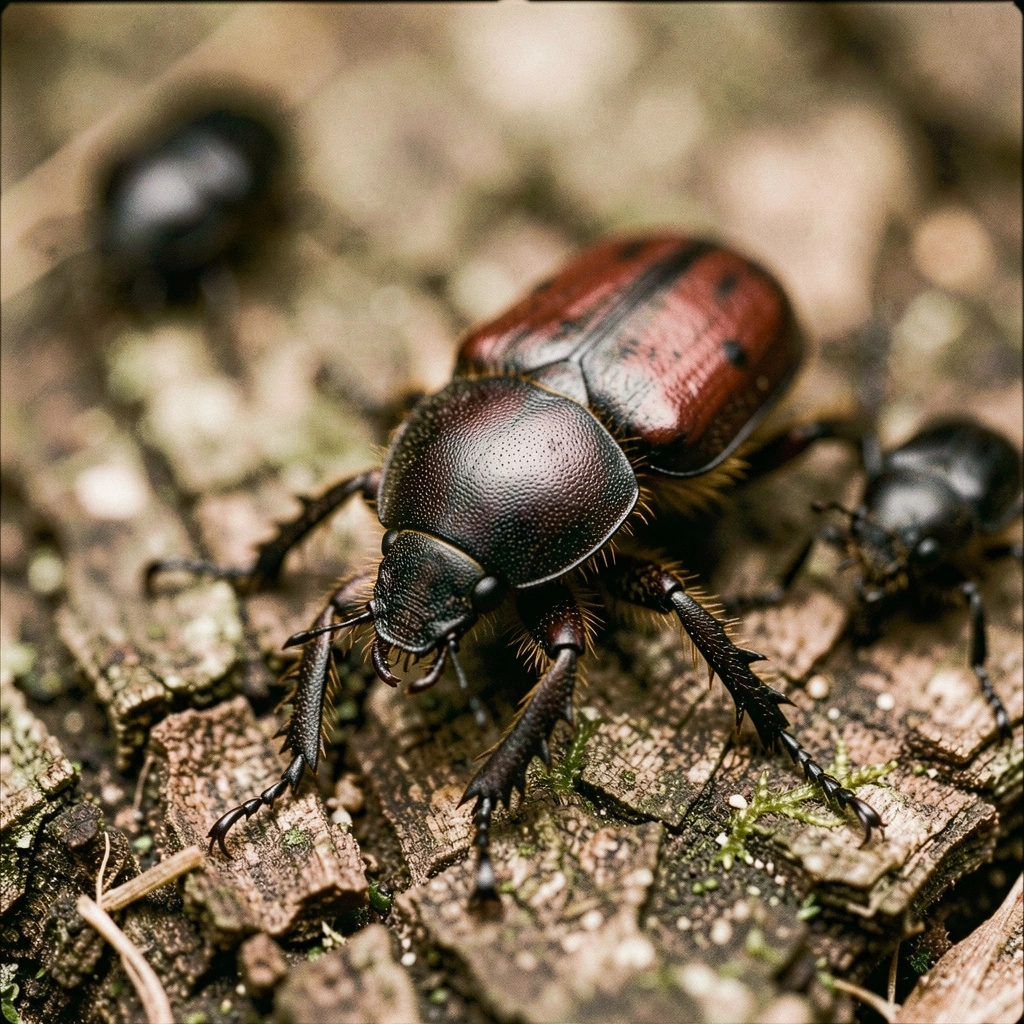
The blister beetle is a fascinating yet dangerous insect that has drawn attention due to its unique features and toxic properties. One of the most concerning aspects of blister beetles is their production of cantharidin, a potent toxin. When ingested, this substance can cause severe blistering in humans and can be fatal to animals. It’s crucial to be vigilant about their presence, particularly in areas where livestock graze. Recognizing and understanding the looks and behaviors of these beetles will help you take appropriate actions to prevent accidents.
The blister beetle is a fascinating yet dangerous insect that has drawn attention due to its unique features and toxic properties. Found commonly across various regions, these beetles possess a chemical known as cantharidin, which can cause severe blistering in humans and animals alike. This ability to produce toxins makes them particularly notable in discussions regarding the deadliest insects on Earth.
Although they do not directly kill in the manner of some more notorious species, their toxicity can lead to serious health complications. It is essential to consider their impact on livestock and humans when assessing their danger. Even accidental ingestion of blister beetles can lead to painful symptoms, positioning them as a serious health hazard.
Given their potential risks, it’s crucial to exercise caution when encountering blister beetles. Familiarizing oneself with their appearance and habits can help prevent unfortunate encounters. Individuals should be especially cautious in agricultural zones where these beetles may be more prevalent. Educating others about the dangers associated with these beetles can help reduce the likelihood of harmful interactions.
8 – Locust (Locusta Migratoria)
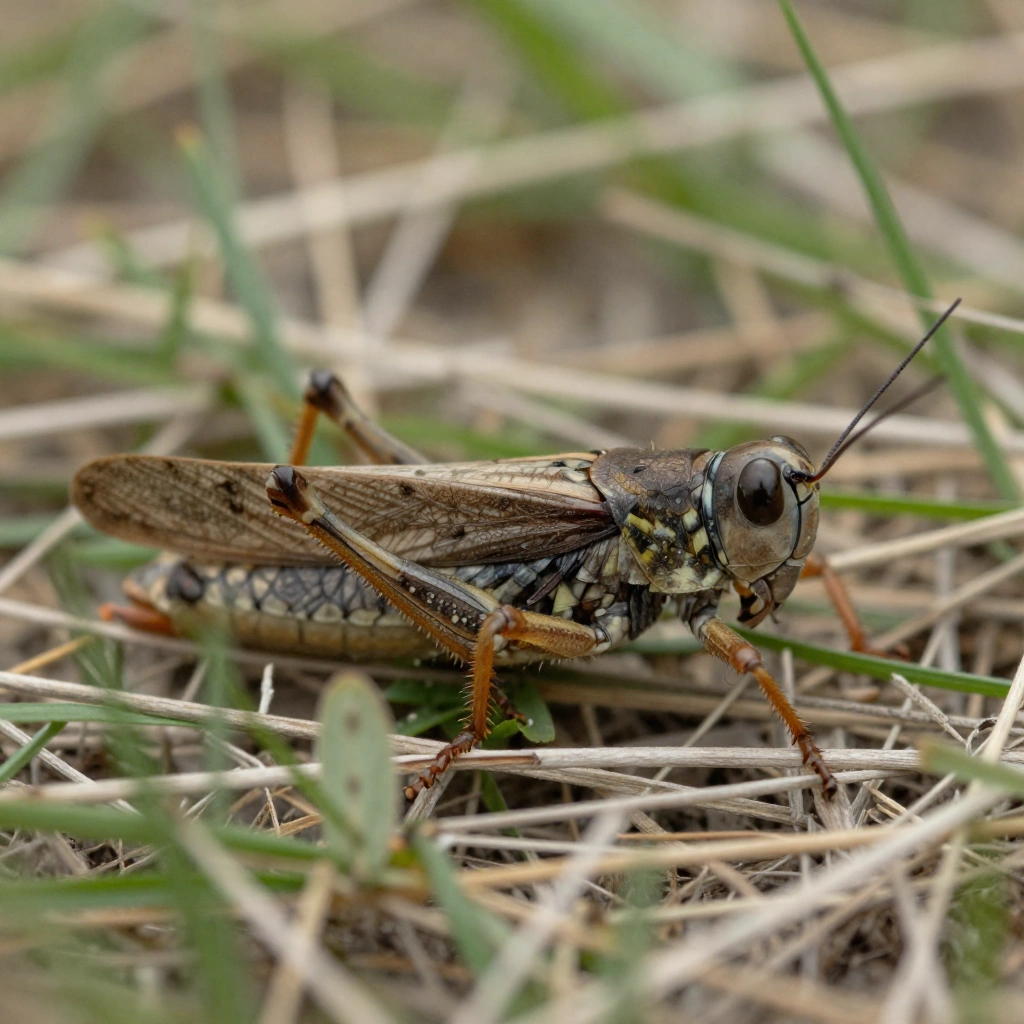
Locusts, particularly the species Locusta Migratoria, have long been a source of fascination and fear across the globe. Known for their incredible swarming behavior, these insects can devastate vast agricultural areas, leading to severe food shortages. Their resilience and adaptability make them one of the deadliest insects known to humankind.
Why Are Locusts So Dangerous?
The primary threat posed by locusts arises from their ability to form large swarms that can contain billions of individuals. In a matter of hours, they can consume entire fields of crops, covering up to 150 kilometers in just one day. This voracious eating puts immense pressure on farmers and can lead to devastating economic consequences, particularly in regions already vulnerable to food insecurity.
The Impact of Locust Swarms
The impact of locust invasions goes beyond immediate crop destruction. The aftermath can lead to hunger, malnutrition, and increased poverty in affected areas. Governments and agricultural organizations worldwide work tirelessly to monitor and manage locust populations, employing various strategies to mitigate their destructive effects. The challenge lies in predicting swarming behaviors and deploying resources rapidly before damage occurs.
Locusta Migratoria is not just an ordinary insect; it represents a significant threat to global food security. Understanding their behavior and establishing effective control measures is crucial to protecting our agricultural systems and ensuring sustainable food production.
7 – Fire Ants: Aggressive and Painful
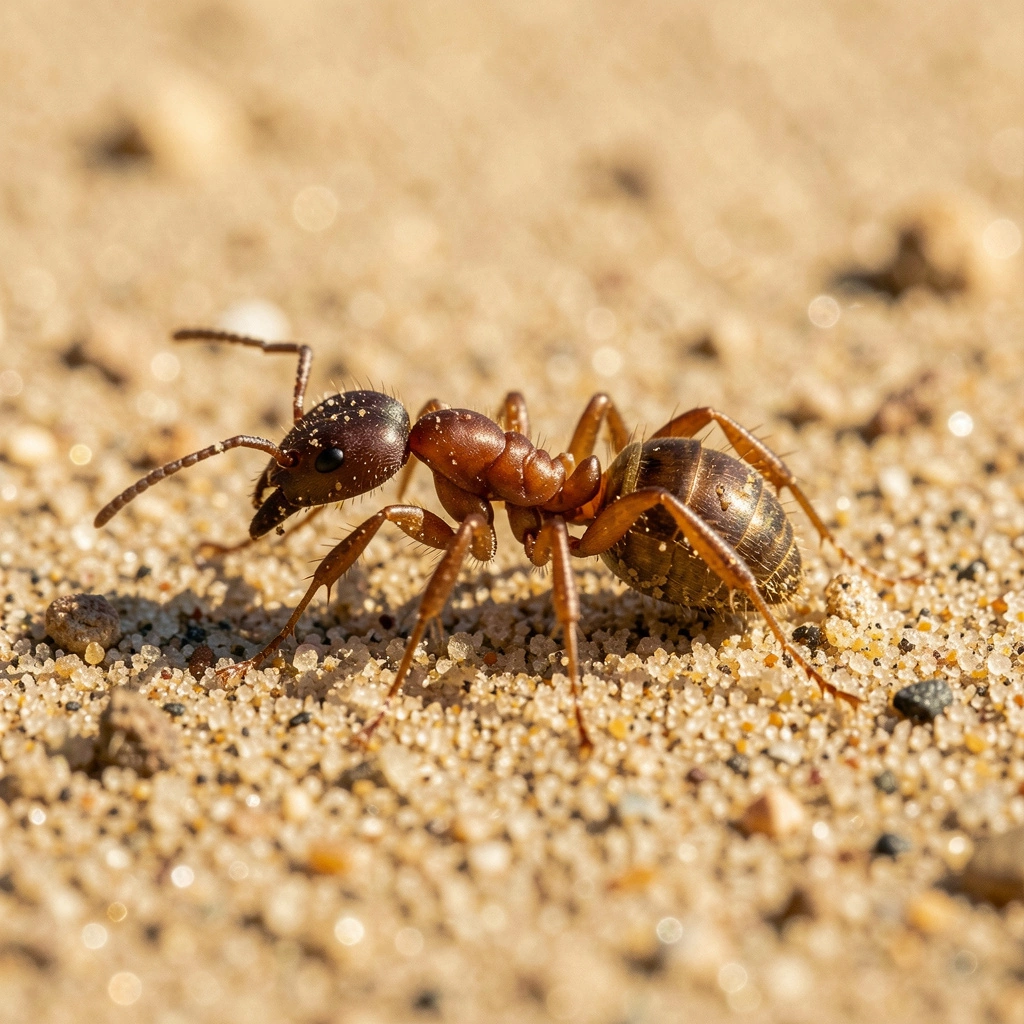
Fire ants, particularly the species known as Solenopsis, are notorious for their aggressive behavior and painful stings. These insects are characterized by their reddish-brown appearance and can be identified by their distinct, painful bite which results from their venomous sting. The pain inflicted by fire ant stings is often described as burning, hence the name “fire ant.” This reaction can lead to intense discomfort and irritation, making them one of the most dreaded insects encountered in areas where they proliferate.
The venom of fire ants contains a complex mixture of toxic proteins that can provoke varying reactions in humans. For many, a sting from a fire ant leads to immediate pain, swelling, and itching. However, some individuals may experience severe allergic reactions, which can entail symptoms such as difficulty breathing, swelling of the throat, or even anaphylactic shock in extreme cases. This potential for serious health risks poses a significant concern, especially in regions where fire ants are prevalent. Their aggressive nature means they will defend their nests vigorously, and multiple stings can occur during a surprise encounter.
The impact of invasive fire ant species cannot be understated; they have swiftly spread across diverse geographical locations, including the southern United States and parts of Australia. This rapid expansion has disrupted local ecosystems, as the aggressive behavior of fire ants often outcompetes native ant species. Consequently, the encroachment of fire ants can lead to a reduction in biodiversity, affecting both plant and animal life. Furthermore, their presence can complicate agricultural practices and pose risks to humans, pets, and livestock. The combination of their aggressive nature, painful stings, and ecological impact underscores the importance of understanding and adequately managing fire ant populations.
6 – Asian Giant Hornet: The Murder Hornet
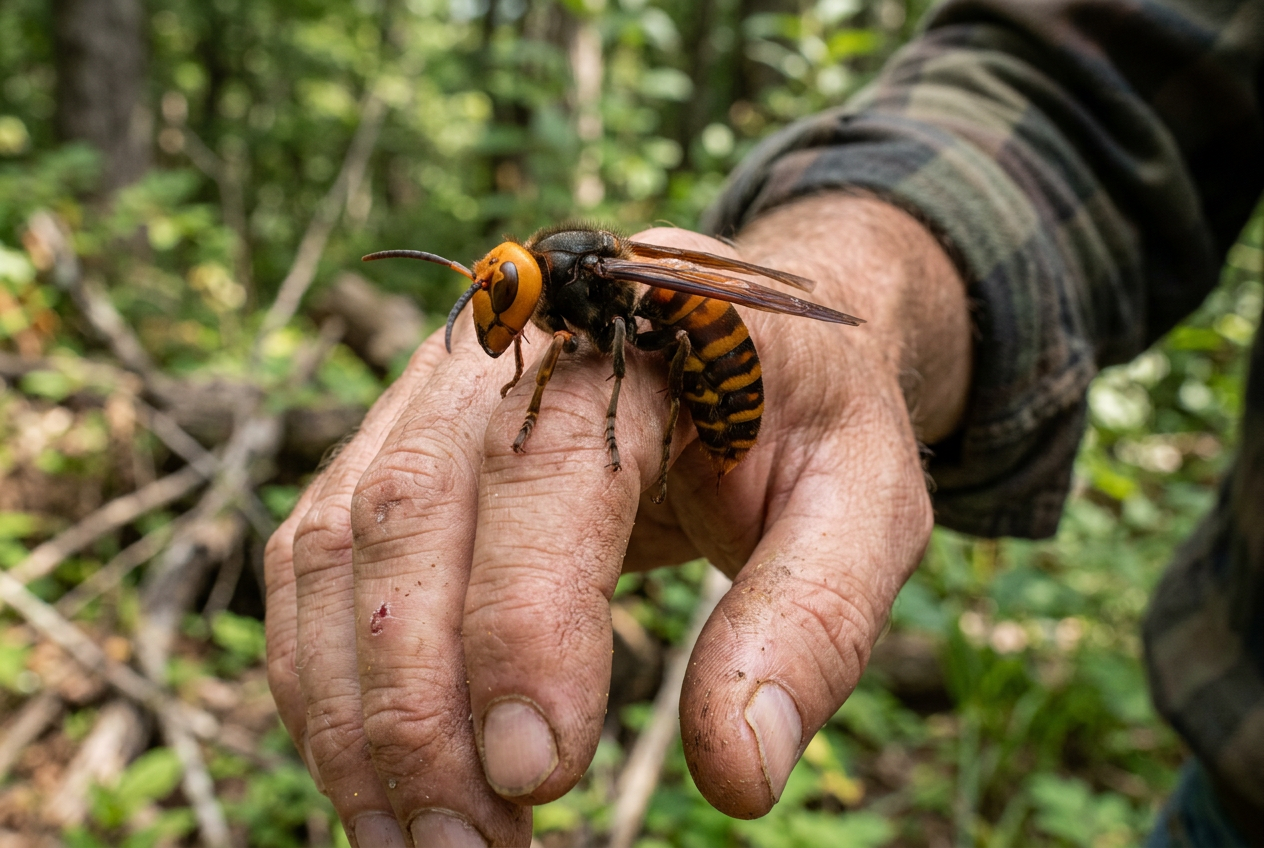
The Asian giant hornet (Vespa Mandarina), commonly referred to as the murder hornet, is renowned for its formidable size and potent venom. Adult hornets can grow up to two inches long, making them the largest hornet species in the world. Their stings are not only painful but can be fatal to people who are allergic or suffer from anaphylactic shock. In fact, reports indicate that hundreds of deaths occur in Asia annually due to these hornets, primarily from multiple stings or allergic reactions.
These hornets are particularly aggressive during the late summer and fall when they are defending their nests. This defensive behavior poses a significant threat to beekeepers and their colonies. Unfortunately, the presence of Asian giant hornets can be devastating for local honeybee populations, as they prey on bees, decimating entire hives in a matter of hours. This predation is particularly alarming given the essential role honeybees play in pollination and maintaining agricultural biodiversity.
The life cycle of the Asian giant hornet begins when a fertilized queen emerges from winter dormancy in the spring. She establishes a new colony by creating a nest and laying eggs. The workers, which are sterile females, take over the foraging and defending duties. As the colony grows, the hornets become increasingly aggressive, especially if they feel threatened. Their venom contains a neurotoxin called mandaratoxin, which can cause pain, swelling, and potentially serious health complications.
Efforts to control the population of Asian giant hornets have been prioritized in countries where they have been spotted, particularly in North America and Europe. Understanding their behavior and life cycle is essential in mitigating their impact on both human populations and native bee species.
5 – Kissing Bugs: Chagas Disease Vectors
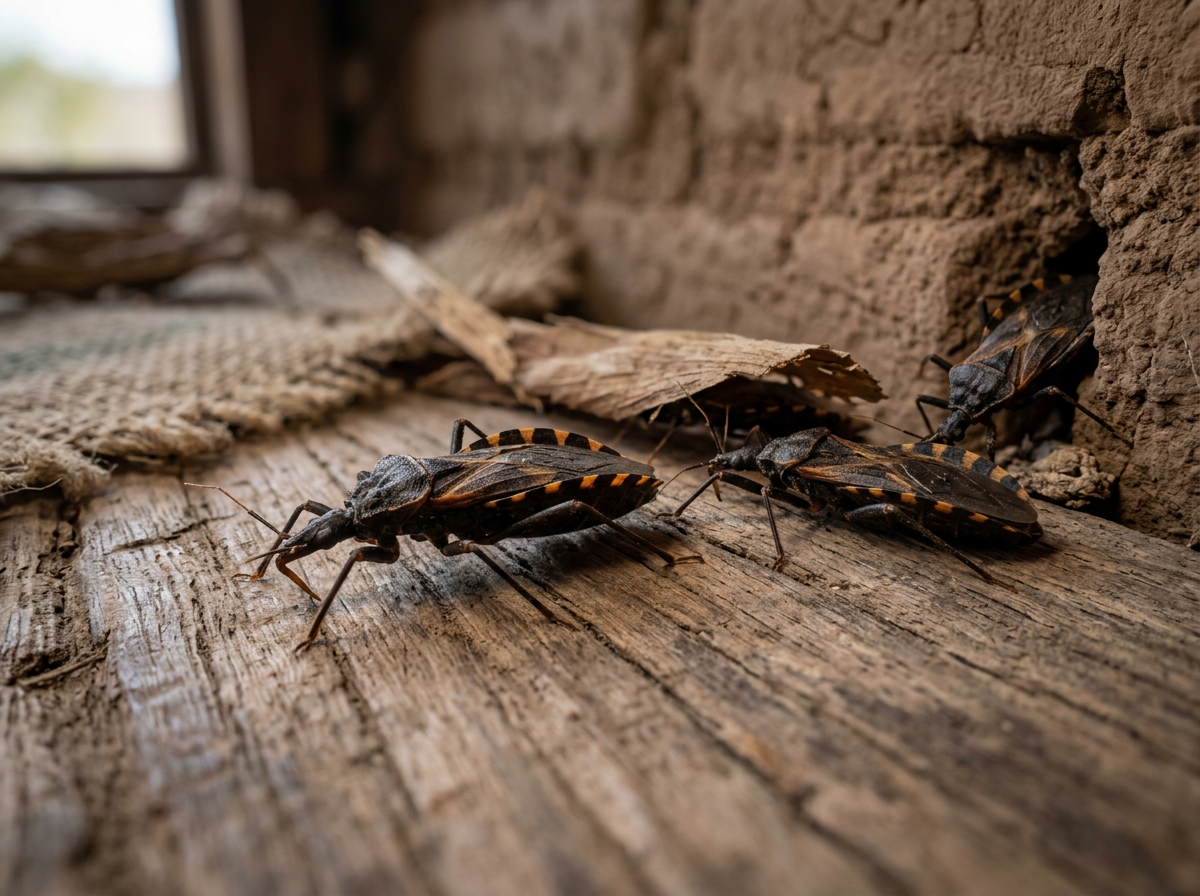
Kissing bugs, scientifically known as triatomine bugs, are responsible for the transmission of Chagas disease, a significant health concern throughout Latin America. These nocturnal insects are aptly named for their tendency to bite people on the face while they sleep, typically around the mouth area. The bugs are not inherently toxic; however, they carry the pathogen Trypanosoma cruzi, which is the causative agent of Chagas disease. Once the bug feeds on human blood, it defecates near the bite site, allowing the parasite to enter the bloodstream through the wound or mucous membranes.
Chagas disease often remains asymptomatic for years but can lead to severe health issues if left untreated. Acute symptoms may include fever, fatigue, body aches, and swelling at the bite site, which can sometimes be mistaken for other common illnesses. Chronic Chagas disease can result in serious complications, such as heart disease or gastrointestinal problems, necessitating early detection and intervention. Understanding these symptoms is crucial for populations living in regions where kissing bugs proliferate.
Preventative measures are essential in mitigating exposure to kissing bugs and thus the risk of Chagas disease. Homeowners are advised to maintain clean and secure living environments by sealing cracks and crevices in walls, using screens on windows, and ensuring proper sanitation practices. Additionally, community education plays an important role in addressing the threats posed by these insects. Screening blood donations for the Trypanosoma cruzi pathogen is also recommended to prevent transmission through transfusions. As efforts continue to raise awareness about kissing bugs and Chagas disease, recognizing the insects’ significance as disease vectors is vital for effective public health strategies.
4. Assassin caterpillar (Lonomia Obliqua)
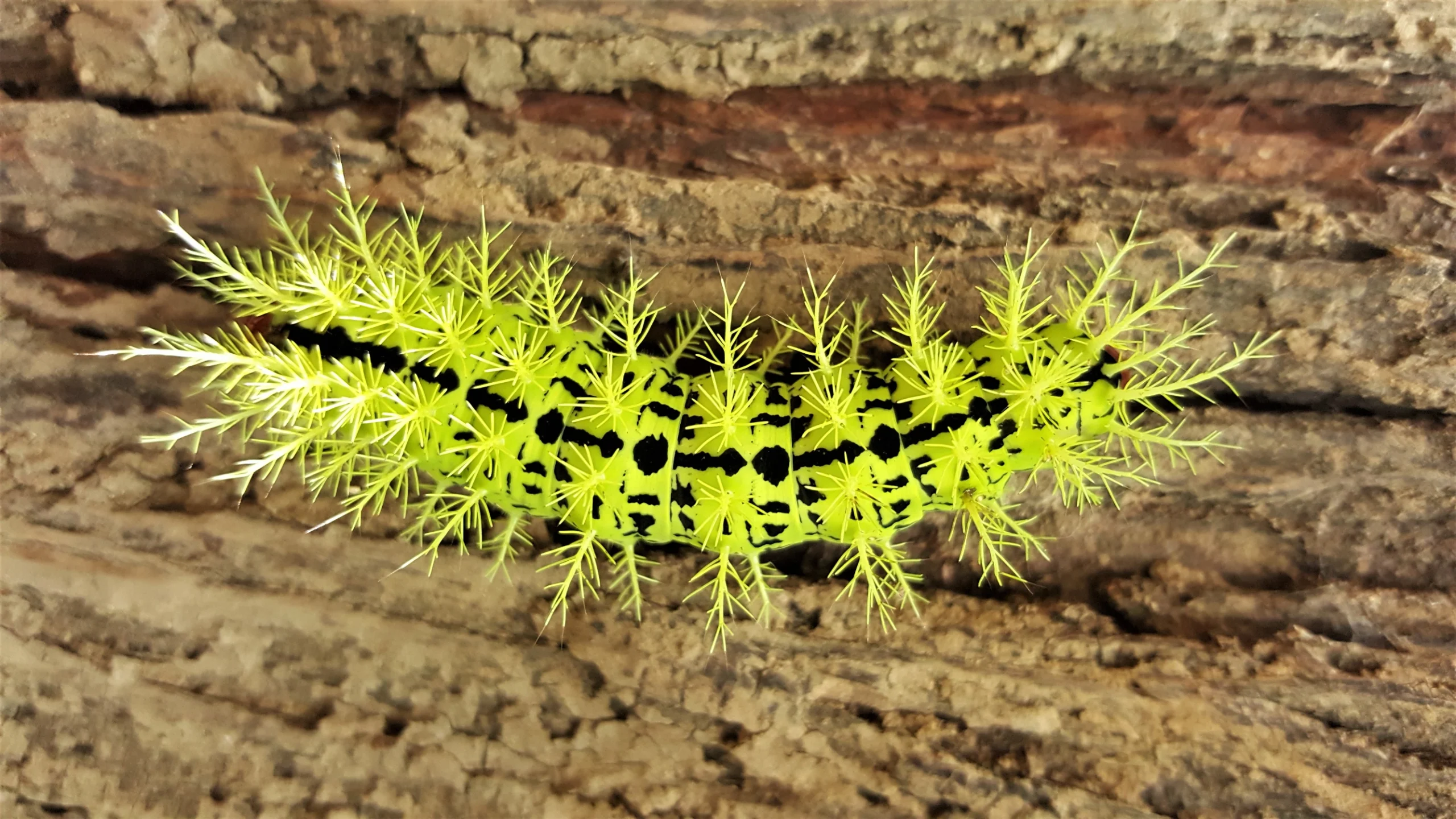
The assassin caterpillar, scientifically known as Lonomia Obliqua, is not just an ordinary insect; it is considered one of the most dangerous caterpillars in the world. Native to South America, particularly Brazil, this tiny creature possesses potent venom that has the potential to wreak havoc on unsuspecting victims. Unlike many insects, the danger of the assassin caterpillar often goes unnoticed until it’s too late.
Venomous Features of the Assassin Caterpillar
The primary threat of the assassin caterpillar lies in its venom, which contains anticoagulants that can cause severe internal bleeding. Encounters with this insect have led to numerous cases of hospitalization and even fatalities. The assassin caterpillar’s defense mechanism stems from its ability to blend into its surroundings, making it difficult for predators — and humans — to spot them. Its appearance can be deceiving, resembling a harmless leaf or twig, which encourages additional caution.
In terms of lethal capabilities, the assassin caterpillar ranks among the top deadliest insects globally. While insects like mosquitoes and certain spiders are often more publicized, the unique and lethal characteristics of Lonomia obliqua position it as a formidable creature. With its clandestine nature and potent venom, this caterpillar serves as a reminder of nature’s hidden dangers. Understanding and educating ourselves about such insects is crucial in preventing unfortunate encounters.
3 – Tsetse Flies: The Sleeping Sickness Carriers
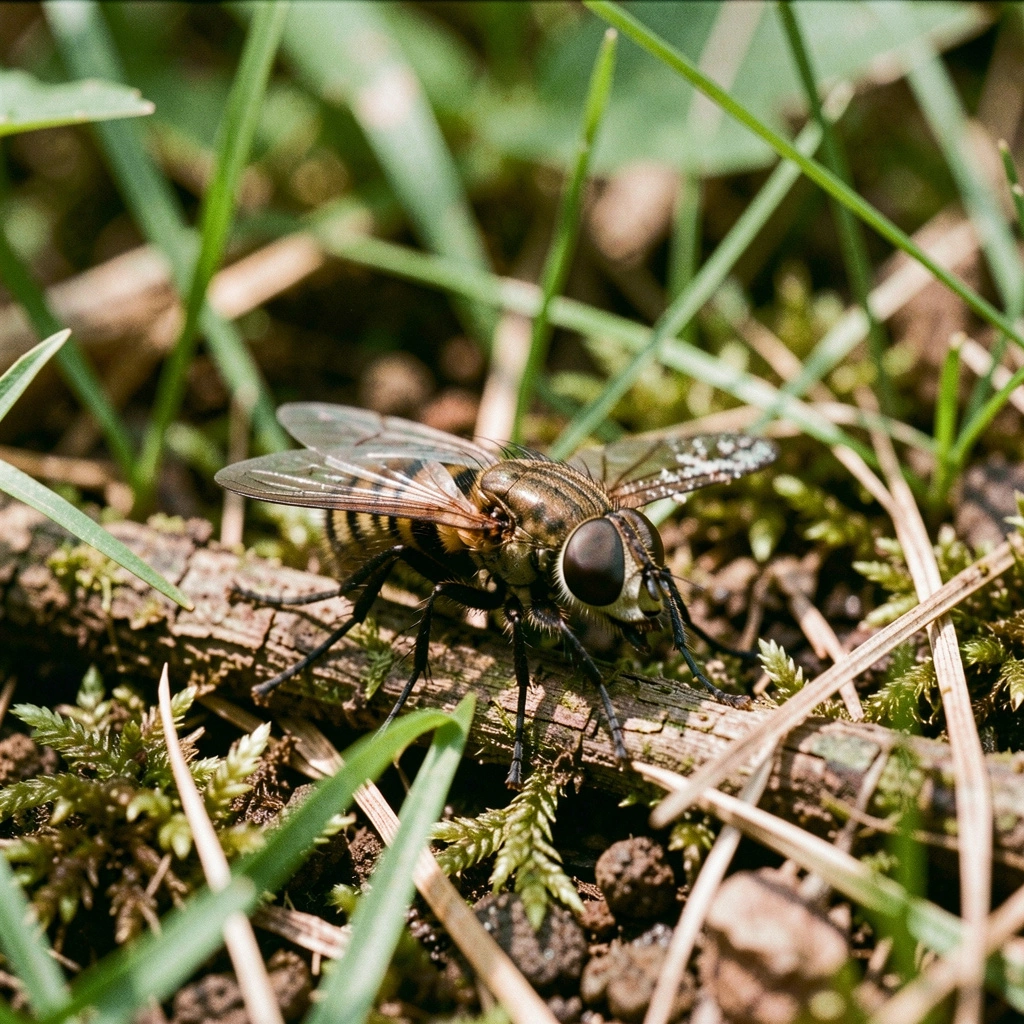
The tsetse fly, a notable insect found predominantly in sub-Saharan Africa, plays a pivotal role in the transmission of African sleeping sickness, also known as human African trypanosomiasis. This disease is caused by the parasitic protozoa transmitted through the bite of an infected tsetse fly. These flies are typically found in a variety of habitats, particularly in wooded and savannah regions where they thrive in the presence of wildlife.
The life cycle of the tsetse fly is quite fascinating. Adult flies are sexually dimorphic, with females being larger than males. After mating, female tsetse flies give birth to live young, a unique trait among insects. Each female produces a few offspring per month, which has implications for population control and disease spread. The life span of a tsetse fly can extend up to several months, allowing for ample opportunities to transmit diseases between hosts.
In terms of symptoms, African sleeping sickness manifests in two distinct stages. Initially, the patient may experience fever, headaches, joint pains, and itching. As the disease progresses, neurological symptoms emerge, including confusion, poor coordination, and disturbances in sleep patterns. This “sleeping” aspect reflects the advance of the disease into the central nervous system and presents a dire public health challenge, particularly in rural areas where medical resources are limited.
The impact of tsetse flies on affected communities is profound. Regions plagued by these insects experience diminished agricultural productivity and increased healthcare costs, which can lead to greater poverty and socio-economic instability. The control of tsetse fly populations is essential for reducing the incidence of sleeping sickness and improving the quality of life for at-risk communities. Efforts include the implementation of traps, insecticides, and the management of livestock, essential strategies to mitigate the threat posed by these deadly insects.
2 – Bullet Ant: The Most Painful Sting
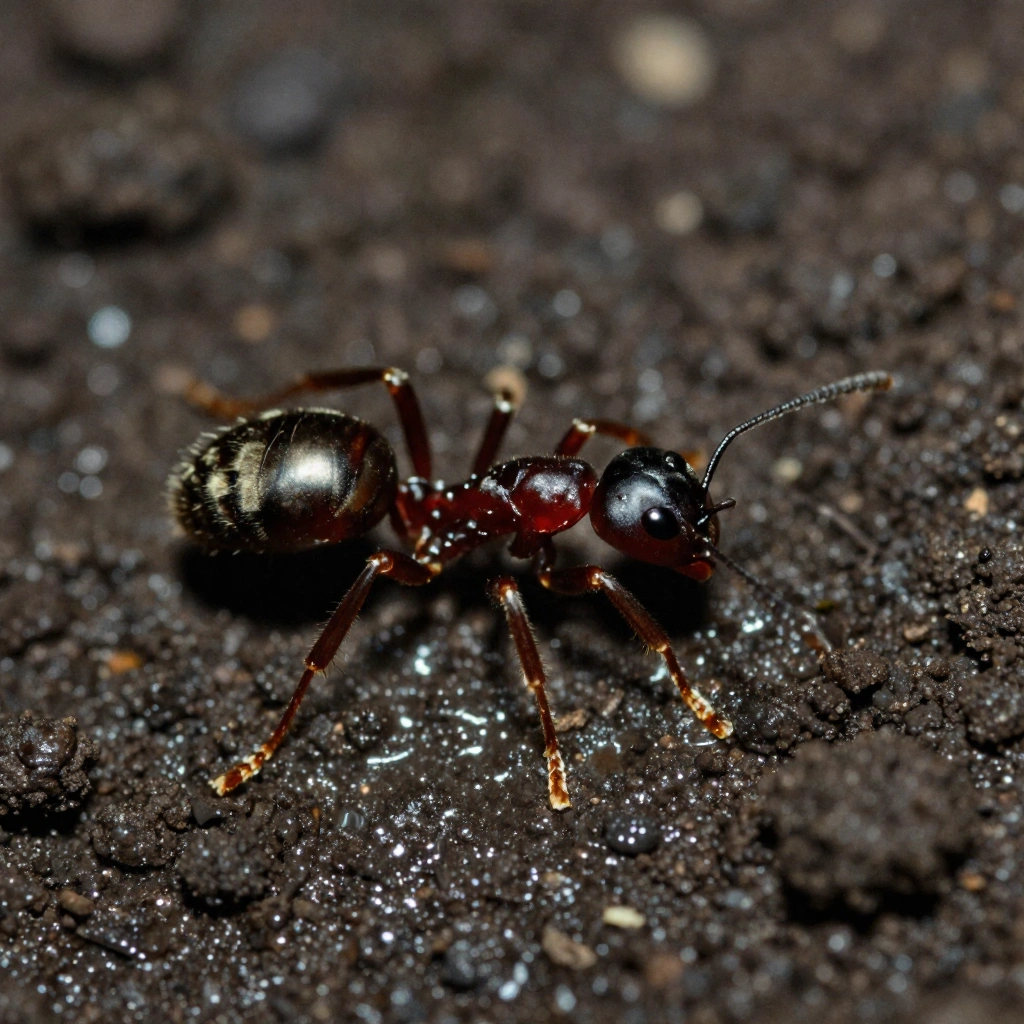
The bullet ant, scientifically known as Paraponera clavata, is infamous for possessing the most painful sting among insects, a fact that intensifies its lethal reputation. Found primarily in the tropical rainforests of Central and South America, this ant thrives in lowland areas, preferring moist environments under the canopy of dense foliage. The sting of a bullet ant has been recorded on the Schmidt Pain Index, which rates pain based on the described sensations experienced after being stung. It ranks a staggering 4.0+, which is equivalent to being shot—a sensation so intense and excruciating that individuals often describe it as a ‘pain that is off the charts.’
Not only is the sting extremely painful, but the bullet ant’s behavior adds to its threat. These ants are generally solitary insects that become highly aggressive when their nest is disturbed. Their venom contains a neurotoxin called poneratoxin, which can cause severe, long-lasting pain, swelling, and even temporary incapacitation. Thus, encountering a bullet ant in its natural habitat can pose a significant risk, especially for those unaware of the dangers.
Symbolism and Cultural Significance
For many indigenous groups, the bullet ant is more than just a creature of the jungle; it embodies resilience and strength. Tribes such as the Satere-Mawe have created initiation rituals that incorporate the bullet ant’s sting, signifying a young person’s transition into adulthood. Through this harsh venomous experience, the tribal youth develop a sense of courage, demonstrating their readiness to face life’s challenges.
1 – Mosquitoes Aedes aegypti and Anopheles: The World’s Deadliest Animal
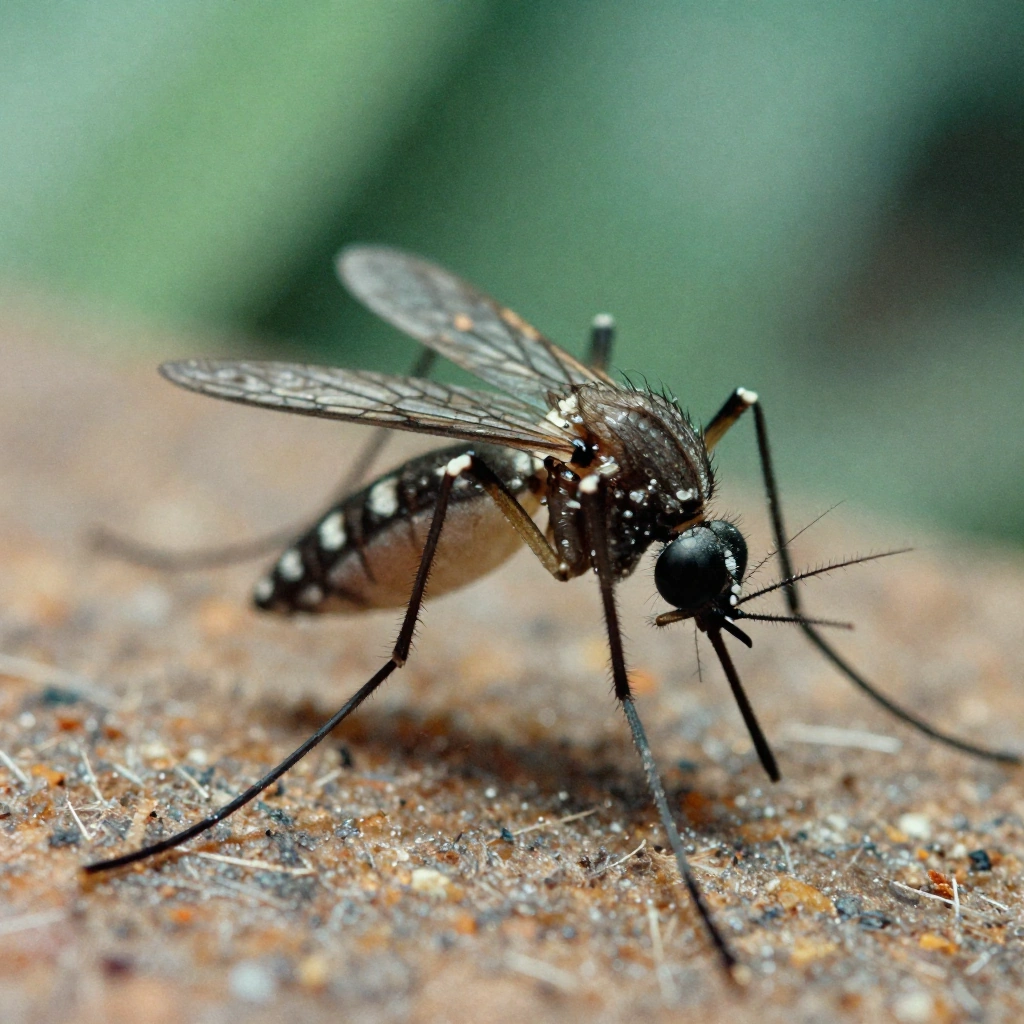
Mosquitoes are often referred to as the world’s deadliest animal, a designation primarily due to their ability to transmit various life-threatening diseases. Each year, these small, seemingly innocuous insects are responsible for the transmission of pathogens that cause malaria, dengue fever, Zika virus, and more. According to the World Health Organization (WHO), malaria alone resulted in approximately 627,000 deaths in 2020, underscoring the significant impact mosquitoes have on global health.
The biology of mosquitoes plays a crucial role in their effectiveness as disease vectors. Female mosquitoes require blood meals for egg production, which leads them to feed on human hosts. During this feeding process, they can inject pathogens present in their saliva into the bloodstream of the host, facilitating the spread of diseases. The lifecycle of mosquitoes comprises four distinct stages: egg, larva, pupa, and adult. Environmental conditions, such as temperature and water availability, largely influence their breeding and survival rates.
Zika Virus and Yellow Fever
Different species of mosquitoes target various hosts and transmit a range of diseases. For instance, the Anopheles mosquito is notorious for transmitting malaria, while Aedes species, such as Aedes aegypti, are vectors for dengue Zika virus and has earned its name due to its connection to the viral hemorrhagic disease yellow fever. Historically, yellow fever epidemics devastated populations, particularly in Africa and the Americas. Yellow fever, once a major cause of mortality, was controlled in the 20th century through advancements in vaccination and vector control measures. Moreover, the Aedes aegypti mosquito’s ability to thrive in urban environments has allowed it to adapt and spread, leading to numerous outbreaks in densely populated areas that complicating control efforts.
Geographically, the distribution of yellow fever mosquitoes extends primarily across Africa, parts of South America, and Asia, where the ideal conditions for breeding and survival are prevalent. Climate changes, urbanization, and increased travel have further facilitated the spread and establishment of these mosquitoes in previously unaffected regions.
The economic burden of mosquito-borne diseases is substantial, affecting healthcare systems worldwide and impacting productivity. Preventive measures, such as insect repellents, mosquito nets, and public health campaigns, are essential in mitigating the risks associated with these deadly insects. Collaboration among scientists, policymakers, and communities remains vital to reducing the incidence of mosquito-borne diseases and protecting vulnerable populations.
The Common Thread: How to Minimize Your Risk
While this list may seem daunting, knowledge dispels fear and empowers action. The principles of prevention are often straightforward and highly effective. You don’t need to live in a bubble; you just need to be smart and prepared.
General Prevention Strategies
Adopting these habits can dramatically reduce your risk from a wide range of insect threats:
- Use EPA-Registered Insect Repellent: Products containing DEET, picaridin, IR3535, or oil of lemon eucalyptus are your first line of defense against biting insects. Apply to skin and clothing as directed.
- Wear Protective Clothing: When in high-risk areas (woods, tall grass, regions with known disease), wear long sleeves, long pants, socks, and closed-toe shoes. Tucking pants into socks may look silly, but it keeps ticks out.
- Secure Your Living Space: Use window and door screens, repair tears, and consider bed nets in areas with mosquito-borne diseases. Eliminate standing water (flower pots, gutters, bird baths) to destroy mosquito breeding sites.
- Perform Regular Tick Checks: After spending time outdoors, do a full-body check. Prompt, proper removal of ticks (with fine-tipped tweezers) greatly reduces disease transmission risk.
- Be Informed About Your Destination: Before traveling, especially internationally, research local insect-borne disease risks. Consult a travel medicine clinic for recommended vaccinations or prophylactic medications (like for malaria).
What to Do If You Are Bitten or Stung
Swift and correct action can mitigate harm:
- For non-venomous bites (mosquitoes, fleas): Wash with soap and water, apply anti-itch cream, and avoid scratching to prevent infection.
- For bee/wasp/hornet stings: Scrape the stinger out sideways with a credit card (don’t pinch it, which squeezes more venom in). Wash, apply a cold pack, and monitor for signs of allergic reaction.
- For tick bites: Remove the tick carefully, clean the area, and save the tick in a sealed bag for identification if needed. Monitor for a bullseye rash or flu-like symptoms for 30 days.
- Seek Immediate Medical Attention if: You show signs of a severe allergic reaction (difficulty breathing, swelling of throat/tongue, dizziness), experience a high fever after a bite, are stung numerous times, or have been bitten by a known dangerous species (e.g., a kissing bug in an endemic area).
FAQs: Your Questions Answered
Are deadly insect encounters becoming more common?
In some ways, yes. Climate change is expanding the habitable range for insects like mosquitoes and ticks into regions that were previously too cool. Global travel and trade also accidentally transport species (like the Asian tiger mosquito) to new continents. However, advances in medicine, public health initiatives, and personal awareness are powerful tools to counter this trend.
Which is more dangerous: a poisonous insect or a venomous one?
This is a key distinction. “Poisonous” means toxic if touched or ingested (like some caterpillars). “Venomous” means it actively injects toxin via a bite or sting. In terms of direct human mortality, venomous insects like hornets can cause acute death, but disease-vectoring insects (which are neither poisonous nor venomous themselves) are responsible for vastly more deaths annually.
Can I build an immunity to insect venom?
Repeated stings from bees or wasps can sometimes lead to increased tolerance in beekeepers, for example. However, the opposite is more common and dangerous: you can become sensitized, meaning each subsequent sting carries a higher risk of a severe allergic reaction. Never assume you are immune.
What is the single most important preventive measure I can take?
For the average person, the consistent use of an effective insect repellent when spending time outdoors in warm months is the most impactful single action. It protects against the spectrum of biters, from disease-carrying mosquitoes to nuisance flies.
The Importance of Awareness and Prevention: A Final Word
The insects on this list are not monsters; they are animals fulfilling their biological roles. Our goal is not eradication—an impossible and ecologically disastrous aim—but intelligent coexistence. By understanding their behaviors, recognizing their habitats, and taking simple, proactive steps, we neutralize their threat. The call to action is clear: Don’t let fear keep you indoors, but let knowledge guide you safely through the world. Share this information with your family, especially older adults and children who may be more vulnerable. Check your local health department for alerts. Pack that repellent. The majesty of nature is worth experiencing, and with the right precautions, you can do so with confidence, respecting the small but potent power of nature’s silent killers without falling victim to it.