Discover Vietnam: Your Ultimate Budget Travel Guide to Affordable Adventure and Rich Culture
Read time:

Have you ever dreamed of exploring a country where ancient traditions meet modern excitement—all without emptying your savings account? Welcome to Vietnam, Southeast Asian gem that offers one of the most affordable travel experiences in the world while delivering an unforgettable cultural journey through centuries of history, breathtaking landscapes, and some of the most flavorful cuisine you’ll ever taste.
From the bustling streets of Ho Chi Minh City to the serene mountain retreats of Da Lat, Vietnam welcomes travelers with open arms and prices that will make you do a double-take. Whether you’re a retiree seeking a new adventure, a couple looking for an affordable honeymoon destination, or a solo traveler eager to immerse yourself in a rich tapestry of cultures, Vietnam delivers experiences that rival destinations costing three times as much.
This comprehensive Vietnam budget travel guide for 2025 will take you through the country’s most captivating destinations, revealing exactly how far your dollar goes and why this nation has become a favorite among savvy travelers worldwide. Pack your bags and let’s discover why Vietnam should be at the top of your travel bucket list.
Ho Chi Minh City: Where History Meets Affordable Luxury
Formerly known as Saigon, Ho Chi Minh City sits in the southwest of Vietnam and serves as the country’s largest city—and quite possibly its most exciting destination. Despite its modern infrastructure, complete with gleaming skyscrapers and international restaurants, the city maintains an incredibly affordable cost of living that surprises even the most experienced budget travelers.
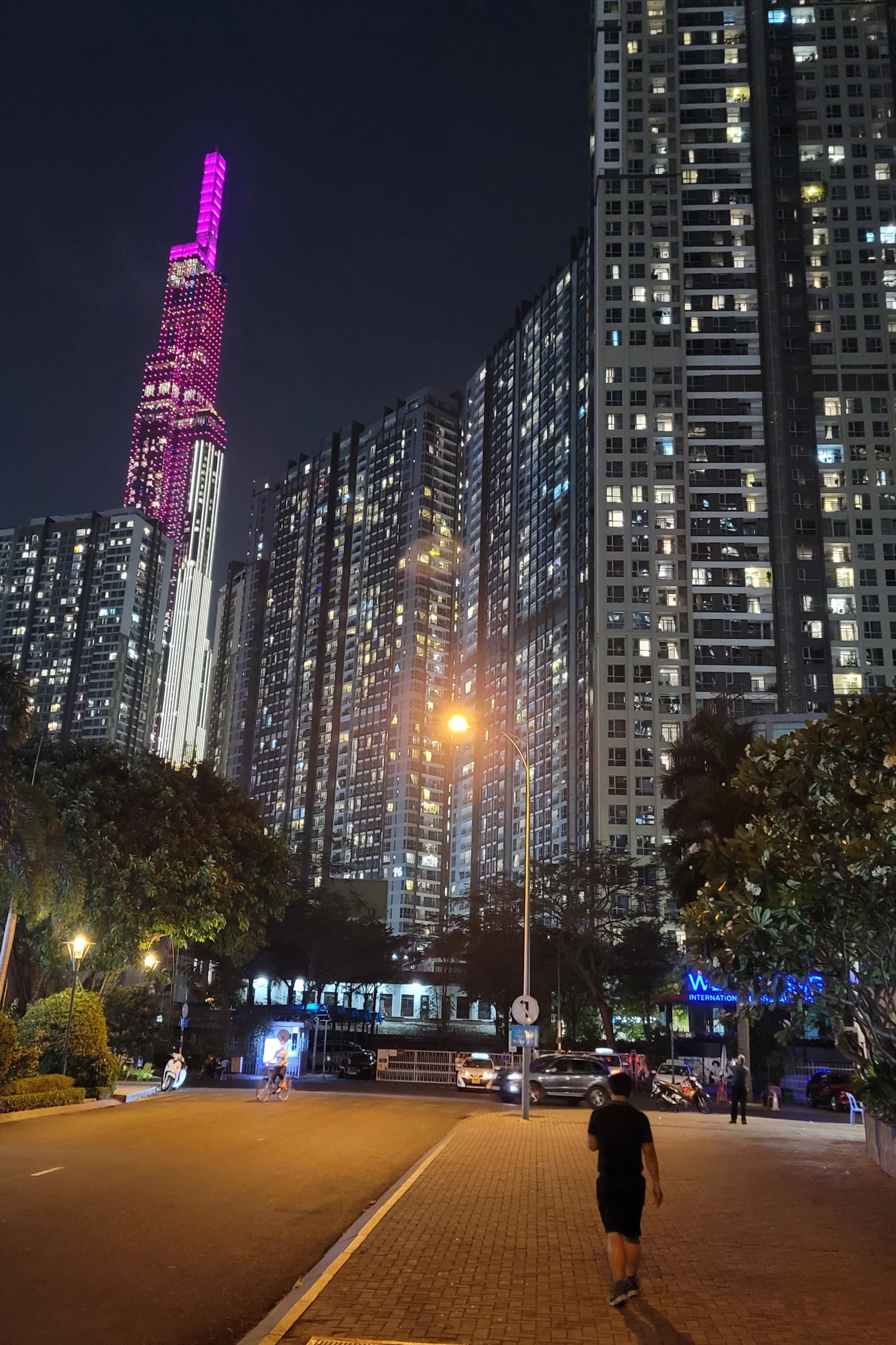
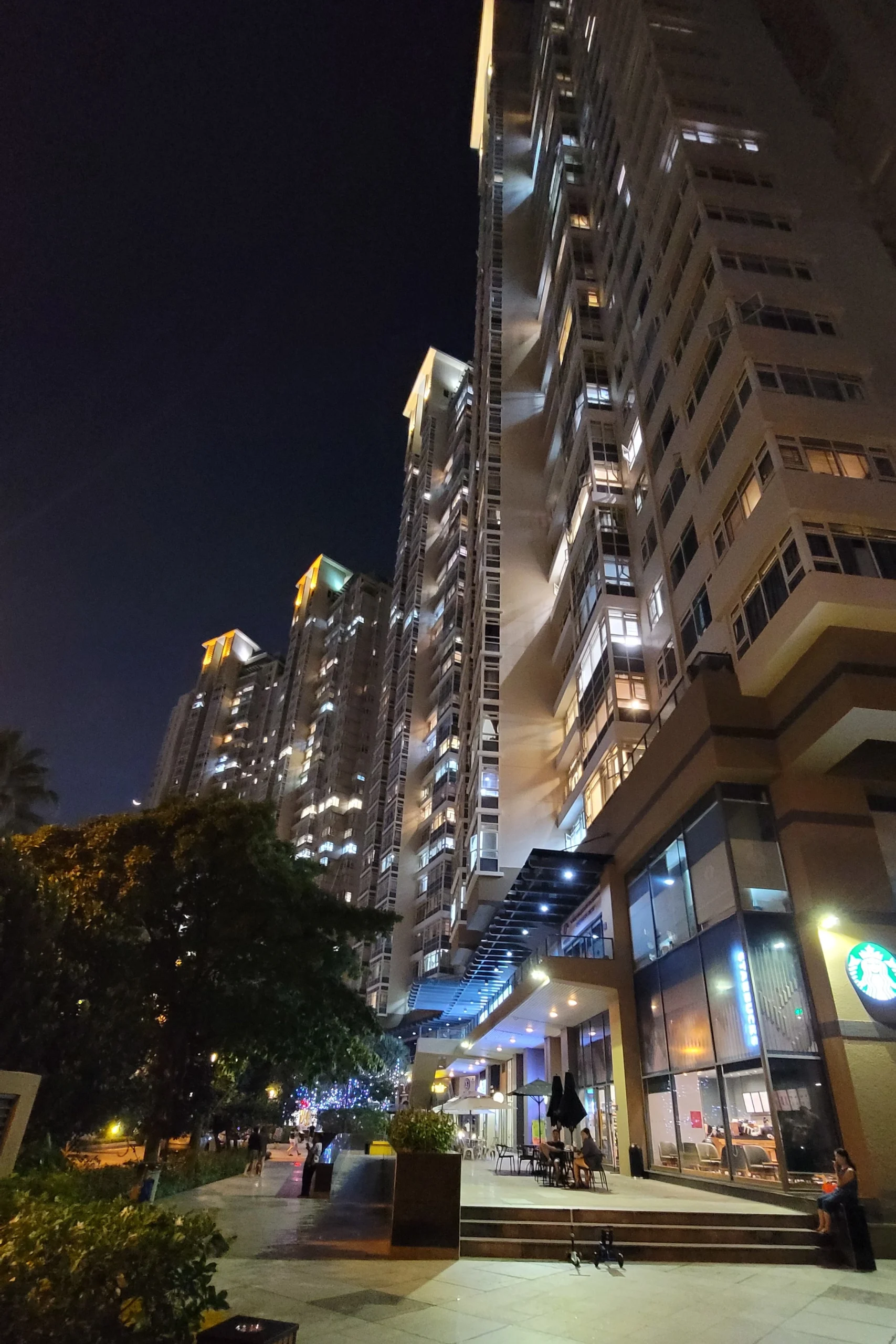
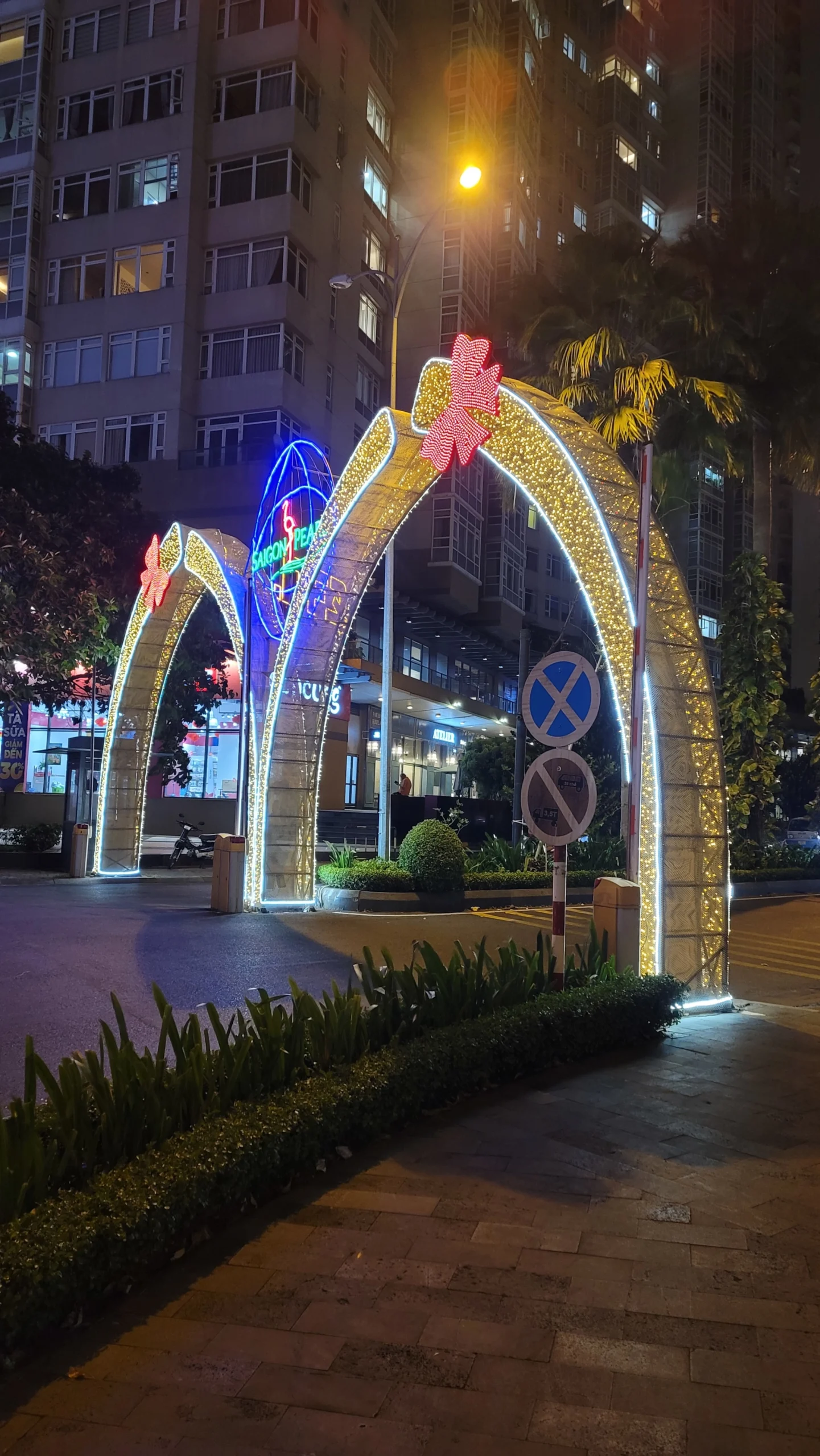
One of the most common misconceptions about visiting Vietnam’s economic hub is that quality accommodation will break the bank. This couldn’t be further from the truth. During my recent exploration of District 1, the heart of the city, I discovered that you can secure a comfortable room with access to a shared kitchen and a beautiful swimming pool for just $37 USD per night. That’s right—$37 for a clean, air-conditioned room in a prime location close to the Opera House, Reunification Palace, City Hall, the iconic Central Post Office, and the Notre-Dame Cathedral Basilica of Saigon.
The French Colonial Legacy
The Notre-Dame Cathedral, constructed between 1863 and 1880, stands as a beautiful testament to Vietnam’s French colonial heritage. Its red brick façade and twin bell towers have become one of the most photographed landmarks in the country. Just across the street, the Central Post Office—designed by Gustave Eiffel—continues to operate, offering visitors a glimpse into the architectural grandeur of the colonial era.
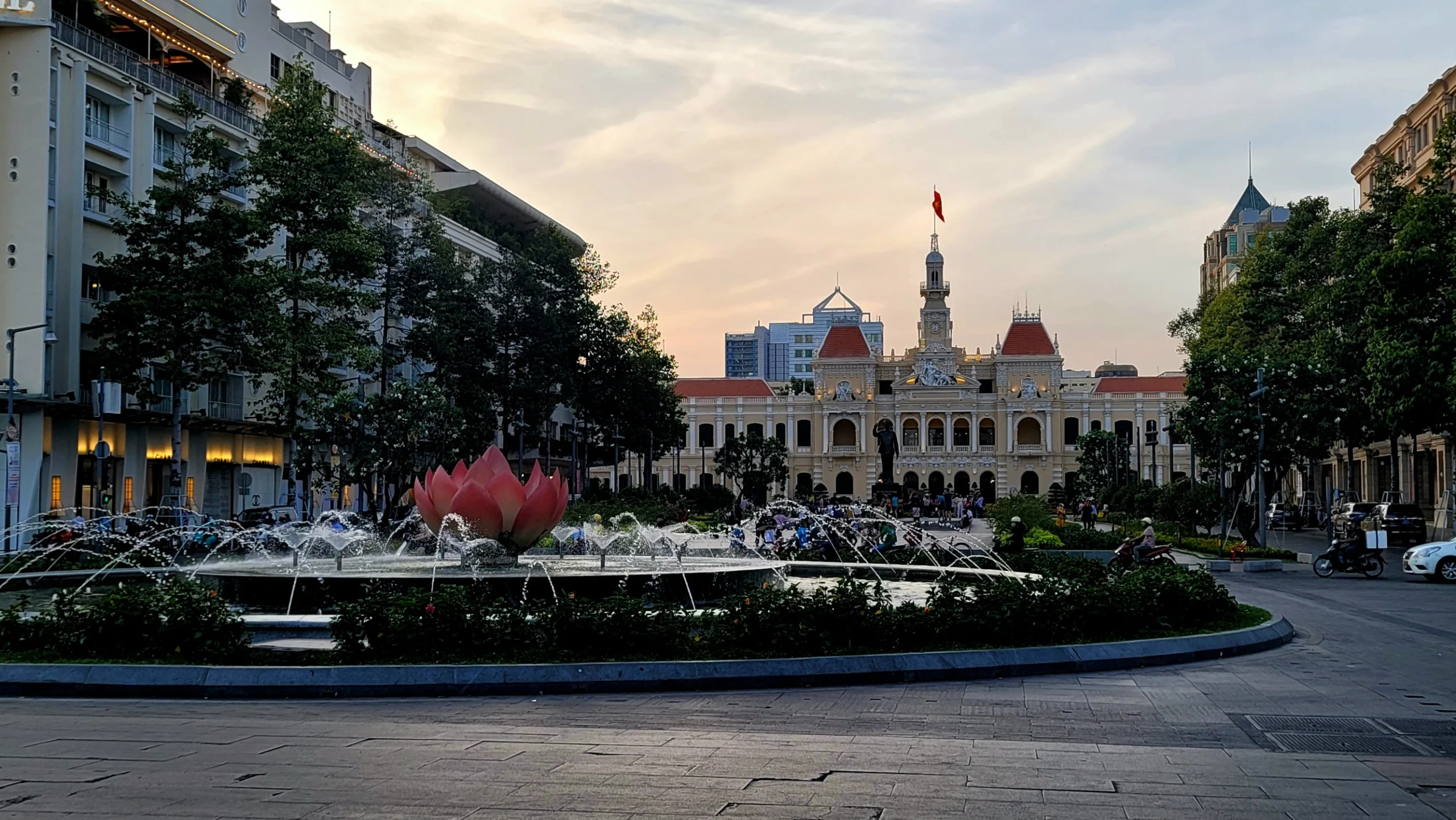
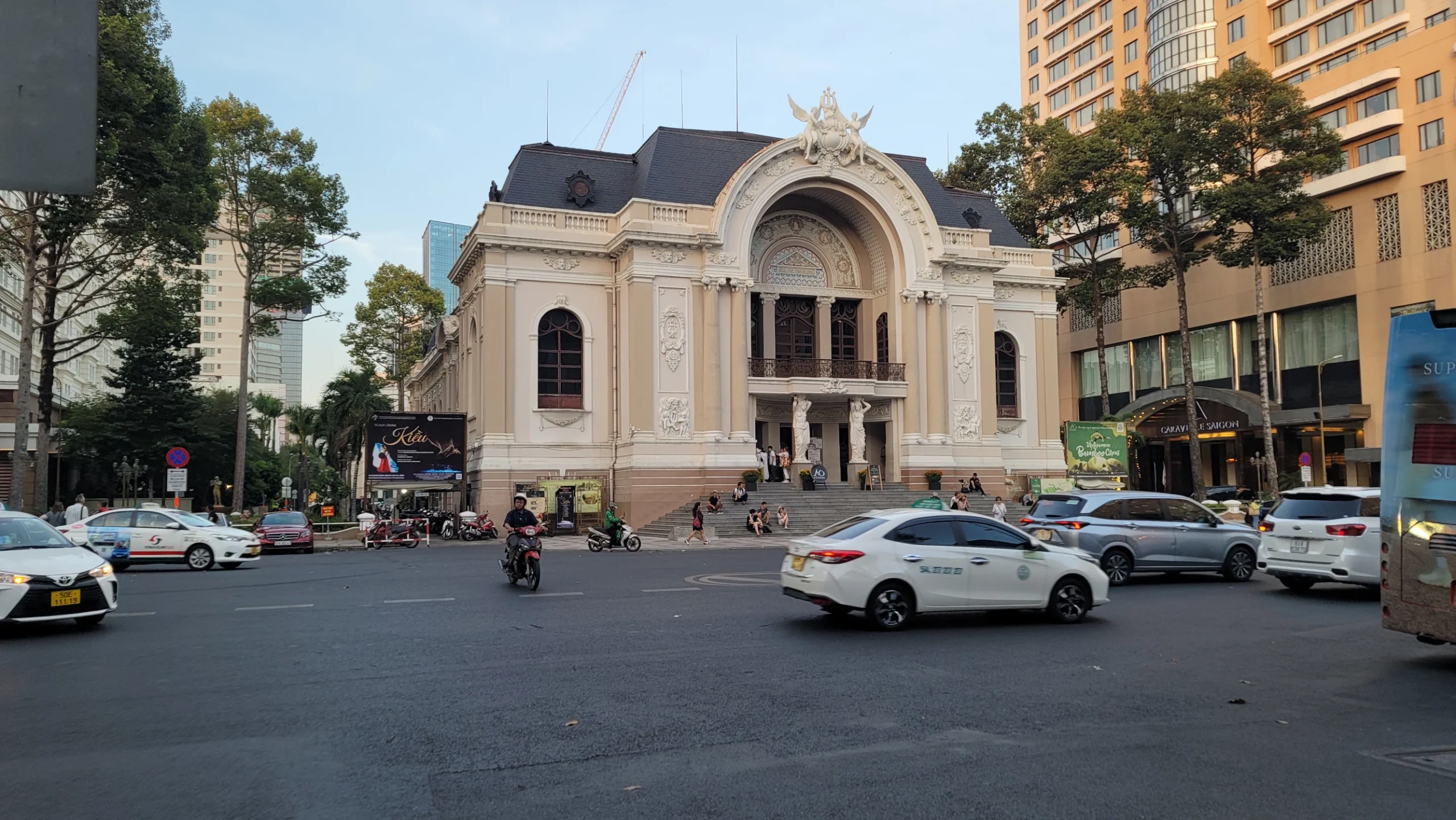
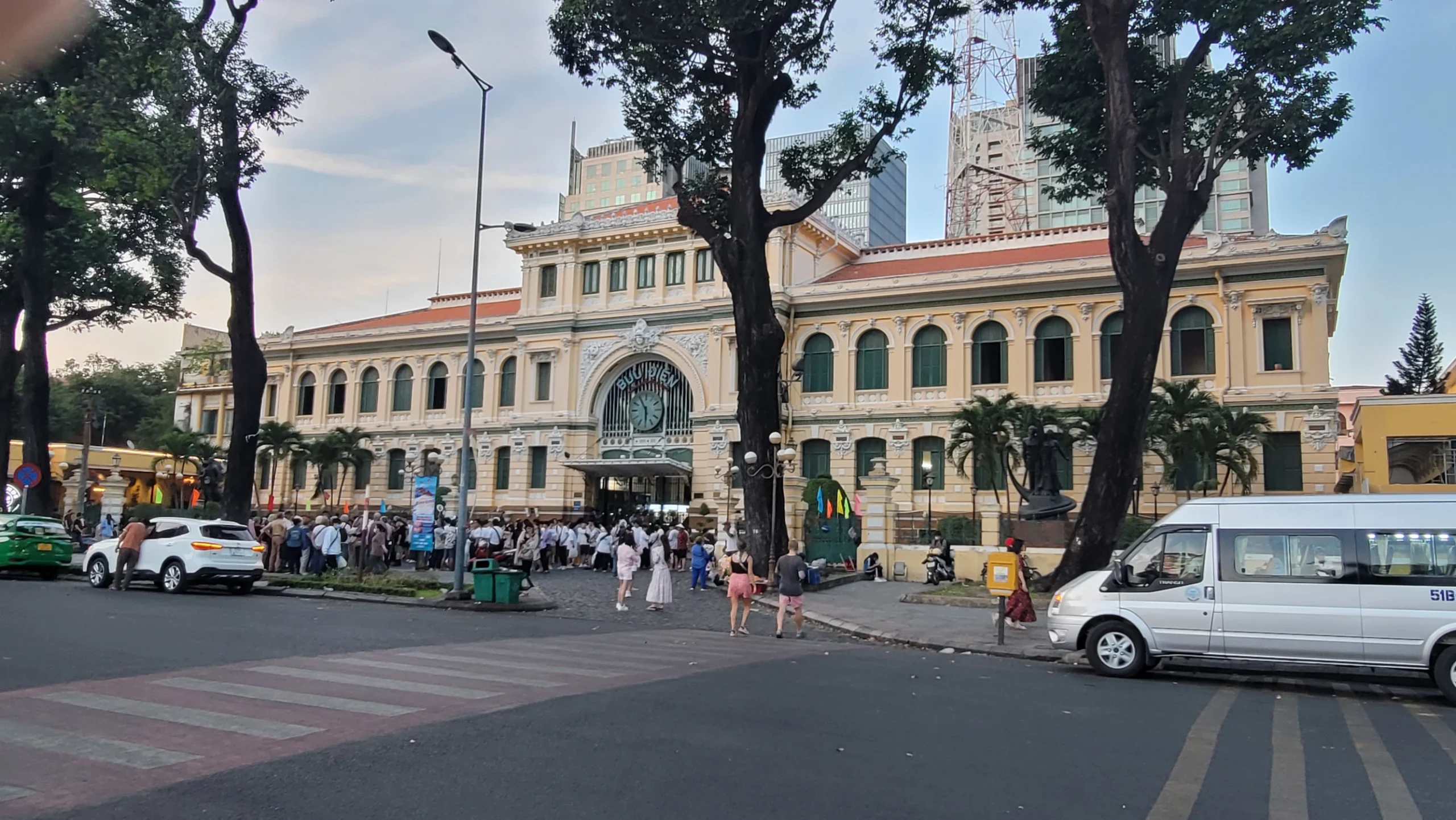
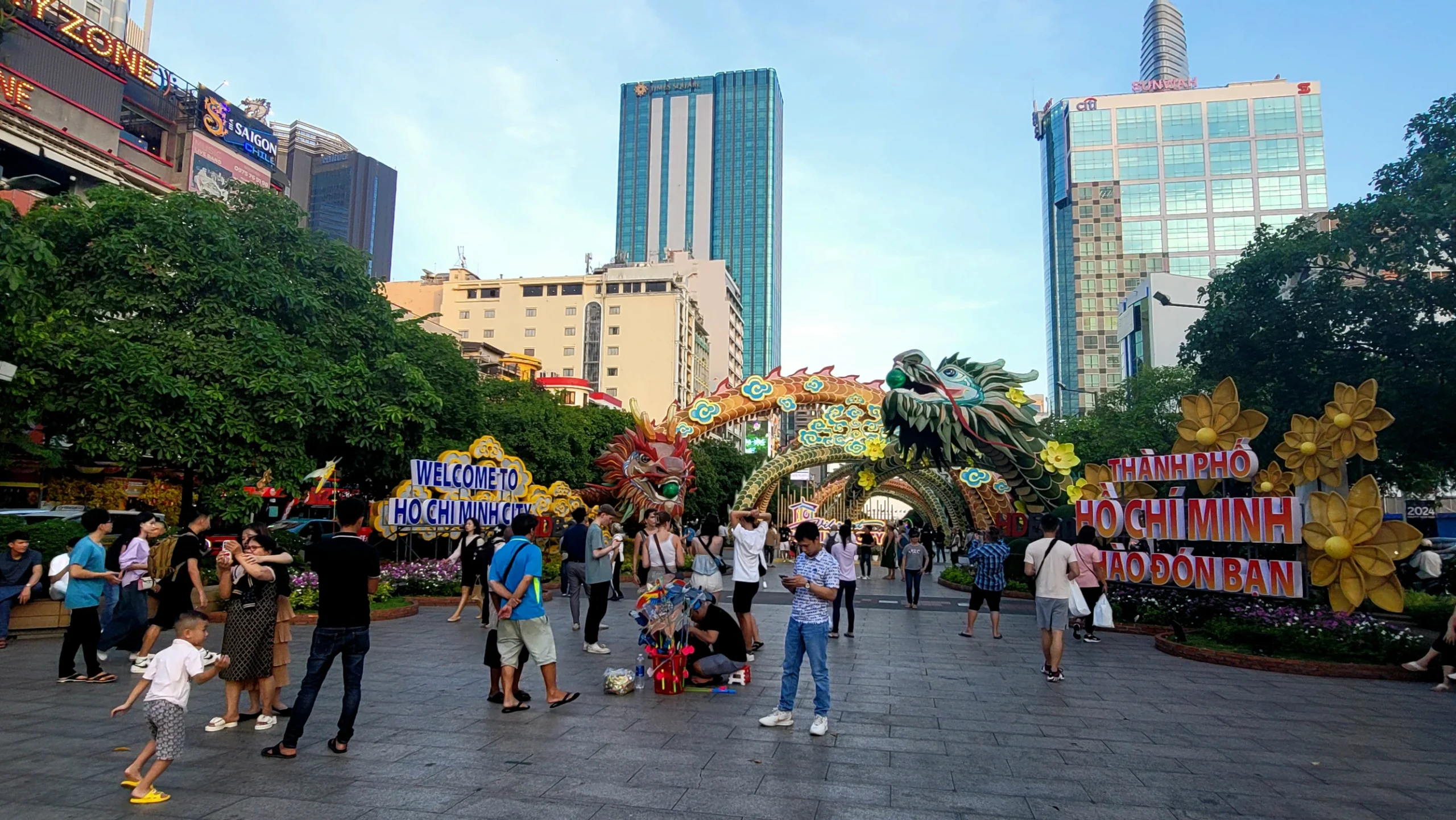
These landmarks aren’t just tourist attractions; they’re windows into a complex history that shaped modern Vietnam. The French colonized Vietnam in 1887, establishing French Indochina, which included Vietnam, Laos, and Cambodia. During World War II, Japan occupied French Indochina, creating a politically complex landscape. After Japan’s surrender in 1945, France attempted to reassert control, leading to the First Indochina War (1946-1954).
The Vietnamese resistance culminated in the historic defeat of French forces at the Battle of Dien Bien Phu in 1954, leading to the Geneva Accords and the temporary division of Vietnam into North and South. This rich historical tapestry adds depth to every corner of Ho Chi Minh City, making your visit not just a vacation but a journey through time.
Dining on a Dime in Ho Chi Minh City
One of the greatest pleasures of visiting Ho Chi Minh City is the incredible food scene that caters to every budget. A good breakfast with a excellent French-style latte costs approximately $4.75 USD or 125,000 dong in tourist areas. Imagine starting your day with a steaming bowl of pho from a street vendor for just a couple of dollars, or enjoying a proper French croissant at a local bakery—the best of both worlds at prices that seem almost too good to be true.
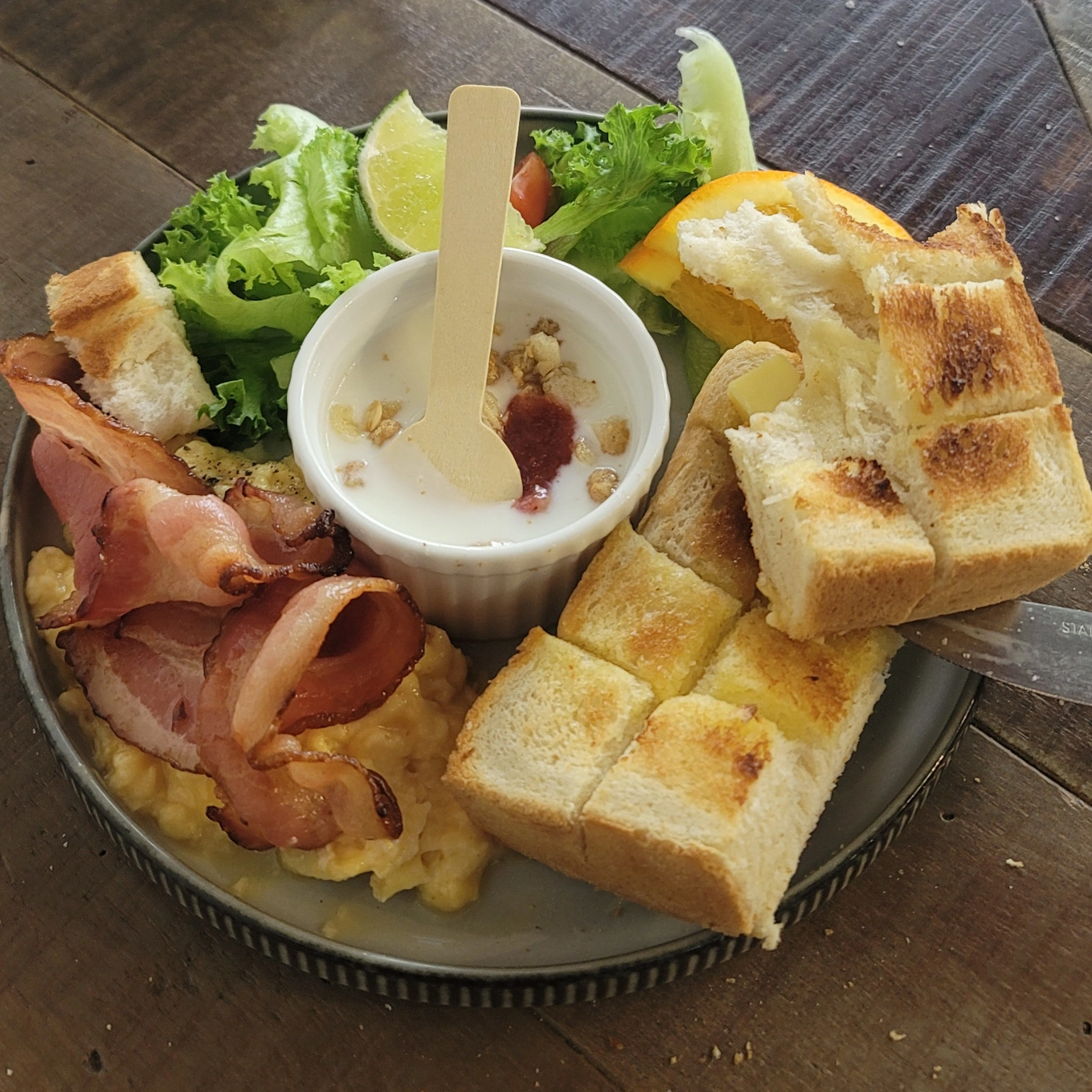
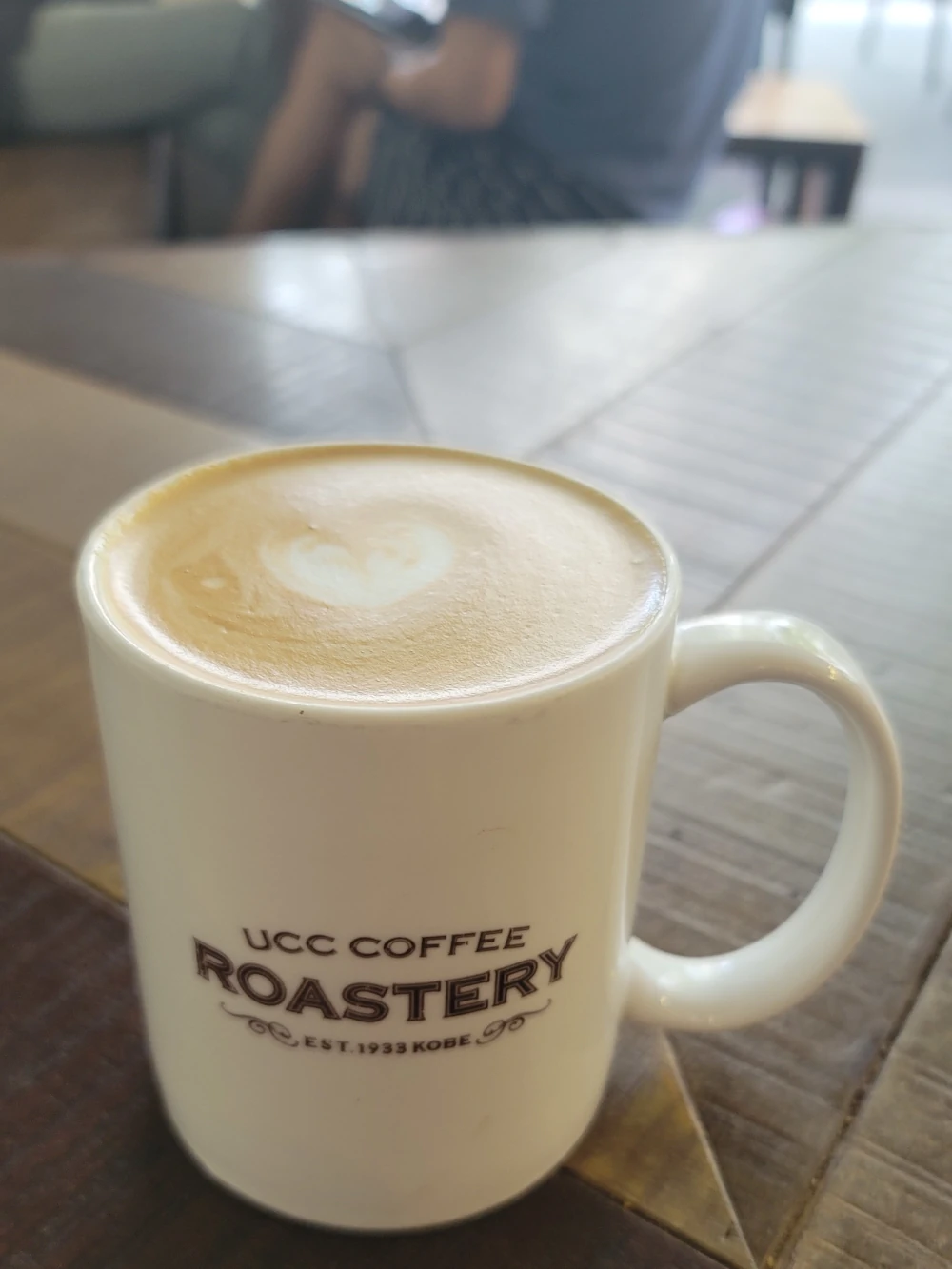
The restaurant scene in District 1 offers everything from high-end international cuisine to humble local eateries where a complete meal might cost you less than your morning coffee back home. Don’t miss the opportunity to explore the local markets, where you can sample fresh tropical fruits, regional specialties, and the famous Vietnamese coffee that has captivated taste buds around the world.
The Mekong Delta: A Journey Through History and Natural Beauty
No visit to southern Vietnam would be complete without exploring the legendary Mekong Delta, often called the “Rice Bowl” of Vietnam due to its incredible agricultural productivity. This vast network of rivers, swamps, and islands offers a window into rural Vietnamese life while revealing the historical resilience of the Vietnamese people.
The Mekong Delta tour unveils not only the natural beauty of the Mekong River but also the compelling history behind the wars of resilient Vietnamese against foreign powers. From resistance to French colonialism to the more recent conflicts involving Japan and the United States, this region has witnessed centuries of struggle and triumph.
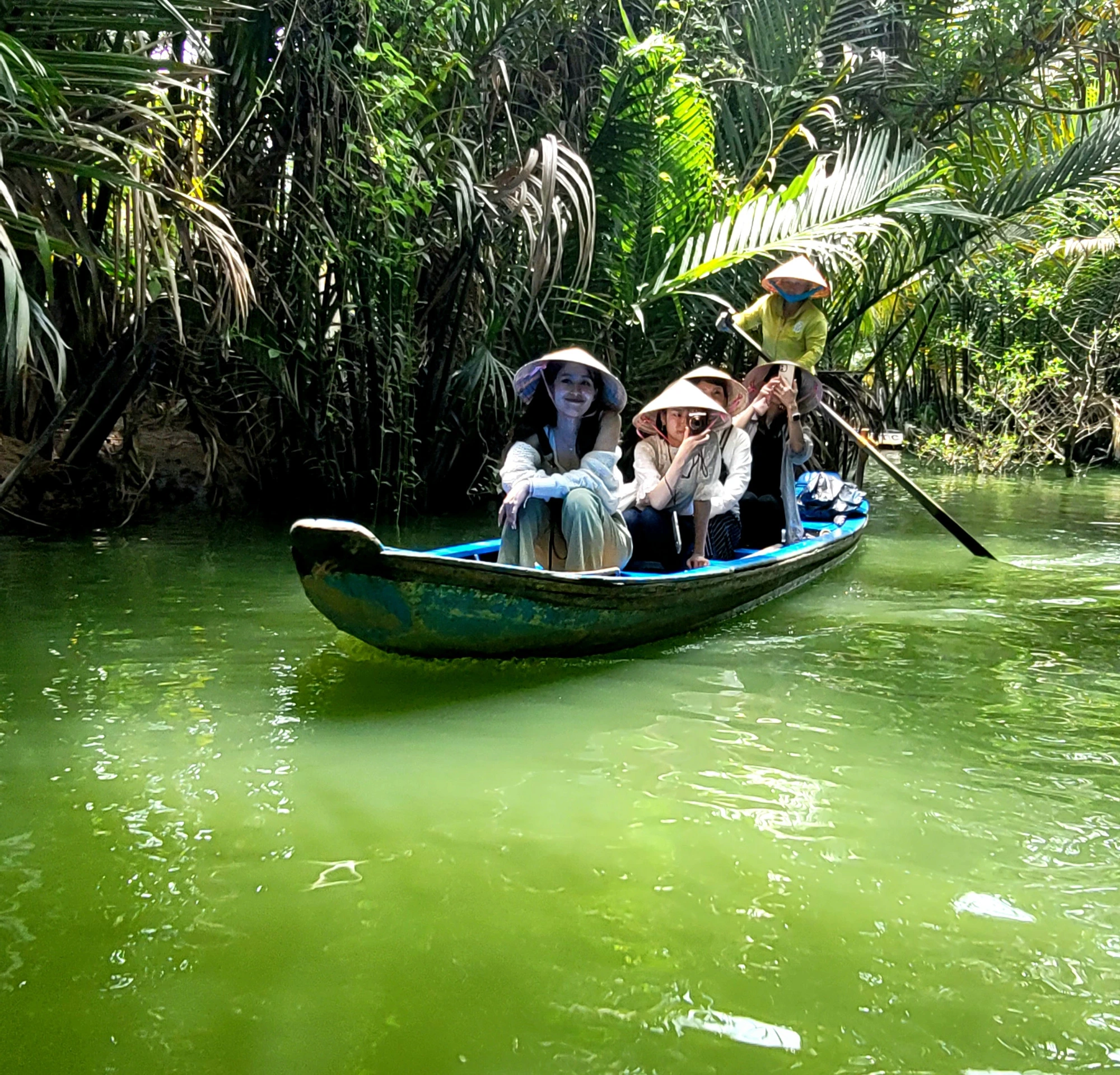
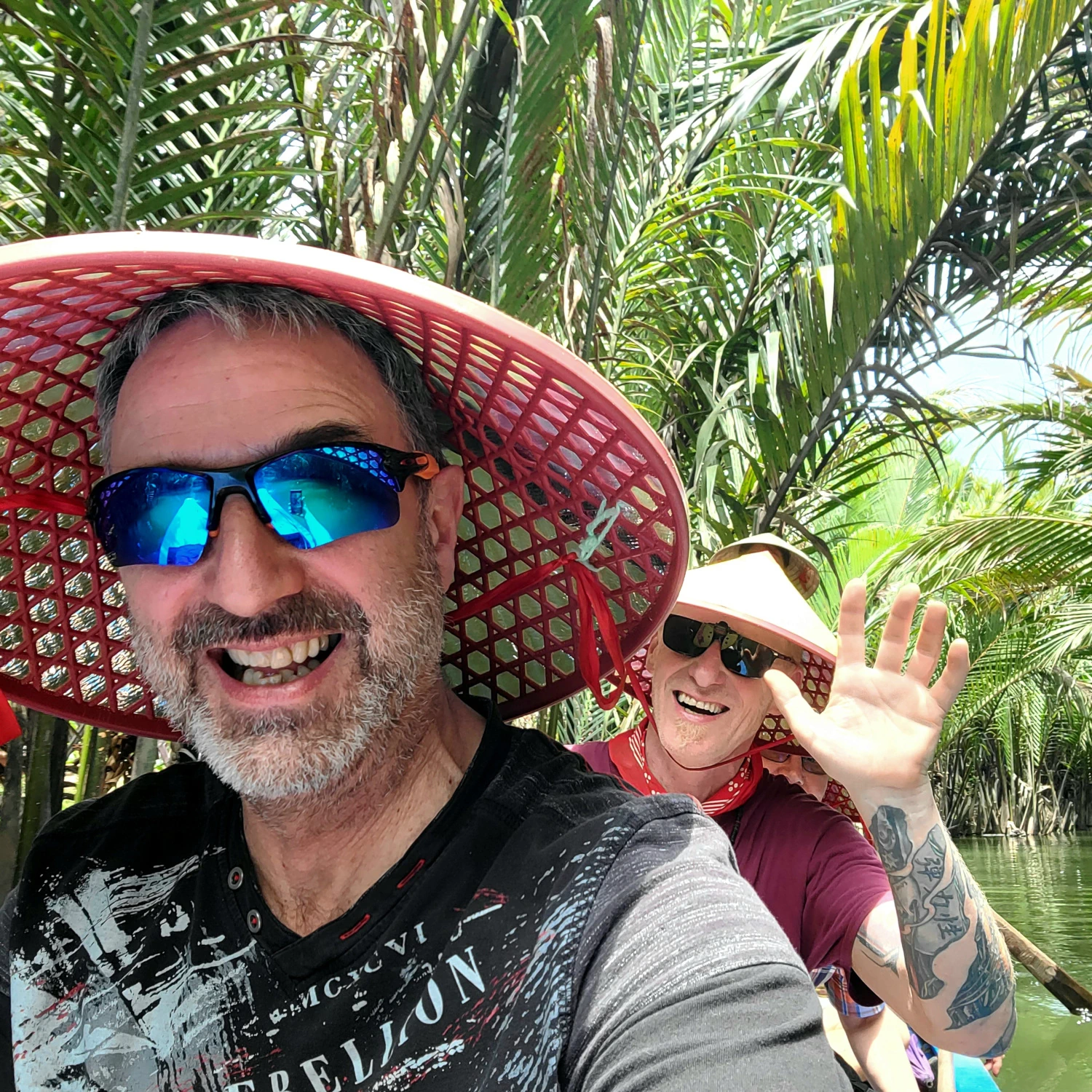
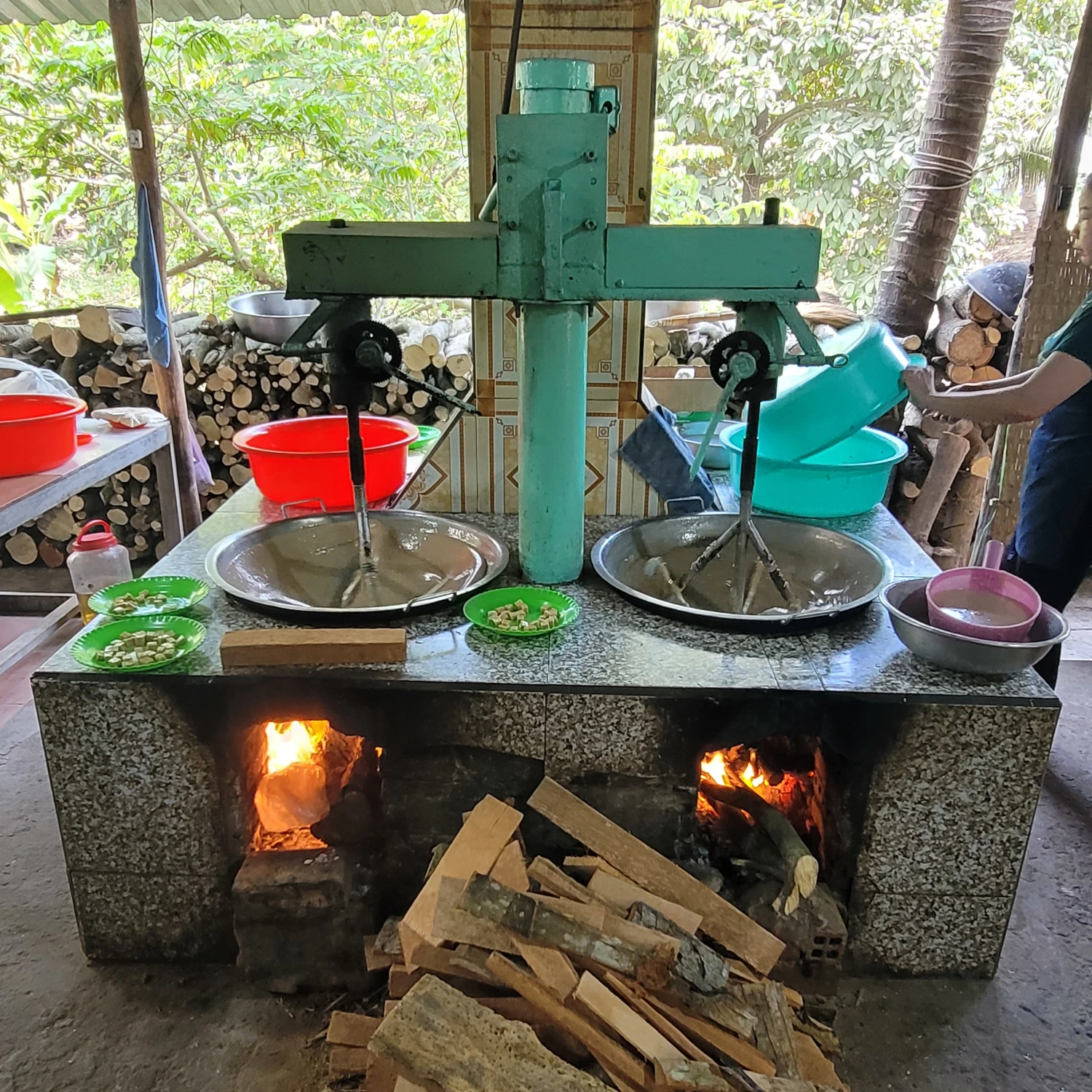
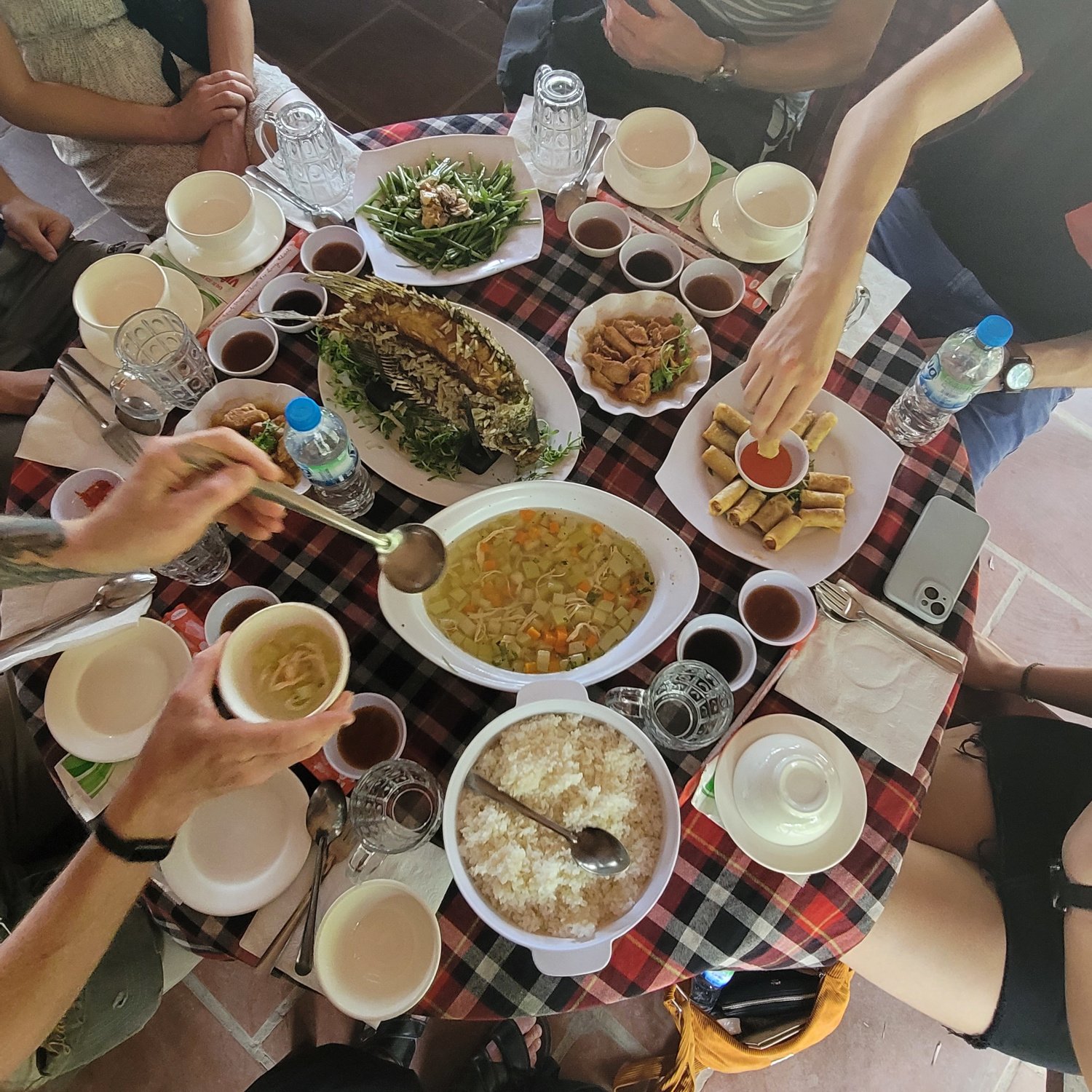
During your Mekong adventure, you’ll glide through scenic river canals on traditional sampans, enjoy live traditional music performances, visit working coconut farms, and explore the beautiful Vinh Trang Pagoda—a stunning example of Buddhist architecture blending Vietnamese, Chinese, and Cambodian design elements. A complete Vietnamese lunch is typically included in tour packages, and all of this can be experienced for less than $20 USD.
A Unique Culinary Experience: Snake Wine
For the adventurous traveler, the Mekong Delta offers the opportunity to sample Snake Wine—a traditional alcoholic beverage made by infusing whole snakes, often venomous cobras and scorpions, in rice wine. While this might sound intimidating, the venom is neutralized by the alcohol, making it safe to consume. The resulting liquid is known for its strong, earthy flavor and is believed to have medicinal properties, including boosting vitality, improving circulation, and relieving pain.
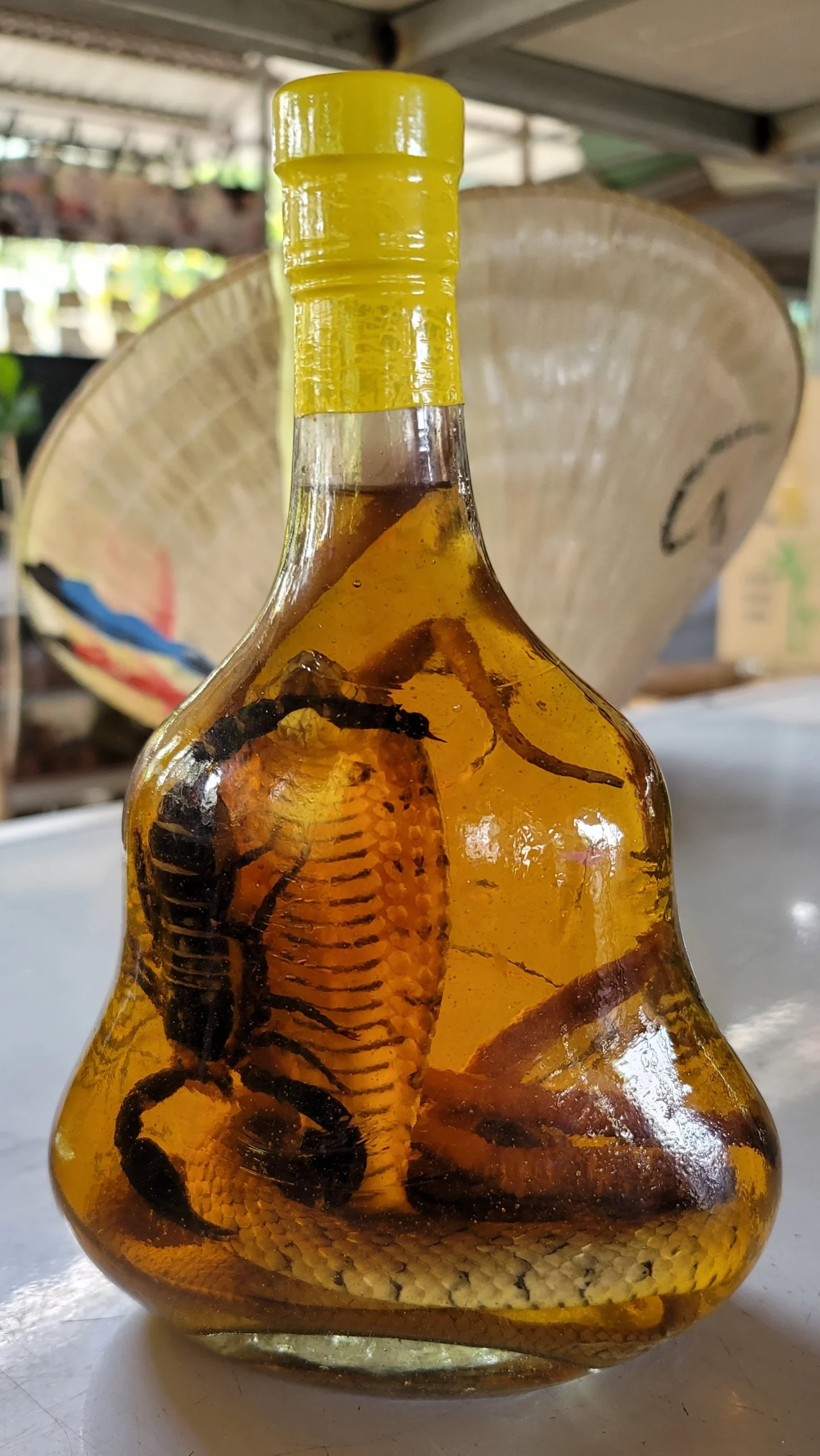
I tried it during my visit, and I can assure you—it has an incredibly potent flavor that you’ll either love or find memorable, to say the least. It’s definitely an experience that encapsulates the adventurous spirit of Vietnamese culture.
Nha Trang: Beach Living at Its Most Affordable
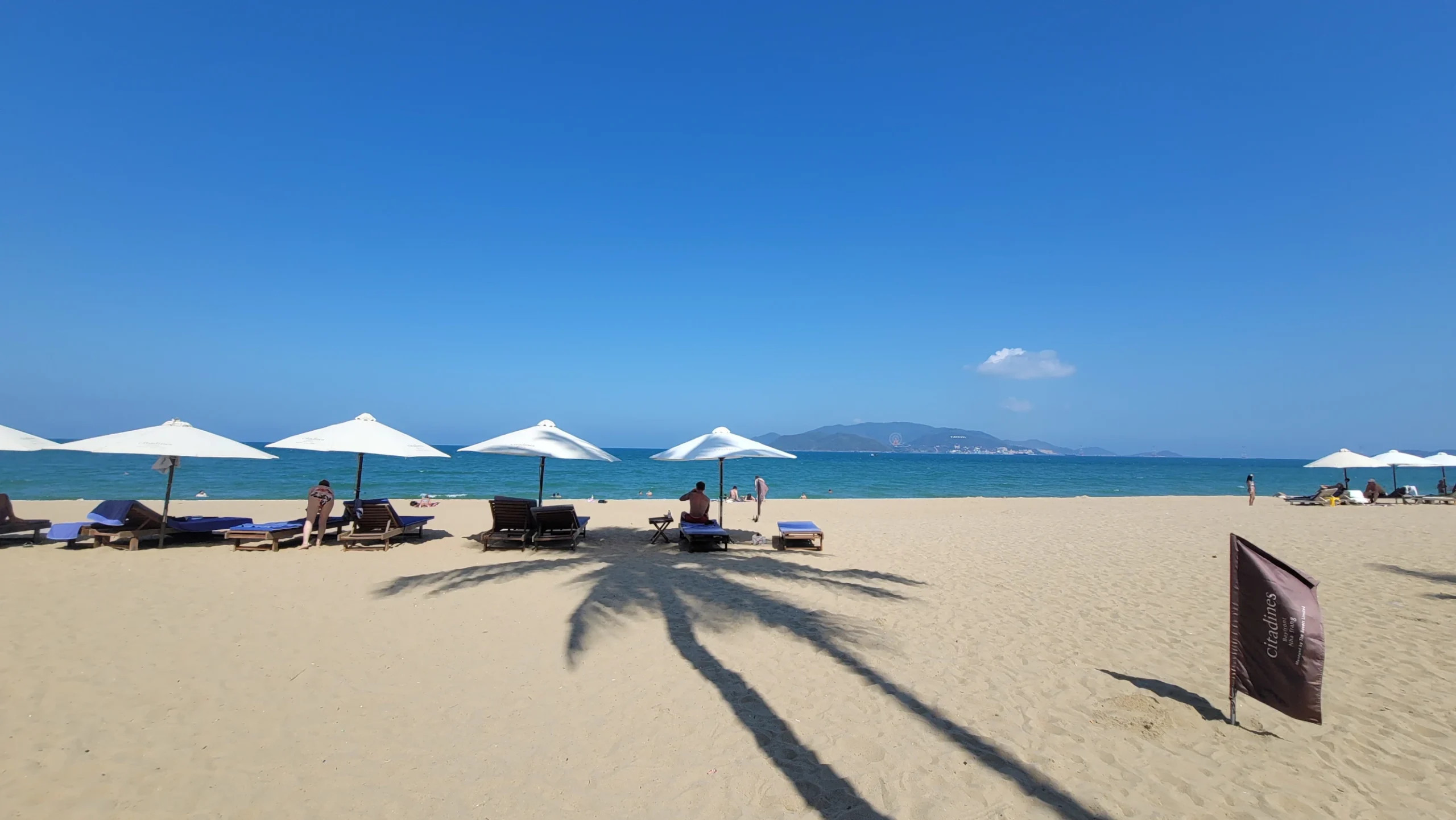
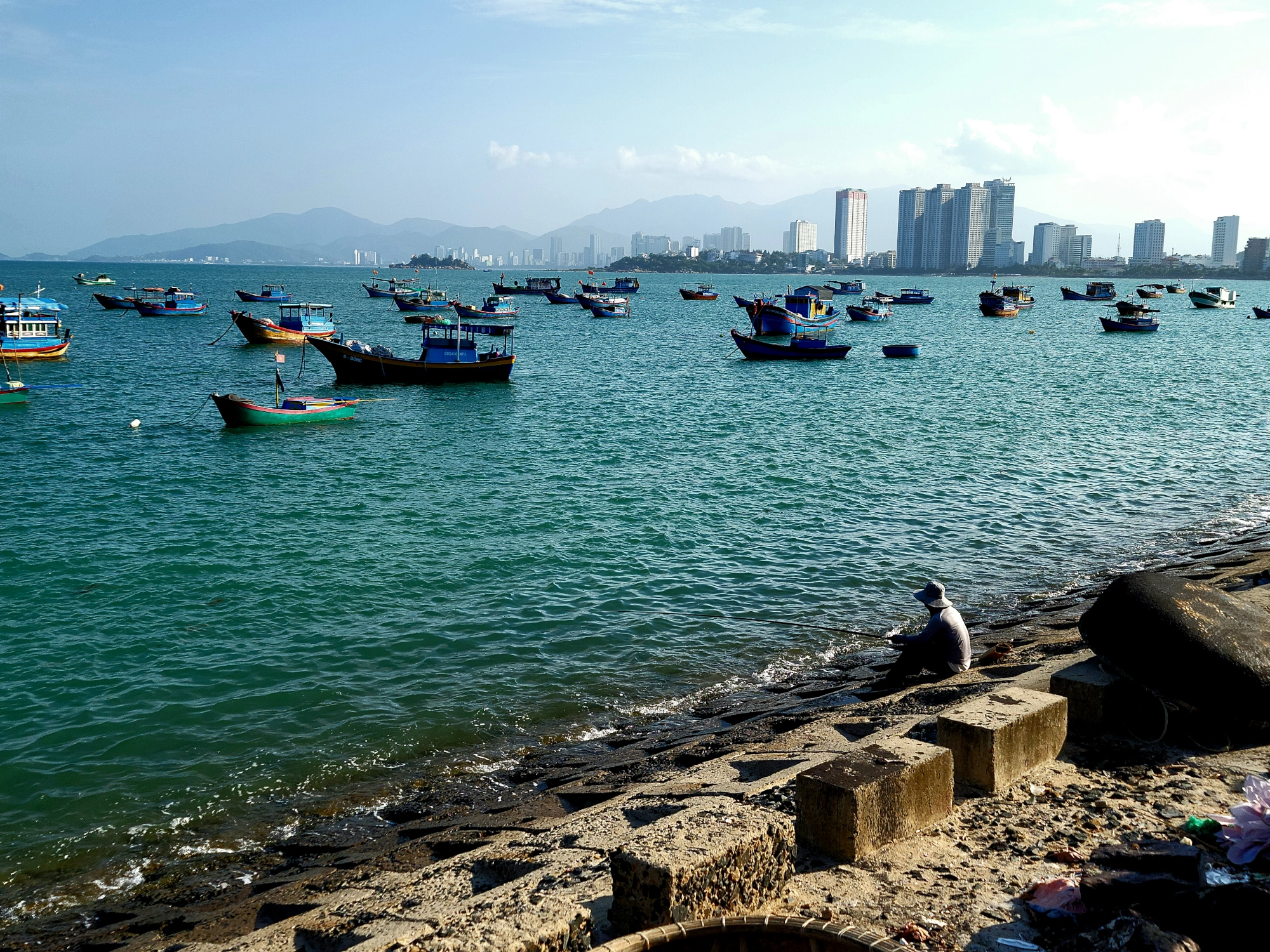
Moving further down the coast, Nha Trang offers a beach destination where the cost of living is even cheaper than in Ho Chi Minh City. This coastal paradise has become increasingly popular among digital nomads, retirees, and budget-conscious travelers seeking sun, sea, and sand without the premium price tag.
Beachfront Luxury for Pennies
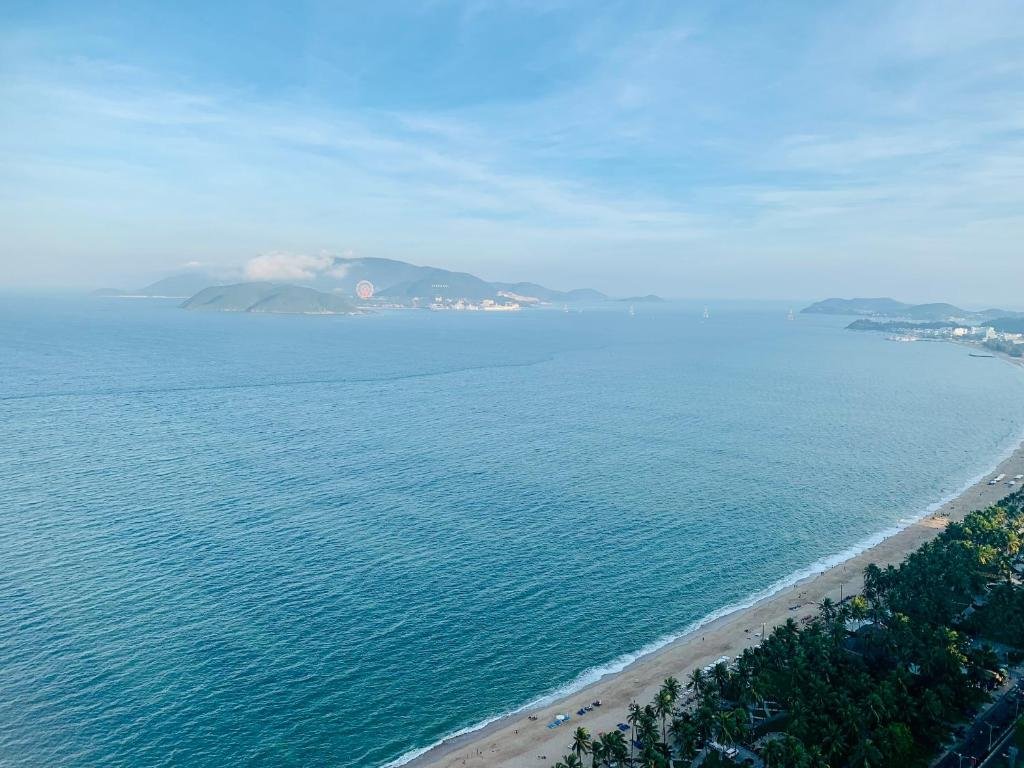
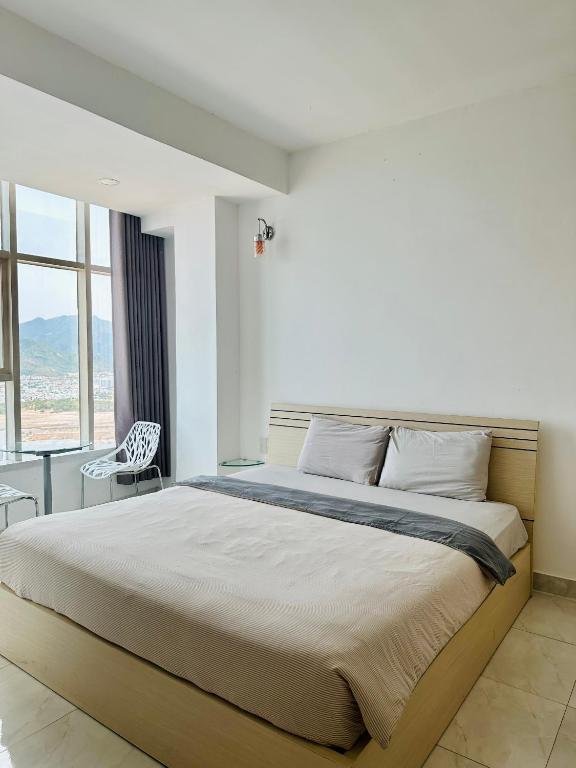
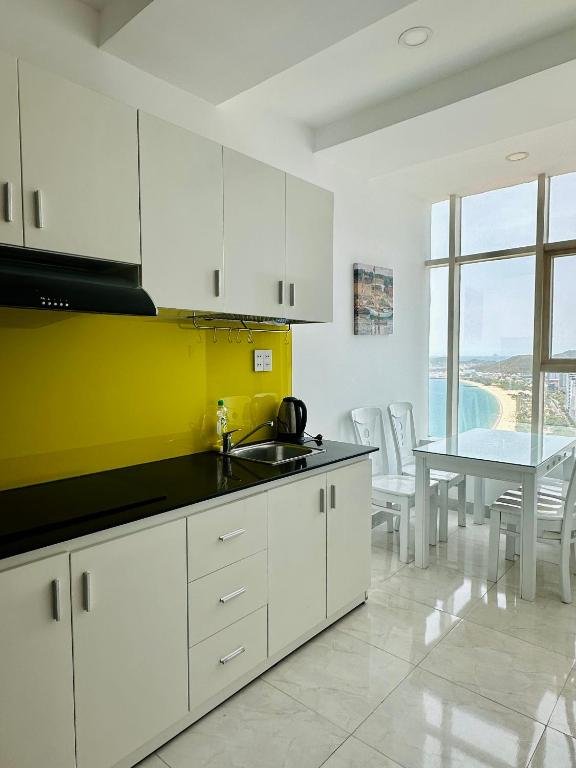
During my recent twelve-day stay in Nha Trang, I rented a beautiful, fully furnished apartment on the 44th floor, located right across from the beach, with all the wonderful, inexpensive restaurants within walking distance. The total cost? Just $18.50 per night. This price included air conditioning, WiFi, taxi service from the airport, a washing machine, and even towels and toilet paper. Try finding that level of comfort in any beach destination in Thailand, Indonesia, or the Philippines for a similar price—you’ll be searching for a long time.
Infinit Ocean View Apartment
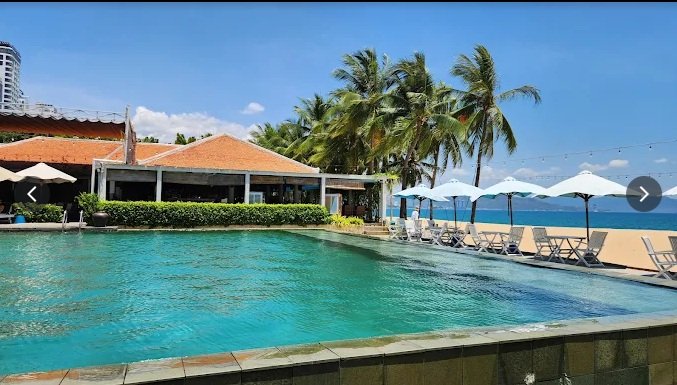
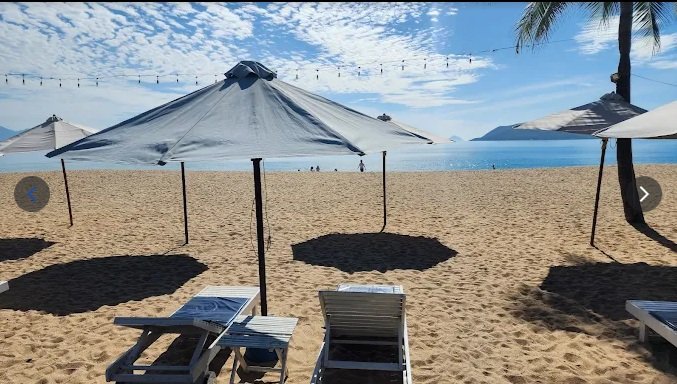
Just steps from the beach, you’ll find ABH Beach Coffee, where you can grab a large cappuccino or any refreshing drink for just $1.80 USD. Even better, you can use their gorgeous pool or dive directly into the ocean while sipping your morning coffee. It’s the perfect way to start a day of exploration.
Eating Well Without Breaking the Bank
Food prices in Nha Trang remain remarkably low. An average meal will cost between 150,000 and 250,000 dong—that’s between $5.75 and $9.55 per person. For this price, you can enjoy fresh seafood, traditional Vietnamese dishes, and international cuisine at restaurants that would charge triple the price back home.
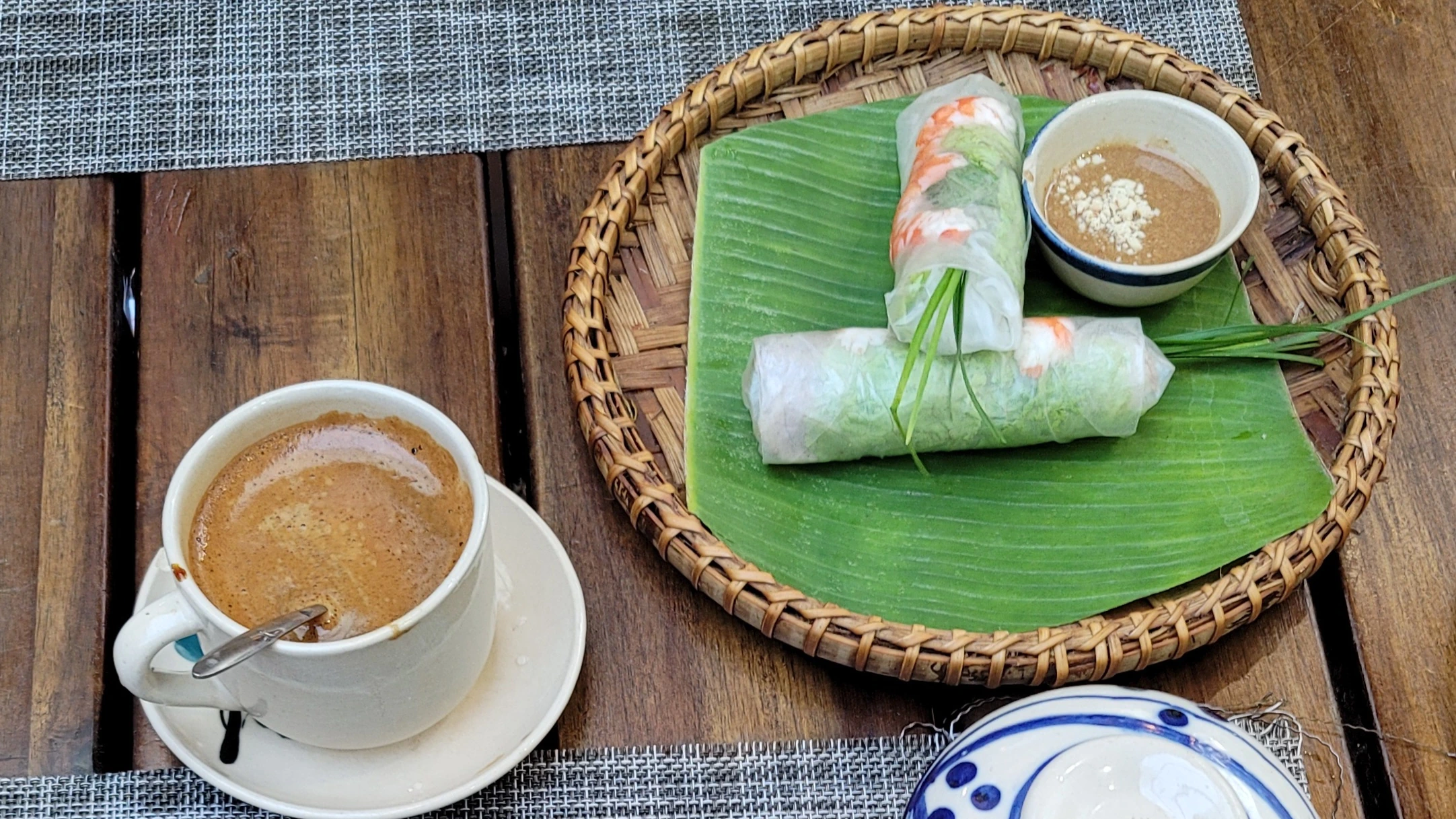
Here, a meal including an appetizer and a main course costs 150,000 dong, or $5.70 USD.
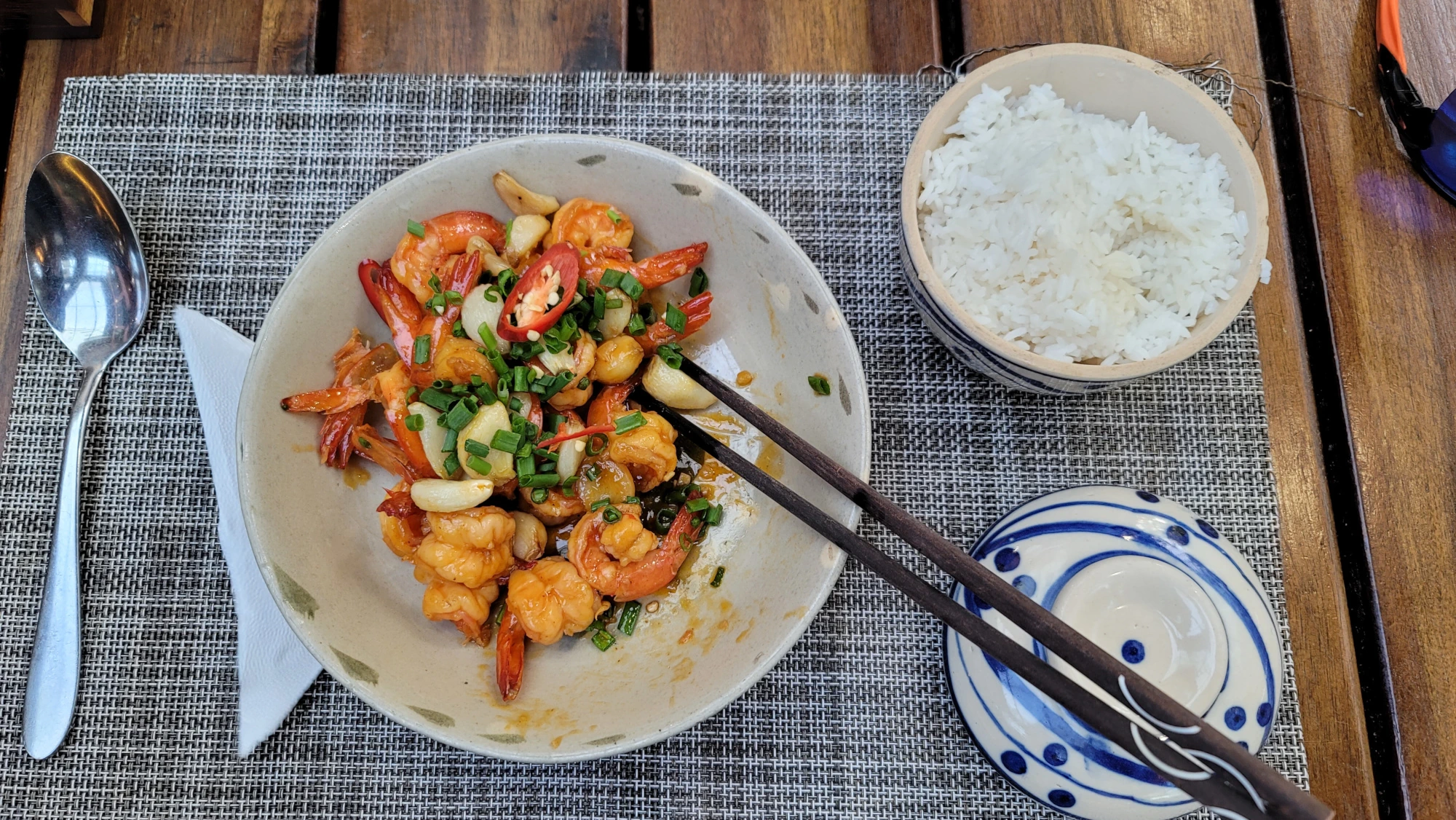
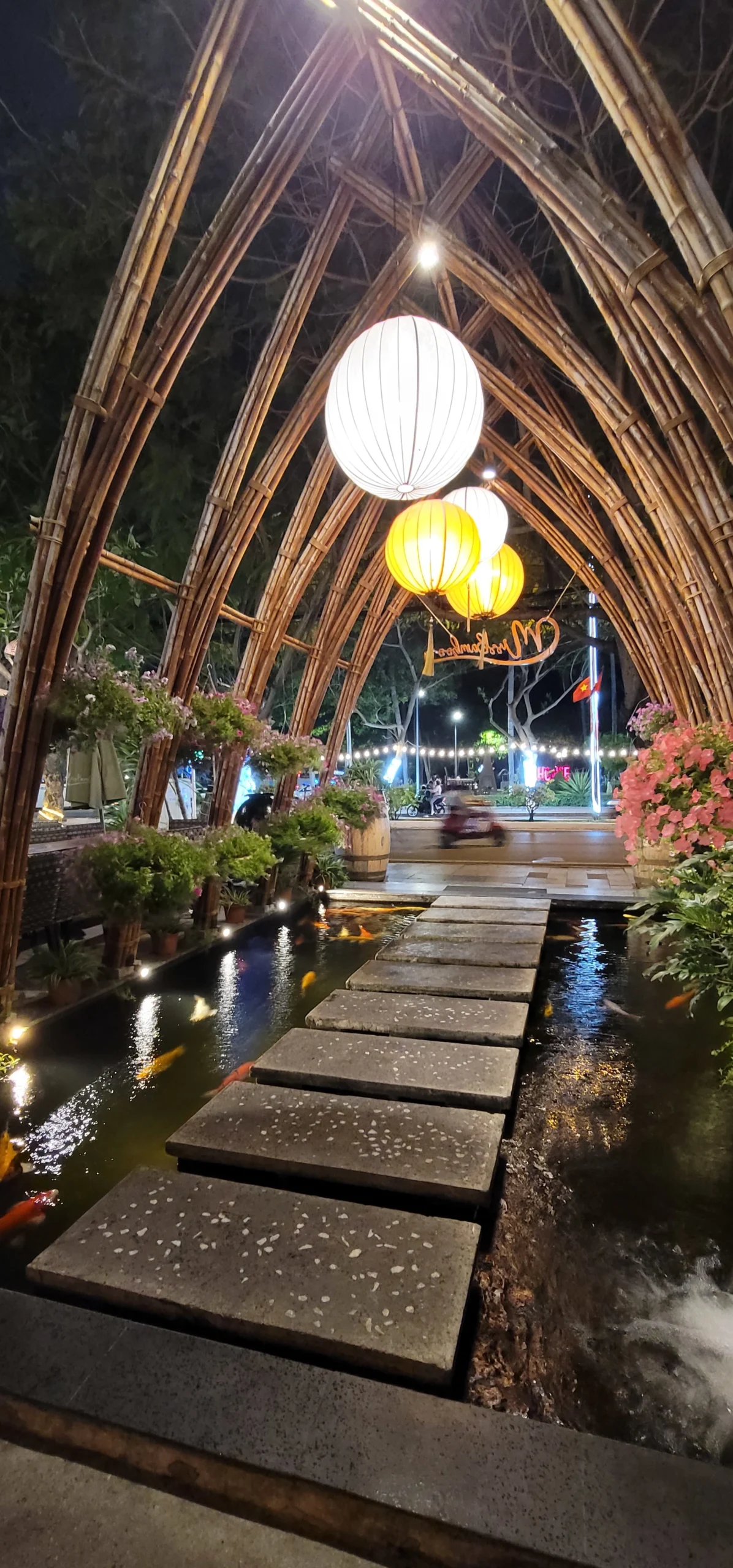
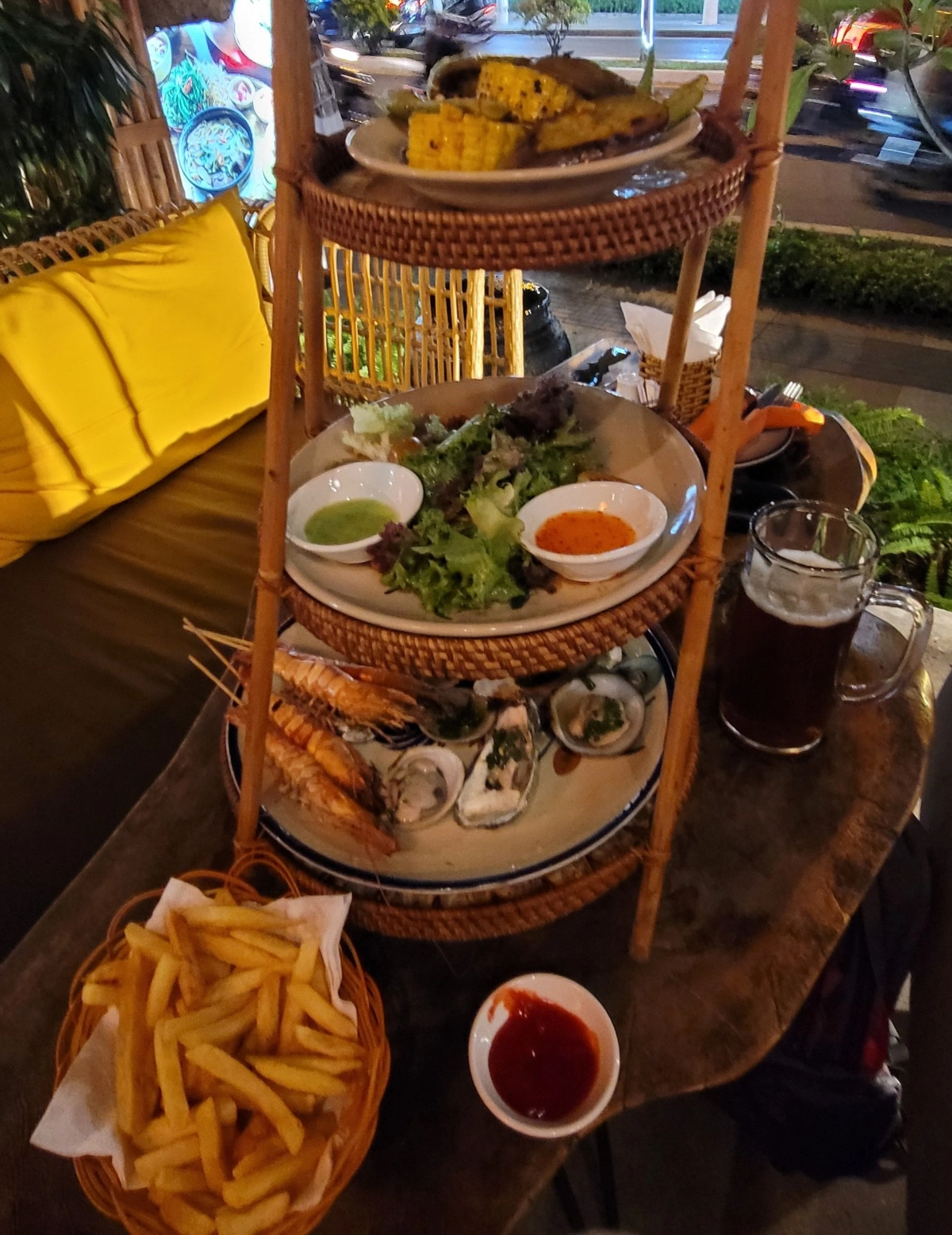
One memorable meal at Miss Bamboo restaurant—including beer—cost me exactly 200,000 dong, or just $7.60 USD.
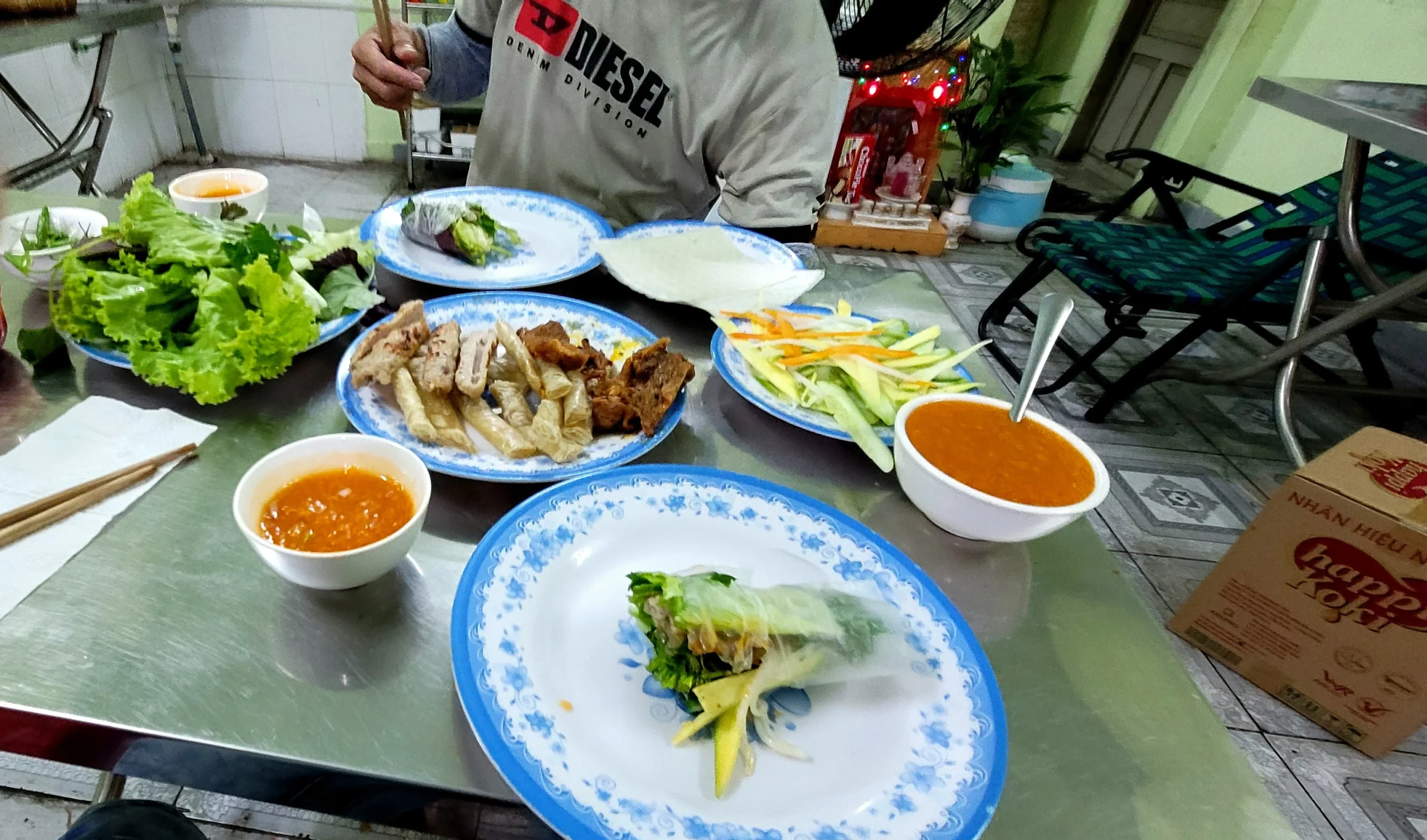
We also enjoyed making traditional Vietnamese spring rolls ourselves at a cooking class that cost only 125,000 dong ($5 USD) for two adults. These experiences not only fill your stomach but also connect you with the local culture in meaningful ways.
Activities and Adventures
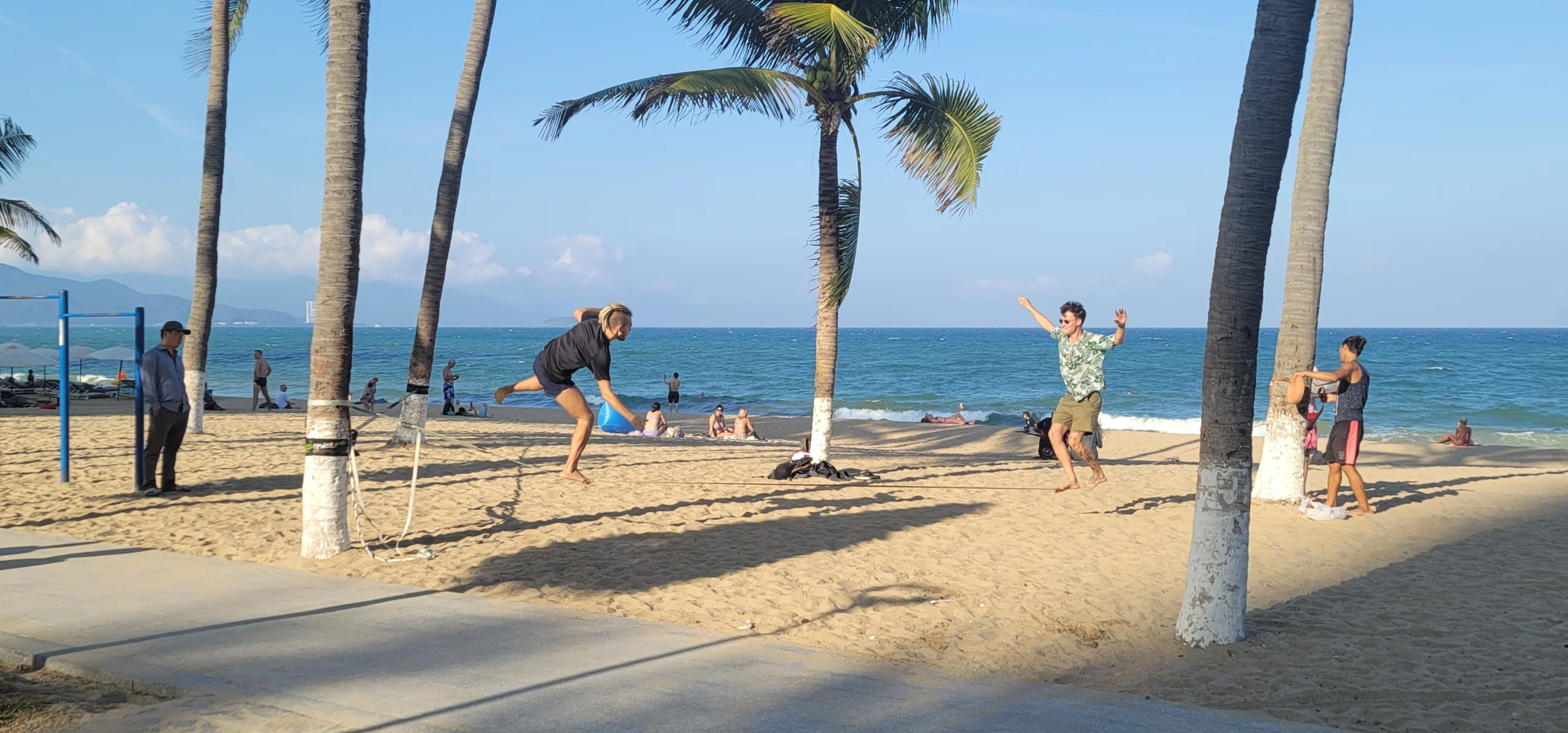
Nha Trang offers plenty of activities to fill your days without draining your wallet. Here are some popular options:
- Snorkeling trips: Approximately $20 USD for a full-day excursion
- Visiting Buddhist temples and pagodas: Many are free or ask for a small donation
- Exploring Nha Trang Market: Immerse yourself in local life and find unique souvenirs
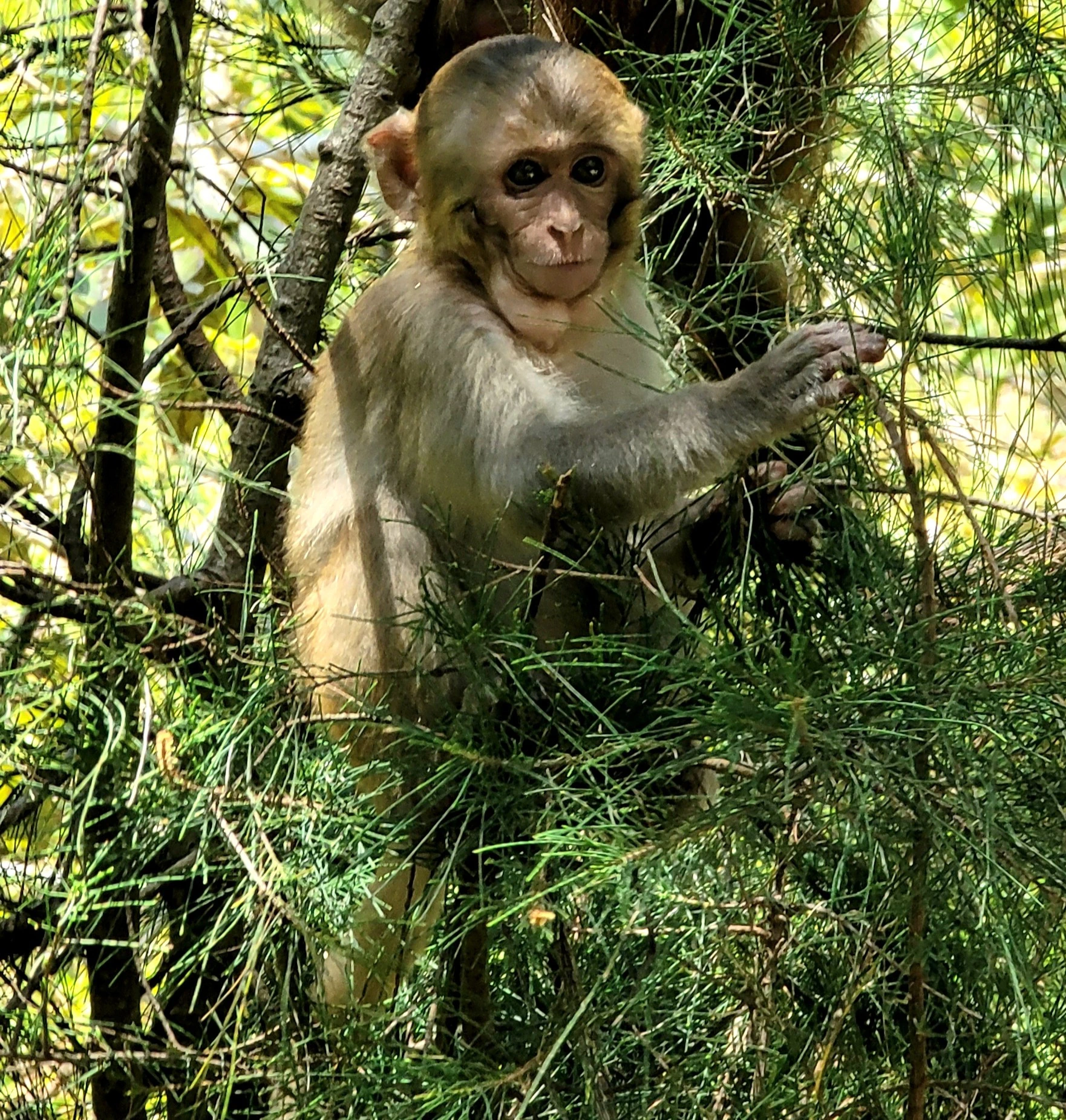
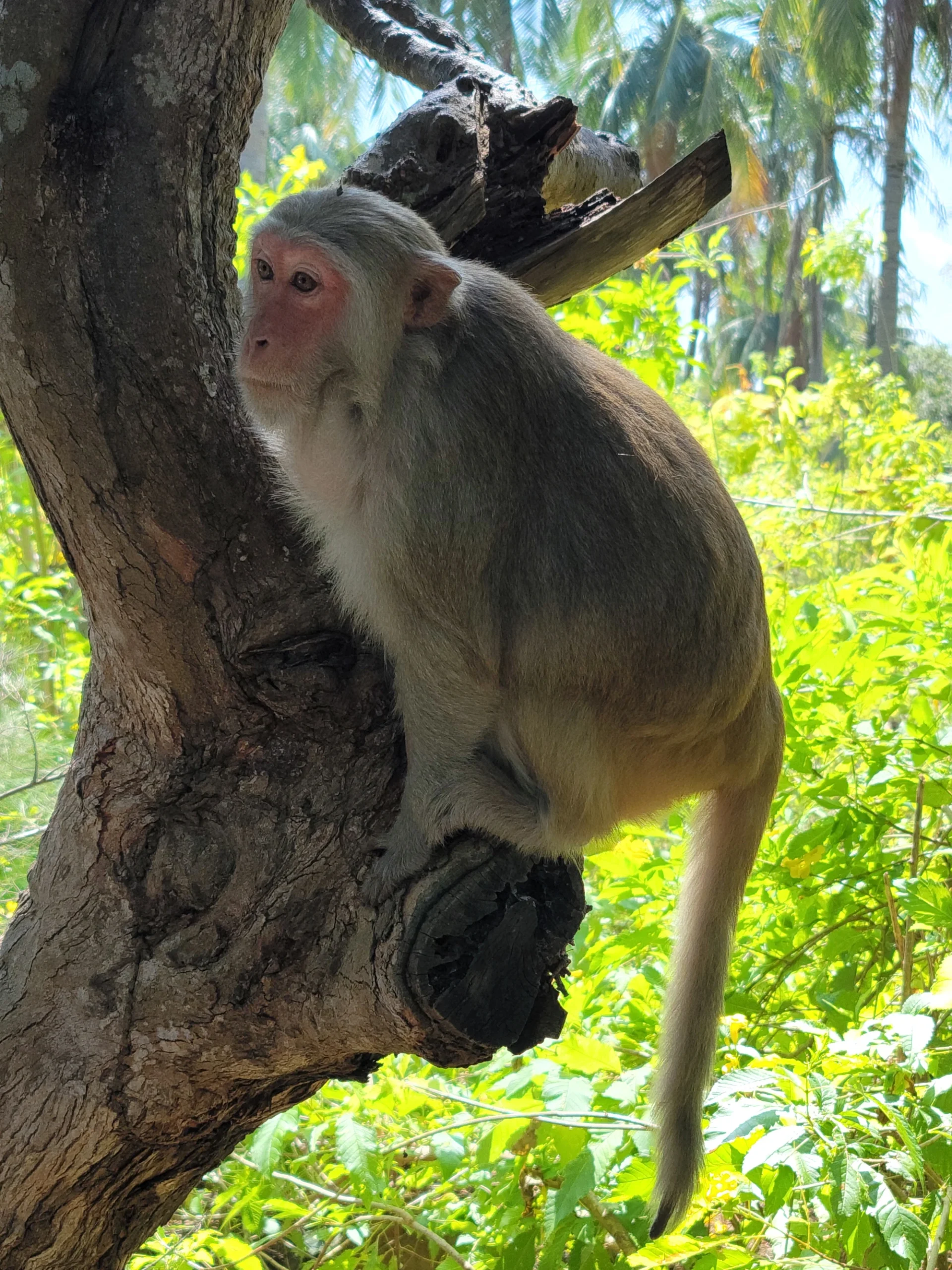
- Monkey Island: A fun day trip to see playful primates in their natural habitat
- Scooter rental: Only $3.70 USD per day—the perfect way to explore like a local
Renting a scooter gives you the freedom to explore at your own pace, navigate through local neighborhoods, and discover hidden gems that tour buses simply can’t reach. It’s a great way to immerse yourself in the local culture and live like a Vietnamese person, even if just for a few days.
The Mountain Road Trip: Nha Trang to Da Lat
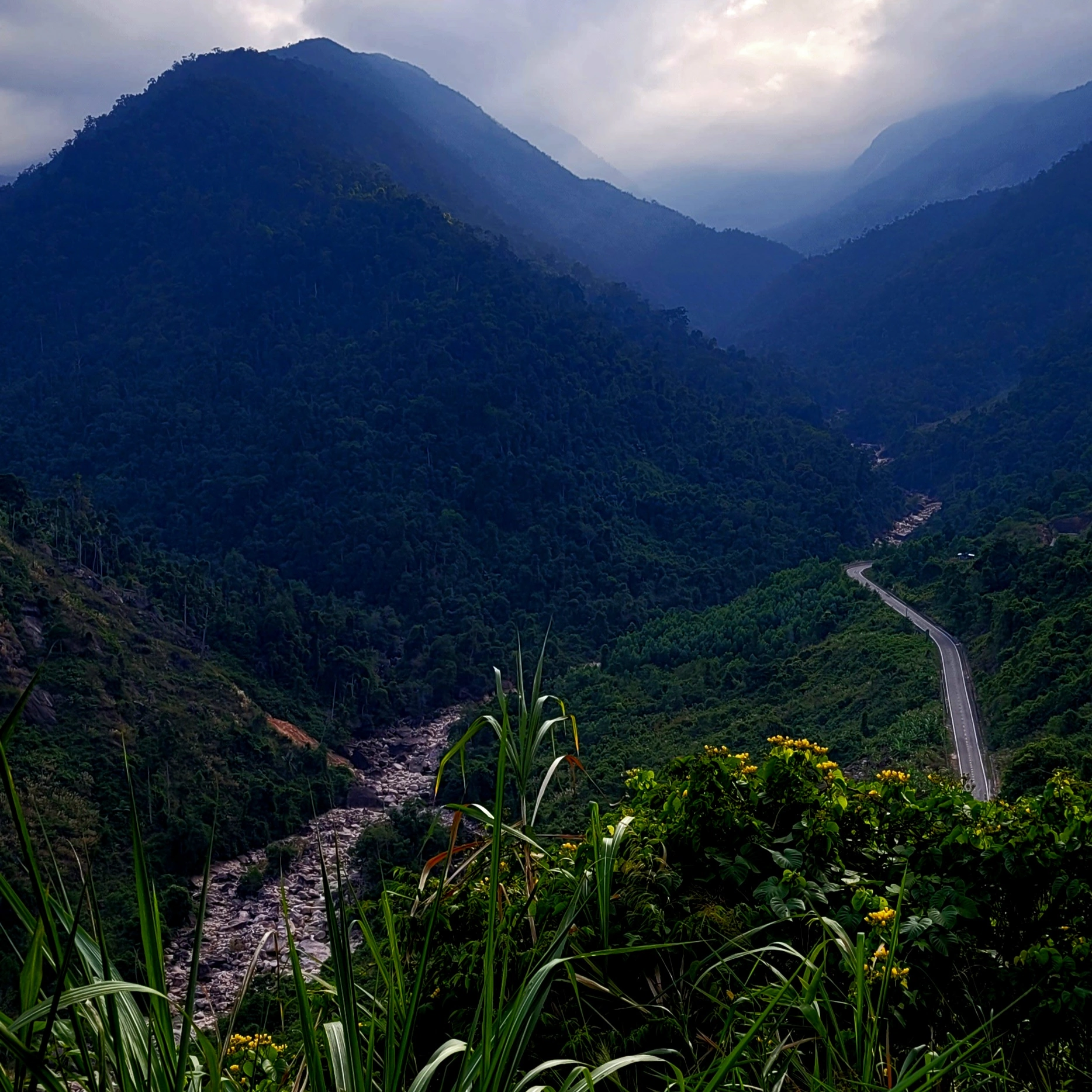
One of the most exhilarating adventures you can have in Vietnam is the motorcycle ride from Nha Trang to Da Lat, but you’ll need at least a 125cc scooter to navigate the mountain roads with ease. This three-hour ride covers 134 kilometers of spectacular mountain roads, offering breathtaking views that will remain etched in your memory forever.
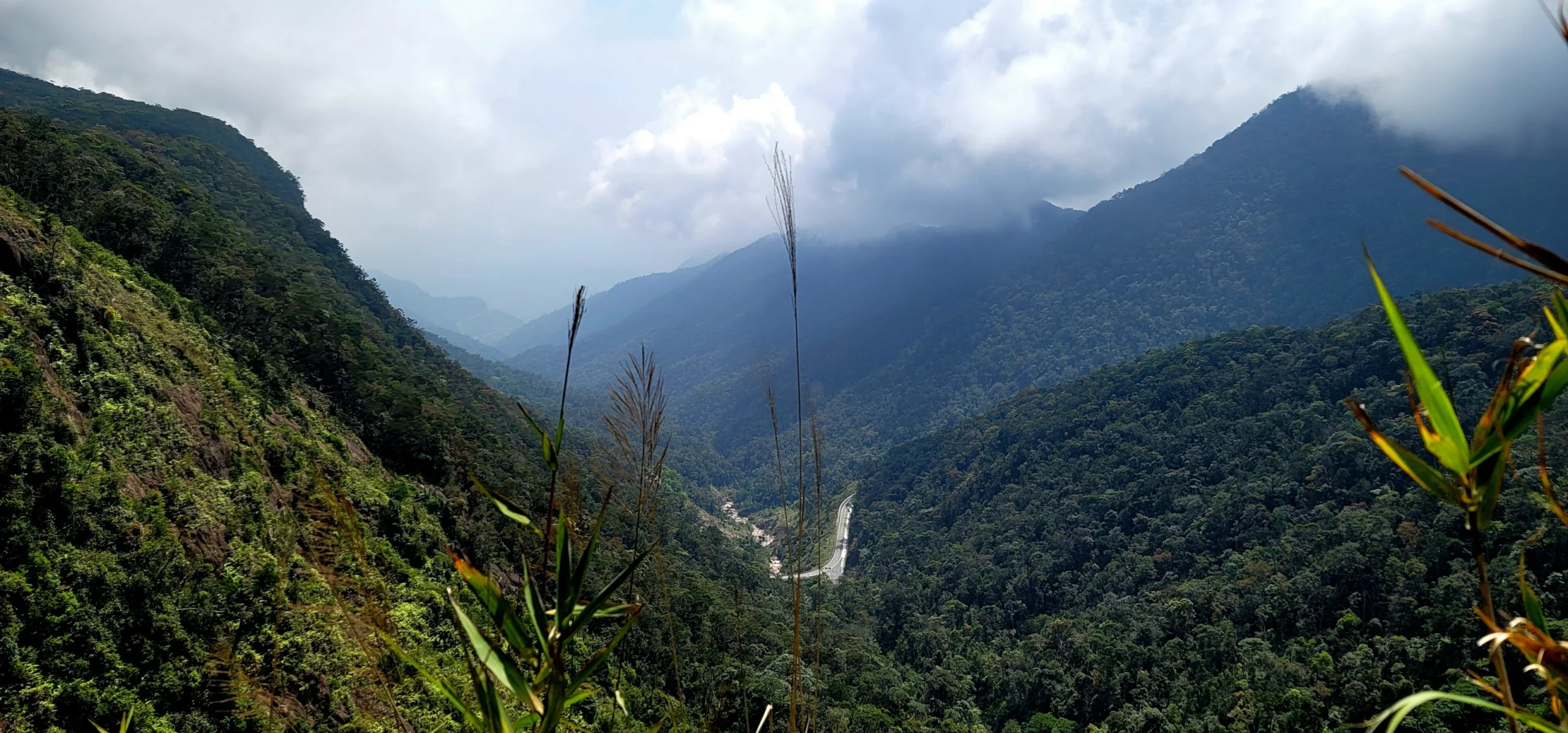
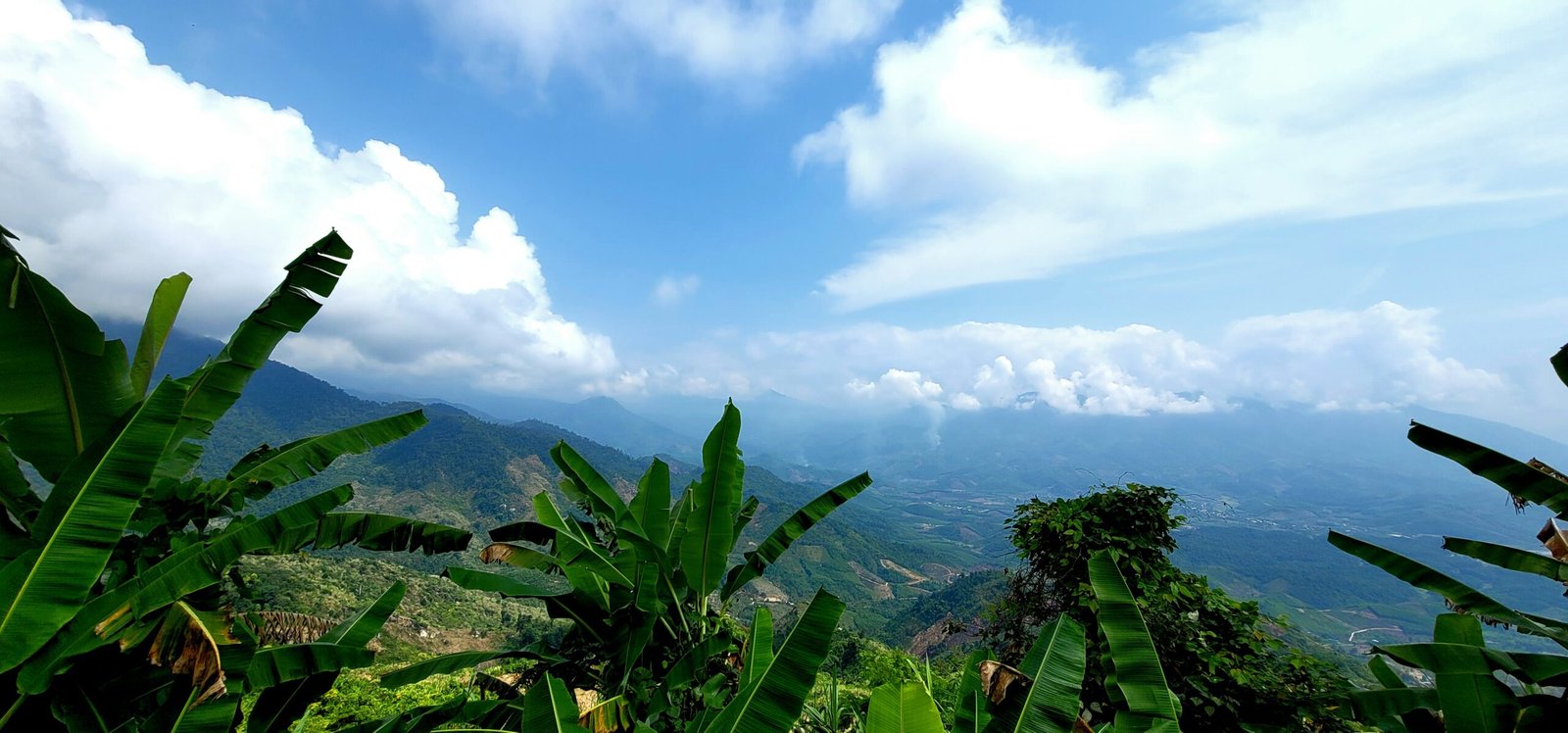
Scooter or motorbike rental runs approximately $3.70 USD per day, making this an incredibly affordable adventure. The key is to ride cautiously, stay aware of traffic patterns, and embrace the adventure spirit that defines Vietnamese travel. In theory, you need an international driver’s license to rent a scooter with an engine displacement of more than 50 cc, but no rental company will ask you to show your license. Furthermore, since there are so many scooters on the road, you’re very unlikely to get a ticket if a police officer stops you.
Note: It should be noted, however, that international driver’s licenses issued under the 1949 Geneva Convention (USA, Canada, Australia, and China) are not legally recognized in Vietnam—which only accepts the 1968 Vienna Convention (Europe, Russia, and Vietnam)—, However, I have rented 125cc scooters in Nha Trang, Da Lat, Hanoi, and Da Nang without any issues, and many travelers report having successfully rented and driven scooters as well.
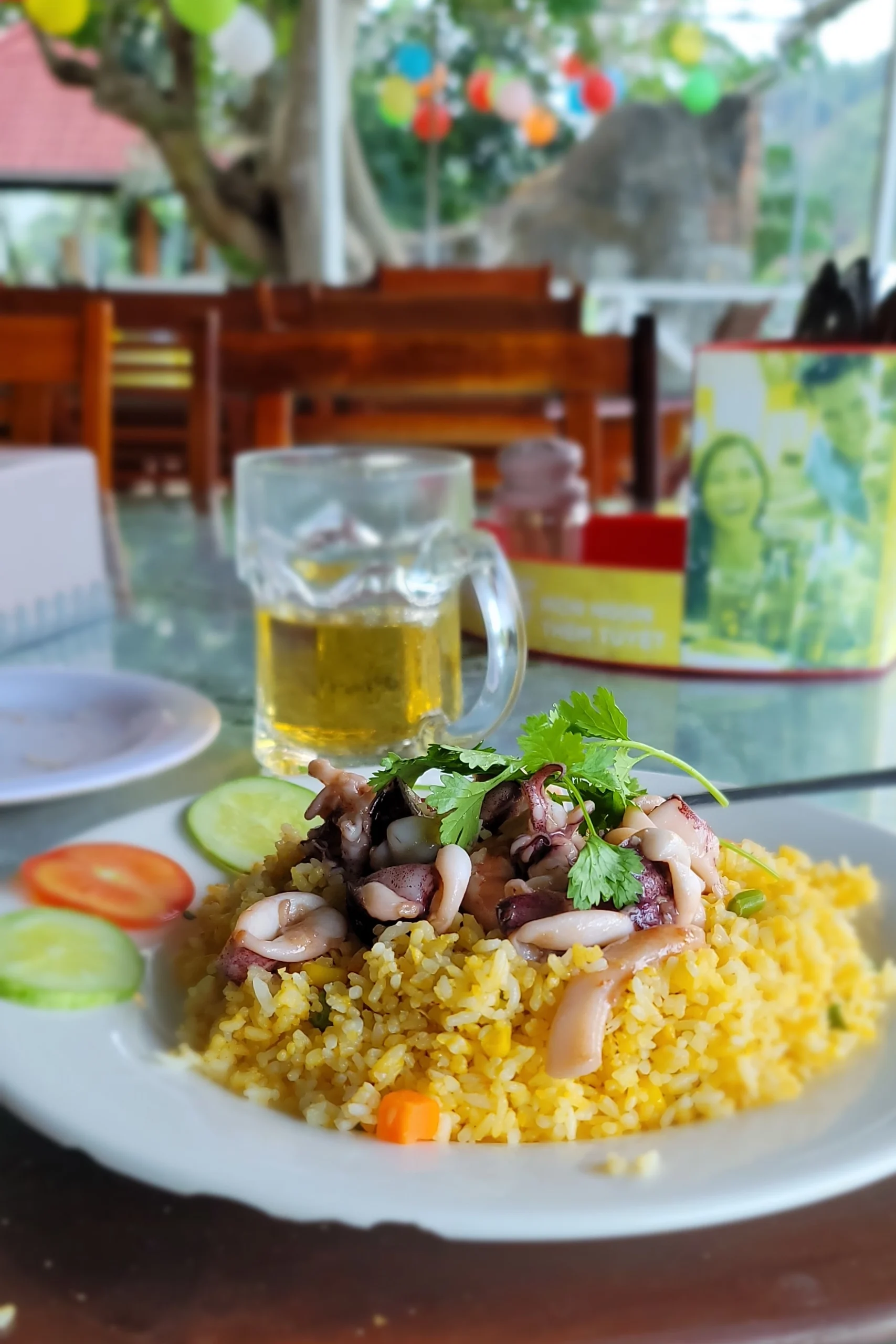
Nice Meal on the Scenic Mountain Road between Da Lat and Nha Trang for 175 000 dong or $6.65 usd
Da Lat: The City of Eternal Spring
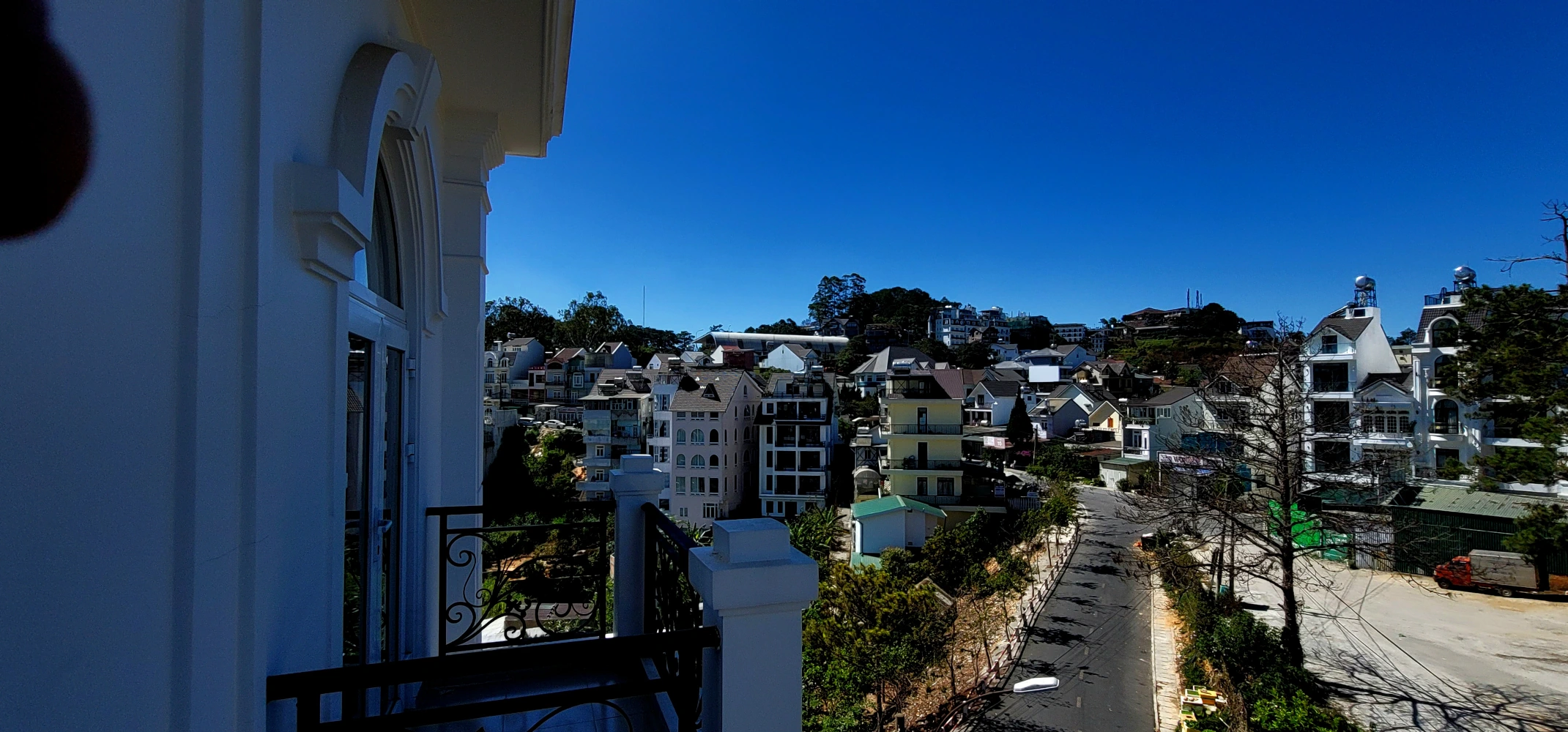
Known as the “City of Flowers” or “Little Paris” (due to its French colonial architecture and temperate climate), Da Lat is a truly unique destination in Vietnam’s Central Highlands. The climate is remarkably pleasant, with temperatures averaging between 14-23°C (57-73°F) year-round—earning it the nickname “City of Eternal Spring.”
The landscapes surrounding Da Lat are nothing short of magical. Misty pine forests, rolling hills, and picturesque lakes create a European alpine feel in the heart of Southeast Asia. The air is fresh and crisp, the flowers are everywhere (as the name suggests), and the pace of life slows to a relaxed rhythm that makes this destination perfect for travelers seeking tranquility.
Must-See Attractions in Da Lat
Dalat offers several unique attractions that set it apart from other Vietnamese destinations:
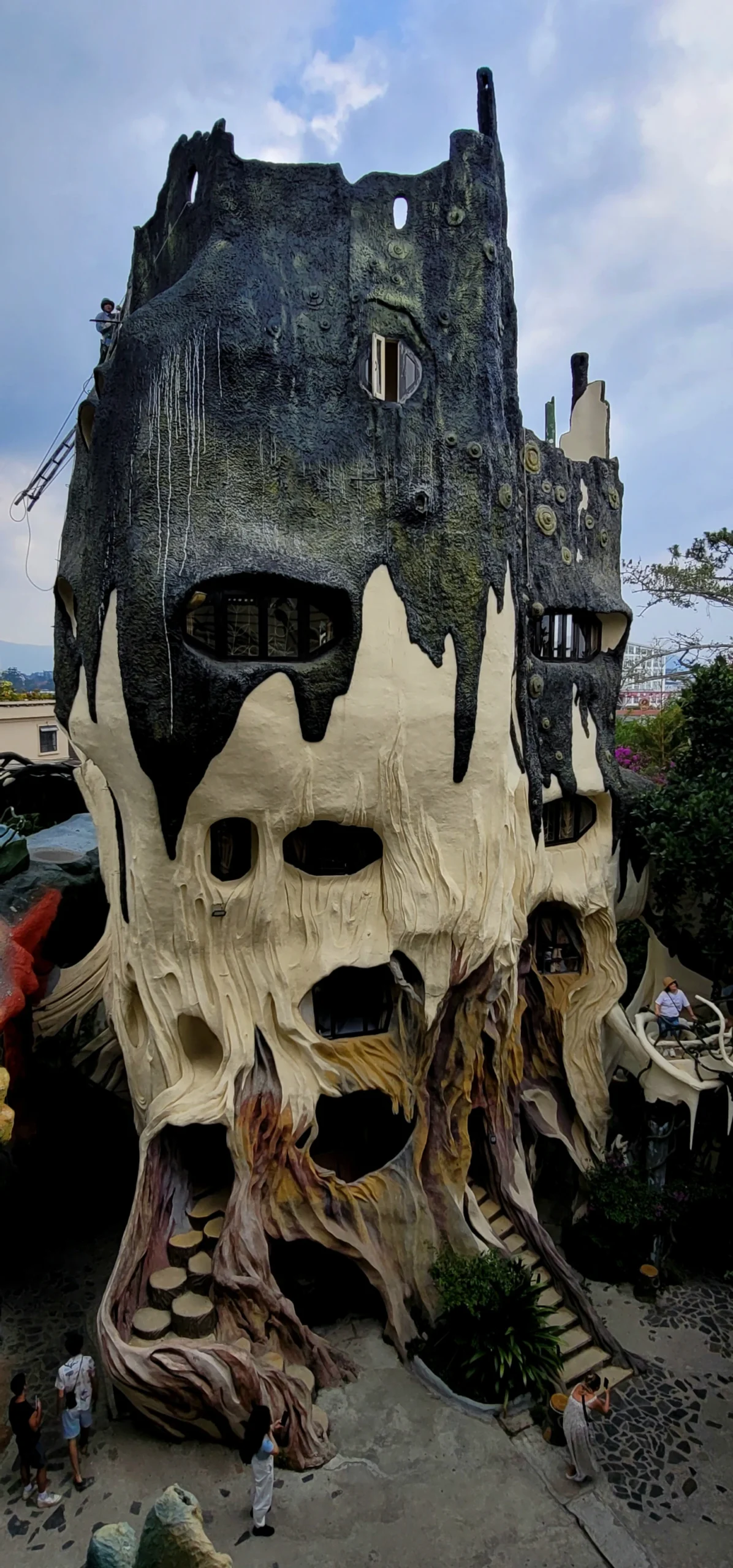
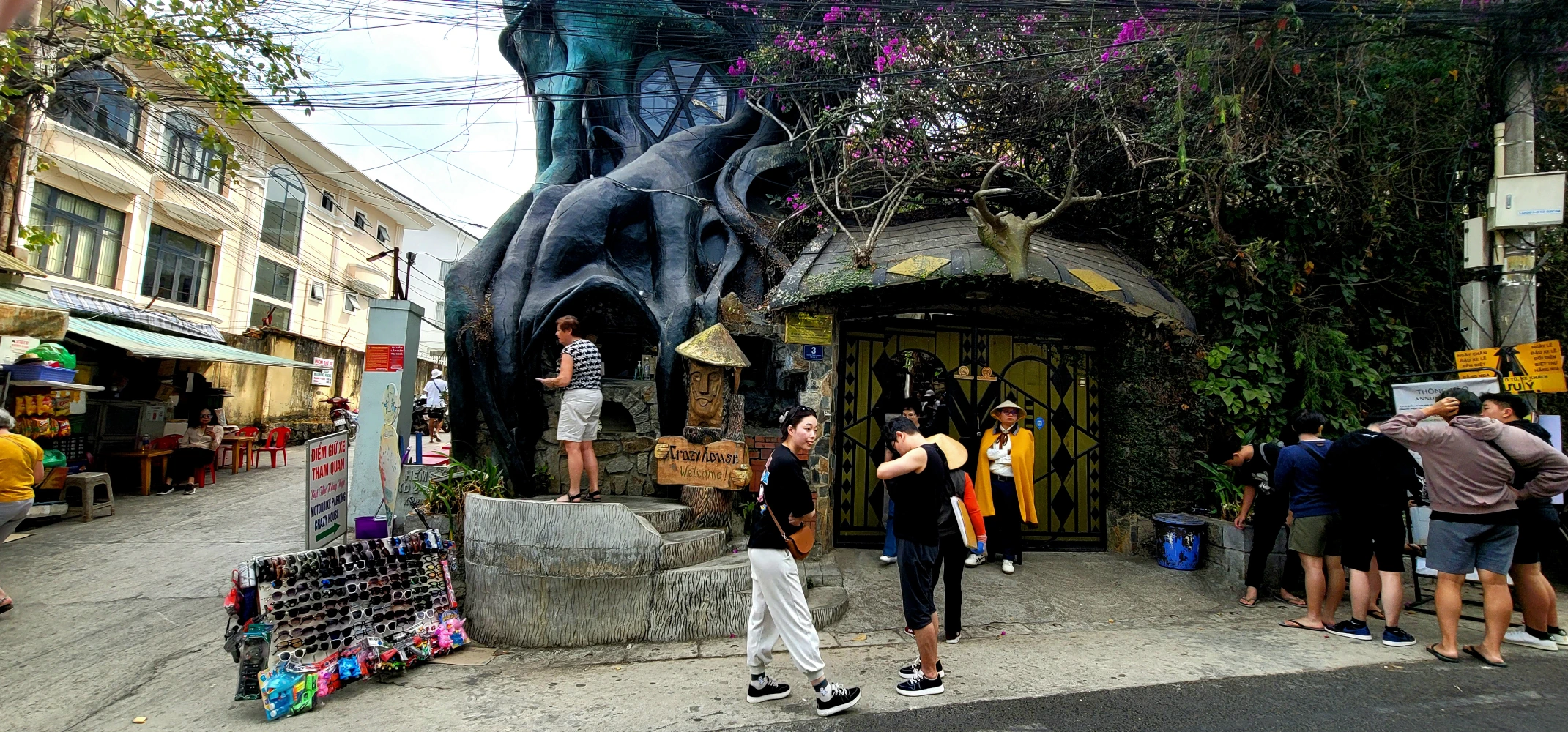
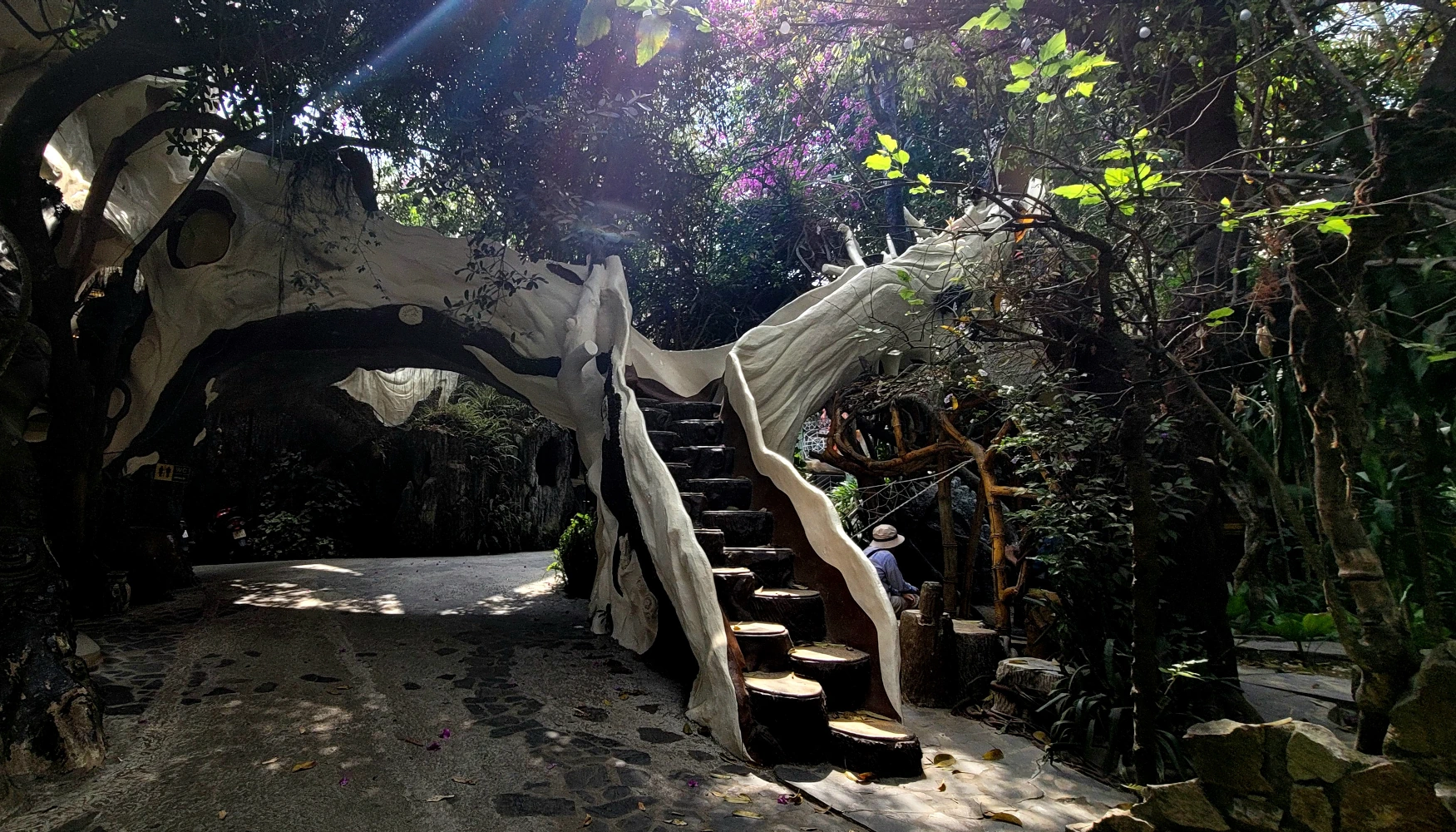
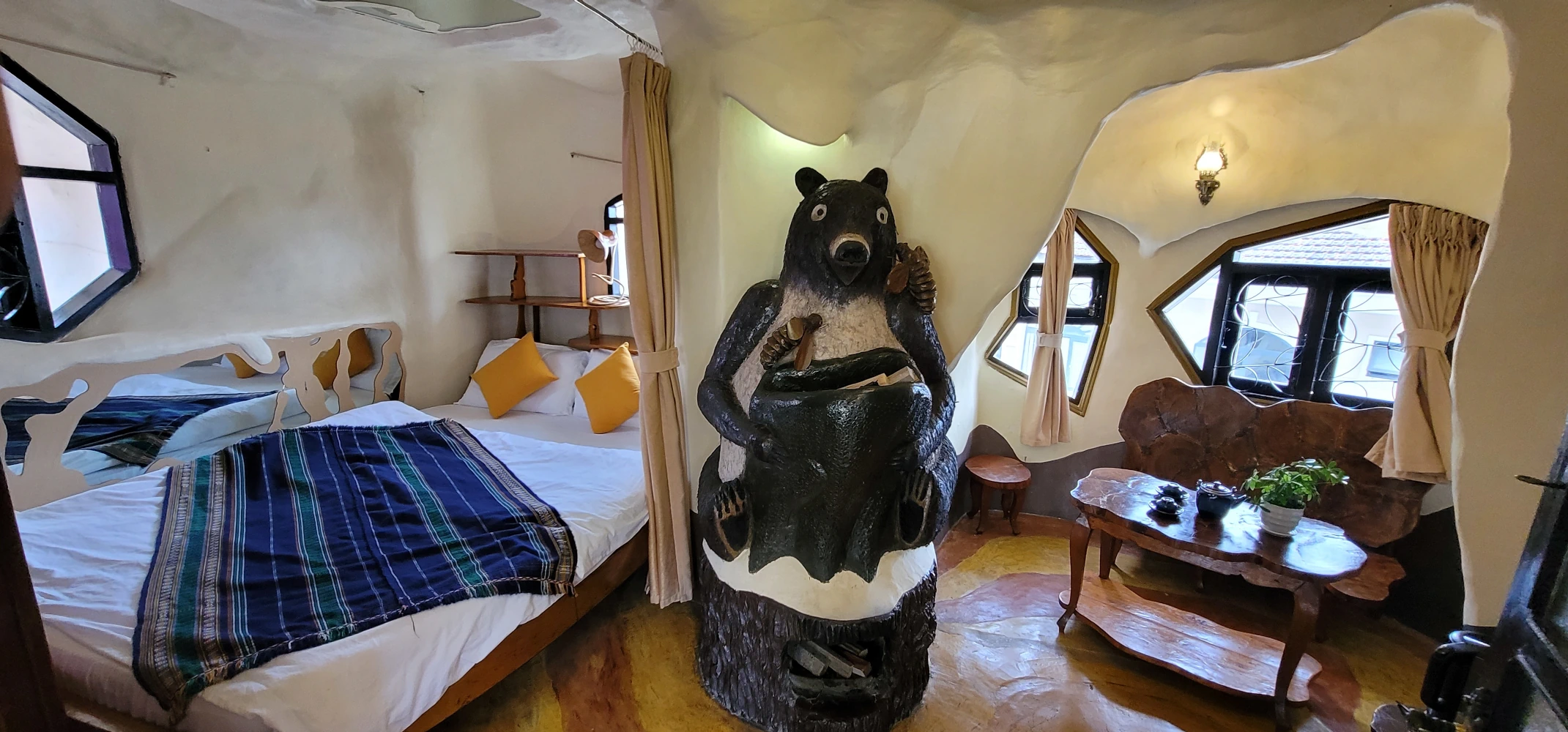
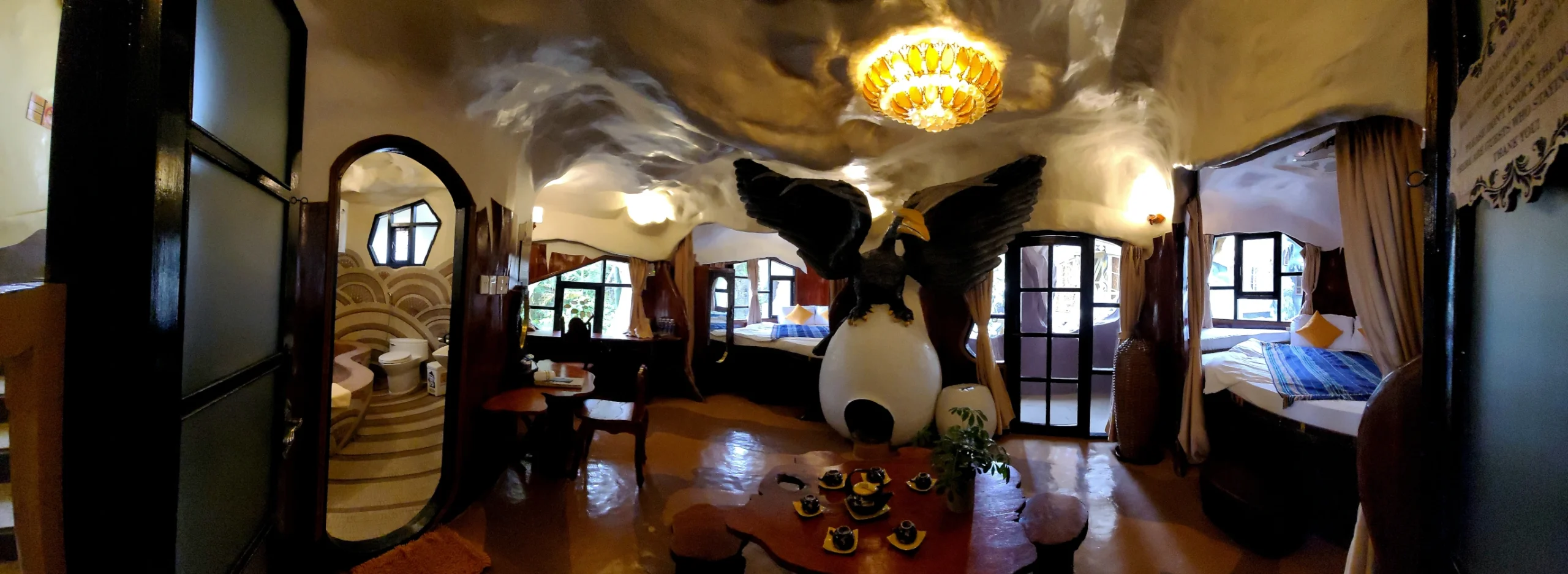
- The Crazy House: A whimsical guesthouse and tourist attraction designed by Vietnamese architect Đặng Việt Nga, resembling a tree house with winding staircases and unusual rooms
- Da Lat Railway Station: A beautifully preserved colonial-era railway station, one of the oldest in Vietnam
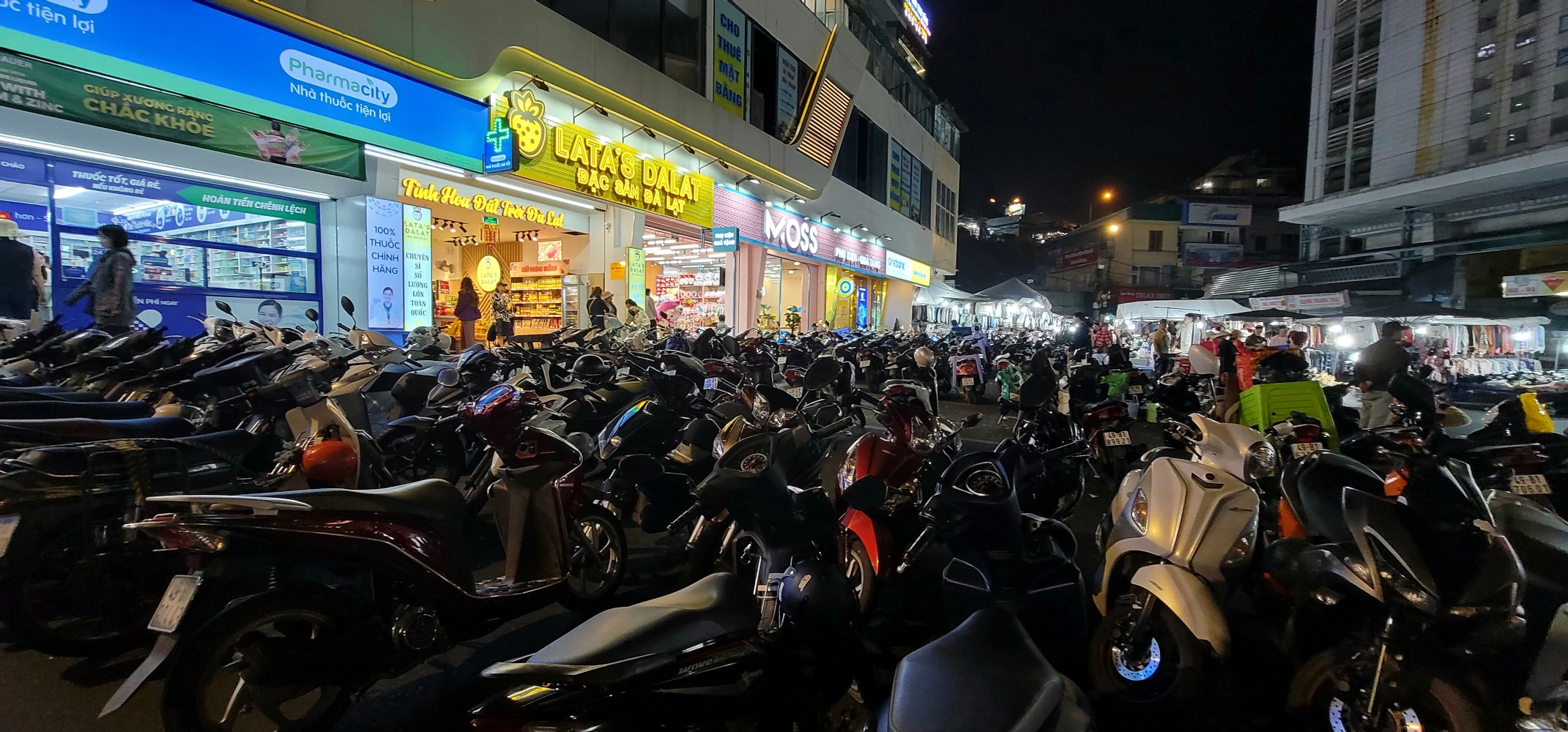
- Da Lat Night Market: Experience the local evening scene with street food, handmade crafts, and the cool mountain air
- Adventure Activities: Hiking, mountain biking, and canyoning in the surrounding mountains
- Waterfalls: Dalat is home to several beautiful waterfalls. Datanla Waterfall is particularly popular, offering thrilling activities like canyoning (abseiling down waterfalls), ziplining, and the exhilarating alpine coaster (one of the longest in Southeast Asia). Elephant Falls (Lieng Rewoa Waterfall) is another impressive and powerful cascade.
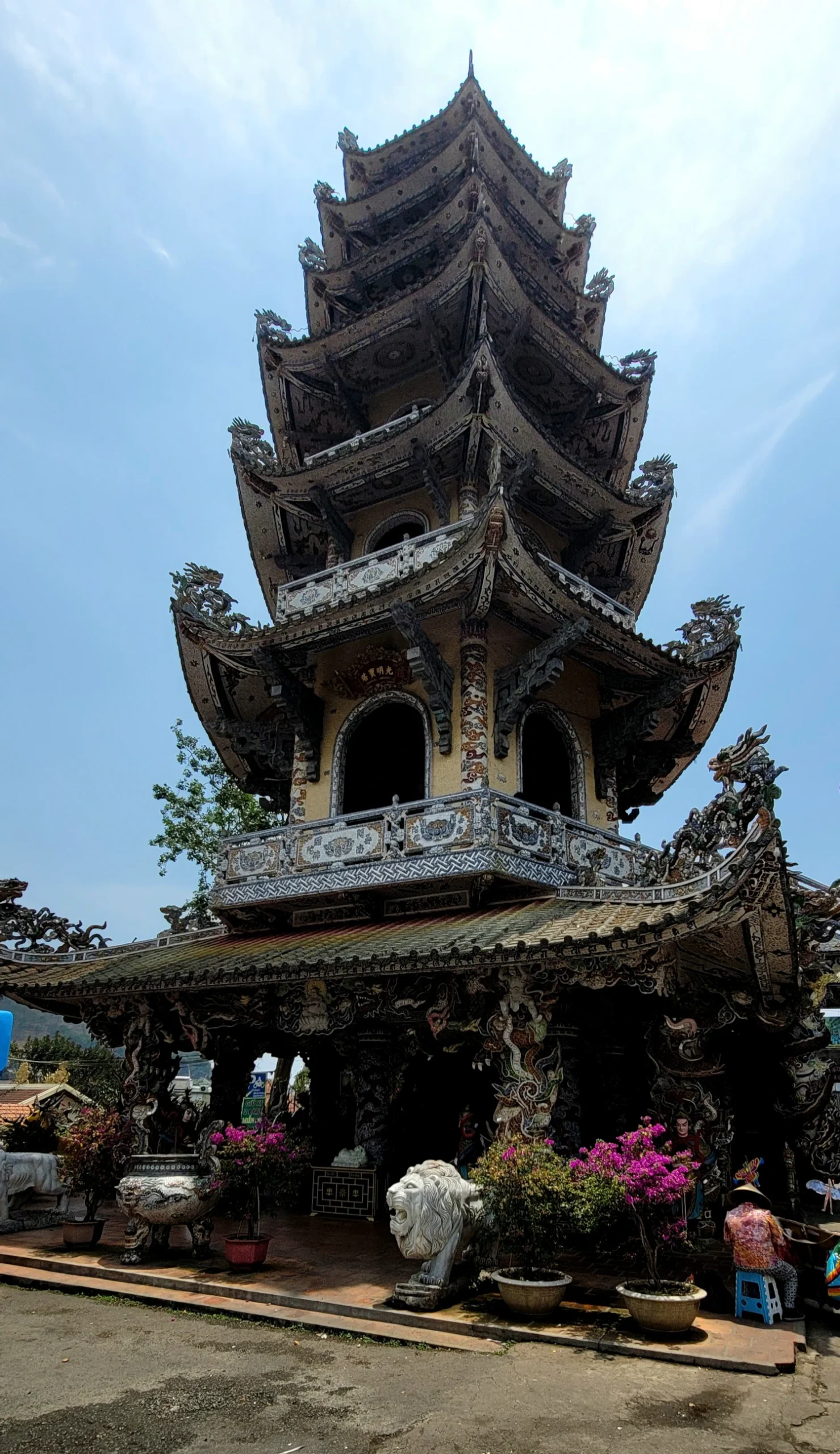
The Pagoda & Crazy House
The Famous Coffee Culture
Vietnam is the world’s second-largest coffee exporter, specializing in Robusta beans. The French introduced coffee to Vietnam, and their dark roast, chicory-blended coffee became a staple, influencing Vietnamese coffee culture significantly. In fact, this influence led to the popularity of coffee traditions like those served at New Orleans’ famous Café Du Monde.
In Da Lat, you can visit coffee plantations like Cau Dat Tea Hill or Me Linh Coffee Garden to learn about the coffee-making process and sample fresh, delicious brews. Don’t miss the opportunity to try Weasel Coffee (cà phê cà rồng)—coffee made from beans that have been eaten and excreted by civets, resulting in a uniquely smooth and expensive cup. Even regular Vietnamese coffee, brewed using a traditional phin filter and mixed with sweetened condensed milk and ice (Cà Phê Sữa), is a revelation for coffee lovers.
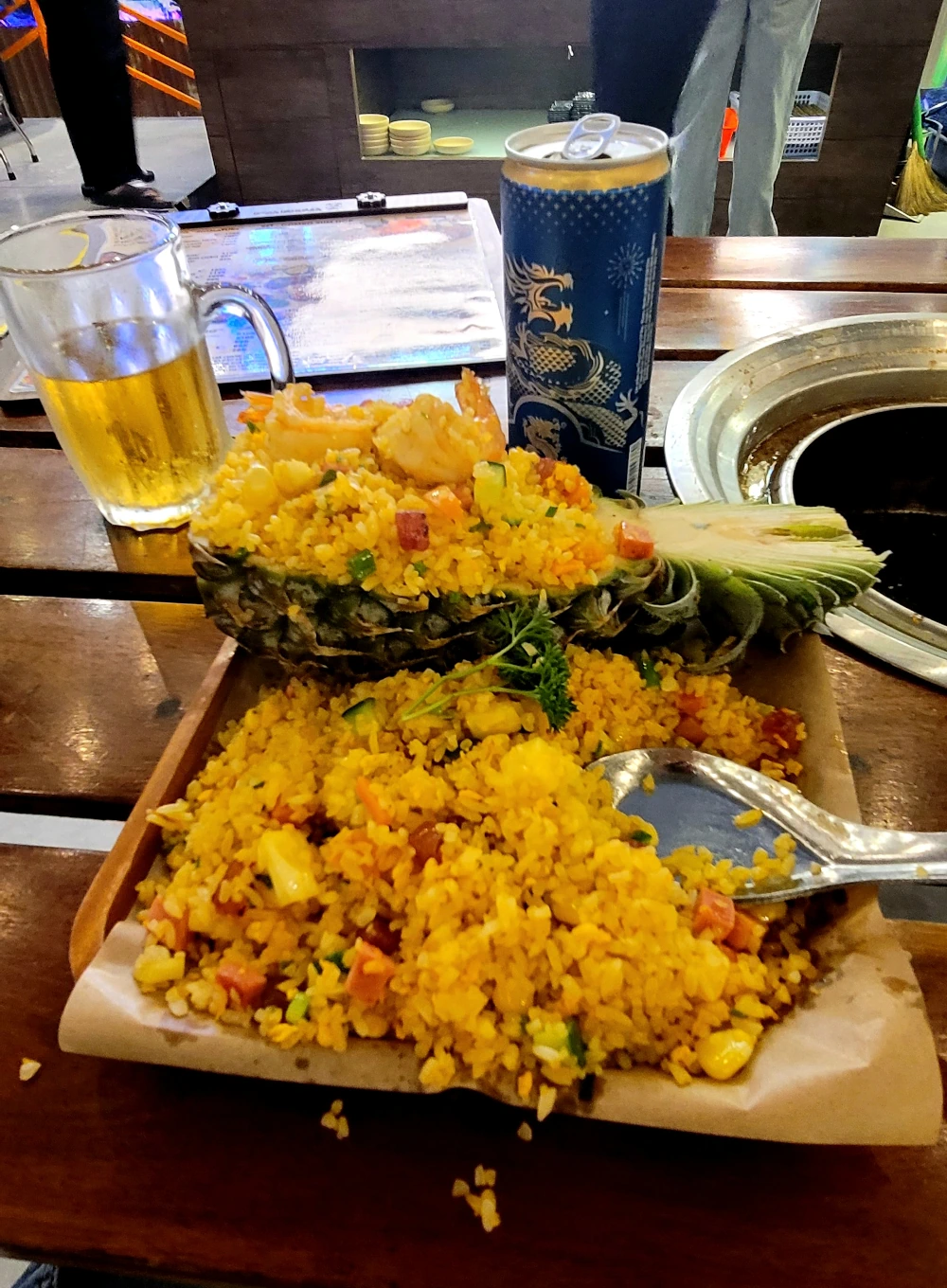
Here is a another nice meal with Beer at the Saigon Chili Restaurant for only 170000 dong or $6.46 usd
Hanoi: The Heart and Soul of Vietnam
No comprehensive guide to affordable travel in Vietnam would be complete without exploring Hanoi, the capital city and one of the most famous cities in Vietnam—and indeed, the world. This multicultural metropolis impresses visitors with its blend of ancient traditions and rapid modernization, offering restaurants serving Italian, French, Korean, Japanese, Chinese, Thai, Indian, and Malaysian cuisines, alongside legendary street food both traditional and modern.
Navigating the Old Quarter
Hanoi’s Old Quarter is a fascinating area where the population is densely packed and everything is remarkably compact. The streets buzz with energy, and you can literally feel the air pollution as scooters ride in all directions without any apparent structure, mixed with the relatively few cars. It’s chaotic, it’s overwhelming, and it’s absolutely unforgettable.
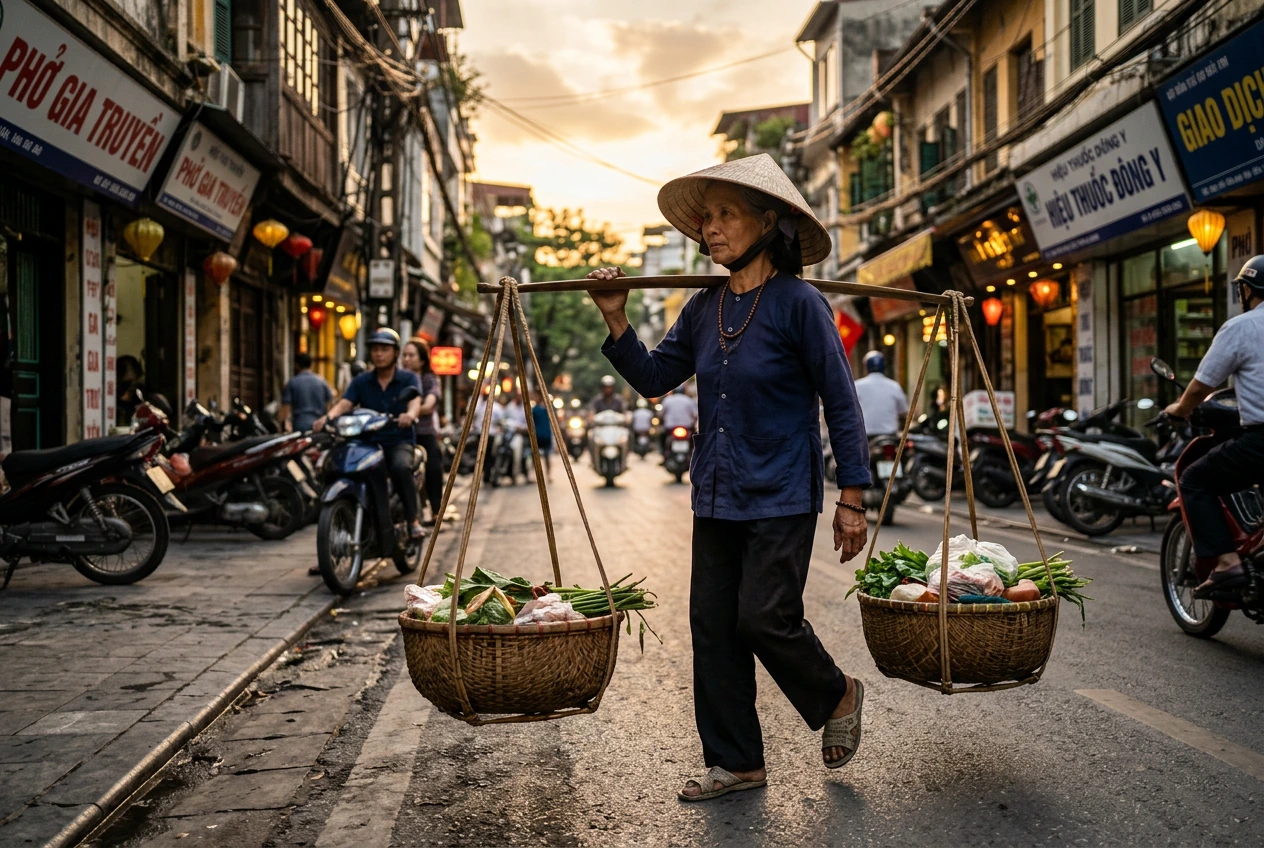
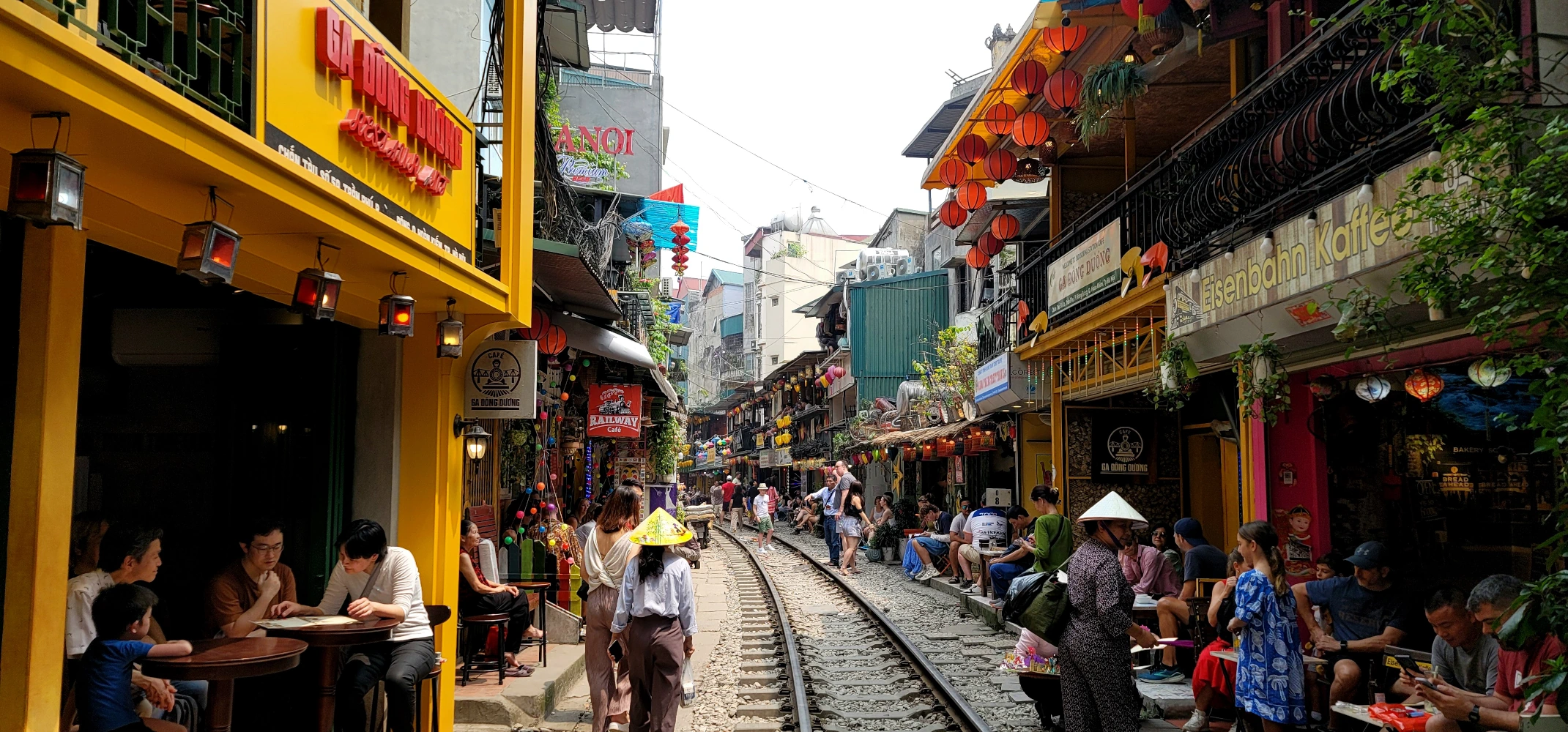
One of the iconic images of Hanoi’s culture is the Vietnamese women street vendors carrying twin baskets suspended from shoulder poles (known as gánh), moving through the streets selling fresh produce, flowers, or prepared foods. The Old Quarter also features beautiful murals and the unique Railway Street, where the railway line runs directly through the nearby buildings—creating one of the most unusual urban landscapes you’ll ever encounter.
Exploring by Motorbike
Renting a motorbike to explore Hanoi’s Old Quarter is one of the best ways to experience the city. While traffic in Vietnam can be chaotic, especially in Hanoi, many travelers report smooth experiences without incidents. Don’t let the apparent madness deter you—with patience, awareness, and a spirit of adventure, you can navigate the streets like a local and discover hidden temples, family-run restaurants, and quiet courtyards that offer respite from the bustle.
The Air Quality Reality
It’s important to note that Hanoi faces significant air pollution challenges. In 2025, Hanoi ranked 13th on a list of the most polluted major cities according to IQAir, a Swiss air monitoring company. According to Vietnamese media, traffic accounts for more than 50% of Hanoi’s air pollution, followed by industrial activity at 30% and construction at 10%-15%.
The Vietnamese government has taken notice, with Prime Minister Pham Minh Chinh ordering Hanoi to ban all fossil fuel motorbikes and mopeds from the city’s inner Ring Road 1 starting July 1, 2026, with similar restrictions planned for Ring Roads 2 and 3 by 2030. Travelers with respiratory concerns should plan accordingly, perhaps limiting time outdoors during peak traffic hours and carrying appropriate masks.
Historical Museums and Sites
Hanoi offers numerous historical attractions that provide context for Vietnam’s complex modern history:
- Ho Chi Minh Museum: Dedicated to the life of Vietnam’s revolutionary leader and his struggle against foreign powers
- Hoa Lo Prison: Originally built by French colonists to house political prisoners, infamously nicknamed the “Hanoi Hilton” during the Vietnam War
- One Pillar Pagoda: An iconic Buddhist temple built in 1049
A funny Track Train Street video with my own musical creation.
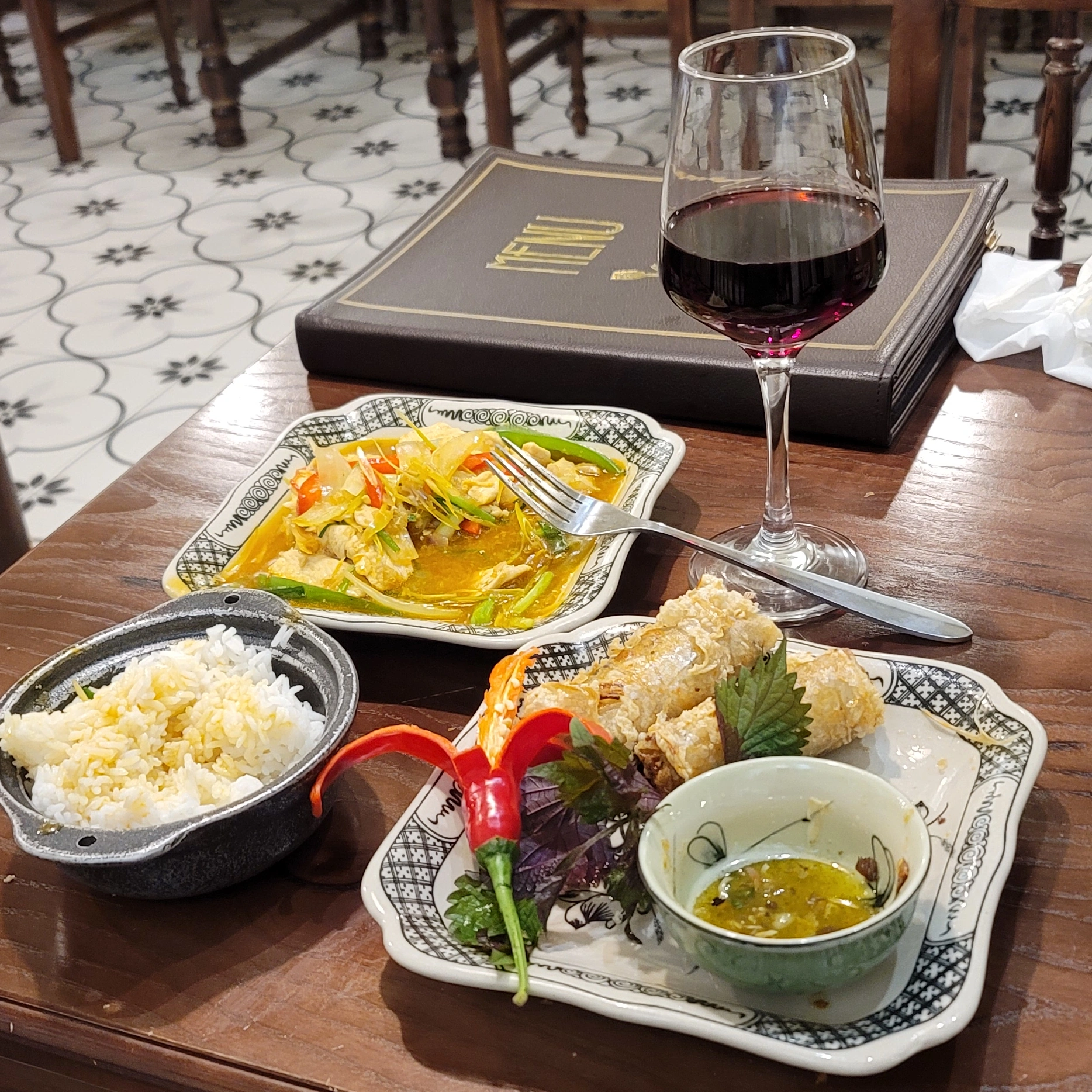
Here’s a fantastic meal I enjoyed paired with an incredibly delicious wine from Dalat. At one of Hanoi’s 1,001 restaurants, for less than $10.
Ha Long Bay and Ninh Binh
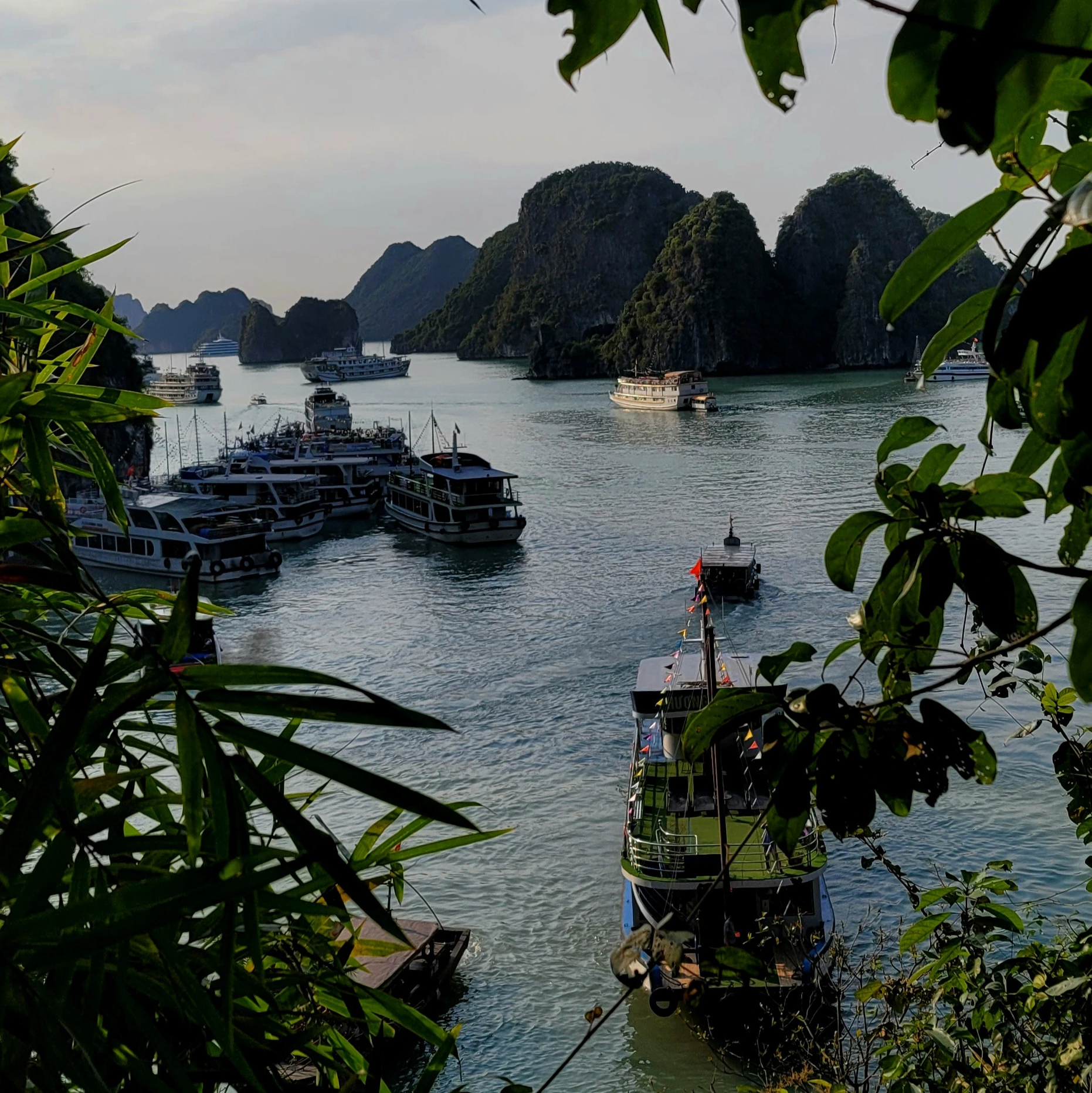
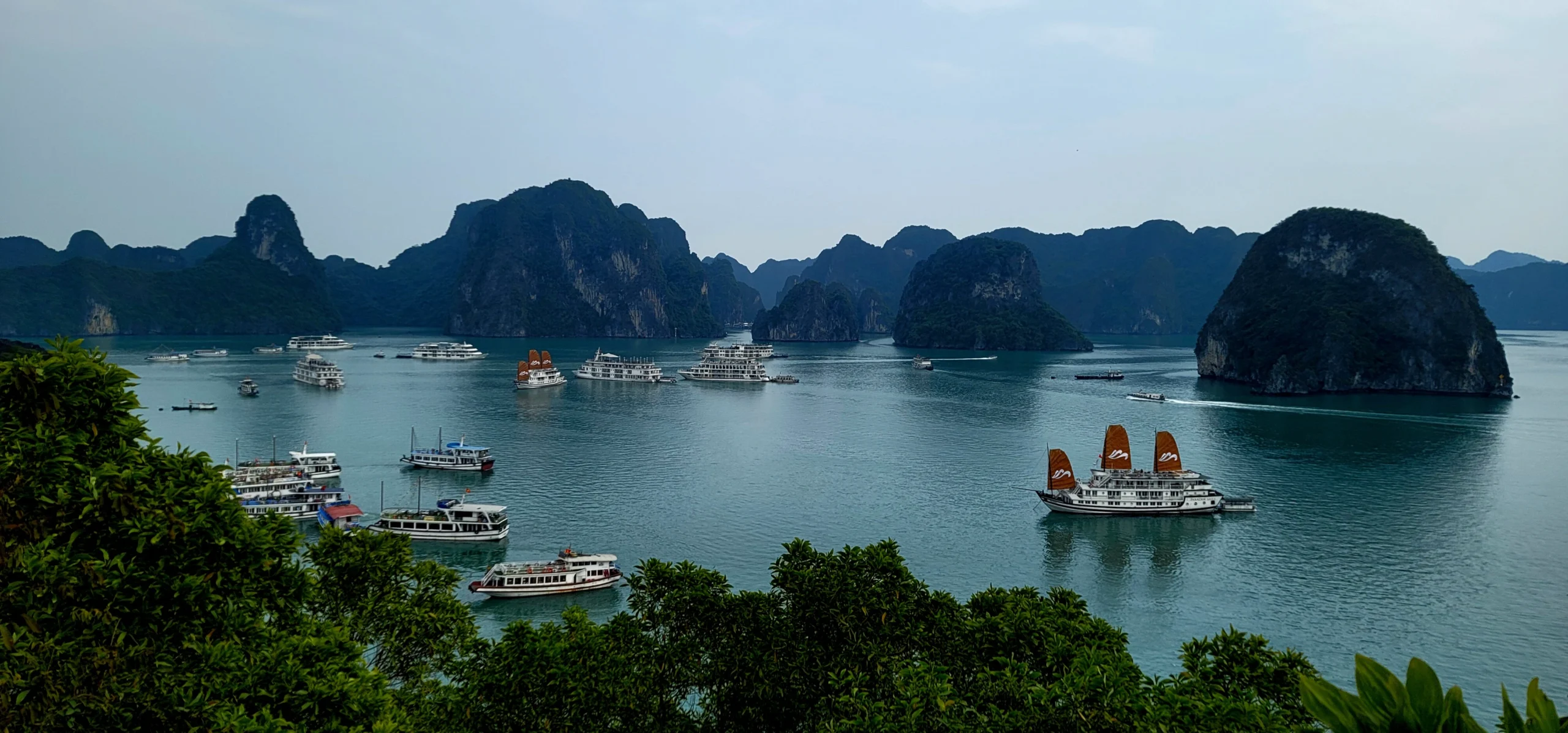
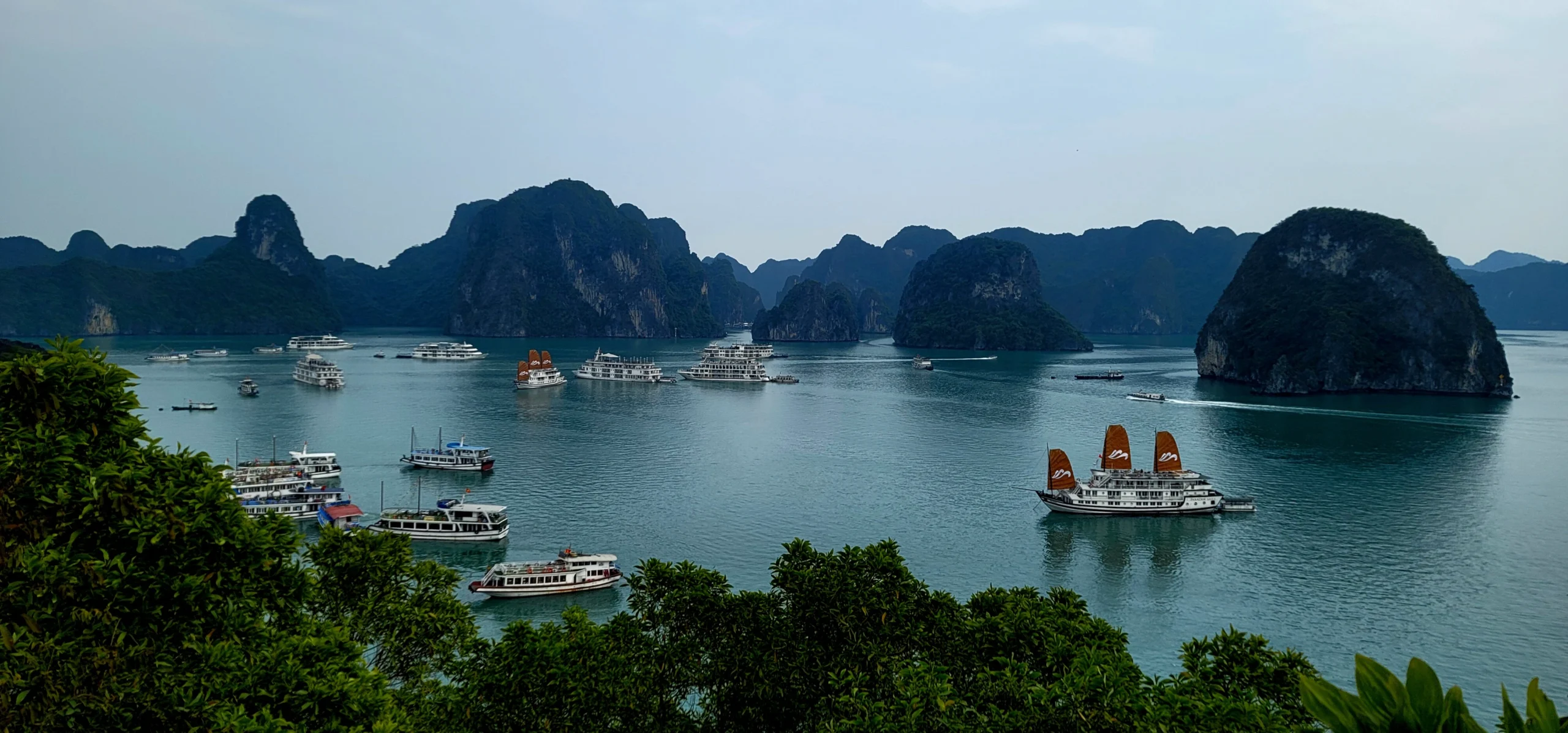
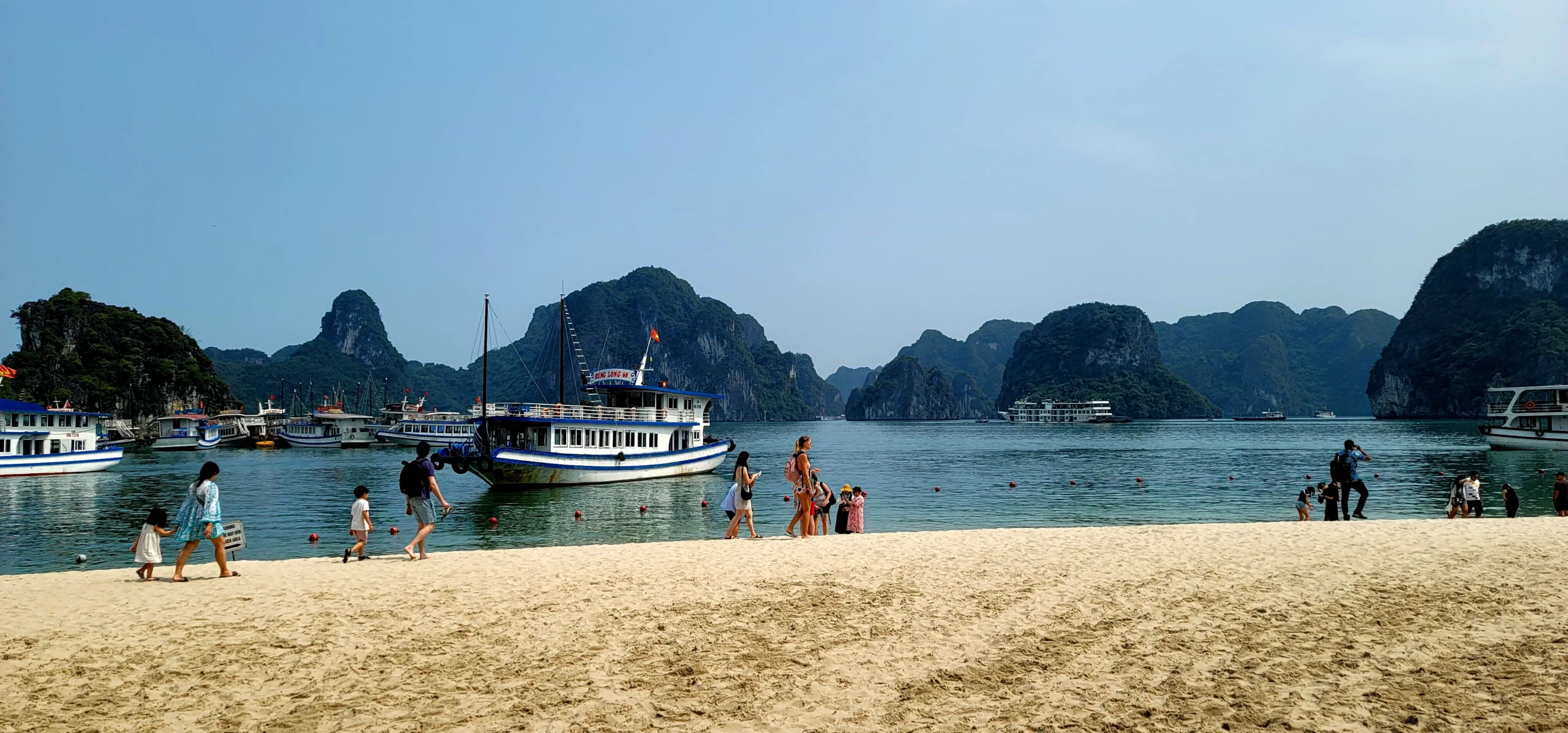
From Hanoi, you can easily access two of Vietnam’s most famous natural attractions. Ha Long Bay, with its unique geological and geomorphological features, has been recognized by UNESCO as a World Heritage Site. The towering limestone karsts and emerald waters create a landscape that seems worldly.
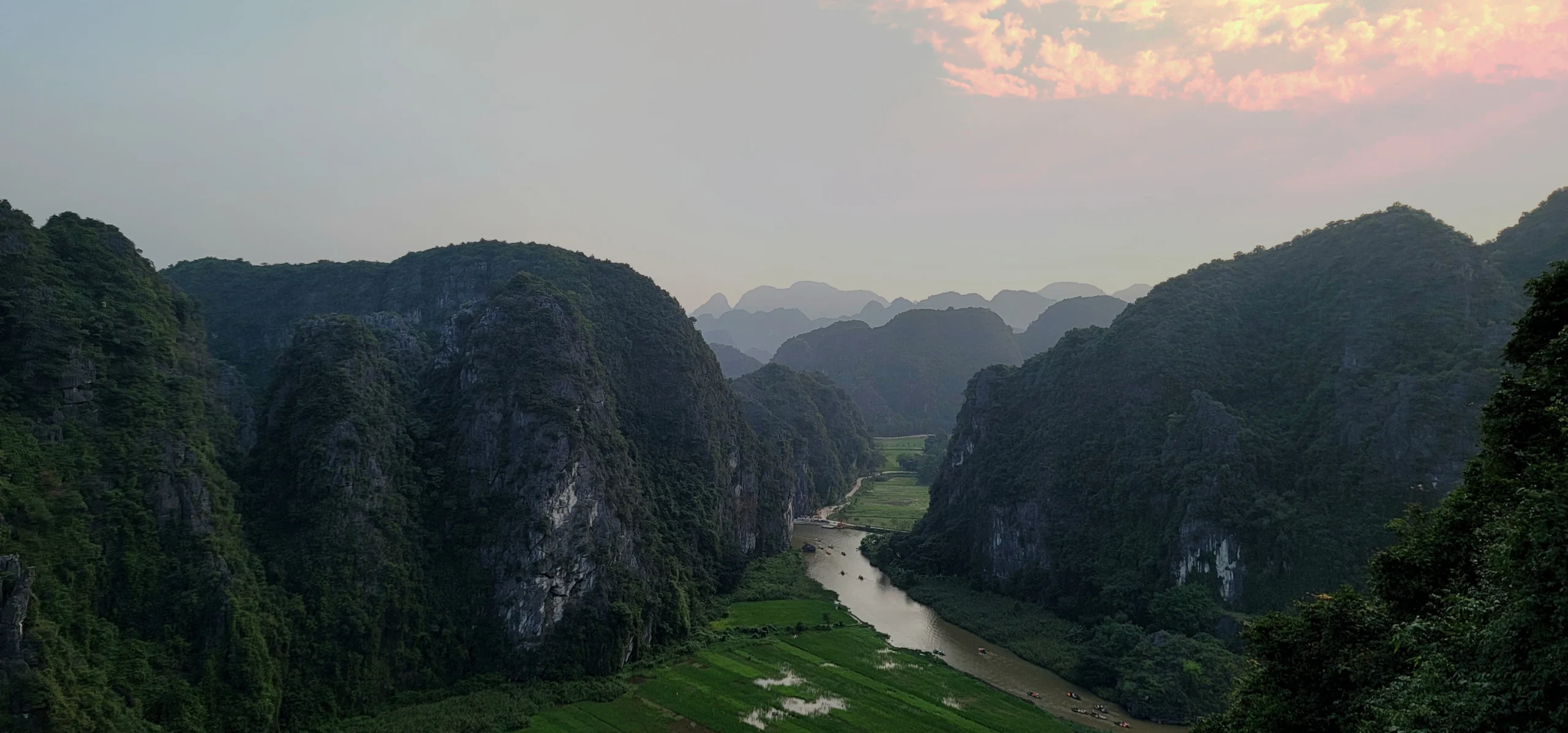
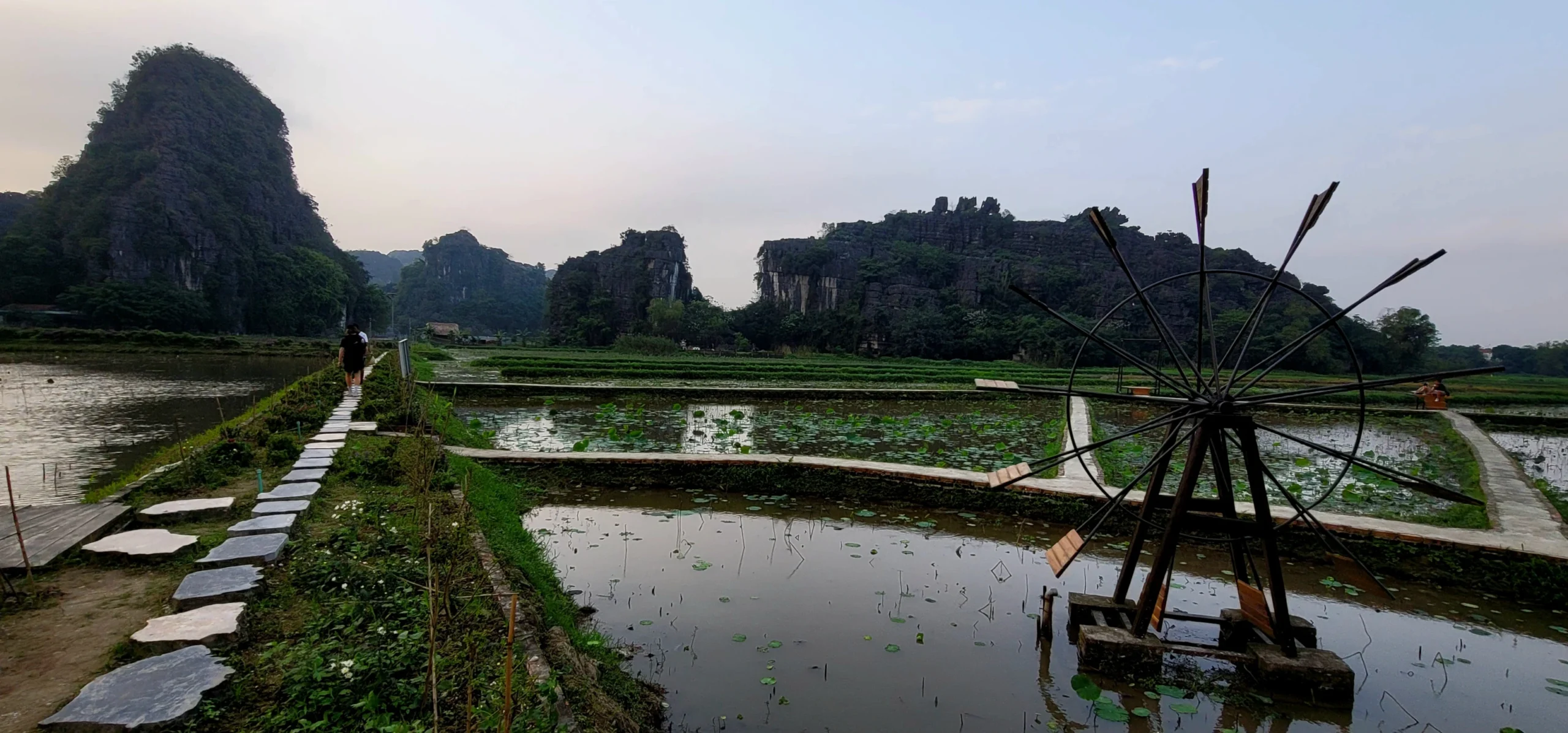
Nearby Ninh Binh has witnessed tremendous growth in tourism, partly thanks to its exposure in films like “Kong: Skull Island.” Visitor numbers have dramatically increased from 1.4 million in 2016 to an estimated 9.1 million in 2025. The region offers stunning landscapes, ancient temples, and boat tours through natural caves that rival Ha Long Bay’s beauty in a more intimate setting.
Da Nang: The Coastal Gem
Moving down the coast, Da Nang represents another beautiful beach destination in Vietnam. The city offers a more relaxed atmosphere than Hanoi or Ho Chi Minh City, with beautiful stretches of sand, very good restaurants where you can enjoy a refreshing sea breeze while dining on delicious meals, and plenty of activities to keep you entertained.
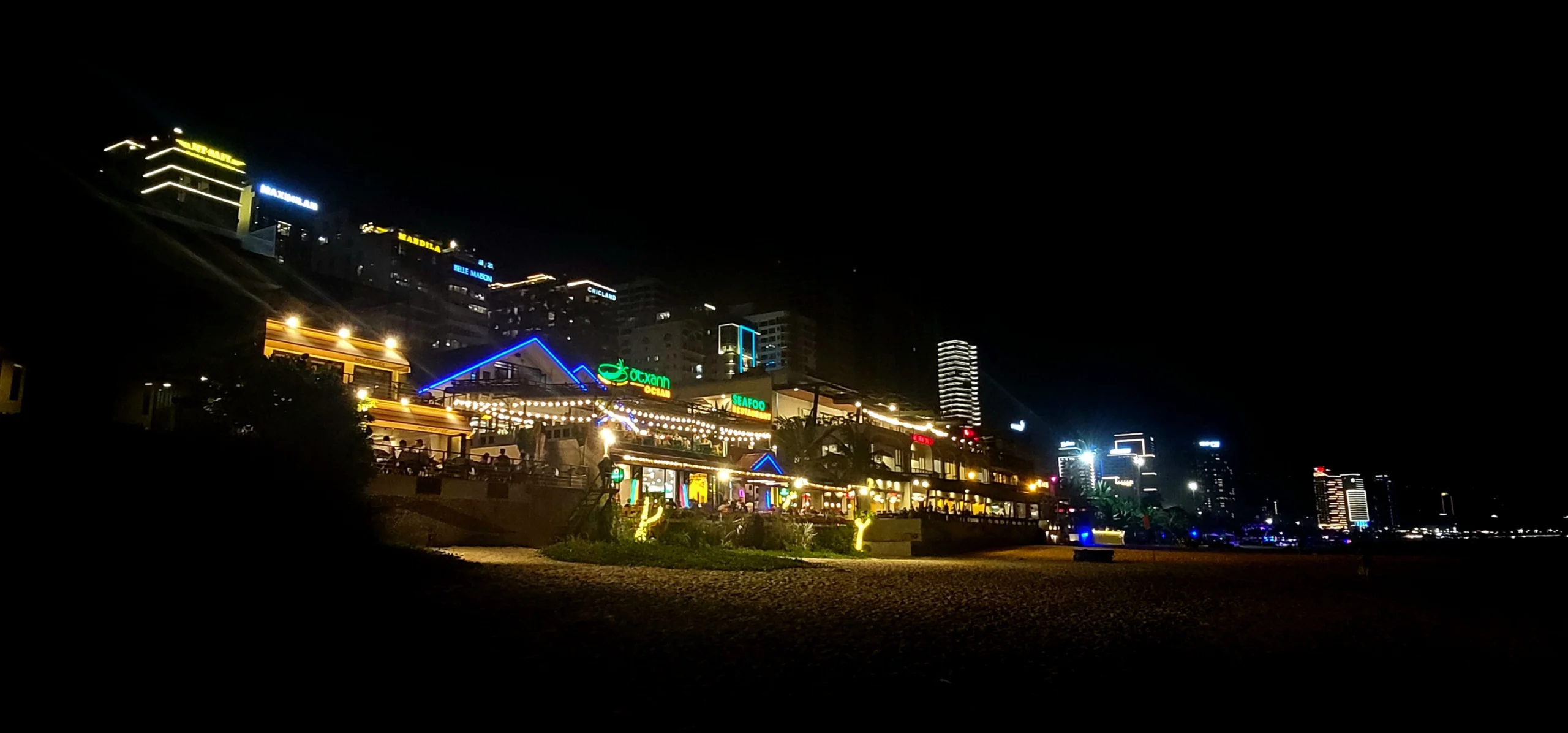
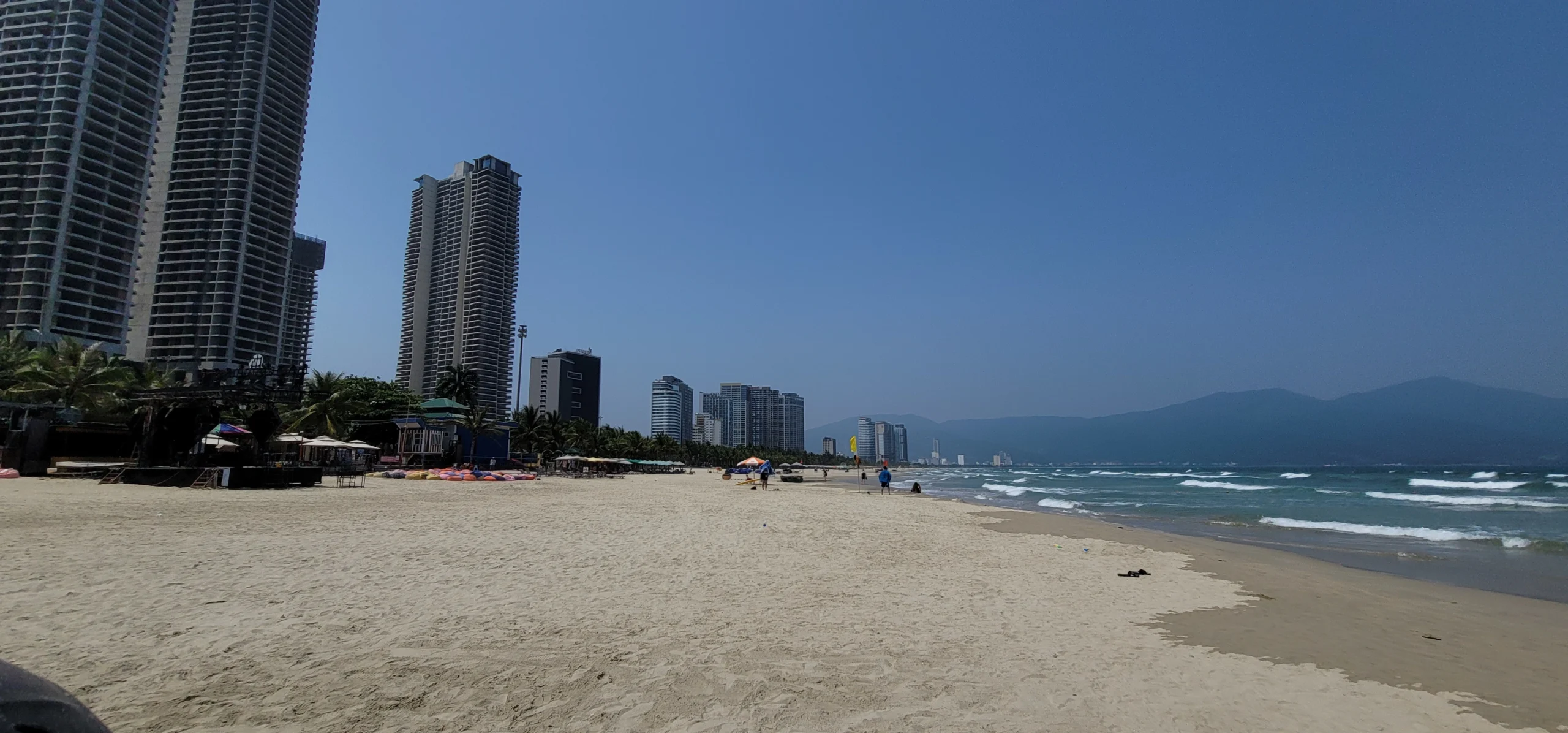
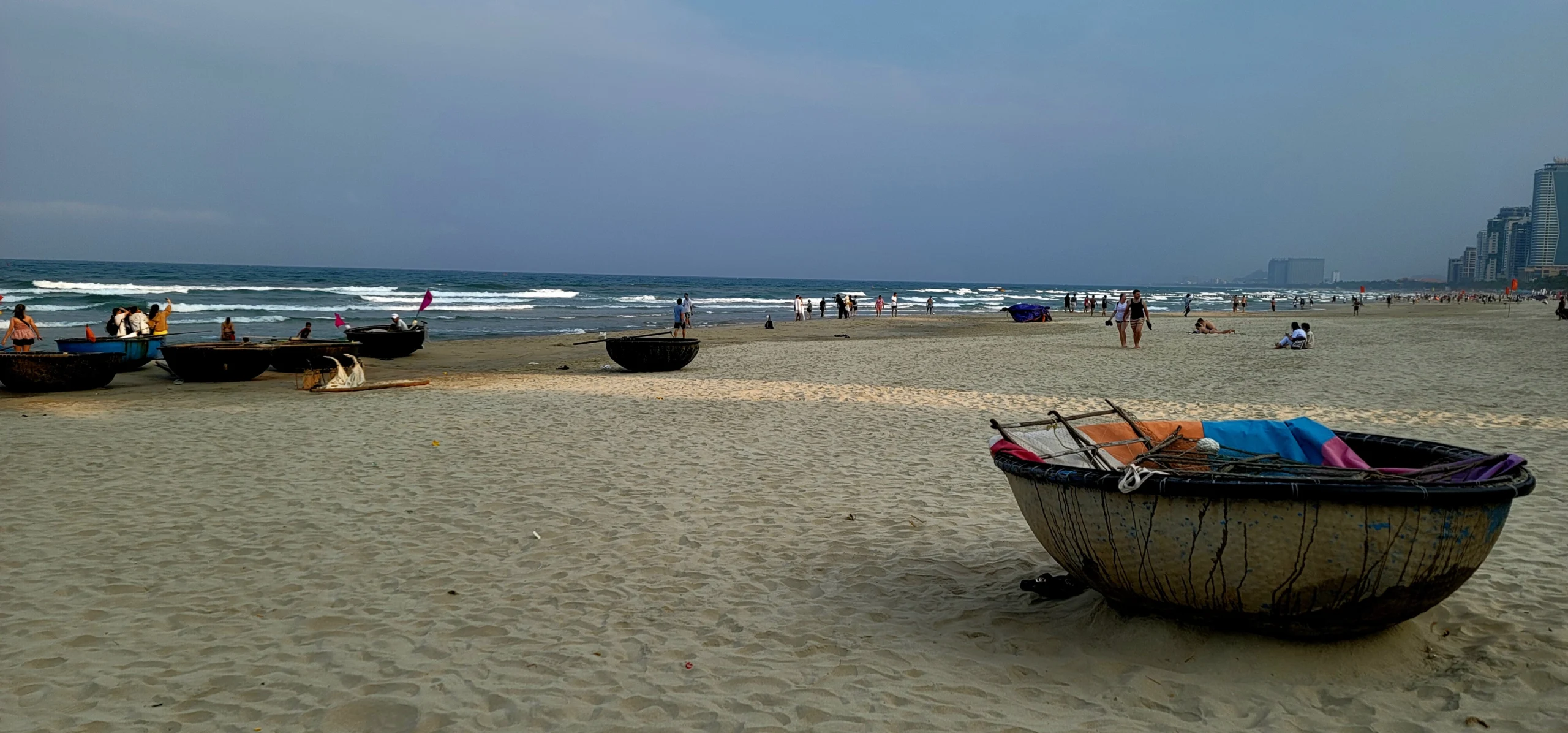
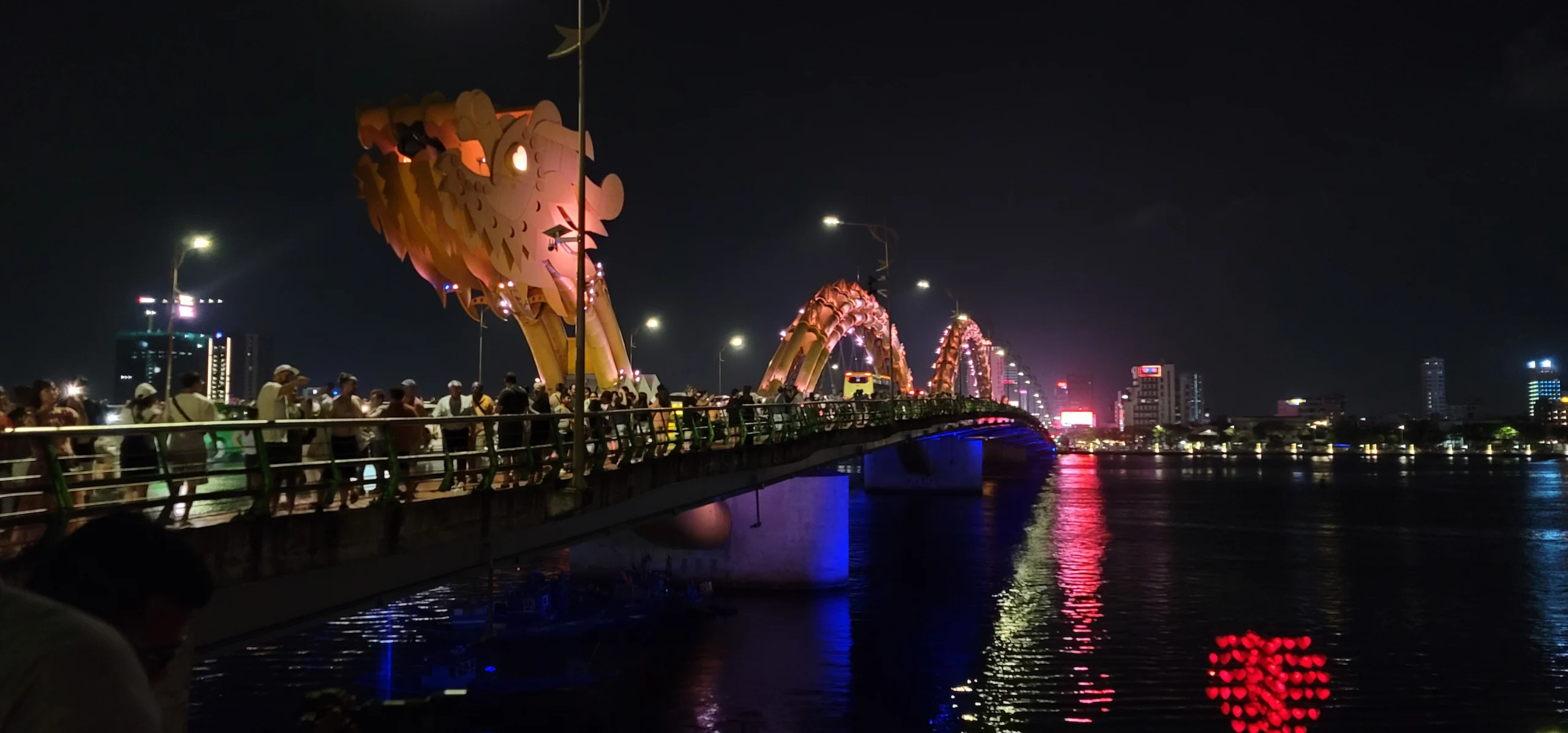
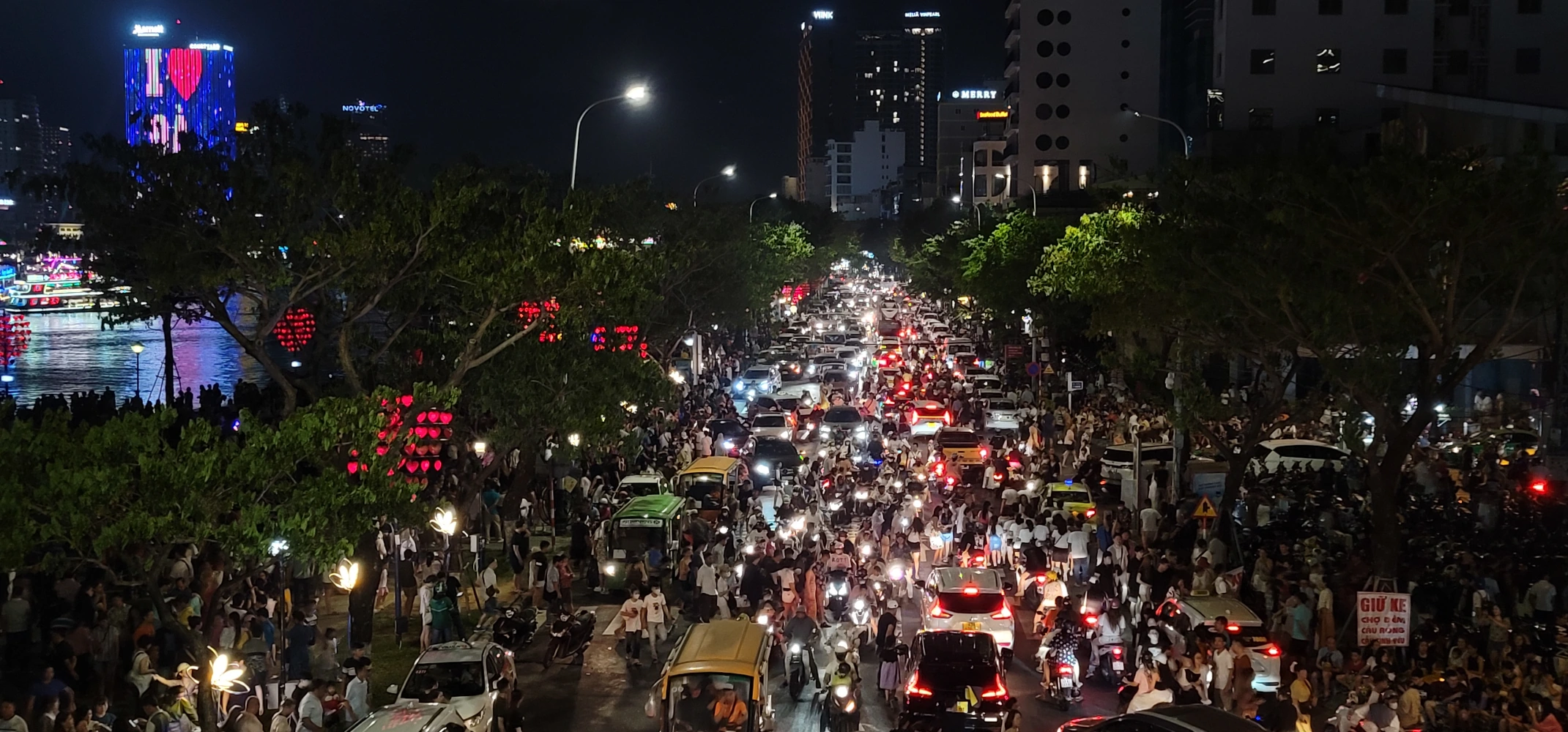
One of Danang’s most spectacular attractions is the Dragon Bridge, which puts on a fire and water show around 9 p.m. on weekends. The show draws crowds of locals and tourists alike, and it’s completely free to watch—a perfect example of Vietnam’s approach to providing enriching experiences without charging premium prices.
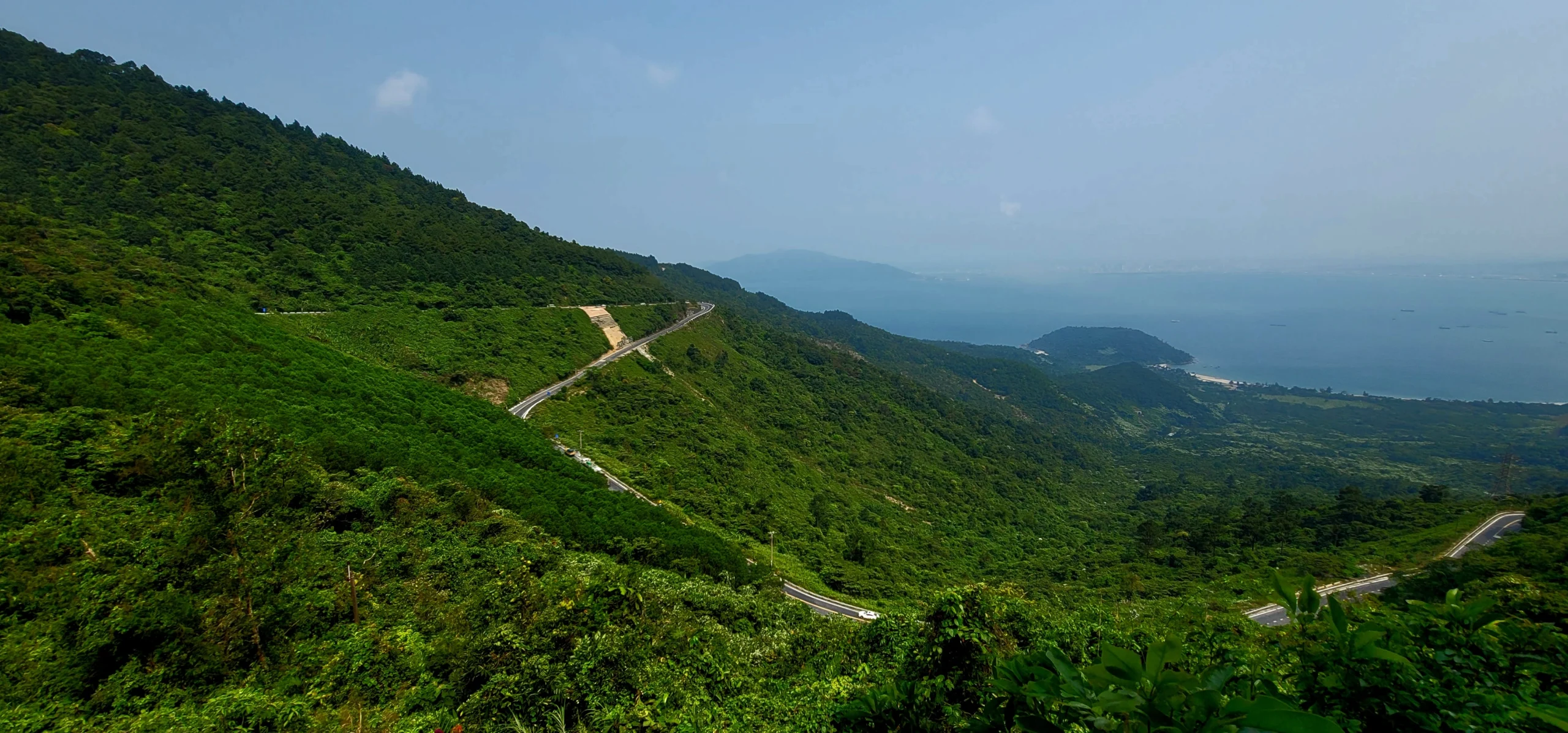
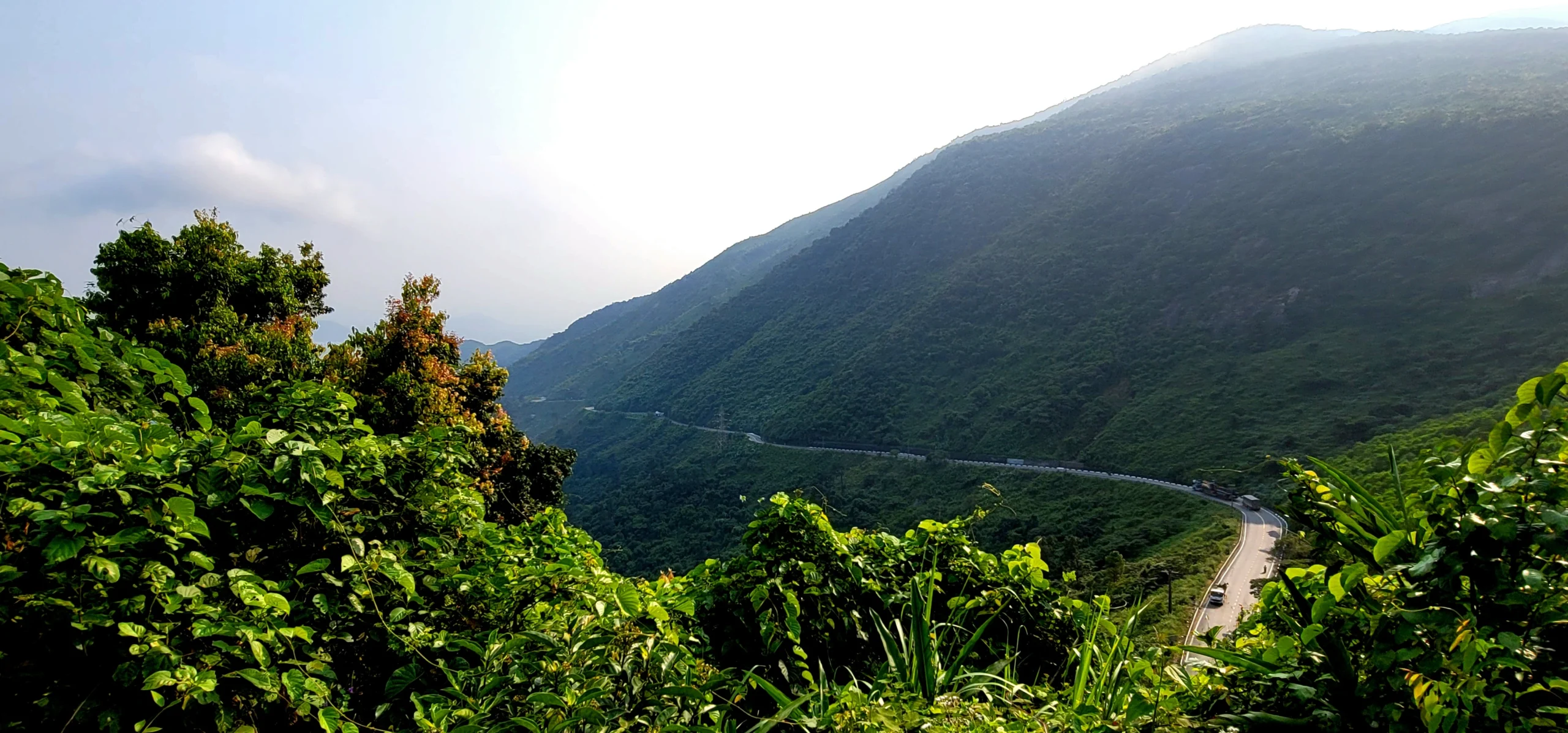
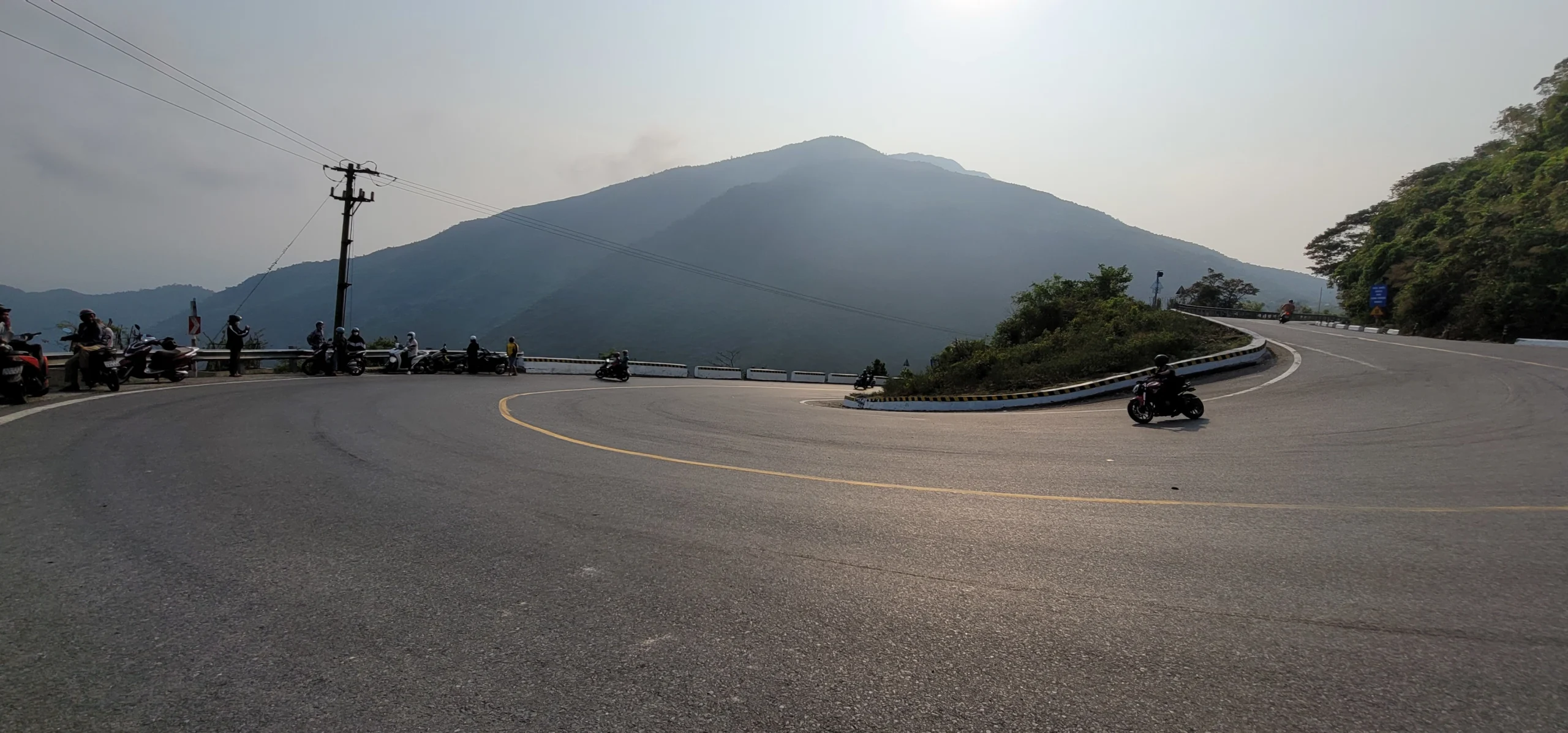
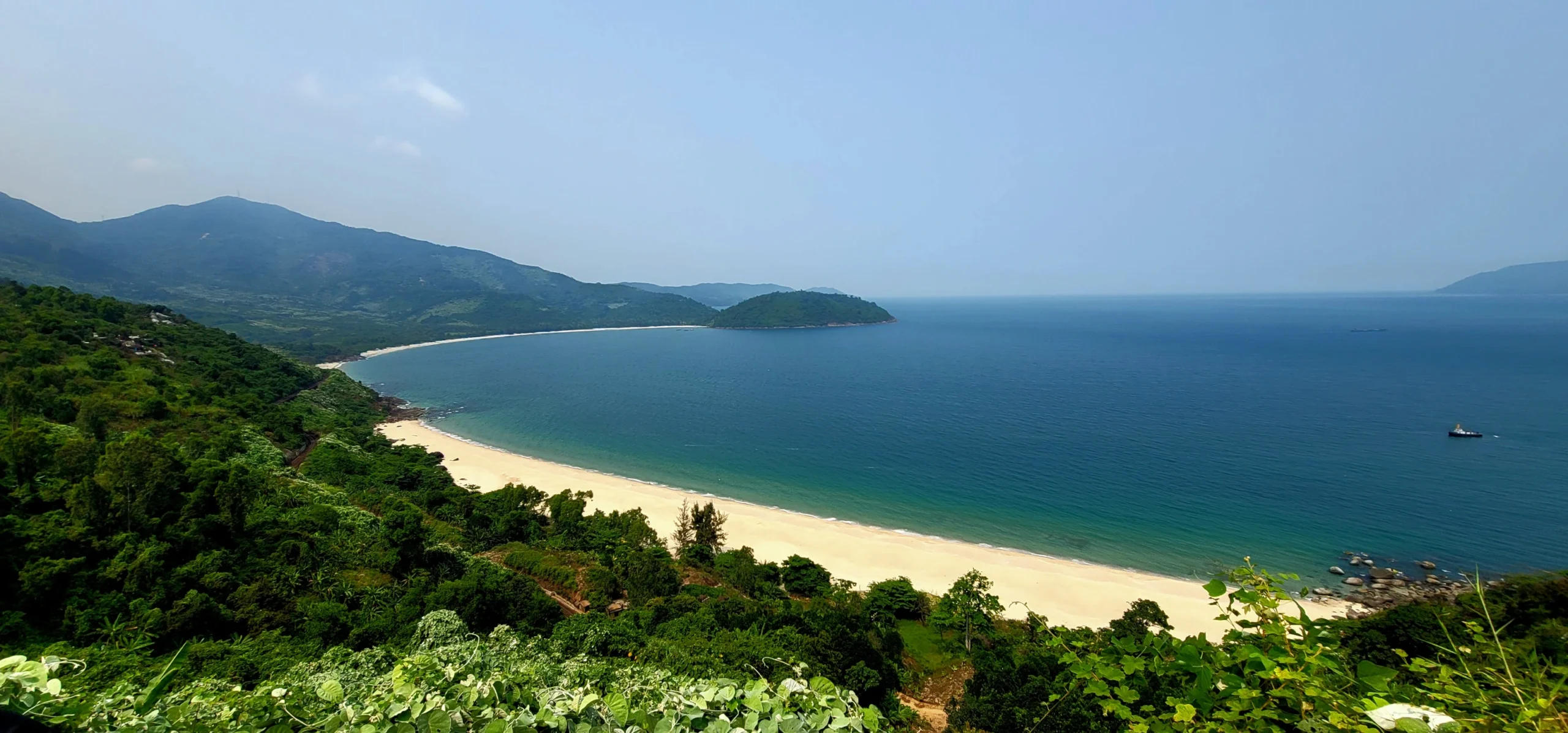
From Da Nang, you can rent a motorbike to explore the Hai Van Pass, a scenic mountain road that offers breathtaking views of the coastline. The pass also leads to Monkey Mountain (Son Tra Mountain), where you can observe rare primates and enjoy panoramic views of the bay.
Hoi An: A Step Back in Time
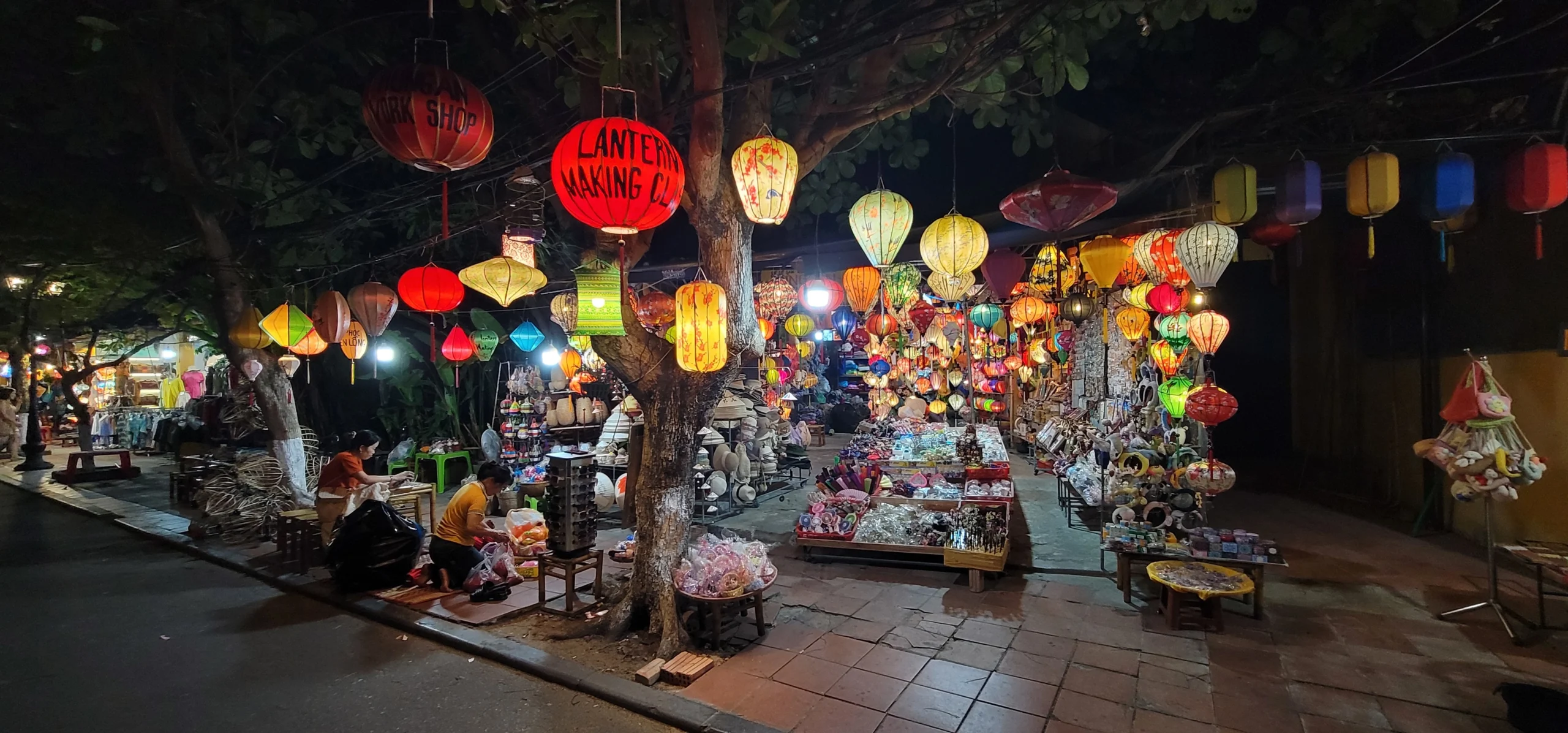
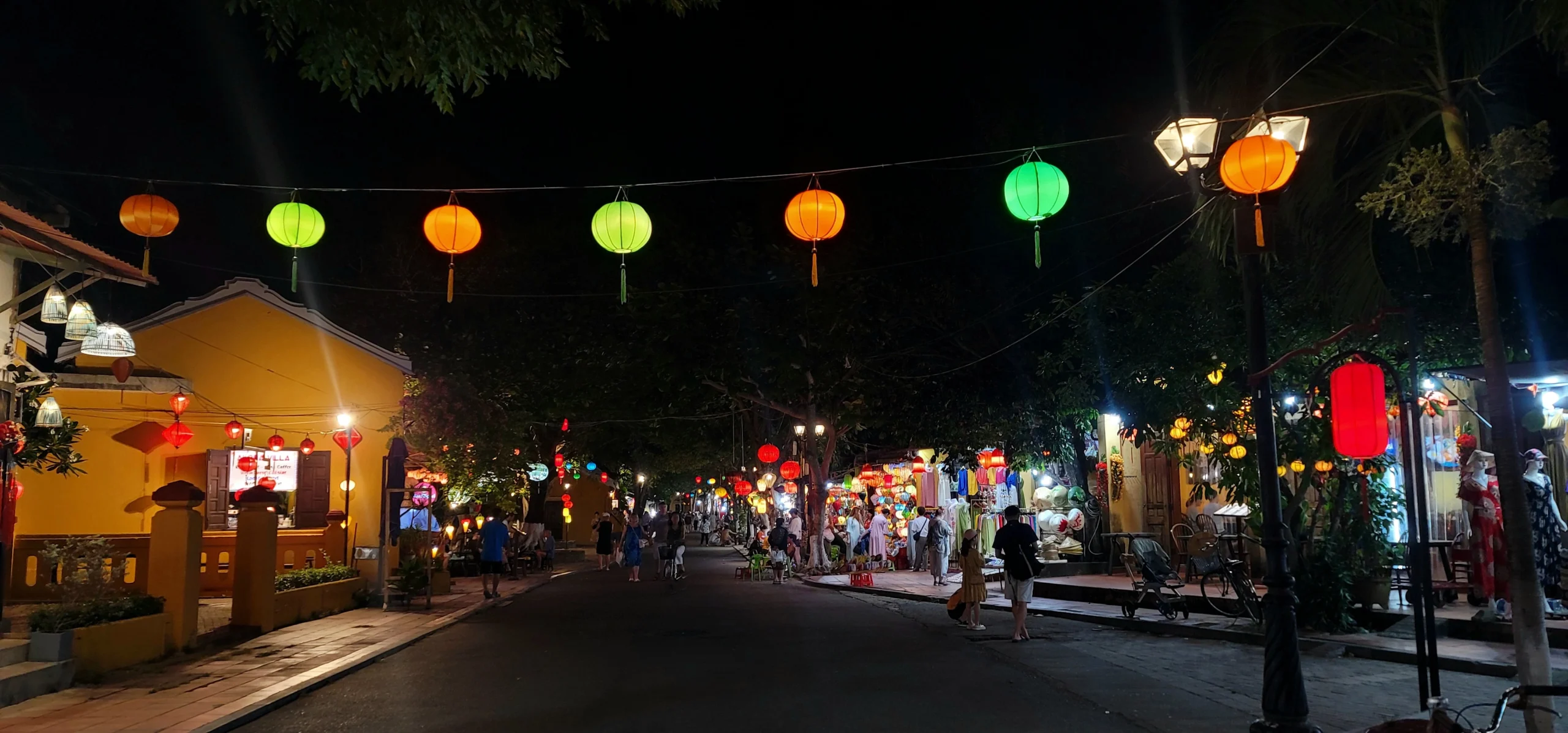
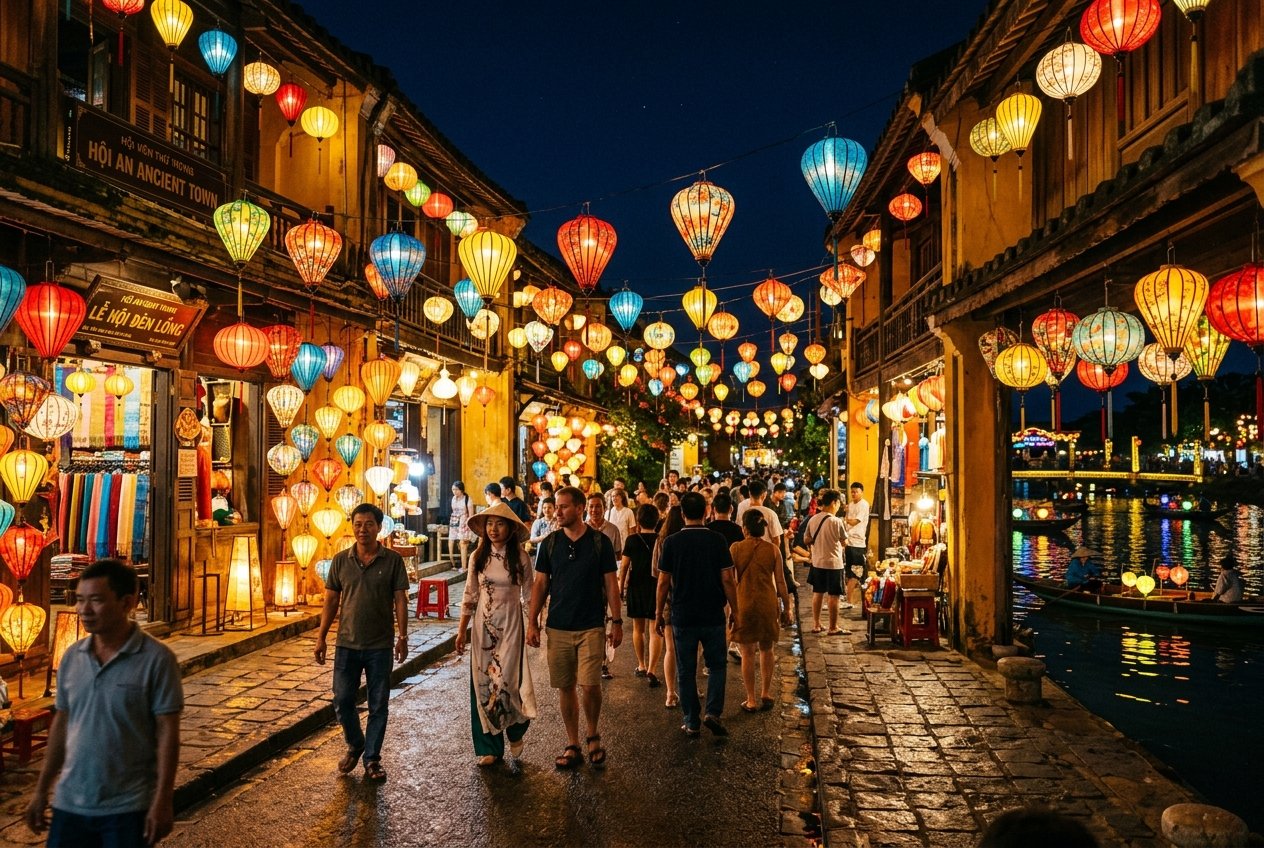
Just one hour from Danang by motorbike (less than 30 kilometers), Hoi An is widely considered one of the most beautiful cities in Vietnam. Its market bursts with life, and the iconic lanterns that illuminate the streets at night create a unique charm that has been described as Vietnam’s most atmospheric and picturesque town.
UNESCO World Heritage Status
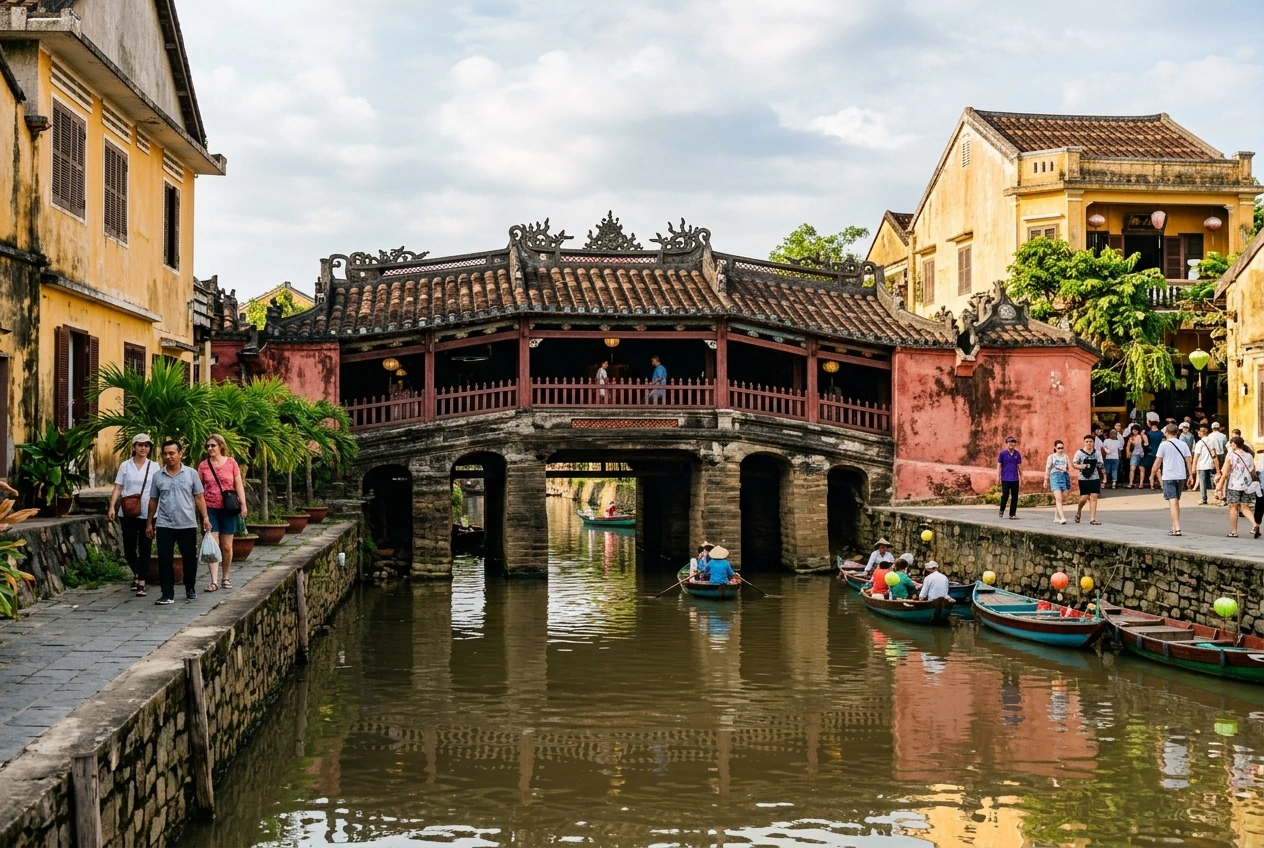
Hoi An’s old town has been registered as a UNESCO World Heritage Site since 1999 and is recognized as a well-preserved former trading port dating from the 15th to 19th centuries. Walking through its narrow streets feels like stepping back in time, with preserved merchant houses, temples, and bridges that tell the story of this once-thriving Southeast Asian trading hub.
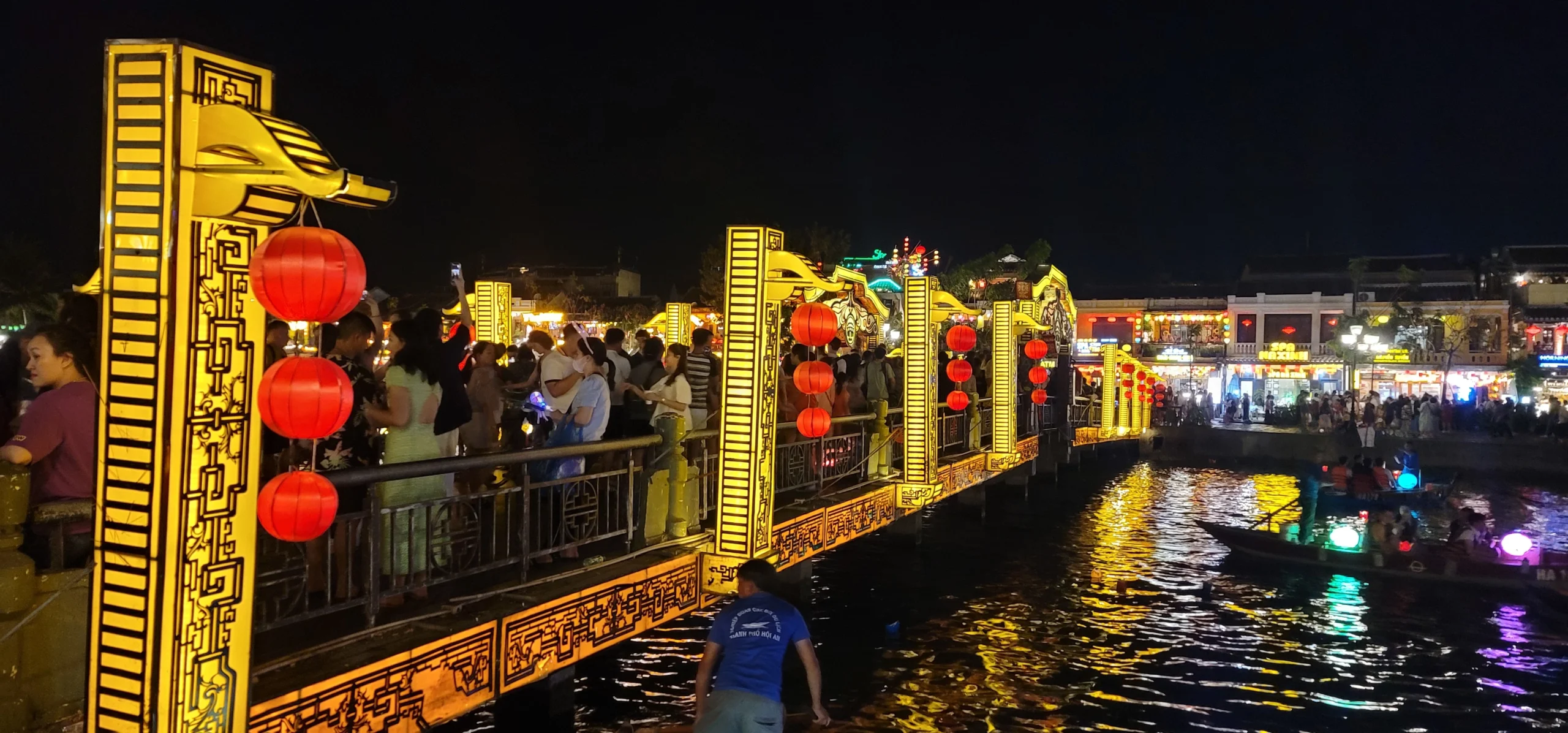
One of the most prominent features of Hoi An’s old town is the Japanese Bridge, dating to the 16th-17th centuries. This beautiful structure represents the influence of Japanese traders on the city during its peak commercial period and has become one of the most photographed landmarks in Vietnam.
The Lantern Festival
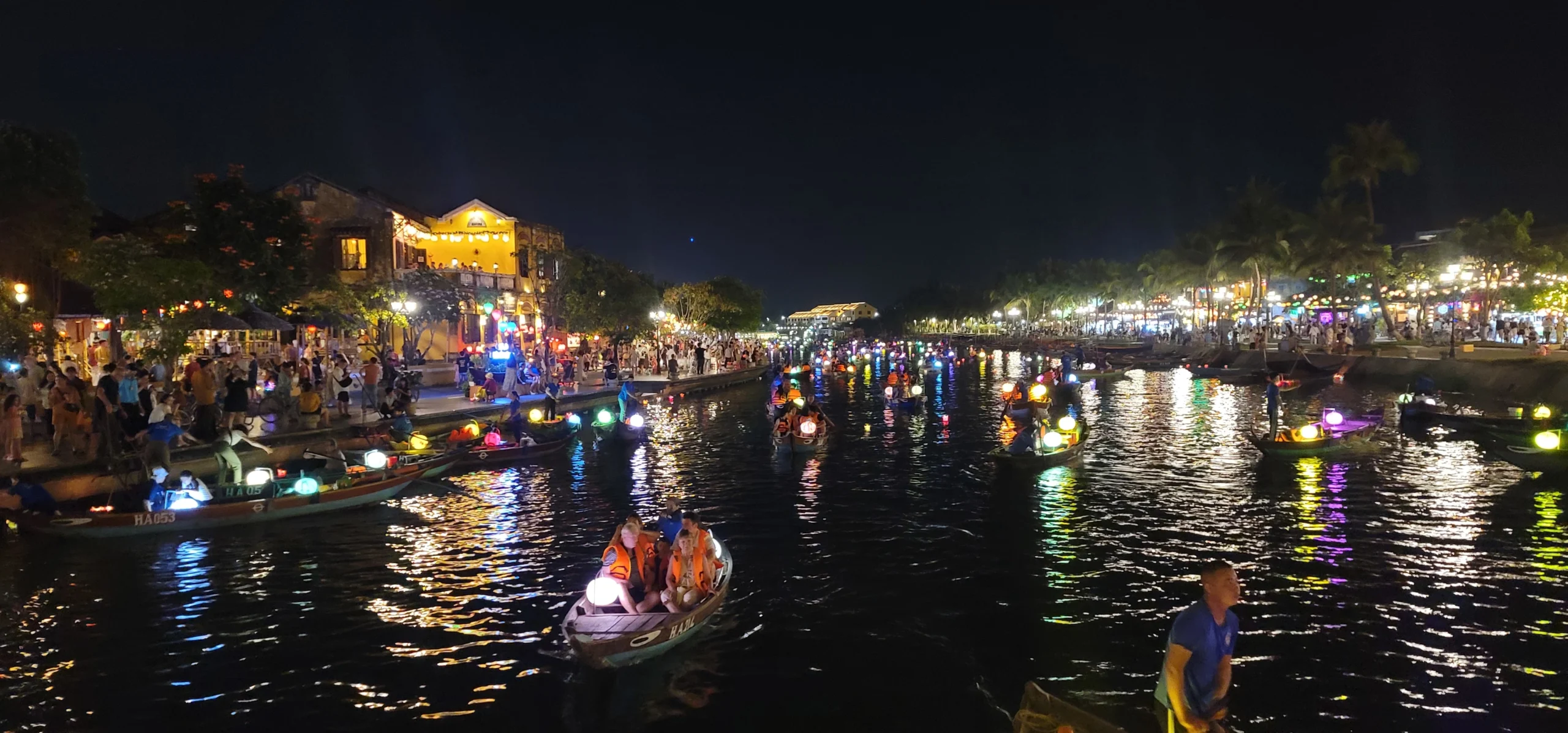
Every month, on the 14th day, Hoi An celebrates the Lantern Festival. During this magical evening, the old town dims its electric lights and thousands of colorful lanterns take center stage, creating a dreamlike atmosphere that draws visitors from across Vietnam and beyond. It’s a testament to the city’s commitment to preserving its cultural heritage while offering unforgettable experiences to visitors.
Why Vietnam Deserves Your Attention in 2024
Beyond its affordable prices and rich culture, Vietnam offers something that many destinations cannot: a sense of genuine discovery. While other Southeast Asian destinations have become increasingly commercialized and expensive, Vietnam maintains its authentic character while rapidly developing its infrastructure to welcome visitors.
The country’s economic growth has been remarkable. Vietnam’s gross domestic product has grown at an average of 5% to 7% per year—far more than larger economies such as the United States and China. This economic surge has brought improved roads, modern hotels, and better services while keeping costs remarkably low for travelers.
From the historical depth of Ho Chi Minh City and Hanoi to the natural beauty of the Mekong Delta, the beach paradise of Nha Trang, the mountain retreat of Dalat, and the cultural richness of Hoi An, Vietnam offers an extraordinary diversity of experiences that cater to every interest and budget.
The Vietnamese people are renowned for their hospitality and warmth. Whether you’re bargaining at a market, seeking directions, or simply sharing a meal with locals, you’ll find welcome and kindness at every turn. This combination of affordable luxury, rich history, natural beauty, and genuine hospitality makes Vietnam not just a destination but an experience that will transform your understanding of what travel can be.
Frequently Asked Questions
Is Vietnam safe for tourists?
Yes, Vietnam is generally very safe for tourists. Violent crime against visitors is rare, and the biggest risks are typically related to traffic accidents due to the chaotic road conditions. Common-sense precautions and awareness will go a long way in ensuring a safe and enjoyable trip.
What’s the best time to visit Vietnam?
The best time to visit depends on the region you’re planning to explore. Generally, the dry season from November to April offers the most comfortable weather across the country, though the south tends to be warmer year-round. Peak tourist season runs from December to March, when temperatures are most pleasant.
How much money do I need per day in Vietnam?
Vietnam is one of the most affordable destinations in Southeast Asia. On a budget, you can comfortably live on $25-40 USD per day, covering accommodation, food, and local transportation. Mid-range travelers might spend $50-80 USD per day for more comfortable accommodations and additional activities.
Do I need a visa to visit Vietnam?
Many nationalities can enter Vietnam visa-free for short stays. However, most travelers will need a visa. E-visas are available for citizens of most countries and can be obtained online before arrival. Be sure to check the current requirements for your nationality before planning your trip.
Is it difficult to get around Vietnam?
Getting around Vietnam is relatively easy thanks to an extensive network of domestic flights, trains, buses, and taxis. For short distances, motorbike taxis (Grab is widely available in cities) and traditional taxis are affordable options. Domestic flights are inexpensive and can save significant time for longer distances.
Start Your Vietnamese Adventure Today
From the moment you land in Vietnam, you’ll understand why this country has captured the hearts of travelers from around the world. The blend of incredible affordability, rich history, breathtaking landscapes, and warm hospitality creates an experience that rivals destinations costing twice as much—or more.
Whether you’re watching the sunset over Ha Long Bay, exploring the ancient streets of Hoi An, sampling snake wine in the Mekong Delta, or simply enjoying a $2 bowl of pho in Ho Chi Minh City, every moment in Vietnam offers value that few destinations can match.
So what are you waiting for? Start planning your Vietnam adventure today. With this Vietnam budget travel guide 2025 in hand, you’re equipped with the knowledge to explore cheap places to visit in Vietnam, understand Ho Chi Minh City travel costs, discover Vietnam coffee tours in Hanoi, and find affordable hotels in Ho Chi Minh District 1 and beyond.
Your unforgettable Vietnamese journey awaits—and with prices this reasonable, there’s no reason not to go. Pack your bags, book your flight, and get ready to discover one of the world’s most captivating destinations. Vietnam is ready to welcome you.